

Imagine a world where ancient proverbs, legendary stories, and every nuanced piece of indigenous wisdom are not only preserved but brought to life for future generations, all thanks to African language AI. Technology is no longer a distant concept—it's the vibrant bridge reviving Africa's cultural heritage in ways once thought impossible. This article explores how artificial intelligence is safeguarding the voices and traditions of the continent and what it means for the future of linguistic heritage.
A New Era: The Rise of African Language AI for Cultural Heritage
African language AI is quickly shifting from concept to an everyday reality, especially as communities and innovators across the continent harness artificial intelligence to safeguard linguistic and cultural treasures. In an era defined by rapid technological advancement, the unique linguistic diversity of Africa faces both unprecedented opportunity and risk. As countless African languages—many of which have no extensive written records—battle against extinction, AI-driven solutions are emerging as practical, scalable means to digitise, teach, and share them. This movement isn’t simply about technology; it is about reclaiming identities through language, reconnecting with ancestral knowledge, and ensuring access to information distinctly relevant to African communities.
Across bustling tech hubs and in remote villages alike, language technologists are developing AI models that comprehend local grammar, idioms, and even oral traditions. This digital revival not only supports language preservation but also empowers entire communities to participate in a connected, global world while maintaining their distinct voice. As we observe this transformation, it’s clear that the role of artificial intelligence in African languages is more than translation; it’s the living thread between the past and the future of African cultural heritage.

Observing the Landscape: Technology and the Revival of African Languages
The landscape of language technology in Africa is dynamic, driven by a mix of necessity and innovation. Traditional approaches like dictionaries, transcription projects, and oral tradition recordings were often time-consuming and unable to scale. Today, AI technologies—especially natural language processing (NLP) and machine learning—offer a way to revive and rejuvenate endangered languages on a scale never before possible. These systems go beyond storing vocabulary: they interpret intonation, context, and colloquial expressions, giving life to both the written and spoken forms of local languages.
With the proliferation of smartphone use across African communities, digital tools such as AI-powered translation, speech recognition, and language learning apps are now accessible to unprecedented numbers of people. These new approaches enhance not only the preservation of linguistics but also daily communication and access to education. By bridging gaps that have long separated generations through oral traditions, African language AI empowers users of all ages to reconnect with their heritage effortlessly and with pride.
For those interested in how AI-driven platforms can simplify complex processes, including language technology and beyond, exploring the ways artificial intelligence streamlines website creation on WordPress offers practical insights into the broader impact of AI on digital accessibility. Discover more about this approach in how AI can simplify your WordPress site creation process.
What You'll Learn in This Article
- The impact of artificial intelligence on African language preservation
- How natural language processing and AI tools are making a difference
- Challenges and solutions in protecting linguistic heritage with technology
- Future prospects for African languages in the digital age
Why African Language AI Matters for Heritage Protection
African language AI matters profoundly—because language is more than vocabulary; it’s a vessel for history, values, and community. Across Africa, the loss of indigenous languages signals not just loss of words but an erosion of essential cultural heritage. By leveraging artificial intelligence, preservation efforts have become more inclusive, far-reaching, and resilient. For many African languages that are undocumented or at risk, AI systems play the role of both archivist and teacher, keeping the words, stories, and knowledge of ancestors alive for future generations.
What makes AI such a powerful tool for linguistic heritage lies in its adaptability and speed. Natural language processing algorithms can work with local communities to record oral histories, digitise proverbs, and build resources for language learners. This movement has the potential to democratise access to African culture, enabling diaspora populations and young learners alike to reconnect with their roots. It is technology protecting heritage in the most profound way—by amplifying the voices that define Africa’s identity.
Preserving Linguistic Heritage Through AI and Language Processing
Preserving the linguistic heritage of Africa through advanced technology means bridging the ancient and the modern. AI-powered language processing tools are making it possible to document, classify, and teach indigenous African languages at previously unimaginable scales. Gone are the days when oral tradition alone bore the burden of cultural continuity. Now, AI models trained on local dialects and idioms can assist in transcribing oral traditions, translating ancient stories, and facilitating real-time conversation across cultures.
AI tools also support the ongoing evolution of language. Through machine translation, automated transcription, and interactive learning apps, young African speakers can access content in their mother tongues, making them active participants in language preservation. As technology protects heritage, it ensures linguistic diversity survives well into the future—powering not just communication but also cultural resilience.
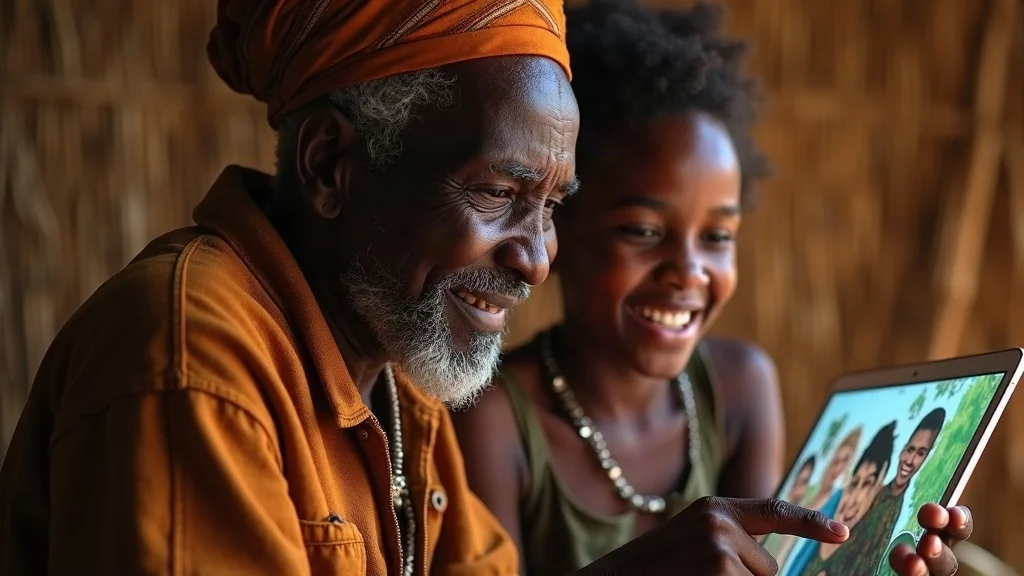
Understanding the Technology: How Artificial Intelligence Empowers African Languages
Artificial intelligence transforms African languages from vulnerable assets to thriving, evolving mediums of communication. At the heart of this change are advanced tools that understand not only words but cultural context, inflection, and tradition. Natural language processing (NLP) plays a central role, allowing computers to “understand” and generate text or speech in indigenous African languages. By analysing vast amounts of language data, AI systems learn grammar, idiomatic phrases, and cultural references unique to African communities.
Translation tools powered by AI enable real-time voice and text translation between African and international languages, increasing accessibility to information and cross-cultural understanding. With the help of locally relevant data and input from native speakers, these technologies are becoming increasingly accurate. The result? AI that is not just smart but also culturally sensitive—giving agency back to African communities by digitising and elevating their linguistic heritage on a global stage.
The Role of Natural Language Processing in Language Preservation
Natural language processing is at the core of AI-driven language preservation, enabling computers to process, analyse, and generate human language data in ways once reserved for scholars and linguists. NLP models, trained on text, audio, and even visual data, can transcribe, summarise, and translate African oral traditions and written texts rapidly and with increasing accuracy. This technological leap means that endangered and less-common African languages are not only documented but also made useful to speakers and learners worldwide.
The greatest strength of NLP is its capacity to adapt to the diversity and complexity embedded in African languages. From tonal inflections in Yoruba to the click consonants of isiXhosa, machine learning models identify and replicate patterns that are otherwise challenging for standard translation tools. By involving local communities in training AI systems, African language preservation becomes an inclusive effort—one that values authenticity and cultural nuance while opening new avenues for intergenerational learning and global recognition.
Key AI Tools and Translation Tools Facilitating Revival
Leading the transformation are AI tools and translation platforms designed specifically for African contexts. Machine learning algorithms fuel powerful voice recognition and text-to-speech systems, making indigenous languages accessible on smartphones, websites, and educational apps. Popular examples include real-time speech translators, chatbots conversing in Swahili or Hausa, and mobile educational platforms offering lessons in local languages. These tools have broadened the reach of AI to rural and urban African communities alike—equalising learning opportunities and encouraging widespread use of technology to protect heritage.
Importantly, the best-performing AI systems are those developed in collaboration with local linguists, educators, and community members. This ensures the AI is locally relevant, culturally sensitive, and adaptable to the evolving landscape of African languages. As AI developers continue to innovate, they’re not just creating new technologies, but solutions that are rapidly becoming guardians of Africa’s rich linguistic diversity.
Spotlight on Progress: Real-World Examples in Africa
The impact of African language AI can be seen in real-world success stories across the continent. In school classrooms, technology is now helping children learn in their own languages via speech recognition and interactive, culturally tailored apps. At universities, researchers are deploying AI to digitise archival texts and support translation projects—opening access to historical documents and literature for younger generations and diaspora audiences alike. Community initiatives are equally vital; local coders and AI developers partner with elders to capture stories, songs, and oral traditions that would otherwise be lost.
Perhaps most importantly, a growing network of African AI researchers and technologists is ensuring that digital transformation is guided by need, not novelty. By prioritising multilingual access and culturally authentic content, these trailblazers are closing the gap between advanced technology and Africa’s centuries-old storytelling traditions.
Case Study: South Africa’s Approach to African Language AI
South Africa stands as a beacon for African language AI advancements. Home to a wealth of linguistic diversity, the country has pioneered AI systems that support 11 official languages, with a strong focus on local content and accessibility. Academic institutions have developed natural language processing tools, machine translation platforms, and speech recognition engines that assist in teaching, business, and government communication. Notably, AI developers in South Africa prioritise ethical considerations, ensuring that African language technology respects cultural contexts and benefits local communities.
This commitment is evident in collaborative research between universities and private technology companies. They have created digital archives of oral traditions, automated document transcription, and even chatbot assistants fluent in Zulu and Xhosa. South Africa’s success shows how artificial intelligence—when paired with strategic investment, data collection, and stakeholder engagement—can nurture language preservation, yield economic opportunities, and cement cultural heritage for all generations.

Success Stories from Other African Countries
Beyond South Africa, a wave of pioneering AI-based language projects is spreading across Africa. In Kenya, Swahili language models are integrated into translation tools and language-learning platforms that support millions in education and commerce. In Ethiopia, AI models for Amharic have scaled translation and transcription of government documents, making official information accessible to more citizens. Local teams in Nigeria and Ghana use AI to digitalise Yoruba, Hausa, and other indigenous languages, enabling real-time translation, language learning, and archiving of folk stories.
These achievements demonstrate a shared African commitment—not only to technological excellence, but to cultural authenticity and social impact. Through collaborations with local communities, these initiatives ensure that AI tools are locally relevant, ethically managed, and responsive to the linguistic needs of diverse populations. As these stories gain ground, they fuel optimism for the future of African language AI in safeguarding heritage across the continent.
Challenges Confronted: Obstacles African Language AI Must Overcome
- Resource constraints: Many projects face limited funding, infrastructure, and access to advanced AI technologies.
- Diversity and complexity of African languages: The sheer number and uniqueness of languages and dialects pose difficulties for creating universally accurate AI models.
- Data scarcity for language processing: There remains a shortage of digitised language data, especially for low-resource and endangered languages.
- Balancing technology with cultural authenticity: It’s essential that technology remains a tool for preservation, not assimilation, by involving local communities and protecting oral traditions.
Expert Insights: Voices Shaping the Future of African Language AI
“Artificial intelligence is not just a tool for digitisation; it is becoming the guardian of our linguistic identities.”
“AI-powered translation tools are helping bridge gaps that have persisted for generations.”
Comparing Technology: AI Impact on African Languages vs. Traditional Approaches
| Aspect | Traditional Preservation | African Language AI |
|---|---|---|
| Documentation | Manual, slow | Automated, scalable |
| Accessibility | Limited | Global, online |
| Accuracy | Subject to errors | Improved with machine learning |
| Community Involvement | High | Varied |
| Longevity | Dependent on resources | Sustainable with updates |
The Future Outlook: African Language AI and the Next Generation
Looking ahead, African language AI is poised to become a cornerstone of not only cultural continuity but also innovation and economic growth. The next generation—children and youth who grow up with AI-powered language tools—will have unprecedented access to their history, as well as modern opportunities. By integrating speech recognition, interactive learning, and real-time translation into classrooms, the future promises both robust language preservation and broader global competitiveness for African nations. Ensuring the sustainability of these tools and practices will require ongoing collaboration with local communities and ethical stewardship of both technology and culture.
Success in the digital age will depend on the ability to blend modern machine intelligence with the deep wisdom embedded in oral traditions. As digital natives increasingly become the stewards of their languages, the responsibility shifts to ensure technology continues to champion, not challenge, Africa’s cultural heritage.

Ensuring Sustainability in Language and Culture
For African language AI to secure enduring results, it must root itself in both technological innovation and community engagement. Sustainability depends on accessible education, local leadership in AI research, and policies that protect indigenous knowledge. Ongoing updates, open-source platforms, and involvement of native speakers will safeguard cultural authenticity while allowing African languages to evolve alongside changing times. The collaborative approach—AI developers, elders, educators, and young learners working together—guarantees that technology remains a supportive force for Africa’s cultural heritage, never its replacement.
Lists: Key African Languages at the Forefront of AI Innovation
- Swahili
- Zulu
- Yoruba
- Hausa
- Amharic
FAQs: Everything You Want to Know About African Language AI
Which African country is leading in AI?
South Africa has emerged as a leader in artificial intelligence development, with a strong focus on natural language processing, AI tools, and collaborative language technology initiatives that support the country’s rich tapestry of African languages.
Is the Xam language still alive?
Unfortunately, the Xam language is considered extinct. However, AI-driven documentation projects continue to work towards retaining accessible archives for lost or endangered African languages, ensuring remnants of such cultural heritage remain available for research and learning.
Did any African languages survive slavery?
Yes, several African languages survived the transatlantic slave trade and have been protected and passed down within diaspora communities. These languages contribute to the rich linguistic heritage of Africa by sustaining vital connections between past and present societies locally and abroad.
Can AI coexist with the African traditional and cultural systems or will it erase them?
AI can coexist with African traditional and cultural systems if it is developed collaboratively with local communities. By prioritising cultural sensitivity and ethical technology development, AI serves as an ally—helping to protect and elevate heritage rather than replace it.
Key Takeaways
- African language AI is playing a critical role in protecting linguistic heritage.
- Technology like artificial intelligence and language processing tools offer scalable solutions.
- Community involvement remains essential to meaningful preservation.
- The future is promising if ethical and collaborative development continue.

Inspiring Change: Get Involved in the African Language AI Movement
Join thousands of African founders learning how to work smarter with AI. https://aisiganal.sovereignmomentum.com
If you’re inspired by the transformative power of African language AI in cultural preservation, consider how these innovations are part of a much larger digital revolution across the continent. From language tools to website creation, artificial intelligence is making technology more accessible and empowering for everyone. To deepen your understanding of how AI is shaping digital experiences and simplifying complex tasks, explore the broader landscape of AI-driven solutions, such as those revolutionising WordPress site creation. This journey into AI’s potential can open new doors for creativity, efficiency, and cultural impact—fueling the next wave of progress in Africa and beyond. Learn more about these advancements at AI Website Builder WordPress: Simplify Your Site Creation.
In conclusion: African language AI is a game-changer in protecting and reviving cultural heritage. Continued innovation, ethical collaboration, and community-driven development will ensure these languages and traditions not only endure but thrive for generations to come.
African language AI is revolutionizing cultural preservation by developing technologies that understand and process indigenous languages, ensuring that Africa’s rich linguistic heritage is not only documented but also actively used in the digital age.
For instance, AfricanaAI focuses on building culturally-aware AI systems fluent in languages like Hausa, aiming to empower communities by providing access to education and public services in their native tongues. (africanaai.com)
Similarly, AfricanGPT offers an AI assistant designed for African languages, supporting chat, translation, and learning in over 36 languages, thereby enhancing accessibility and inclusivity across the continent. (africangpt.org)
These initiatives highlight the transformative role of AI in safeguarding and revitalizing African languages, ensuring they thrive in the digital era.




Write A Comment