
cropper

THE AI SIGNAL BRIEFS
FOR AFRICAN FOUNDERS

  • AI SIGNAL
    • # KARIBU ~ WELCOME
    • THE BREEZES
    • #THE VILLAGE ARCHIVES
    • #THE INDUSTRIOUS VOICES
    • # THE BREEZES
    • #THE BRIEFS
    • #Sovereign Execution
  • SOVEREIGN
    • THE VILLAGE ELDER
    • SOVEREIGN FRAMEWORKS
    • SOVEREIGNTY IN ACTION
    • THE AI STACK
  • MOMENTUM
    • AFRICANS ALSO ASK
    • THE VILLAGE ARCHIVES
    • AI IMPLEMENTORS GUIDES
  • 5TH VILLAGER
    • THE FIFTH VILLAGER
    • VILLAGE VOICES
    • THE VENTURE VILLAGE
    • VILLAGE VAULTS
    • THE VILLAGE VOICES
October 20.2026
1 Minute Read

How African Professionals Can Prepare for an AI-Driven Economy

Imagine walking through Kigali or Mombasa and seeing teams of African innovators gathering around digital screens, discussing AI-powered solutions for local challenges, each conversation layered with ambition and resolve. This is not a distant vision, it is the new reality emerging as Africa stands at the crossroads of technological revolution and rapid socio-economic change. How African professionals, businesses, and institutions can prepare for an AI-driven economy by building the right human capabilities is now a defining question. As technology reshapes every sector from finance to agriculture, Africa faces both daunting climate crises and promising opportunities. Let’s explore why investing in human capabilities is crucial for thriving, not just surviving, in this era of digital transformation.

Facing the AI-Driven Economy: Africa’s New Frontier

The continent’s greatest asset isn’t just in natural resources or sprawling cities, it’s in the untapped human potential waiting to ignite change. As African economies accelerate toward digitisation, AI is emerging as both a disruptor and an enabler. Unlike many regions, Africa’s starting point is unique: a dynamic innovation climate, a youthful workforce, and the pressures of climate change demanding urgent solutions. Understanding how African professionals, businesses, and institutions can prepare for an AI-driven economy by building the right human capabilities involves more than tech adoption; it means shaping a society where resilience, adaptability, and creativity become core competencies.

The current reality is that Africa’s digital transformation races against the clock of the climate crisis and fluctuating global economic trends. While policy makers and civil society organisations focus on bridging the digital divide, forward-thinking businesses are fostering cultures that prize lifelong learning and digital fluency. AI implementation is not just about innovation in isolation; it is about embedding sustainable, inclusive practices that reflect Africa’s aspirations and values. From press releases on new regional AI labs to the UN Climate discussions about tech’s environmental impacts, Africa’s frontier is not just digital, it’s deeply human.

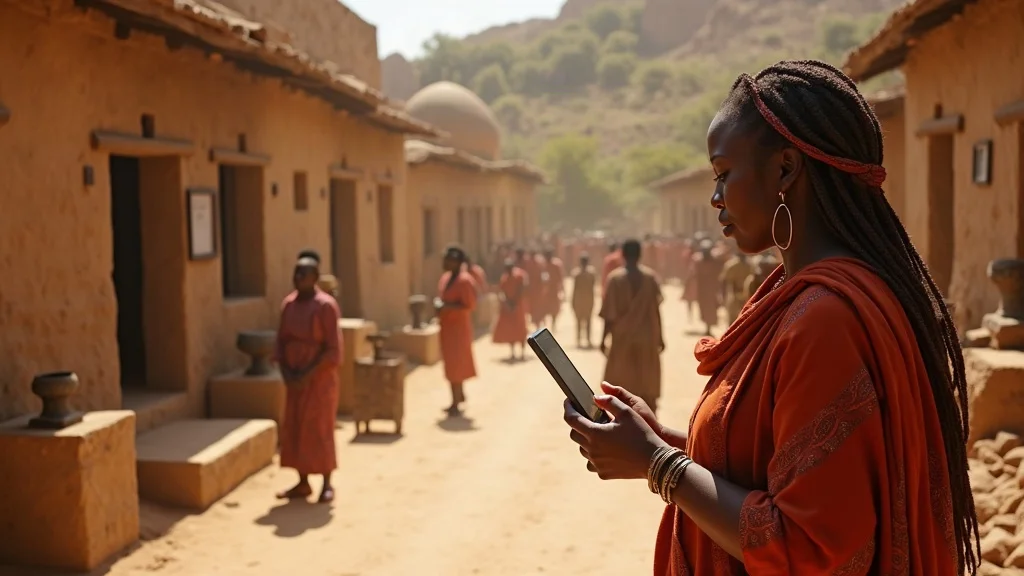
African business professionals in digital discussion - how african professionals, businesses, and institutions can prepare for an ai-driven economy by building the right human capabilities.

Observations on Africa’s Dynamic Innovation Climate

Across Africa, hubs like Kigali, Accra, and Johannesburg are pulsing with experimentation and collaboration. These emerging ecosystems characterise a blend of native ingenuity and global influence, think of how local solutions for mobile banking have influenced worldwide financial trends. African professionals have demonstrated an uncanny ability to meet thy unique challenges with collaborative energy, nurturing innovation collectives reminiscent of legendary band members from “rock band” circles: each contributes different strengths, and the sum is greater than its parts.

Much like how the famous “Inner Space” studios once fostered West Germany’s avant-garde scene, Africa’s tech communities are catalysts for “future days. ” African civil society organisations and universities are opening the doors to digital skills, inviting fresh talent and seasoned mentors into the “live performance” of entrepreneurship, sustainability advocacy, and climate movement. The formation of these innovation networks is crucial for developing the versatile “compilation album” of skills required for AI readiness.

As African professionals and founders navigate this evolving landscape, understanding how personal identity and leadership style intersect with digital transformation is increasingly vital. For a deeper dive into how founder identity shapes success in the age of AI, explore the session on Founder Identity in the Age of AI for practical insights and strategies tailored to Africa’s innovation ecosystem.

Re-examining Human Capabilities for an AI Future

Preparing for an AI-driven reality is not limited to code or robotics, it’s about evolving what it means to be employable, creative, and adaptable. African professionals need to move beyond “old English” models of education and into lifelong learning journeys, where they continuously update skills in IT, data analysis, and communication. The real question is: which capabilities should be at the centre of this transformation?

The answer lies in blending new-age “digital literacy” with time-honoured strengths like cultural intelligence and empathy. Just as great band members like Damo Suzuki or Irmin Schmidt infused originality into every work, African talent must mix local wisdom with global best practices. The continent’s advantage will come not from copying, but from context-rich adaptation, answering the challenge of “how African professionals, businesses, and institutions can prepare for an AI-driven economy by building the right human capabilities. ”

What You'll Learn About How African Professionals, Businesses, and Institutions Can Prepare for an AI-Driven Economy

  • Why human capability development is central to Africa’s AI readiness

  • Key institutional shifts needed for sustainable engagement with AI

  • How climate change and economic transformation intersect with AI preparedness in Africa

  • Practical steps for African professionals to thrive in an AI-driven workspace

The Strategic Imperative: Building Human Capabilities for AI Readiness in Africa

A resilient, globally competitive Africa depends fundamentally on its citizens’ ability to learn, adapt, and innovate. Institutions across the continent, from grassroots NGOs to blue-chip companies, must see human capabilities not merely as the “soft skills” of yesterday, but as the bedrock of strategic progress. This means investing in advanced digital skills while cultivating creative problem-solving, collaboration, and ethical leadership.

Successful regions like those in East Asia have shown that balanced education reforms and robust industry-academia partnerships can create whole new talent pipelines. However, the African context demands local flavours: strengthening indigenous knowledge systems and ensuring equitable access, including for women and marginalised groups. AI readiness becomes a question of civil society and “society organisations” working together, every institution a “band member” in Africa’s composition for the digital age.

Confident African university students collaborating in a classroom using digital devices — building the right human capabilities for AI readiness.

Lessons from the Global South: Transferring Success While Preserving Local Context

The experiences of emerging economies from Asia to Latin America show that AI adoption succeeds where local needs and cultural identity are championed. Africa must avoid one-size-fits-all blueprints. Instead, inspiration from “compilation album” successes overseas should be paired with adaptation to local realities, such as the public health or agriculture sectors—empowering professionals to tackle climate crisis impacts and economic transformation shoulder to shoulder.

The goal should not be technological mimicry but thoughtful transfer: learning from UN Climate-backed initiatives or innovative “press releases” on AI labs, while anchoring each advance in lived African experience. In this process, Africa can shape a unique “record label” for future digital economies, grounded in the resilience and vision of its own people.

Africa and the Global Economy: Where Are We and Where Must We Go?

Positioned at the juncture of rapid urbanisation, population growth, and the climate change imperative, Africa’s role in the global digital economy is both urgent and promising. AI offers a chance to leapfrog legacy barriers, from lack of infrastructure to limited financial inclusion—but only with the right frameworks. Press releases showcase a tide of new investments and Africa-focused partnerships, yet real progress hinges on innovation tailored to local constraints and priorities.

African leaders now face pivotal choices: Will the continent become a hub for ethical, impactful AI, or risk repeating “future days” of external dependency? The continent’s distinct advantage is its diversity, of cultures, resources, and knowledge systems, which, if integrated into digital policies, can redefine not just Africa’s future, but global approaches to technology and climate.

Press Release Impact: Announcing Regional AI Initiatives

The surge in regional “press releases” about new AI accelerators, university research hubs, and tech parks is a signal of both ambition and a call for accountability. Announcements echo the energy of a “band member” reveal, promising breakthroughs in sectors previously left behind. However, the value comes not from headlines, but from delivery: how projects create jobs, upskill workers, and close the digital gap while addressing the “climate movement. ”

Each successful initiative must become more than PR, a living commitment where governments, businesses, and civil society organisations compete as active contributors to Africa’s AI journey. These “live performances” hold the potential to transform Africa’s role within international arenas like the un climate forums, not just as participants but as agenda-setters.

Climate Crisis, Tech Growth, and Africa’s Unique Opportunity

Africa’s confrontation with the climate crisis presents a twin imperative: harnessing AI for sustainable progress. Technologies that optimize energy use, predict droughts, or monitor carbon emissions are rising fast. The intersection of “digital green” startups, environmental scientists, and visionary entrepreneurs is forging a path where Africa’s environmental leadership matches its tech ambitions, proving that climate responsibility and digital progress can walk hand in hand.

As AI reshapes sectors, investing in “sustainable digital upskilling” offers strategic advantages. The urgency to address climate change means AI strategies must incorporate not only economic goals but also climate resilience and community welfare. This distinct approach allows Africa to leap ahead, demonstrating globally how ambitious climate action and tech transformation need not be at odds, but can co-exist for mutual benefit.

Environmental and technological harmony - African scientist and tech founder with solar panels and thriving vegetation, building AI readiness for Africa.

Comparing Human Capability Priorities Across African Markets

Region/Country

Top Digital Skills Focus

Key Human Capabilities

Climate Tech Integration

Nigeria

Data Science, Cloud Computing

Entrepreneurship, Resilience

High – Renewable energy & AgriTech

Kenya

AI & Machine Learning

Collaboration, Lifelong Learning

Medium – Drought monitoring, FinTech

South Africa

Robotics, Cybersecurity

Leadership, Problem-solving

Medium – Energy optimisation, Smart Cities

Ghana

App Development, IT Support

Adaptability, Communication

Emerging – E-waste management

Building Professional Resilience in an AI-Driven Economy

For African stars of tomorrow, professional resilience will depend on adaptive learning and the capacity to ride the waves of technological change. As industries automate routine tasks, the most valuable contributors will be those who can bridge “digital” and “human”—those who infuse AI solutions with empathy, ethical insight, and creativity. This resilience is not achieved in a vacuum; it requires nurturing communities, industry mentors, and civil society champions, all of whom can inspire lasting transformation.

African professionals must become lifelong learners, updating competencies in coding, analytics, and critical thinking, but also maintaining an unshakeable foundation of cultural confidence and social awareness. In this way, “how African professionals, businesses, and institutions can prepare for an AI-driven economy by building the right human capabilities” becomes about creating connected, forward-thinking learning environments across the continent.

Upping Digital Literacy and Lifelong Learning: Must-Have Skills

The future of Africa’s workforce will hinge on digital literacy, continuous learning, and the flexibility to upskill as job markets evolve. As with members of any successful “rock band”, a blend of technical savvy (AI, data, IT) and core competencies (creativity, negotiation, judgment) is essential. Civil society organisations and institutions must champion accessible upskilling programmes, whether workshops, online courses, or mentorship.

African businesses and educational hubs are already running “live performance” upskilling sessions—focusing not only on digital fluency but also on the ethics, sustainability, and practical application of new tools. Creating vibrant “inner space” for shared learning will position professionals ahead of the AI curve, ready to adapt as “future days” unfold and ensure no one is left behind.

Dedicated African professionals participating in upskilling workshop — digital learning for AI-driven economy.

Blending Traditional Expertise with Digital Savvy

True digital transformation in Africa requires blending deeply rooted expertise, from indigenous farming to artistry, with the analytical power of AI and modern tech. Professionals who embrace both sides, “old English” wisdom and new digital skills, will achieve more durable solutions than those who opt for either/or. This “blended music” approach ensures that the continent’s unique context is never sacrificed to global trends.

By viewing digital adoption not as a replacement but as a supplement to time-tested knowledge, African businesses can foster a culture where everyone feels ownership in innovation. This approach drives more engagement, community trust, and ultimately, more impactful outcomes for the “climate crisis,” job creation, and economic diversification.

“Africa must chart its own path in AI, guided by our diverse strengths but attuned to the global context.”

Institutional Adaptation: Universities, Businesses, and Policy in the Age of AI

Institutions are the backbone of sustainable AI adoption. Universities must rapidly update curricula with generative AI, coding, critical thinking, and climate tech, while businesses develop in-house training to bridge immediate skill gaps. At the same time, policymakers and civil society must work hand-in-hand to create regulatory environments that encourage innovation but protect social interests.

Around Africa, collaborative partnerships between industry and academia, supported by policy “compilation album” reforms, are setting standards for responsible, inclusive digital economies. These efforts are crucial to ensure that as AI transforms markets, no one is left behind and that open dialogue with society organisations and private sector leaders strengthens accountability and results.

Rethinking Curricula and Skills Training for a Transforming Job Market

As job requirements shift, so must education: schools need to integrate digital fluency, computational thinking, and climate science from primary level up. Vocational training and online platforms can widen access, empowering learners in rural and urban settings alike. Collaboration with industry leaders ensures curricula remain relevant: interactive classes, digital simulations, and real-world AI projects keep learning aligned with market needs.

Just as innovative bands like those led by Holger Czukay or Malcolm Mooney refused to stick to “old English” categories, African educators are breaking down subject silos to promote adaptable, “transitive verb”-style skills, where learners can apply knowledge flexibly across changing environments.

Visionary African business leaders strategizing around AI data visualizations, shaping institutional readiness for the AI age.

Private Sector Leadership: The Role of African Businesses in Shaping the AI Landscape

The private sector wields immense influence in setting Africa’s AI agenda. Leading companies are redefining what it means to be “future days” ready, prioritizing diverse hiring, workplace upskilling, and building “privacy policy” frameworks that respect user rights and society goals. Business leaders who create “record label”-like communities around ethical AI, lifelong learning, and climate responsibility become innovation trailblazers for the continent and beyond.

Boardrooms are evolving, with executives increasingly collaborating on strategic digital experiments, AI-driven market analyses, and transparent reporting. This wave of responsible leadership, amplified by clear press releases and civil society partnerships, keeps Africa at the frontier of technology, ensuring growth doesn’t come at the expense of equity or sustainability.

Expert Insights: Leading Voices on AI and Human Capabilities in Africa

[Embedded expert discussion video on African AI development]

Public Policy Futures: Regulation, Inclusion, and Responsible AI

Strong policy frameworks set the guardrails for Africa’s AI journey. Legislators are charting laws for responsible innovation, ensuring inclusion of underrepresented groups, climate-conscious standards, and tech for public good. Partnerships with civil society organisations, regional blocs, and international agencies like the un climate group accelerate both AI and climate movement priorities.

The way forward combines ambitious climate and digital policies with grassroots implementation. When regulatory clarity aligns with inclusive talent strategies and “live performance” public-private partnership, Africa’s digital future becomes much more than a series of “press releases”, it becomes a legacy project for the next generation.

People Also Ask: How African Professionals, Businesses, and Institutions Can Prepare for an AI-Driven Economy

How can African professionals start preparing for jobs that will be created by AI?

African professionals can begin by identifying which digital skills are in demand, such as data analysis, AI literacy, and systems thinking. Engaging in continuous learning through online courses, professional workshops, and mentorship programmes bridges knowledge gaps. It’s also key to participate actively in community initiatives, tech forums, and collaborative projects that nurture both technical skills and vital human capabilities like problem-solving and adaptability.

What should African schools teach to enable future AI talent?

Schools should focus on building foundational digital skills, critical thinking, and creative problem-solving from an early age. Computational and analytical reasoning, ethical AI, and climate science should be integrated into core curricula. Collaboration with industry, through internships, digital innovation competitions, and real-world project work, ensures students are equipped for an evolving job market shaped by rapid AI growth and climate action.

How can African businesses upskill current employees for the AI era?

African businesses should conduct regular skills audits, identify learning needs, and offer tailored training sessions, ranging from coding bootcamps to emotional intelligence and climate resilience workshops. Creating a workplace culture that values innovation and continuous learning helps employees stay current. Partnerships with tech firms, academic institutions, and civil society organisations multiply opportunities for meaningful upskilling across the workforce.

Are African institutions ready to support AI development ethically and sustainably?

While African institutions are making significant progress, there remain challenges in terms of resources, regulatory capacity, and access. Many are prioritizing ethical AI frameworks and responsible innovation, but support from government, private sector, and civil society is needed to scale impact. Ongoing investment in training, inclusive policymaking, and collaboration with global partners is essential for ensuring sustainable and ethical AI adoption continent-wide.

Practical Action Points: Checklist for AI Preparedness

  1. Audit current workforce skills for AI-readiness

  2. Establish continuous learning frameworks in organisations

  3. Promote partnerships between academia and industry

  4. Foster culture of innovation and responsible tech adoption

  5. Integrate climate resilience into digital strategies

How African Startups Are Adapting to the AI Economy

[Embedded video on African startup adaptation to AI]

FAQs on AI and Human Capabilities for African Professionals and Innovators

What barriers exist for AI adoption in Africa?

Key barriers include limited digital infrastructure, unequal access to the internet, funding constraints, and regulation lag. There’s also a need for widespread AI literacy and stronger collaboration between public, private, and civil society organisations. Addressing these barriers will require coordinated action, leveraging both regional innovation and external partnerships.

How can women and marginalised groups benefit from AI initiatives?

By designing inclusive AI programmes that provide access to education, mentorship, and leadership opportunities, African institutions can empower women and marginalised groups. Targeted scholarships, dedicated networking initiatives, and policies ensuring equal representation in tech leadership are crucial. This strengthens the social fabric and enhances innovation by drawing from the continent’s full diversity of talent.

Empowered African women innovators collaborating in a tech incubator: women in AI and technology in Africa.

What types of AI applications are most promising for Africa?

Some of the most promising applications include AI-powered agriculture (precision farming, early warning for droughts), healthtech (disease prediction and diagnosis), FinTech, energy optimization, climate monitoring, and inclusive education platforms. These AI solutions address critical pain points and unlock large-scale socio-economic progress, placing Africa at the centre of global digital opportunity.

Key Takeaways on How African Professionals, Businesses, and Institutions Can Prepare for an AI-Driven Economy

  • Human capability building is the cornerstone of AI readiness across sectors

  • African professionals need to blend traditional expertise with emerging tech skills

  • Institutions play a pivotal role in setting ethical and educational frameworks

  • Addressing the climate crisis and social inclusion is vital to AI strategy

"AI is not just about algorithms. It is about people – their ideas, skills, and vision for Africa’s future."

Elevate Your AI Readiness Journey

Welcome To The Dispatch Desk By Correspondent Tendo Taliq - Talks and Briefs on AI readiness For Africa Founders

Learn more at: https://elevate.personalbrand.africa/ai-readiness-correspondent

Conclusion: Investing in people is Africa’s path to realising the promise of AI ~ ensuring the workforce is not just future-ready, but future-defining.

As you continue your journey toward AI readiness, consider how your personal brand and founder identity can become a catalyst for meaningful impact in Africa’s digital future. The intersection of self-awareness, leadership, and technology is explored in depth in the session Founder Identity In The Age Of AI. Discover how aligning your unique strengths with the demands of an AI-driven world can unlock new opportunities for growth, collaboration, and influence. By embracing both strategic vision and authentic leadership, you’ll be better equipped to navigate the evolving landscape and inspire others to do the same. Take the next step in shaping Africa’s AI narrative, where your identity and innovation go hand in hand.

Sources

  • Listen to CAN Songs

  • Can (band)

  • Canva: Visual Suite for Everyone

  • The Official CAN / Spoon Records Website

  • CAN Europe: Home

  • CAN in Automation (CiA)

  • CAN Definition & Meaning

VILLAGE VOICES

0 Views

0 Comments

Write A Comment

*
*
Please complete the captcha to submit your comment.
Related Posts All Posts
08.08.2026

Discover the Future of AI Literacy Africa News August 2026

Imagine a continent where ai literacy africa is no longer the privilege of a few, but a foundational skill for every young mind, business, and community. This isn’t a distant vision—it’s a movement sweeping across Africa’s vibrant landscapes right now. Through community-driven innovation, adaptive education, and a drive for true digital independence, Africa is fast becoming a vital player in the artificial intelligence revolution. In this article, we dive into the trends, challenges, and the inspiring stories shaping Africa’s AI-powered future as of August 2026. A New Dawn: AI Literacy Africa at the Centre of Innovation Imagine a continent where ai literacy africa is not a privilege but a fundamental skill. Introduction to Africa AI’s growing relevance in global technology. Africa stands at an extraordinary juncture. Rather than watching from the sidelines, africa ai innovators are seizing the reins of the digital future. Across Africa, AI literacy is fast becoming recognised not just as an advantage but a requirement—vital for nations wanting meaningful participation in global technological progress. The new reality is that ai literacy africa is at the heart of emerging economies, with governments and private sector leaders recognising that advanced ai education and digital competencies are imperative for growth. As African youth step into new roles—developers, problem-solvers, community mobilisers—they lay a foundation of innovation that will fuel local economies and create a self-sustaining ecosystem of knowledge. What You'll Learn About ai literacy africa Why ai literacy is Africa’s key to a technology-driven future Latest trends in artificial intelligence and ai literacy initiatives Opportunities and challenges in the context of south africa and broader Africa Influential voices shaping ai literacy africa Setting the Stage: Africa AI – Current Landscape The State of ai literacy in Africa Integration of ai literacy and artificial intelligence in education and industry Barriers facing ai literacy africa adoption The rise of ai literacy africa isn’t happening in isolation—education ministries, tech firms, and non-profits are intertwining ai curriculum across Africa’s classrooms and innovation hubs. Countries like Kenya have seen remarkable outcomes where AI is introduced at the secondary school level, sparking a wave of grassroots interest in ai tools, coding, and data science. Yet, access remains uneven. Rural regions still battle limited internet, insufficient data infrastructure, and a shortage of qualified instructors. There’s an urgent call for scalable training programs and inclusive AI education that bridges urban-rural divides. Despite obstacles, the continent’s collective resolve is spawning foundational change—from prompt engineering workshops to community-built AI day events that ignite problem-solving skills among african countries. By tackling challenges head-on, African youth are laying the groundwork for robust local ai ecosystems. As African communities continue to embrace digital transformation, practical applications of AI are also making their way into everyday tools and platforms. For instance, those interested in leveraging artificial intelligence for web development can explore how AI-driven solutions are simplifying the process of building and managing WordPress sites, as detailed in this guide to AI website builders for WordPress. Spotlight on South Africa: Regional Innovations South Africa’s approach to developing ai literacy Key initiatives and pilot programs South Africa remains a standout in forging sustainable ai literacy strategies. With its government’s commitment to embedding ai education throughout public schools, the nation is a blueprint for national AI capacity-building. The inclusive ai curriculum roll-out now reaches learners in both suburban and rural zones, underscoring the idea that access to ai tools and training is a right, not a luxury. Moreover, partnerships with universities, private tech firms, and international NGOs are creating a fertile ground for foundational ai research and cross-sector collaboration. As AI day celebrations and innovation festivals pop up in townships and cities alike, South Africa’s blend of policy support and grassroots enthusiasm is shaping a distinctly African AI narrative—one grounded in resilience, creativity, and cultural context. Table: Comparing AI Literacy Initiatives Across Africa Initiative Name Focus Area Scale Outcomes Kenya AI Training Hubs Community Learning, Youth Engagement National Improved student engagement and local startups growth Nigeria AI Mentorship Circles Peer Learning, Early Careers Regional (Lagos, Abuja) Expanded AI workforce and enhanced project portfolios South Africa AI Curriculum Formal Education, Skills Development National Integrated AI and digital skills in school syllabus, rural inclusion Egypt University AI Labs Research, Higher Education University Networks Boosted research capacity and regional AI model innovation Ghana Startup Ecosystem Entrepreneurship, AI Tools Startup Hubs Emergence of new AI-enabled businesses Influential Paradigms in ai literacy africa Community-Driven Learning and Artificial Intelligence Progress Grassroots movements leading ai literacy africa The intersection of cultural context and artificial intelligence adoption If there’s a single lesson from Africa’s technological renaissance, it’s this: real progress comes from below, not above. Grassroots initiatives—from local coding clubs to community AI workshops—are molding a generation of innovators. These efforts ground ai literacy africa in the lived realities of youth, women, and rural communities, connecting emerging tech skills to everyday challenges and aspirations. AI day celebrations, hackathons, and integration of AI modules into mobile money solutions show how technology can align with Africa’s rich cultural tapestry. By making AI relevant to agriculture, health, financial inclusion, and storytelling, Africa is developing solutions for uniquely African problems. Ultimately, this tailored approach propels sustainable, inclusive growth while nurturing an AI culture rooted in context, creativity, and collective wisdom. The 30% Rule for AI: Shaping Africa’s Path Explanation of the 30% rule for AI and its impact on ai literacy africa How regulatory frameworks can support or hinder progress The “30% rule for AI” has recently become a guiding light for policymakers and educators across Africa. At its core, it suggests dedicating at least 30% of AI education investments and regulatory attention to strengthening local understanding, talent pipelines, and community-focused applications. Instead of importing every new AI model or tool from Silicon Valley, African leaders—often in virtual meetings and regional summits—are insisting on a balanced approach. Robust frameworks are emerging, promoting responsible adoption of AI while protecting against dependency on foreign systems, echoing advice from global governance bodies and recent executive orders. However, some warn that over-regulation and poorly adapted export controls risk slowing innovation. The key: find a regulatory middle ground that builds research capacity, secures African agency, and amplifies the transformative potential of homegrown AI initiatives. Quote: Insights from African AI Leaders “True ai literacy comes from empowering communities to create with technology, not just consume it.” Africa AI: Tech, Talent, and the Drive for Inclusion The importance of education and workforce development for ai literacy africa Emerging talent and innovators shaping Africa’s AI frontier At the core of africa ai success lies a commitment to inclusive education and workforce development. With digital skill-building now part of the mainstream curriculum, Africa’s next wave of AI leaders are as likely to emerge from rural towns as urban innovation hubs. Mentorship circles, peer learning groups, and open-access webinars are breaking down old barriers, fostering a vibrant exchange of ideas amongst the continent’s innovators. New AI models, crafted in local languages and tailored to the African context, are expanding the reach of foundational AI in tangible ways. As local startups and NGOs nurture this pipeline, the aspirations of today’s youth are being transformed into the region’s most significant technological assets—proof that the seeds of a thriving digital future have been sown in classrooms, labs, and community centers across Africa. Watch a compelling montage as real AI Literacy advocates guide students in bustling classrooms, rural hubs, and state-of-the-art labs—spotlighting what ai day means to communities determined to steer their own technological future. Editorial Perspective: Building Wisdom with AI, Not Dependency Why Africa must cultivate critical engagement with artificial intelligence Risk of dependency versus the promise of grassroots wisdom As AI becomes woven into Africa’s economic and social fabric, the region faces a crucial decision: will it be a passive consumer of imported technology, or a proactive creator—building digital resilience through collective wisdom? While international benchmarks and executive orders often set the tone for new tech adoption, African leaders are wisely focusing on nurturing independent, critical thinking. By empowering communities to develop, adapt, and question AI applications, Africa sidesteps the dependency trap and fosters a knowledge ecosystem that reflects local needs. Striking this balance ensures not just access, but true ownership—ensuring ai literacy africa becomes a story of homegrown innovation and self-determined progress. List: Top 5 AI Literacy Africa Success Stories Kenya’s community training hubs Nigeria’s AI mentorship circles South Africa’s inclusive AI curriculum roll-out Egypt’s university-led research projects Ghana’s startup ecosystem fostering ai literacy Step into tomorrow with video spotlights featuring forecasts from Africa’s leading AI experts—charting the path forward for ai literacy africa as communities unlock new AI tools, partnerships blossom, and an entire generation claims the digital future as its own. People Also Ask About ai literacy africa Which African country is leading in AI? African technology powerhouses such as South Africa, Kenya, and Nigeria have rapidly advanced their ai literacy and artificial intelligence sectors. South Africa shines with national curriculum reforms and innovation hubs, Kenya leads in grassroots youth training, and Nigeria excels with mentorship networks and robust early career programs. What is the latest AI news 2026? August 2026 is marked by groundbreaking AI breakthroughs, with regional summits highlighting new AI models designed in local languages and the expansion of foundational AI workshops throughout Africa. Recent AI day celebrations across the continent show increasing youth engagement and international recognition for homegrown solutions. What is the CNBC Africa AI Summit 2026? The CNBC Africa AI Summit 2026 convened leading AI thinkers, educators, and startup founders, underscoring ai literacy africa as the continent’s top innovation priority. Key discussions included the need for responsible regulatory frameworks, critical thinking in AI adoption, and showcasing success stories from emerging African AI talent. What is the 30% rule for AI? The 30% rule for AI encourages dedicating a minimum of 30% of investments and policies to local capacity building in AI. Its purpose is to ensure that africa ai development reflects the continent’s unique needs, and supports home-grown ai education, regulatory wisdom, and innovation independence. FAQs About ai literacy africa How can I get involved in promoting ai literacy africa? You can join local coding clubs, volunteer with digital skills NGOs, or support regional AI day events. Many universities and tech hubs also offer mentorship and training opportunities focused on ai literacy. What resources are available for learning about artificial intelligence in Africa? Online platforms, open-access courses, university programs, and workshops from global and African partners are available for learning ai literacy africa fundamentals. Look for locally developed content suited for the African context. Who are the top influencers for ai literacy africa? Influencers include successful African AI researchers, grassroots movement leaders, educators involved in curriculum development, and startup founders pioneering new AI models for the continent. Key Takeaways for AI Literacy Africa’s Future Africa’s AI journey is led by homegrown wisdom and collective innovation. Building ai literacy africa depends on investment in education, regulation, and community engagement. Critical thinking and regional insights will help avoid dependency traps. Shape the Narrative: Pioneer the AI Literacy Africa Movement Take Your Place In The Anthology Africa’s digital future is in your hands—participate, innovate, and help steer the next chapter in ai literacy africa today. As you reflect on Africa’s AI literacy movement and its transformative impact, consider how these advancements can empower not just individuals but entire communities to shape their digital destinies. If you’re curious about practical ways AI is already streamlining complex tasks, such as website creation and management, there are innovative tools making this more accessible than ever. Delving into the intersection of AI and web development can open new doors for entrepreneurs, educators, and creators across the continent. For a deeper look at how artificial intelligence is revolutionising site building, explore the comprehensive overview of AI-powered WordPress solutions and discover how you can harness these technologies for your own projects at AI Website Builder WordPress: Simplify Your Site Creation. Sources Africa Can Grow Faster With AI—If It Moves NowAfrica AI Literacy Week Launches to Integrate Artificial ...15% AI Literacy by 2026: How Africa Plans to Rewrite ... - QhalaPriority Africa conference: Harnessing AI to drive sustainableAI Literacy Basic Training August 2026AI Literacy Africa

08.04.2026

Discover How AI Preserving African History Transforms Heritage

Imagine walking through a vibrant African village, where ancient artefacts and legendary stories are brought to life by modern technology. AI preserving African history is not a dream for tomorrow—it’s a reality today, creating a living bridge between tradition and the world’s digital future. Discover how Artificial Intelligence is redefining cultural archives, empowering communities, and ensuring that Africa’s rich legacy endures for future generations. How AI Preserving African History Is Revolutionising Cultural Archives AI is rapidly transforming the way Africa’s unique heritage is safeguarded and shared. By deploying advanced tools to document oral histories, digitise treasured artefacts, and translate historic records, AI preserving African history is revolutionising cultural archives like never before. No longer limited by fragility or geography, endangered languages, traditional songs, ancestral tales, and precious heirlooms are becoming accessible to all—forever. The potential to unlock hidden stories, reconnect generations with their roots, and build global awareness is both practical and profound. Artificial Intelligence is central to this shift. AI-powered transcription captures the rhythm and meaning of oral traditions more accurately than human memory alone, while machine learning analyses family stories and folk legends for future research. Across African museums and archives, digitisation projects convert vulnerable physical artefacts—textiles, pottery, carvings, and historical documents—into secure, shareable digital collections, dramatically expanding their reach. Through collaboration among educators, families, technologists, and archivists, tools like natural language processing are bridging gaps and allowing Africans and people worldwide to celebrate and learn from diverse cultures. For those interested in the broader landscape of African digital transformation, it's worth noting that many initiatives are still evolving and expanding their reach. You can find updates and ongoing developments on platforms such as She Evolves Africa, which highlights emerging projects and community-driven efforts across the continent. The role of Artificial Intelligence in documenting oral histories, folklore, and traditions: AI records, transcribes, and even interprets local dialects, preserving unique knowledge for future generations. Digitisation of artefacts and records through AI technologies: 3D scanning and photo recognition make it possible to store traditional arts and relics in digital form, protecting them from decay or loss. Enhancing accessibility with AI-driven translation and transcription: AI breaks language barriers by translating rare dialects and transcribing audio content, making archives widely accessible. What You'll Learn How AI preserving African history impacts future generations Key AI tools and initiatives making a difference Potential challenges and ethical considerations Table: Key AI Projects Preserving African Heritage Project Name Initiative/Organisation Focus Area Impact Bantu Storytellers Museum AI Africa Oral Tradition Digitisation Preserves endangered folk stories in multiple local languages Akan Archives Heritage Tech Network Language Translation & Digital Archives Translates historic manuscripts & makes them globally searchable Sahara Scan UNESCO Partners Artefact 3D Scanning Safeguards ancient artefacts from climate and conflict risk Ubuntu Code Local University Labs AI-Powered Education Brings heritage learning into schools using VR & AR The Importance of AI Preserving African History for Cultural Identity For many communities, cultural identity is passed down through spoken word and cherished objects. However, years of migration, conflict, and technological change have placed this continuum at risk. AI preserving African history offers an unprecedented chance to recover lost narratives and celebrate diverse roots. By analysing oral records, written accounts, and even patterns in craftwork, AI uncovers connections that had long been hidden or forgotten, enabling missing pieces of heritage to emerge. Bridging the gap between elders and youth is another transformative benefit. With AI, ancient stories and wisdom are not static—they become interactive experiences for younger generations. Watching a grandmother’s tale turn into an animated digital story or exploring an ancient city in virtual reality makes heritage personal, memorable, and alive. These digital bridges ensure African identity remains a living, evolving force that empowers communities instead of fading into the past. Recovering lost narratives through AI analysis: By processing massive archives, AI can rediscover overlooked or marginalised stories, making the historical record richer and more accurate. Bridging generational gaps with digital heritage: AI-powered educational tools and platforms turn tradition into an engaging, personal journey for the next generation. "AI is not just a tool for efficiency, but a bridge to Africa’s storied past and its living culture." Major Challenges Facing AI Preserving African History Despite the promise, the movement to use AI preserving African history faces real challenges. AI systems can inherit biases from the data they are trained on, possibly misrepresenting minority cultures or reinforcing stereotypes. Ensuring equal access to preservation technology—especially in rural or underserved areas—remains a barrier to true inclusivity. Furthermore, questions of ethics and ownership emerge: Who controls digitised narratives? How should credit and consent be managed when communities’ stories enter global databases? To overcome these obstacles, stakeholders must prioritise fairness, transparency, and respect. Resources should be dedicated to improve digital infrastructure and training, so every community can benefit. Ethical guidelines are critical, as is ongoing dialogue among cultural leaders, archivists, and technologists. Responsible innovation can pave the way for both protecting heritage and honouring the voices behind it. Bias in data and representation: AI projects must address the risk of cultural misrepresentation and underrepresentation in digital archives. Resource allocation and digital divide: Not all regions have equal access to the technology required for AI-driven preservation. Ethical issues in archiving and ownership: Consent, attribution, and cultural sensitivity are crucial for fair heritage preservation. AI Technologies and Tools Leading the Way Several AI technologies are fuelling progress in cultural preservation. Natural language processing (NLP) is instrumental for representing African languages that have traditionally been under-documented. By interpreting spoken dialects and converting them into searchable, digital text, NLP makes histories available across generations and regions. Machine learning algorithms authenticate artefacts, identify forgeries, and even assist in restoring images and texts with minimal human intervention, boosting accuracy and saving time. The rise of virtual and augmented reality (VR and AR) is making museum visits and heritage sites more interactive and immersive. These technologies enable people to take virtual tours of ancient palaces or participate in traditional rituals, all without leaving their communities. Combined, these advances promise a future where heritage is always within reach, ready to inspire curiosity and pride around the globe. Natural language processing for underrepresented African languages: Safeguards rare dialects by turning them into accessible, digital content. Machine learning for artefact authentication and restoration: Plays a crucial role in identifying, cataloguing, and preserving artefacts for generations to come. Virtual and augmented reality for museum experiences: Offers new ways to engage, learn, and experience Africa’s history on a personal level. Lists: Inspiring Examples of AI Preserving African History Oral tradition digitisation projects: Community workshops record elders’ stories and chants using AI transcription for multi-generational learning. AI-powered language revival programmes: Initiatives that teach and revive endangered local dialects through interactive AI chatbots and mobile apps. Collaborations between tech firms and African archives: Partnerships that fuse cloud technology, 3D imaging, and local expertise for robust digital preservation. FAQs About AI Preserving African History How does AI preserve African oral histories? AI captures, transcribes, and stores spoken stories using advanced speech recognition and natural language processing tools. This ensures oral traditions are permanently saved and easily shared across languages and communities, keeping ancestral wisdom alive for future generations. What are the ethical considerations in using AI for cultural heritage? Ethical concerns include respecting community consent, crediting cultural ownership, and avoiding misrepresentation. Transparent protocols and ongoing dialogue with cultural groups help ensure that AI preserves heritage with dignity and accountability. Can AI help revive endangered African languages? Yes, AI-powered language platforms and chatbots can teach, translate, and promote the daily use of endangered African languages. This helps communities reclaim their linguistic heritage while making these languages accessible to young people and researchers worldwide. Key Takeaways AI preserving African history ensures traditions endure for generations Collaboration, ethics, and inclusivity are vital for success Technology can empower communities when used responsibly A breathtaking overview shows AI digitisation in African museums and communities, from scanning artefacts to recording stories and engaging youth with virtual reality. Witness the future of heritage preservation come vibrantly to life. Explore Further and Take Part Get involved in AI heritage initiatives Support African archives and digitisation projects Take Your Place In The Anthology Conclusion: AI preserving African history is much more than a technological trend—it’s a movement that invites everyone to be a guardian of Africa’s timeless stories. Join in, learn, and let your voice help shape the continent’s living heritage for generations to come. If you’re inspired by the intersection of technology and heritage, there’s a world of innovation unfolding across Africa’s digital landscape. As more projects emerge and communities collaborate, platforms like She Evolves Africa offer a window into the evolving stories, challenges, and triumphs shaping the continent’s future. Exploring these resources can deepen your understanding and connect you with others passionate about cultural preservation, digital empowerment, and the next wave of African-led transformation. Take the next step and discover how you can be part of this vibrant journey.

08.03.2026

Why Africa Needs AI Citizens More Than AI Consumers

Imagine a bustling classroom in Lagos, Nairobi, or Accra—sunlight streaming onto young, eager faces as students huddle together, debating and designing their own intelligent machines. This isn’t just a dream; it’s the kind of scenario that highlights why ai literacy Africa is no longer optional. In a world where artificial intelligence is shaping economies, governance, and everyday life, Africa stands at a crossroads: Will its people simply use AI, or will they master it, redefine it, and become genuine AI citizens? This article explores why genuine AI literacy must be at the core of Africa's digital journey. Rethinking the Future: The Urgent Need for AI Literacy in Africa Africa’s digital future hangs in balance. The continent’s young and dynamic population is increasingly exposed to AI-powered tools, automation, and data-driven decision-making. Yet, much of this exposure remains as consumers of foreign technology, risking dependency on systems built for—and shaped by—other societies. As AI becomes central to finance, health, energy, and education, the dangers of remaining passive consumers grow clearer. Without robust ai literacy Africa initiatives, the dreams of African youth coding their destinies, innovative women entrepreneurs thriving in tech and AI, or local AI project leaders shaping public policy may fall short. Investing in AI education and cultivating an active, questioning, and innovative mindset is the best safeguard for Africa’s sovereignty, resilience, and global influence. The time to act is now—by embedding AI literacy across curricula, informal learning, and workplace training, Africa can develop citizens who shape technology in their image, not the other way around. Observing the Digital Landscape: Africa at a Crossroads in Artificial Intelligence Across Africa, there is a vibrant digital energy—hackathons, study tours, youth coding initiatives, and women in tech breaking new ground. However, the majority of citizens still find themselves navigating AI from the outside, relying on new AI tools and platforms created elsewhere. There's an urgent need for africa ai leaders to foster not just access to AI, but a deep engagement with its design and ethics. Nations like the Republic of the Congo or major hubs in Nigeria and Kenya are starting to integrate AI curricula, but the progress remains fragmented. Global dominance in AI could soon dictate Africa's digital future, unless efforts are focused on foundational AI training program development, supporting both local languages and Africa’s unique cultural perspectives. Only with deliberate attention to AI literacy can young people, educators, women entrepreneurs, and public sector leaders move from observers and consumers to creators and contributors. As African nations work to embed AI literacy into their educational and professional frameworks, it's also valuable to explore how practical AI tools can empower individuals and organisations. For instance, leveraging AI-driven platforms can simplify complex tasks—such as building a website—making technology more accessible and fostering digital skills. Discover how AI can streamline your WordPress site creation process in this guide on using AI to simplify WordPress site creation. What You'll Learn from Embracing AI Literacy in Africa Why ai literacy Africa is crucial for future resilience How artificial intelligence citizenship can boost innovation across Africa The pitfalls of Africa adopting a consumer-only mindset towards AI Key steps for building meaningful ai literacy initiatives From AI Consumers to AI Citizens: Why AI Literacy Africa Matters The future of ai literacy Africa depends on a pivotal shift: from nations of AI consumers to communities of AI citizens. When young Africans and educators treat AI tools as black boxes for consumption, they forfeit power. However, as artificial intelligence weaves into daily life—impacting healthcare, business, governance, and communication—citizens need more than passive understanding. They must learn to ask questions, assess risks, engineer solutions, and even challenge new AI algorithms. With rising exposure to tech and AI, Africa’s youth cannot afford to wait for technologies built abroad to solve local problems. Instead, through widespread AI education, targeted youth coding, and women in tech initiatives, new generations can build, critique, and reimagine AI for their own contexts. This transition is essential for Africa’s research capacity, economic autonomy, and leadership in the coming digital future. The Distinction Between Consuming and Creating with Artificial Intelligence To truly engage with africa ai, the next step is moving beyond mere usage. AI consumers rely on imported products for basic tasks—from social media filters to voice assistants—without questioning inherent biases, export controls, or the implications of algorithm design. On the other hand, AI citizens actively participate in shaping AI by understanding its underpinnings, developing localised data sets, and advocating for policy within white house-level decision-making forums or national executive orders. This transformation requires deliberate investment in foundational AI knowledge, hands-on training, and the inclusion of African languages, histories, and values in every level of the AI curriculum. With this approach, young people, women entrepreneurs, and african youth can start building their own ai project portfolios, driving solutions uniquely fit for their communities and economic environments. Empowering Africa through AI Literacy and Native Innovation AI literacy is the launchpad for genuine local innovation. By focusing on context-specific ai literacy Africa programs, educators empower learners to experiment, fail, and succeed with new ai ideas. Across Africa, partnerships with top ai organisations, open-source projects, and tailored AI education encourage problem-solving that reflects diverse realities—from agriculture and urban mobility to public health and remote education. Initiatives like youth coding bootcamps, women in tech leadership cohorts, and university research capacity grants have already taken part in creating a wave of African AI champions. The result? Not imitation, but homegrown African AI solutions—rooted in local wisdom, ready for global competition. Comparing Global AI Literacy Approaches: Lessons for Africa AI literacy is not a uniquely African challenge. Countries across the globe, including the United States with its executive order on AI, have prioritised AI curriculum integration in their school systems and digital skills frameworks. The White House has launched ai day initiatives and study tours to promote an informed citizenry. Meanwhile, export controls and foundational AI research receive major funding in Asia and Europe. What sets Africa apart is its youthful population, its linguistic diversity, and its historic position as both innovator and adapter. By studying successful AI literacy models elsewhere, African nations can adapt global best practices, such as open-source training materials or women in tech mentorship, and ensure these tools fit continent-wide needs. The impact: a generation of AI-literate citizens, capable of responsible governance, local economic growth, and regional collaboration across Africa AI ecosystems. Global Approaches to AI Literacy Components Impact on AI Literacy Africa Mandatory AI Curriculums (US, UK) Integrated school lessons, study tours, youth coding initiatives Inspires African countries to include AI in national education policies Open-Source AI Projects (Global) Community-developed AI tools, open research, citizen participation Encourages localised, accessible AI training program development in Africa Women in Tech Initiatives (Europe, Africa) Focused training, role models, entrepreneurship programs Supports African women and women entrepreneurs to take leadership in AI ecosystem Government-Backed Research (Asia) Public funding, foundational AI research capacity, export controls Promotes African government investment in research and AI project innovation Building an Africa AI Identity: Beyond Imitation and Into Contribution An Africa AI identity is about recognizing the continent’s unique strengths—and making valuable contributions rather than simply adopting existing models. African countries should aim for authorship in AI, whether through native language datasets, context-aware AI tools, or critically adapted white house-level policy. True ai literacy Africa will empower youth, empower women, and foster research and development that resonate with local values and needs. The region’s digital future relies on not just consumption of ai, but the ability to influence, create, and champion new standards globally. By focusing on wisdom, not dependency, Africa’s next AI breakthroughs can stem from lived experience, local innovation, and intergenerational collaboration. "Africa's future in artificial intelligence depends not just on adoption, but on authorship and agency. Real ai literacy africa means teaching citizens to think, build, and critique, not just consume." – Thought Leader in AI Literacy Practical Steps for Fostering AI Literacy in Africa Progress requires not only intention, but also clear practical steps. Efforts must be collaborative—drawing on education reform, technology access, non-profit support, and innovative curriculum design. Below are actionable priorities for building a vibrant, homegrown culture of ai literacy Africa: Integrating ai literacy Africa into school curriculums Developing localised artificial intelligence resources Partnering with African AI organisations Promoting open-source AI literacy projects Overcoming Barriers to AI Literacy Africa Needs Despite the clear benefits, serious obstacles remain in realizing effective ai literacy Africa. Challenges include digital access disparities, linguistic barriers, and unreliable infrastructure across rural and underserved urban areas. Understanding and navigating these barriers will determine whether Africa becomes a hotbed for AI citizens or remains on the sidelines. Targeted investment and adaptive learning models are crucial for ensuring inclusive artificial intelligence education. Local governments, NGOs, and private sector actors must expand affordable internet, create multilingual AI content, and address gender and regional gaps—so everyone, from the Republic of the Congo’s urban youth to rural women entrepreneurs, can become empowered AI creators. Addressing Access, Language, and Infrastructure for True Artificial Intelligence Inclusion Breaking through the access barrier is key. Many African countries face significant challenges regarding affordable internet and up-to-date devices, especially in remote communities. Limited access to AI tools and reliable study tours for teachers, along with lack of AI curriculum material in African languages, continue to block the full participation of youth coding enthusiasts and young people in tech and AI. Empowering citizens requires investment in robust infrastructure, partnership announcements with technology firms, and the strong backing of governments willing to prioritise AI education in policy and budget. This commitment, along with support for open-source AI projects, can set the stage for more inclusive, resilient digital growth. Success Stories: Local Initiatives and Africa AI Champions Thankfully, there are inspiring African AI champions and initiatives proving what’s possible. From Kenya’s open AI project summits fostering local innovation, to Nigeria’s women in tech collectives, and the Republic of the Congo’s grassroots AI education campaigns, Africans are taking part in redefining what ai literacy means for their communities. Youth coding initiative alumni now lead startups, young women are developing foundational AI tools for public health, and teachers drive AI day celebrations in schools, encouraging the next wave of African digital creators. These local champions show that with the right investment and vision, Africa’s digital future can be authored—and owned—by its own people. Watch a dynamic montage featuring African AI pioneers—teachers, students, and entrepreneurs—sharing their experiences of fostering AI literacy in Africa. Filmed across various African cities, this video blends classroom discussions and scenes of technological innovation, with clear audio, engaging visuals, and accessible captions to inspire Africa’s next AI citizens. People Also Ask: Common Questions about AI Literacy Africa Why is AI literacy crucial for Africa's development? AI literacy is essential for Africa’s social and economic resilience. With advances in artificial intelligence reshaping how societies work and connect, understanding AI empowers citizens to influence its use, ensure ethical applications, and promote solutions that address Africa’s unique challenges. Without this, Africa risks becoming dependent on external technology models and missing out on critical opportunities for local innovation and leadership in the africa ai ecosystem. How can Africa shift from being AI consumers to AI creators? Africa can move from AI consumers to creators through a focused commitment to accessible and relevant AI education, integrating coding and engineering in curriculums, and encouraging inclusive study tours and hands-on learning. By developing AI tools in local languages, supporting women in tech, and championing grassroots innovation hubs, African societies can ensure their AI futures are self-determined and globally competitive. What challenges exist in boosting AI literacy in Africa? Key challenges include unequal access to digital infrastructure, shortages of skilled teachers, lack of localised learning materials, and insufficient policy prioritisation. Overcoming these obstacles means investing in school connectivity, supporting community AI projects, addressing language barriers, and making AI training programs available to all demographics—including women, youth, and rural populations. What resources are available to learn about artificial intelligence in Africa? Resources for AI learning in Africa include open-source platforms, online courses tailored for African students, partnerships with local and international AI organisations, youth coding camps, women in tech mentoring, and AI day events. Increasingly, local NGOs and universities are developing accessible, context-aware AI curriculum modules and hosting training programs designed for diverse communities across the continent. FAQ on AI Literacy Africa and Artificial Intelligence What does ai literacy mean in the African context? Are African governments investing in artificial intelligence education? How does ai literacy impact local economies in africa ai? Key Considerations: Building Wisdom, Not Dependency with AI Literacy Africa Africa is at a turning point. To build true wisdom—rather than dependency—around artificial intelligence, the following guiding principles must be kept in focus: Focus on local adaptation of artificial intelligence Encourage critical thinking about AI Promote knowledge sharing and collaboration across africa ai Next Steps: Inspire and Shape Africa's AI Future Take Your Place In The Anthology https:/themeridian.africa/pioneer-voices As you reflect on the importance of nurturing AI citizens across Africa, consider how the practical application of AI can further empower individuals and communities. Whether you're an educator, entrepreneur, or aspiring digital leader, understanding how AI tools can simplify and enhance your digital presence is a powerful next step. For those interested in actionable strategies, explore how AI-driven solutions are transforming website creation and digital accessibility in Africa by visiting this comprehensive overview on AI-powered WordPress site building. Embracing these innovations not only supports personal growth but also contributes to a more inclusive and dynamic African digital ecosystem. Actionable Takeaway: Africa's future in AI depends on building a generation of thinkers, creators, and leaders. Invest in AI literacy today, contribute your voice, and shape a digital future that’s authentically African. Sources Africa Can Grow Faster With AI—If It Moves NowAfrica AI Literacy Week Launches to Integrate Artificial ...15% AI Literacy by 2026: How Africa Plans to Rewrite ... - QhalaPriority Africa conference: Harnessing AI to drive sustainableAI Literacy Basic Training August 2026AI Literacy Africa

© 2026 The Sovereign Momentum Architects Newsletter All Rights Reserved. 3207 West Main Street, Kalamazoo, MI 49006 . Contact Us . Terms of Service . Privacy Policy

eyJjb21wYW55IjoiVGhlIFNvdmVyZWlnbiBNb21lbnR1bSBBcmNoaXRlY3RzIE5ld3NsZXR0ZXIiLCJhZGRyZXNzIjoiMzIwNyBXZXN0IE1haW4gU3RyZWV0IiwiY2l0eSI6IkthbGFtYXpvbyIsInN0YXRlIjoiTUkiLCJ6aXAiOiI0OTAwNiIsImVtYWlsIjoiaGVsbG9AYWkuc292ZXJlaWdubW9tZW50dW0uY29tIiwidG9zIjoiUEhBK1BITjBjbTl1Wno0OFpXMCtWMmhsYmlCNWIzVWdjMmxuYmkxcGJpQjNhWFJvSUhWekxDQjViM1VnWVhKbElHZHBkbWx1WnladVluTndPeUI1YjNWeUlIQmxjbTFwYzNOcGIyNGdZVzVrSUdOdmJuTmxiblFnZEc4Z2MyVnVaQ0I1YjNVZ1pXMWhhV3dnWVc1a0wyOXlJRk5OVXlCMFpYaDBJRzFsYzNOaFoyVnpMaUJDZVNCamFHVmphMmx1WnlCMGFHVWdWR1Z5YlhNZ1lXNWtJRU52Ym1ScGRHbHZibk1nWW05NElHRnVaQ0JpZVNCemFXZHVhVzVuSUdsdUlIbHZkU0JoZFhSdmJXRjBhV05oYkd4NUlHTnZibVpwY20wZ2RHaGhkQ0I1YjNVZ1lXTmpaWEIwSUdGc2JDQjBaWEp0Y3lCcGJpQjBhR2x6SUdGbmNtVmxiV1Z1ZEM0OEwyVnRQand2YzNSeWIyNW5Qand2Y0Q0S0NqeHdQanhoSUdoeVpXWTlJbWgwZEhBNkx5OTNkM2N1WjI5dloyeGxMbU52YlNJK2FIUjBjRG92TDNkM2R5NW5iMjluYkdVdVkyOXRQQzloUGp3dmNENEtDanh3UGladVluTndPend2Y0Q0S0NqeHdQanh6ZEhKdmJtYytVMFZTVmtsRFJUd3ZjM1J5YjI1blBqd3ZjRDRLQ2p4d1BsZGxJSEJ5YjNacFpHVWdZU0J6WlhKMmFXTmxJSFJvWVhRZ1kzVnljbVZ1ZEd4NUlHRnNiRzkzY3lCNWIzVWdkRzhnY21WalpXbDJaU0J5WlhGMVpYTjBjeUJtYjNJZ1ptVmxaR0poWTJzc0lHTnZiWEJoYm5rZ2FXNW1iM0p0WVhScGIyNHNJSEJ5YjIxdmRHbHZibUZzSUdsdVptOXliV0YwYVc5dUxDQmpiMjF3WVc1NUlHRnNaWEowY3l3Z1kyOTFjRzl1Y3l3Z1pHbHpZMjkxYm5SeklHRnVaQ0J2ZEdobGNpQnViM1JwWm1sallYUnBiMjV6SUhSdklIbHZkWElnWlcxaGFXd2dZV1JrY21WemN5QmhibVF2YjNJZ1kyVnNiSFZzWVhJZ2NHaHZibVVnYjNJZ1pHVjJhV05sTGlCWmIzVWdkVzVrWlhKemRHRnVaQ0JoYm1RZ1lXZHlaV1VnZEdoaGRDQjBhR1VnVTJWeWRtbGpaU0JwY3lCd2NtOTJhV1JsWkNBbWNYVnZkRHRCVXkxSlV5WnhkVzkwT3lCaGJtUWdkR2hoZENCM1pTQmhjM04xYldVZ2JtOGdjbVZ6Y0c5dWMybGlhV3hwZEhrZ1ptOXlJSFJvWlNCMGFXMWxiR2x1WlhOekxDQmtaV3hsZEdsdmJpd2diV2x6TFdSbGJHbDJaWEo1SUc5eUlHWmhhV3gxY21VZ2RHOGdjM1J2Y21VZ1lXNTVJSFZ6WlhJZ1kyOXRiWFZ1YVdOaGRHbHZibk1nYjNJZ2NHVnljMjl1WVd4cGVtRjBhVzl1SUhObGRIUnBibWR6TGp3dmNENEtDanh3UGxsdmRTQmhjbVVnY21WemNHOXVjMmxpYkdVZ1ptOXlJRzlpZEdGcGJtbHVaeUJoWTJObGMzTWdkRzhnZEdobElGTmxjblpwWTJVZ1lXNWtJSFJvWVhRZ1lXTmpaWE56SUcxaGVTQnBiblp2YkhabElIUm9hWEprSUhCaGNuUjVJR1psWlhNZ0tITjFZMmdnWVhNZ1UwMVRJSFJsZUhRZ2JXVnpjMkZuWlhNc0lFbHVkR1Z5Ym1WMElITmxjblpwWTJVZ2NISnZkbWxrWlhJZ2IzSWdZMlZzYkhWc1lYSWdZV2x5ZEdsdFpTQmphR0Z5WjJWektTNGdXVzkxSUdGeVpTQnlaWE53YjI1emFXSnNaU0JtYjNJZ2RHaHZjMlVnWm1WbGN5d2dhVzVqYkhWa2FXNW5JSFJvYjNObElHWmxaWE1nWVhOemIyTnBZWFJsWkNCM2FYUm9JSFJvWlNCa2FYTndiR0Y1SUc5eUlHUmxiR2wyWlhKNUlHOW1JR1ZoWTJnZ1UwMVRJSFJsZUhRZ2JXVnpjMkZuWlNCelpXNTBJSFJ2SUhsdmRTQmllU0IxY3k0Z1NXNGdZV1JrYVhScGIyNHNJSGx2ZFNCdGRYTjBJSEJ5YjNacFpHVWdZVzVrSUdGeVpTQnlaWE53YjI1emFXSnNaU0JtYjNJZ1lXeHNJR1Z4ZFdsd2JXVnVkQ0J1WldObGMzTmhjbmtnZEc4Z1lXTmpaWE56SUhSb1pTQlRaWEoyYVdObElHRnVaQ0J5WldObGFYWmxJSFJvWlNCVFRWTWdkR1Y0ZENCdFpYTnpZV2RsY3k0Z1YyVWdaRzhnYm05MElHTm9ZWEpuWlNCaGJua2dabVZsY3lCbWIzSWdaR1ZzYVhabGNua2diMllnWlcxaGFXd2diM0lnVTAxVExpQlVhR2x6SUdseklHRWdabkpsWlNCelpYSjJhV05sSUhCeWIzWnBaR1ZrSUdKNUlIVnpMaUJJYjNkbGRtVnlMQ0J3YkdWaGMyVWdZMmhsWTJzZ2QybDBhQ0I1YjNWeUlHbHVkR1Z5Ym1WMElITmxjblpwWTJVZ2NISnZkbWxrWlhJZ1lXNWtJR05sYkd4MWJHRnlJR05oY25KcFpYSWdabTl5SUdGdWVTQmphR0Z5WjJWeklIUm9ZWFFnYldGNUlHbHVZM1Z5SUdGeklHRWdjbVZ6ZFd4MElHWnliMjBnY21WalpXbDJhVzVuSUdWdFlXbHNJR0Z1WkNCVFRWTWdkR1Y0ZENCdFpYTnpZV2RsY3lCMGFHRjBJSGRsSUdSbGJHbDJaWElnZFhCdmJpQjViM1Z5SUc5d2RDMXBiaUJoYm1RZ2NtVm5hWE4wY21GMGFXOXVJSGRwZEdnZ2IzVnlJR1Z0WVdsc0lHRnVaQ0JUVFZNZ2MyVnlkbWxqWlhNdUlGbHZkU0JqWVc0Z1kyRnVZMlZzSUdGMElHRnVlU0IwYVcxbExpQktkWE4wSUhSbGVIUWdKbkYxYjNRN1UxUlBVQ1p4ZFc5ME95QjBieVp1WW5Od096eG9hV2RvYkdsbmFIUWdZMnhoYzNNOUltTnZiWEJoYm5sVFRWTlFhRzl1WlZWd1pHRjBaU0krYm5Wc2JEd3ZhR2xuYUd4cFoyaDBQaTRnUVdaMFpYSWdlVzkxSUhObGJtUWdkR2hsSUZOTlV5QnRaWE56WVdkbElDWnhkVzkwTzFOVVQxQW1jWFZ2ZERzZ2RHOGdkWE1zSUhkbElIZHBiR3dnYzJWdVpDQjViM1VnWVc0Z1UwMVRJRzFsYzNOaFoyVWdkRzhnWTI5dVptbHliU0IwYUdGMElIbHZkU0JvWVhabElHSmxaVzRnZFc1emRXSnpZM0pwWW1Wa0xpQkJablJsY2lCMGFHbHpMQ0I1YjNVZ2QybHNiQ0J1YnlCc2IyNW5aWElnY21WalpXbDJaU0JUVFZNZ2JXVnpjMkZuWlhNZ1puSnZiU0IxY3k0OEwzQStDZ284Y0Q0OGMzUnliMjVuUGxsUFZWSWdVa1ZIU1ZOVVVrRlVTVTlPSUU5Q1RFbEhRVlJKVDA1VFBDOXpkSEp2Ym1jK1BDOXdQZ29LUEhBK1NXNGdZMjl1YzJsa1pYSmhkR2x2YmlCdlppQjViM1Z5SUhWelpTQnZaaUIwYUdVZ1UyVnlkbWxqWlN3Z2VXOTFJR0ZuY21WbElIUnZPand2Y0Q0S0NqeHZiRDRLQ1R4c2FUNXdjbTkyYVdSbElIUnlkV1VzSUdGalkzVnlZWFJsTENCamRYSnlaVzUwSUdGdVpDQmpiMjF3YkdWMFpTQnBibVp2Y20xaGRHbHZiaUJoWW05MWRDQjViM1Z5YzJWc1ppQmhjeUJ3Y205dGNIUmxaQ0JpZVNCMGFHVWdVMlZ5ZG1salpTWWpNems3Y3lCeVpXZHBjM1J5WVhScGIyNGdabTl5YlNBb2MzVmphQ0JwYm1admNtMWhkR2x2YmlCaVpXbHVaeUIwYUdVZ0puRjFiM1E3VW1WbmFYTjBjbUYwYVc5dUlFUmhkR0VtY1hWdmREc3BJR0Z1WkR3dmJHaytDZ2s4YkdrK2JXRnBiblJoYVc0Z1lXNWtJSEJ5YjIxd2RHeDVJSFZ3WkdGMFpTQjBhR1VnVW1WbmFYTjBjbUYwYVc5dUlFUmhkR0VnZEc4Z2EyVmxjQ0JwZENCMGNuVmxMQ0JoWTJOMWNtRjBaU3dnWTNWeWNtVnVkQ0JoYm1RZ1kyOXRjR3hsZEdVdUlFbG1JSGx2ZFNCd2NtOTJhV1JsSUdGdWVTQnBibVp2Y20xaGRHbHZiaUIwYUdGMElHbHpJSFZ1ZEhKMVpTd2dhVzVoWTJOMWNtRjBaU3dnYm05MElHTjFjbkpsYm5RZ2IzSWdhVzVqYjIxd2JHVjBaU3dnYjNJZ2QyVWdhR0YyWlNCeVpXRnpiMjVoWW14bElHZHliM1Z1WkhNZ2RHOGdjM1Z6Y0dWamRDQjBhR0YwSUhOMVkyZ2dhVzVtYjNKdFlYUnBiMjRnYVhNZ2RXNTBjblZsTENCcGJtRmpZM1Z5WVhSbExDQnViM1FnWTNWeWNtVnVkQ0J2Y2lCcGJtTnZiWEJzWlhSbExDQjNaU0JvWVhabElIUm9aU0J5YVdkb2RDQjBieUJ6ZFhOd1pXNWtJRzl5SUR4emRISnZibWMrUEhOd1lXNGdjM1I1YkdVOUltTnZiRzl5T2lOR1JqQXdNREE3SWo1MFpYSnRhVzVoZEdVZ2VXOTFjaUJoWTJOdmRXNTBMM0J5YjJacGJHVWdZVzVrSUhKbFpuVnpaU0JoYm5rZ1lXNWtJR0ZzYkNCamRYSnlaVzUwSUc5eUlHWjFkSFZ5WlNCMWMyVWdiMllnZEdobElGTmxjblpwWTJVZ0tHOXlJR0Z1ZVNCd2IzSjBhVzl1SUhSb1pYSmxiMllwTGp3dmMzQmhiajQ4TDNOMGNtOXVaejQ4TDJ4cFBnbzhMMjlzUGdvS1BIQStKbTVpYzNBN1BDOXdQZ284YUdsbmFHeHBaMmgwSUdOc1lYTnpQU0pqYjIxd1lXNTVUbUZ0WlZWd1pHRjBaU0krVkdobElGTnZkbVZ5WldsbmJpQk5iMjFsYm5SMWJTQkJjbU5vYVhSbFkzUnpJRTVsZDNOc1pYUjBaWEk4TDJocFoyaHNhV2RvZEQ0OFluSWdMejRLUEdocFoyaHNhV2RvZENCamJHRnpjejBpWTI5dGNHRnVlVUZrWkhKbGMzTlZjR1JoZEdVaVBqTXlNRGNnVjJWemRDQk5ZV2x1SUZOMGNtVmxkQ3dnUzJGc1lXMWhlbTl2TENCTlNTQTBPVEF3Tmp3dmFHbG5hR3hwWjJoMFBqeGljaUF2UGdvOGFHbG5hR3hwWjJoMElHTnNZWE56UFNKamIyMXdZVzU1VUdodmJtVlZjR1JoZEdVaVBqd3ZhR2xuYUd4cFoyaDBQanhpY2lBdlBnbzhhR2xuYUd4cFoyaDBJR05zWVhOelBTSmpiMjF3WVc1NVJXMWhhV3hWY0dSaGRHVWlQbWhsYkd4dlFHRnBMbk52ZG1WeVpXbG5ibTF2YldWdWRIVnRMbU52YlR3dmFHbG5hR3hwWjJoMFBnPT0iLCJwcml2YWN5IjoiUEhBK1BITjBjbTl1Wno1UVVrbFdRVU5aUEM5emRISnZibWMrUEM5d1Bnb0tQSEErUEhOMGNtOXVaejVVYUdVZ2FXNW1iM0p0WVhScGIyNGdjSEp2ZG1sa1pXUWdaSFZ5YVc1bklIUm9hWE1nY21WbmFYTjBjbUYwYVc5dUlHbHpJR3RsY0hRZ2NISnBkbUYwWlNCaGJtUWdZMjl1Wm1sa1pXNTBhV0ZzTENCaGJtUWdkMmxzYkNCdVpYWmxjaUJpWlNCa2FYTjBjbWxpZFhSbFpDd2dZMjl3YVdWa0xDQnpiMnhrTENCMGNtRmtaV1FnYjNJZ2NHOXpkR1ZrSUdsdUlHRnVlU0IzWVhrc0lITm9ZWEJsSUc5eUlHWnZjbTB1SUZSb2FYTWdhWE1nYjNWeUlHZDFZWEpoYm5SbFpTNDhMM04wY205dVp6NDhMM0ErQ2dvOGNENDhjM1J5YjI1blBrbE9SRVZOVGtsVVdUd3ZjM1J5YjI1blBqd3ZjRDRLQ2p4d1BqeGxiVDVaYjNVZ1lXZHlaV1VnZEc4Z2FXNWtaVzF1YVdaNUlHRnVaQ0JvYjJ4a0lIVnpMQ0JoYm1RZ2FYUnpJSE4xWW5OcFpHbGhjbWxsY3l3Z1lXWm1hV3hwWVhSbGN5d2diMlptYVdObGNuTXNJR0ZuWlc1MGN5d2dZMjh0WW5KaGJtUmxjbk1nYjNJZ2IzUm9aWElnY0dGeWRHNWxjbk1zSUdGdVpDQmxiWEJzYjNsbFpYTXNJR2hoY20xc1pYTnpJR1p5YjIwZ1lXNTVJR05zWVdsdElHOXlJR1JsYldGdVpDd2dhVzVqYkhWa2FXNW5JSEpsWVhOdmJtRmliR1VnWVhSMGIzSnVaWGx6SmlNek9Uc2dabVZsY3l3Z2JXRmtaU0JpZVNCaGJua2dkR2hwY21RZ2NHRnlkSGtnWkhWbElIUnZJRzl5SUdGeWFYTnBibWNnYjNWMElHOW1JRU52Ym5SbGJuUWdlVzkxSUhKbFkyVnBkbVVzSUhOMVltMXBkQ3dnY21Wd2JIa3NJSEJ2YzNRc0lIUnlZVzV6YldsMElHOXlJRzFoYTJVZ1lYWmhhV3hoWW14bElIUm9jbTkxWjJnZ2RHaGxJRk5sY25acFkyVXNJSGx2ZFhJZ2RYTmxJRzltSUhSb1pTQlRaWEoyYVdObExDQjViM1Z5SUdOdmJtNWxZM1JwYjI0Z2RHOGdkR2hsSUZObGNuWnBZMlVzSUhsdmRYSWdkbWx2YkdGMGFXOXVJRzltSUhSb1pTQlVUMU1zSUc5eUlIbHZkWElnZG1sdmJHRjBhVzl1SUc5bUlHRnVlU0J5YVdkb2RITWdiMllnWVc1dmRHaGxjaTQ4TDJWdFBqd3ZjRDRLQ2p4d1BqeHpkSEp2Ym1jK1JFbFRRMHhCU1UxRlVpQlBSaUJYUVZKU1FVNVVTVVZUUEM5emRISnZibWMrUEM5d1Bnb0tQSEErUEhOMGNtOXVaejVaVDFVZ1JWaFFVa1ZUVTB4WklGVk9SRVZTVTFSQlRrUWdRVTVFSUVGSFVrVkZJRlJJUVZRNlBDOXpkSEp2Ym1jK1BDOXdQZ29LUEc5c1Bnb0pQR3hwUGxsUFZWSWdWVk5GSUU5R0lGUklSU0JUUlZKV1NVTkZJRWxUSUVGVUlGbFBWVklnVTA5TVJTQlNTVk5MTGlCVVNFVWdVMFZTVmtsRFJTQkpVeUJRVWs5V1NVUkZSQ0JQVGlCQlRpQW1jWFZ2ZER0QlV5QkpVeVp4ZFc5ME95QkJUa1FnSm5GMWIzUTdRVk1nUVZaQlNVeEJRa3hGSm5GMWIzUTdJRUpCVTBsVExpQXNMaUJCVGtRZ1ZWTXNJRWxVSmlNek9UdFRJRU5WVTFSUFRVVlNVeXdnUlZoUVVrVlRVMHhaSUVSSlUwTk1RVWxOVXlCQlRFd2dWMEZTVWtGT1ZFbEZVeUJQUmlCQlRsa2dTMGxPUkN3Z1YwaEZWRWhGVWlCRldGQlNSVk5USUU5U0lFbE5VRXhKUlVRc0lFbE9RMHhWUkVsT1J5d2dRbFZVSUU1UFZDQk1TVTFKVkVWRUlGUlBJRlJJUlNCSlRWQk1TVVZFSUZkQlVsSkJUbFJKUlZNZ1QwWWdUVVZTUTBoQlRsUkJRa2xNU1ZSWkxDQkdTVlJPUlZOVElFWlBVaUJCSUZCQlVsUkpRMVZNUVZJZ1VGVlNVRTlUUlNCQlRrUWdUazlPTFVsT1JsSkpUa2RGVFVWT1ZDNDhMMnhwUGdvSlBHeHBQazFCUzBWVElFNVBJRmRCVWxKQlRsUlpJRlJJUVZRZ0tHa3BJRlJJUlNCVFJWSldTVU5GSUZkSlRFd2dUVVZGVkNCWlQxVlNJRkpGVVZWSlVrVk5SVTVVVXl3Z0tHbHBLU0JVU0VVZ1UwVlNWa2xEUlNCWFNVeE1JRUpGSUZWT1NVNVVSVkpTVlZCVVJVUXNJRlJKVFVWTVdTd2dVMFZEVlZKRkxDQlBVaUJGVWxKUFVpMUdVa1ZGTENBb2FXbHBLU0JVU0VVZ1VrVlRWVXhVVXlCVVNFRlVJRTFCV1NCQ1JTQlBRbFJCU1U1RlJDQkdVazlOSUZSSVJTQlZVMFVnVDBZZ1ZFaEZJRk5GVWxaSlEwVWdWMGxNVENCQ1JTQkJRME5WVWtGVVJTQlBVaUJTUlV4SlFVSk1SU3dnUVU1RUlDaHBkaWtnUVU1WklFVlNVazlTVXlCSlRpQlVTRVVnVTA5R1ZGZEJVa1VnVjBsTVRDQkNSU0JEVDFKU1JVTlVSVVF1UEM5c2FUNEtDVHhzYVQ1QlRsa2dUVUZVUlZKSlFVd2dSRTlYVGt4UFFVUkZSQ0JQVWlCUFZFaEZVbGRKVTBVZ1QwSlVRVWxPUlVRZ1ZFaFNUMVZIU0NCVVNFVWdWVk5GSUU5R0lGUklSU0JUUlZKV1NVTkZJRWxUSUVSUFRrVWdRVlFnV1U5VlVpQlBWMDRnUkVsVFExSkZWRWxQVGlCQlRrUWdVa2xUU3lCQlRrUWdWRWhCVkNCWlQxVWdWMGxNVENCQ1JTQlRUMHhGVEZrZ1VrVlRVRTlPVTBsQ1RFVWdSazlTSUVGT1dTQkVRVTFCUjBVZ1ZFOGdXVTlWVWlCRFQwMVFWVlJGVWlCVFdWTlVSVTBnVDFJZ1RFOVRVeUJQUmlCRVFWUkJJRlJJUVZRZ1VrVlRWVXhVVXlCR1VrOU5JRlJJUlNCRVQxZE9URTlCUkNCUFJpQkJUbGtnVTFWRFNDQk5RVlJGVWtsQlRDNDhMMnhwUGdvSlBHeHBQazVQSUVGRVZrbERSU0JQVWlCSlRrWlBVazFCVkVsUFRpd2dWMGhGVkVoRlVpQlBVa0ZNSUU5U0lGZFNTVlJVUlU0c0lFOUNWRUZKVGtWRUlFSlpJRmxQVlNCR1VrOU5JRTlTSUZSSVVrOVZSMGdnVDFJZ1JsSlBUU0JVU0VVZ1UwVlNWa2xEUlNCVFNFRk1UQ0JEVWtWQlZFVWdRVTVaSUZkQlVsSkJUbFJaSUU1UFZDQkZXRkJTUlZOVFRGa2dVMVJCVkVWRUlFbE9JRlJJUlNCVVQxTXVQQzlzYVQ0S1BDOXZiRDRLQ2p4d1BqeHpkSEp2Ym1jK1RFbE5TVlJCVkVsUFRpQlBSaUJNU1VGQ1NVeEpWRms4TDNOMGNtOXVaejQ4TDNBK0NnbzhjRDVaVDFVZ1JWaFFVa1ZUVTB4WklGVk9SRVZTVTFSQlRrUWdRVTVFSUVGSFVrVkZJRlJJUVZRZ1FVNUVJRk5JUVV4TUlFNVBWQ0JDUlNCTVNVRkNURVVnUms5U0lFRk9XU0JFU1ZKRlExUXNJRWxPUkVsU1JVTlVMQ0JKVGtOSlJFVk9WRUZNTENCVFVFVkRTVUZNTENCRFQwNVRSVkZWUlU1VVNVRk1JRTlTSUVWWVJVMVFURUZTV1NCRVFVMUJSMFZUTENCSlRrTk1WVVJKVGtjZ1FsVlVJRTVQVkNCTVNVMUpWRVZFSUZSUExDQkVRVTFCUjBWVElFWlBVaUJNVDFOVElFOUdJRkJTVDBaSlZGTXNJRWRQVDBSWFNVeE1MQ0JWVTBVc0lFUkJWRUVnVDFJZ1QxUklSVklnU1U1VVFVNUhTVUpNUlNCTVQxTlRSVk1nS0VWV1JVNGdTVVlnU0VGVElFSkZSVTRnUVVSV1NWTkZSQ0JQUmlCVVNFVWdVRTlUVTBsQ1NVeEpWRmtnVDBZZ1UxVkRTQ0JFUVUxQlIwVlRLU3dnVWtWVFZVeFVTVTVISUVaU1QwMDZQQzl3UGdvS1BHOXNQZ29KUEd4cFBsUklSU0JWVTBVZ1QxSWdWRWhGSUVsT1FVSkpURWxVV1NCVVR5QlZVMFVnVkVoRklGTkZVbFpKUTBVN1BDOXNhVDRLQ1R4c2FUNVVTRVVnUTA5VFZDQlBSaUJRVWs5RFZWSkZUVVZPVkNCUFJpQlRWVUpUVkVsVVZWUkZJRWRQVDBSVElFRk9SQ0JUUlZKV1NVTkZVeUJTUlZOVlRGUkpUa2NnUmxKUFRTQkJUbGtnUjA5UFJGTXNJRVJCVkVFc0lFbE9SazlTVFVGVVNVOU9JRTlTSUZORlVsWkpRMFZUSUZCVlVrTklRVk5GUkNCUFVpQlBRbFJCU1U1RlJDQlBVaUJOUlZOVFFVZEZVeUJTUlVORlNWWkZSQ0JQVWlCVVVrRk9VMEZEVkVsUFRsTWdSVTVVUlZKRlJDQkpUbFJQSUZSSVVrOVZSMGdnVDFJZ1JsSlBUU0JVU0VVZ1UwVlNWa2xEUlRzOEwyeHBQZ29KUEd4cFBsVk9RVlZVU0U5U1NWcEZSQ0JCUTBORlUxTWdWRThnVDFJZ1FVeFVSVkpCVkVsUFRpQlBSaUJaVDFWU0lGUlNRVTVUVFVsVFUwbFBUbE1nVDFJZ1JFRlVRVHM4TDJ4cFBnb0pQR3hwUGxOVVFWUkZUVVZPVkZNZ1QxSWdRMDlPUkZWRFZDQlBSaUJCVGxrZ1ZFaEpVa1FnVUVGU1ZGa2dUMDRnVkVoRklGTkZVbFpKUTBVN0lFOVNQQzlzYVQ0S0NUeHNhVDVCVGxrZ1QxUklSVklnVFVGVVZFVlNJRkpGVEVGVVNVNUhJRlJQSUZSSVJTQlRSVkpXU1VORkxqd3ZiR2srQ2p3dmIydytDZ284Y0Q0OGRUNUNlU0J5WldkcGMzUmxjbWx1WnlCaGJtUWdjM1ZpYzJOeWFXSnBibWNnZEc4Z2IzVnlJR1Z0WVdsc0lHRnVaQ0JUVFZNZ2MyVnlkbWxqWlN3Z1lua2diM0IwTFdsdUxDQnZibXhwYm1VZ2NtVm5hWE4wY21GMGFXOXVJRzl5SUdKNUlHWnBiR3hwYm1jZ2IzVjBJR0VnWTJGeVpDd2dKbkYxYjNRN2VXOTFJR0ZuY21WbElIUnZJSFJvWlhObElGUkZVazFUSUU5R0lGTkZVbFpKUTBVbWNYVnZkRHNnWVc1a0lIbHZkU0JoWTJ0dWIzZHNaV1JuWlNCaGJtUWdkVzVrWlhKemRHRnVaQ0IwYUdVZ1lXSnZkbVVnZEdWeWJYTWdiMllnYzJWeWRtbGpaU0J2ZFhSc2FXNWxaQ0JoYm1RZ1pHVjBZV2xzWldRZ1ptOXlJSGx2ZFNCMGIyUmhlUzQ4TDNVK1BDOXdQZ29LUEhBK0ptNWljM0E3UEM5d1BnbzhhR2xuYUd4cFoyaDBJR05zWVhOelBTSmpiMjF3WVc1NVRtRnRaVlZ3WkdGMFpTSStWR2hsSUZOdmRtVnlaV2xuYmlCTmIyMWxiblIxYlNCQmNtTm9hWFJsWTNSeklFNWxkM05zWlhSMFpYSThMMmhwWjJoc2FXZG9kRDQ4WW5JZ0x6NEtQR2hwWjJoc2FXZG9kQ0JqYkdGemN6MGlZMjl0Y0dGdWVVRmtaSEpsYzNOVmNHUmhkR1VpUGpNeU1EY2dWMlZ6ZENCTllXbHVJRk4wY21WbGRDd2dTMkZzWVcxaGVtOXZMQ0JOU1NBME9UQXdOand2YUdsbmFHeHBaMmgwUGp4aWNpQXZQZ284YUdsbmFHeHBaMmgwSUdOc1lYTnpQU0pqYjIxd1lXNTVVR2h2Ym1WVmNHUmhkR1VpUGp3dmFHbG5hR3hwWjJoMFBqeGljaUF2UGdvOGFHbG5hR3hwWjJoMElHTnNZWE56UFNKamIyMXdZVzU1UlcxaGFXeFZjR1JoZEdVaVBtaGxiR3h2UUdGcExuTnZkbVZ5WldsbmJtMXZiV1Z1ZEhWdExtTnZiVHd2YUdsbmFHeHBaMmgwUGc9PSJ9

Terms of Service

Privacy Policy

Core Modal Title

Sorry, no results found

You Might Find These Articles Interesting

T
Please Check Your Email
We Will Be Following Up Shortly
*
*
*