

cropper

SOVEREIGN MOMENTUM ARCHITECTS

  • AI SIGNAL
    • # KARIBU ~ WELCOME
    • THE BREEZES
    • #THE VILLAGE ARCHIVES
    • #THE INDUSTRIOUS VOICES
  • SOVEREIGN
    • THE VILLAGE ELDER
    • SOVEREIGN FRAMEWORKS
    • SOVEREIGNTY IN ACTION
    • THE AI STACK
  • MOMENTUM
    • AFRICANS ALSO ASK
    • THE VILLAGE ARCHIVES
    • AI IMPLEMENTORS GUIDES
  • 5TH VILLAGER
    • THE FIFTH VILLAGER
    • VILLAGE VOICES
    • THE VENTURE VILLAGE
    • VILLAGE VAULTS
    • THE VILLAGE VOICES
July 14.2026
1 Minute Read

How Should African Businesses Approach AI for Future Readiness?

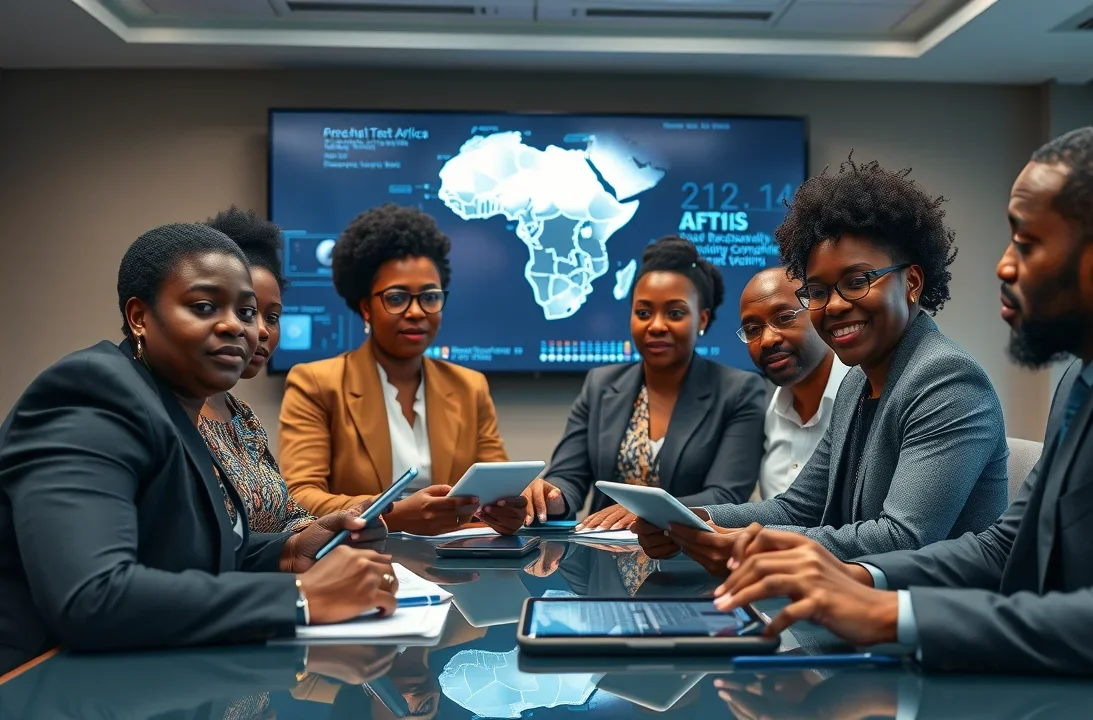
African business founders discussing AI strategy for future readiness around a conference table with technology overlays

Introduction: The Imperative for African Businesses and Founders to Adopt AI for Future Readiness

  • A scenario-based observation of Africa’s digital transformation

  • Defining the organisational shift: why 'future ai readiness' is vital for the African business landscape

  • Preview of key areas covered in this guide

Imagine walking into a vibrant Lagos boardroom in 2026: diverse professionals lean over digital whiteboards while AI-powered charts flicker with live data. The CEO, determined, discusses the company's next steps towards deploying AI solutions. This isn’t a distant dream, it’s Africa’s present, rapidly redefining what it means to be ready for the digital era. As technology evolves, so must the approach of every African business and business owner.

The concept of future AI readiness has become non-negotiable for those aiming to thrive in the continent’s fast-growing digital economy. No matter the industry, finance, agriculture, healthcare, or education, organisational adoption of AI is transforming business operations, enabling competitive advantage, and fostering innovation. This guide demystifies how African businesses and founders can tactically build towards future AI readiness, avoid common misconceptions, and win in a landscape where digital transformation is a strategic imperative.

Below, we preview the key areas you’ll explore, including actionable steps, sector trends, inspirational case studies, and how to surmount Africa’s unique digital challenges. Let’s dive into what the next evolution of African enterprise looks like in an AI-driven world.

What You'll Learn

  • Understanding how African businesses and founders approach and leverage AI adoption at the organisational level

  • Key steps for future AI readiness within African enterprises

  • Real-life examples of successful African business AI strategies

  • Barriers to AI in Africa, and methods for overcoming them

Defining AI Readiness for African Businesses: Key Concepts and Organisational Levels

African business owner using a digital tablet for AI readiness checklists in a high-tech workspace
  • Explanation: 'AI adoption' and 'future ai readiness' in African enterprises

  • How should African businesses and founders approach and leverage AI adoption at the organisational level for future ai readiness

  • Relevant keywords: african business, african businesses, ai solution, organisational transformation

AI readiness means much more than using software or embracing automation. For African businesses, it involves a holistic transformation at the organisational level. This includes strategically integrating AI solutions, from predictive analytics to intelligent automation, into the heart of business operations.

For founders and leaders, the question isn’t just “Should we adopt AI?” but “How should African businesses and founders approach and leverage AI adoption at the organisational level for future AI readiness?” The answer lies in a blend of visionary leadership, savvy investment in digital infrastructure, robust policies for data privacy and ethics, and cultivating a learning culture. These foundations help organisations pivot swiftly as technology advances, ensuring that AI integration is sustainable, secure, and supports measurable returns.

Organisational AI readiness is tiered: starting with assessing digital maturity, building strong internal buy-in, and weaving AI into business strategy and customer experience. When approached systematically, it allows African enterprises to leapfrog legacy hurdles and embrace new growth avenues, setting a benchmark for global competitiveness across Africa.

As African businesses progress on their AI journey, it's also worth considering how AI can streamline specific operational tasks, such as website creation and management. For those interested in practical applications, exploring how AI simplifies WordPress site creation can offer valuable insights into leveraging automation for everyday business needs.

What is the African AI Strategy?

Overview of Pan-African and Country-Specific Strategies for AI Readiness
Pan-African leaders discussing AI adoption strategies and digital frameworks
  • African Union initiatives and frameworks

  • Approaches of leading African countries: Kenya, Nigeria, South Africa

  • AI adoption at the organisational level in the context of national policy

The African AI strategy is evolving rapidly. The African Union’s AI policy frameworks encourage regional collaboration and ethical deployment, underscoring AI’s potential to fuel the continental digital economy. For individual nations, leaders like Kenya, Nigeria, and South Africa are setting the pace: each has introduced national policies incentivizing organisational AI adoption, supporting local tech ecosystems, and embedding compliance requirements for data privacy and digital inclusion.

For african businesses and founders, this national momentum means greater access to knowledge sharing, government-backed digital infrastructure programs, and regionally aligned AI solutions. Enterprises now recognize that aligning company AI initiatives with policy helps not just in scaling innovations, but also in ensuring responsible, compliant deployment. In fact, AI readiness at the organisational level is increasingly a strategic business goal—not just an IT upgrade—in an Africa where policy, ethics, and digital skill-building intersect.

AI Trends in African Businesses: A 2026 Perspective

Voice AI and Voice Agents: Transforming African Customer Support

  • Use cases for african business – call centres, customer support, business owner improvements

  • How african businesses leverage ai voice, voice agent, and ai solutions

One of the most transformative trends in African business is the rise of voice AI and voice agents. In a continent where diverse languages, accents, and communication styles intersect, voice-based interfaces are breaking barriers for customer support and internal operations alike. Across sectors, African enterprises are implementing AI voice solutions in call centres to automate FAQ responses, triage queries, and provide around-the-clock service.

A Kenyan bank, for instance, rolled out a multilingual AI voice agent in 2025, reducing support wait times and driving up customer satisfaction metrics. For the business owner, such solutions don’t just save costs; they also allow teams to focus on more complex, value-driven tasks. In retail, education, and even government, voice agents are being adopted to handle high-volume, repetitive requests—freeing up human capacity for strategic work and innovation.

Sector Highlights: Finance, Agriculture, Healthcare, and Education

African fintech customer support using AI voice agent tools in an open-plan office
  • Practical examples of successful ai adoption by african businesses

  • Case studies using ai solutions at the organisational level

AI adoption is no longer limited to tech giants—organisations in finance, agriculture, healthcare, and education are leading the charge across Africa. In the financial sector, Nigerian banks have implemented AI-powered fraud detection and tailored digital banking with ai solutions, reaching previously unbanked populations. Kenyan agritech ventures now use voice agents and drone-based decision engines to boost crop yields and resource allocation.

Healthcare providers in South Africa have adopted AI-driven diagnostic systems to supplement medical professionals in underserved areas, while educational startups from Accra to Cape Town leverage AI voice on mobile learning platforms. Each example shows how, by focusing on organisational transformation and strategic AI integration, African businesses secure tangible improvements—from streamlined operations to enhanced customer experiences.

How Can Leaders Boost AI Adoption in Their Organization?

Cultivating Organisational Culture and Vision for AI

  • Building leadership buy-in: the role of african founders and business owners

  • Promoting a data-driven and innovation-first culture

The heart of AI transformation beats strongest where there’s visionary leadership. For african businesses to thrive, founders and business owners must invest in a culture that regards digital tools not as threats, but as enablers. It starts with cultivating buy-in at the top: founders must articulate a clear, compelling vision for why future AI readiness matters, linking it with the company’s long-term mission and business objectives.

Promoting innovation requires fostering a “test and learn” mindset. Leadership teams should empower employees to experiment with AI pilots—rewarding creative use of AI solutions—and encourage upskilling. Only by building strong, data-driven habits across executives and frontline teams can organisations collectively shape an ecosystem where AI’s benefits reach every corner.

Effective Strategies for AI Rollout and Governance

  • Policies for responsible AI: data privacy, ethics, and compliance

  • Establishing organisational-level AI governance frameworks

African executives shaking hands over responsible AI rollout plan in a modern boardroom

For AI adoption to be impactful, it must also be responsible. African enterprises are increasingly aware of the need for clear governance frameworks, especially where sensitive data and automation are concerned. Establishing policies around data privacy, ethics, and transparent usage protects consumers and helps comply with evolving regulations across the continent.

Best practices involve creating cross-functional AI committees, integrating compliance into AI project lifecycles, and leveraging external audits to build trust. By embedding AI governance at every organisational level, african businesses can safely experiment with advanced ai solutions while avoiding technological or reputational pitfalls. These systems become engines for sustained, measurable return, not just short-term innovation buzz.

How Can Organisational Barriers to AI Adoption Be Overcome?

Identifying Barriers: Skills, Infrastructure, Investment, and Mindset

  • Challenges unique to african businesses and founders

  • How skilled talent, digital infrastructure, and organisational culture affect ai adoption

Adopting AI in Africa is not without challenges. Among the most cited barriers are lack of skilled talent, limited digital infrastructure, investment shortfalls, and shifting mindsets. Many african businesses report difficulty in attracting AI-literate professionals, while some regions must contend with spotty internet or unreliable power grids—foundational to seamless AI solution integration.

Additionally, old perceptions—such as AI being “too complex” or irrelevant to local problems—can inhibit experimentation. It’s vital for business owners to reframe AI as a practical toolkit, not just a futuristic concept. Internal cultures that favour risk avoidance over innovation may need structured change management and leadership modelling to bring every team member aboard in the digital journey.

Practical Solutions: Upskilling, Partnerships, and AI Solutions

African professionals participating in an AI upskilling workshop with motivation and interactive technology
  • Leveraging local and global partnerships for building AI capability

  • Fostering learning and development for future ai readiness

New solutions are breaking these barriers. Upskilling programs, spearheaded by African universities, NGOs, and international tech partners, are helping build local AI expertise. Initiatives like Microsoft’s Africa AI Lab and Google’s AI developer training offer accessible pathways for talent development, equipping African teams with hands-on AI and voice ai skills relevant to local contexts.

Partnerships—both local and global—play a pivotal role in accelerating digital transformation. Enterprises pair with technology providers for pilot launches, tap into regional AI hubs, or share best practices in cross-border digital forums. These approaches not only bridge skills gaps but also ensure that AI solutions are built to suit African realities—whether integrating voice agents for multilingual call centres or piloting AI-powered content creation in media enterprises.

How is AI Being Used in Africa?

Case Study List: African Businesses Excelling With AI Adoption

Kenyan agribusiness owner deploying AI-powered drone technology over productive maize fields
  • Digital banking with AI solution in Nigerian financial sector

  • Accra-based business owners automating customer support with voice ai

  • Agritech voice agent innovation in Kenyan agribusiness

Across Africa, a new generation of business owners is turning ambition into digital capability. Nigerian fintech startups leverage ai solutions to offer personalized banking services and instant fraud alerts, reaching rural populations via mobile platforms. In Accra, entrepreneurial ventures have deployed ai voice agents to fully automate customer support, handling thousands of daily queries in multiple local dialects and ensuring both consistency and scalability.

Meanwhile, Kenyan agritech firms are combining drone technology with AI-powered decision engines and voice agents. By integrating farm management systems, they help farmers optimize planting, fertilization, and irrigation while delivering tailored guidance through voice messages in local languages. These case studies show that with the right approach, even small and midsize African businesses can leap ahead, maximizing the measurable return of AI far beyond basic automation.

Tables Comparing African Businesses’ AI Readiness and Adoption

African Business Sector

AI Adoption Methods

Organisational Level Progress

Use of Voice AI & Voice Agents

AI Solutions in Action

Finance

Predictive analytics, fraud detection, digital banking, AI-driven customer support

Whole-organisation AI rollout, governance frameworks

Multilingual voice agents, AI voice self-service lines

24/7 banking, real-time fraud warnings, financial advisory bots

Agriculture

AI-powered drones, data-driven crop management, intelligent weather forecasting

Pilot projects with scale-up plans

Voice AI alerts for farming schedules

Remote crop monitoring, automated advisory updates

Healthcare

AI diagnostics, patient data analytics, predictive care pathways

Integrated solutions in major hospitals

Voice bots for appointment booking, patient triage

Faster diagnostics, reduced wait times, personalized care

Education

Adaptive learning platforms, AI-guided tutoring, automated grading

Cross-campus digital transformation

Voice agents for student support and enrollment

Personalized lessons, real-time feedback, widened access

Expert and Industry Quotes: Perspectives on African Business AI Adoption

"African businesses and founders who approach AI with a strategic organisational mindset are poised for exceptional growth as the continent digitizes."

"The future of Africa’s competitiveness lies in widespread AI readiness and visionary founder leadership."

Step-by-Step Guide for How Should African Businesses and Founders Approach and Leverage AI Adoption at the Organisational Level for Future AI Readiness

African leaders following a digital workflow roadmap for organizational AI transformation
  1. Assess your organisation’s digital maturity and readiness for AI solution integration

  2. Define strategic objectives: what does future AI readiness mean for your business owner or founder perspective?

  3. Invest in digital infrastructure and secure data practices

  4. Commit to workforce upskilling focused on AI, voice ai, and machine learning trends

  5. Pilot simple, scalable AI projects (e.g., AI voice agent customer support) before organisation-wide rollout

  6. Establish robust AI governance: policies for ethics, compliance, and transparency

  7. Regularly evaluate, update, and expand your AI adoption strategies

Key Considerations When Implementing AI for African Businesses

African founder evaluating challenges and opportunities when implementing AI solutions
  • Data availability and quality in the African context

  • Regulatory compliance and ethical AI

  • Mapping solutions such as voice agents and ai voice to unique local challenges

Not all AI solutions are created equal—so African business leaders must factor in data availability, regulatory frameworks, and local realities. Many regions struggle with data silos or quality gaps, making it essential to build strong partnerships for data sharing and invest in robust data collection systems. Compliance with data privacy laws and aligning with ethical standards ensures responsible innovation.

Choosing voice agents or AI voice solutions should be guided by the unique needs of the market—such as language accessibility, connectivity limitations, and integration with existing operational systems. Ultimately, mapping technology to local problems ensures that AI is a value-add rather than a misfit solution.

Lists of Tools and Resources for African Business AI Adoption

  • Top recommended AI solution providers for African businesses

  • Academic and NGO-led upskilling programmes for future AI readiness

  • African networks and forums dedicated to AI adoption at the organisational level

To accelerate progress, African business owners can tap into a fast-growing ecosystem of AI resources. Solution providers such as DataProphet, InstaDeep, and local startups offer scalable AI integration for finance, agritech, and education. Upskilling programs from African universities, Google AI, and Microsoft Africa Development Centre sharpen team capabilities for a digital future. There are now active innovation networks and forums across Africa—such as the AI Expo Africa and regional chambers of commerce—which provide support and peer learning for every step of the AI journey.

FAQs on How Should African Businesses and Founders Approach and Leverage AI Adoption at the Organisational Level for Future AI Readiness

African tech advisor guiding founders through AI solution selection in a coworking hub

What are the first steps an african business should take towards future ai readiness?

The first steps include assessing your digital maturity, aligning leadership on a clear AI vision, and mapping out small-scale, high-impact AI pilots—such as introducing AI-powered customer support or data analytics tools. It is essential to prioritise upskilling and set up governance structures early to ensure responsible and effective adoption.

What types of AI solution are most relevant for African founders at the organisational level?

AI solutions like voice agents, AI-powered analytics, and automation tools for business operations are particularly impactful for African founders. These address language diversity, can function with lower infrastructure demands, and empower businesses in sectors such as finance, agriculture, education, and healthcare with measurable operational gains.

How can african businesses measure the ROI of AI adoption?

ROI can be measured by tracking improvements in efficiency (e. g. , faster customer support resolution), cost savings (through automation), customer satisfaction, and revenue growth linked directly to AI-driven initiatives. It's also vital to monitor employee productivity and long-term strategic business outcomes to ensure sustained value.

What voice ai and voice agent tools are suitable for African markets?

There are AI voice and voice agent platforms tailored to African markets, supporting local dialects and offering cloud or hybrid deployments—such as Vula AI and SA-based Yoco Voice. These platforms enable businesses to scale customer support, automate repetitive tasks, and reach a wider customer base regardless of device or language.

Which sectors hold the most immediate promise for african businesses using AI?

Finance, agriculture, healthcare, and education are the most promising sectors given their scale and direct impact on societies. AI offers tailored solutions for these industries—from fraud detection in banking and crop forecasting in agriculture, to diagnostic AI in healthcare and adaptive learning in education.

Key Takeaways for How Should African Businesses and Founders Approach and Leverage AI Adoption at the Organisational Level for Future AI Readiness

  • AI adoption is a strategic imperative for African businesses and founders – focus on organisational readiness

  • Leverage voice ai, ai solutions and governance practices for the unique African landscape

  • Collaborate, upskill, and adapt for sustained future ai readiness

Summary: Strategic Paths for African Businesses to Excel with AI Adoption

  • In summary, how should African businesses and founders approach and leverage AI adoption at the organisational level for future AI readiness? The answer: by taking a visionary, collaborative, and systematic approach—aligning strategy, culture, data, and governance—for enduring digital competitiveness and success in an increasingly AI-powered world.

Why Strategic AI Implementation Matters – Read More

African business owner gazing towards AI strategic pathways for future readiness
  • Understand what’s next for Africa’s AI future readiness journey and why every business owner and founder must prioritise purposeful, strategic AI adoption.

To further understand why a strategic approach to AI matters, read our article on mastering AI-driven brand authority and content systems for African businesses.

As you continue to shape your organisation’s AI journey, remember that future readiness is about more than just technology—it’s about building systems that empower your team and streamline your operations. If you’re seeking practical ways to harness AI for everyday business growth, consider how automated tools can simplify complex processes, from content creation to website management. For a deeper dive into actionable AI solutions that can accelerate your digital transformation, explore our guide on how AI can simplify your WordPress site creation process and unlock new efficiencies for your business.

Watch our animated explainer: Journey of an African business founder implementing AI, highlighting digital assessments, team collaboration, upskilling, and deployment of AI solutions such as voice agents and AI analytics in finance, agriculture, and customer service across Africa.

To enhance your understanding of AI adoption strategies for African businesses, consider exploring the following resources:

  • “A Practical Guide to AI Adoption for African Businesses”: This guide offers a comprehensive framework for AI implementation, emphasizing the importance of aligning AI initiatives with specific business challenges and assessing data readiness. (isaackofimaafo.com)

  • “Why African SMEs Need AI: A Competitive Necessity, Not A Luxury”: This article discusses the critical role of AI in enhancing operational efficiency and competitiveness for small and medium-sized enterprises in Africa, highlighting practical applications and benefits. (techtrends.africa)

If you’re serious about leveraging AI for future readiness, these resources will provide valuable insights and actionable strategies tailored to the African business landscape.

THE AI STACK

0 Views

0 Comments

Write A Comment

*
*
Please complete the captcha to submit your comment.
Related Posts All Posts
07.17.2026

Unlock Top AI-Powered Marketing Strategies for African Women Entrepreneurs

Imagine a vibrant group of African women entrepreneurs collaborating in a sunlit co-working space, laptops open, ideas flowing, and digital screens glowing with data and opportunity. Across Africa, women entrepreneurs are harnessing artificial intelligence not just as a tool, but as the cornerstone for their rise in a fast-changing digital age. Today, we dive deep into the top AI-powered marketing strategies African women entrepreneurs should adopt. We’ll explore how these bold leaders are rewriting the playbook, overcoming barriers, and building businesses that set the pace across the continent and beyond. What You’ll Learn About Top AI-Powered Marketing Strategies African Women Entrepreneurs Should Adopt How AI strategies are revolutionizing African women entrepreneurship Key AI tools for content creation and business growth The significance of digital sovereignty for African women entrepreneurs Empathy mapping enhanced by AI for audience targeting Expert insights and inspiring case studies from African women entrepreneurs Emerging Opportunities: Why African Women Entrepreneurs Are Embracing AI Strategies Africa is experiencing a bold shift as african women entrepreneurs embrace AI strategies to propel their businesses into new realms of growth and influence. No longer bound by outdated infrastructure or limited access, women across the continent are adopting ai tools to automate content creation, personalize social media campaigns, and gather powerful insights via data analytics. This momentum has empowered African women not only to amplify their brands but also to shape the digital narrative on their own terms. By leveraging advanced artificial intelligence, these women entrepreneurs create online communities, reach global audiences, and develop highly targeted marketing efforts that set them apart in competitive markets. The journey is not without its challenges. Many business owners still face hurdles in accessing information and tools that are contextually relevant to Africa. However, as more African entrepreneurs adopt AI systems, the community grows stronger, sharing knowledge and inspiring one another. Their collective progress signals a future where african women lead in the innovation and expansion of digital platforms while seizing emerging economic opportunities. The spirit of collaboration and digital innovation now defines the landscape for african women entrepreneurs determined to succeed. Real-World Scenarios Showing Early Adopters Among African Women Across the continent, trailblazing african women entrepreneurs are setting the standard for others to follow. Consider the innovative fashion start-up in Lagos using an ai tool to predict trending designs or the Nairobi-based agritech founder leveraging AI-driven marketing platforms to connect with rural farmers. In South Africa, community-based health businesses are automating their service awareness campaigns with AI-powered chatbots, vastly improving their outreach and impact. These real scenarios highlight how adopting top-ai-powered-marketing-strategies-african-women-entrepreneurs-should-adopt can unlock rapid business growth and cement a strong online presence. “AI is not just a tool; it’s a game-changer for African women entrepreneurs determined to scale in a digital era.” Understanding AI Strategies: The Foundation for African Women Entrepreneurs To truly harness the top-ai-powered-marketing-strategies-african-women-entrepreneurs-should-adopt, women entrepreneurs need foundational understanding of AI strategies and how they apply to Africa’s unique context. The bedrock of digital success lies in demystifying how ai systems operate, identifying which approaches yield tangible results, and ensuring that every tool aligns with Africa’s dynamic business cultures. For african entrepreneurs, grasping these fundamentals means more than competitive advantage—it’s about unlocking agency, influence, and sustainable business growth. Just as important is recognizing how digital sovereignty impacts the implementation of AI. By building strategies that prioritize local relevance and data ownership, african women entrepreneurs can safeguard their digital future while fully benefitting from global AI advances. African businesses thrive when tech fits seamlessly with local values, consumer behaviors, and development goals, rather than relying just on imported solutions with limited contextual awareness. For those interested in how digital communities and platforms are evolving to support African women in business, it's worth noting that resources like She Evolves Africa are emerging as valuable hubs for connection, learning, and empowerment across the continent. AI Strategies Demystified for African Women and African Entrepreneurs For many african women entrepreneurs, the term “AI” once felt abstract or out of reach. Today, demystifying ai strategies is essential. AI isn’t about replacing human creativity—it's about amplifying it. With the right ai tools, digital marketing becomes a personalized, scalable, and data-driven process. For example, content creation platforms powered by artificial intelligence can draft social media posts, blog articles, and newsletters customized for local audiences in minutes. This empowers women in business to spend more time on visionary leadership rather than repetitive tasks. The magic lies in leveraging ai not just to automate, but to learn from every campaign. Smart analytics dashboards allow african women to determine which messages resonate most, how customers move through digital platforms, and how marketing strategies must pivot in real time. By harnessing AI’s pattern recognition and predictive powers, african entrepreneurs confidently make informed decisions and unlock new markets. Embracing Digital Sovereignty in African Women Entrepreneurship Digital sovereignty is more than a trend—it’s a transformative shift prioritizing control, privacy, and tailored strategies. As women entrepreneurs integrate AI systems into their businesses, maintaining ownership of data and independence from external platforms becomes paramount. Digital sovereignty empowers african women entrepreneurs to ensure their innovative work serves long-term interests and community needs. “True empowerment comes when African women entrepreneurs control both their data and their destiny.” By choosing AI tools that respect Africa’s digital boundaries and cultural realities, african entrepreneurs optimize for security, transparency, and full accountability. This approach allows business owners to build trusted brands—critical for creating partnerships and scaling across Africa. Ultimately, digital sovereignty guarantees that as african women entrepreneurs advance, their businesses retain the power to write their future and the stories of African innovation. How AI Tools Are Reshaping Business Growth for African Women Entrepreneurs The allure of ai tools goes beyond novelty—they equip women entrepreneurs with fresh pathways for business growth. From content creation to customer engagement, AI-powered platforms are now tailored for African business realities—integrating local languages, market insights, and consumer habits. These platforms help african women entrepreneurs automate time-consuming marketing tasks and focus on building meaningful relationships with their communities. By leveraging AI-driven analytics and communication systems, businesses can better understand customer needs and reactions, optimizing marketing efforts for maximum impact. Many African startups are now finding success through AI-powered e-commerce integrations, transforming how products are marketed and sold—all while maintaining the essence of African creativity and authenticity. Top AI Tools for Content Creation and Customer Engagement AI content creation platforms tailored for African women entrepreneurs AI-powered analytics for small business growth Tools for automating routine marketing tasks Not all ai tools are created equal, especially for african women entrepreneurs. Choose platforms that are intuitive, accessible, and support regional dialects or customer traditions. Consider integrating ai-powered content creation apps—these use natural language processing to generate compelling blog posts, social posts, or e-newsletters. Meanwhile, AI-driven business dashboards allow easy understanding of audience behaviors across channels, making it quicker to adapt your marketing approaches and maximize results for business growth. Comparing AI Tools for African Women Entrepreneurs: Use Cases and Benefits AI Tool Use Case Key Benefit Content Generation Platform Automates creation of blog, social posts, newsletters Saves time, customizes messaging to local culture AI-Powered Analytics Dashboard Tracks marketing effectiveness and audience engagement Faster insights, smarter decisions for business growth Automation Suite Handles repetitive marketing tasks (emails, scheduling, replies) Frees up women entrepreneurs for strategic leadership AI Empathy Mapping Tool Visualizes customer emotions and journeys Deeper personalisation, greater loyalty and conversion Leveraging AI for Empathy Maps and Personalized Marketing in Africa One remarkable ai strategy—and one that sets leading African women entrepreneurs apart—is empathy mapping powered by AI. Empathy maps are visual tools that help business owners understand customer emotions, behaviors, pain points, and desires. By using AI to analyze survey results, social media trends, and customer feedback, women entrepreneurs create multidimensional empathy maps tailored to their audiences. This deep understanding goes far beyond demographics—AI assists in decoding subtle cultural truths and regional preferences, which are crucial across Africa’s diverse markets. As women lead businesses, leveraging ai in empathy mapping allows for more responsive, emotionally resonant communication—creating marketing campaigns that not only convert but also foster loyalty and advocacy. Ultimately, business growth accelerates, and African entrepreneurs strengthen their bonds with customers by centering authentic experience and trust. Case Study: African Women Entrepreneurs Succeeding with AI Strategies Consider a startup in Ghana that tripled its customer engagement by using AI-driven empathy mapping to identify underserved segments. By tapping into insights about local festival preferences and social media behavior, this business owner personalized offers that resonated deeply within their market. In Kenya, a fintech led by African women founders built an automated customer support system—powered by AI—to serve clients in rural languages. The result was a dramatic jump in trust, satisfaction, and long-term retention. “Understanding our customers through AI-driven empathy maps changed how we connect and serve.” These real-life stories show how harnessing the top-ai-powered-marketing-strategies-african-women-entrepreneurs-should-adopt can make the difference between average and exceptional business growth. Every entrepreneur gains when African nuances, emotions, and priorities drive AI strategies tailored for their communities. Practical Steps: How African Women Entrepreneurs Can Implement Top AI-Powered Marketing Strategies Assess your marketing pain points as an African woman entrepreneur Select the right AI tools for your business needs Prioritize digital sovereignty while integrating new technologies Create AI-powered empathy maps for your African audience Monitor, analyse and iterate your AI marketing strategies For african women entrepreneurs ready to act, the journey begins by honestly assessing where your most time-consuming or costly marketing challenges are. Is content creation draining your team? Are you struggling to analyze audience behavior or personalize campaigns for different regions? Once you’ve identified these pain points, choose ai tools that genuinely suit your business’s scale and sector. Prioritize solutions that center on digital sovereignty, meaning your data remains local and your strategy independent. Use AI platforms to build empathy maps—tailoring offers, messaging, and services to the lived realities of your customers across the continent. The final step is iterative: monitor your KPIs using AI-powered dashboards, and don’t hesitate to adjust strategies as you gather new insights. Continuous learning and improvement are at the heart of success when leveraging ai for business growth in Africa. Don’t go it alone—tap into networks of other women entrepreneurs across the continent, share lessons, and build a community where both technology and tradition empower Africa’s future. People Also Ask: Top AI-Powered Marketing Strategies African Women Entrepreneurs Should Adopt What are the best AI strategies for African women entrepreneurs to grow their businesses? African women entrepreneurs should focus on AI tools that automate content creation, support digital sovereignty, and personalize marketing with empathy maps to foster business growth. The most effective ai strategies empower women entrepreneurs to maximize their impact while minimizing repetitive work. AI content creation platforms deliver consistent messaging, while empathy maps reveal deeper customer insights. By choosing ai tools that ensure data privacy and fit the African business context, entrepreneurs position themselves for sustainable growth in the digital era. How can AI improve content creation for African women entrepreneurs? AI streamlines content creation for African women entrepreneurs by generating audience-relevant copy, analyzing regional trends, and optimising distribution for greater visibility. AI transforms how women entrepreneurs produce content—using machine learning, these platforms adapt to regional language, trending topics, and customer preferences across Africa. The result is engaging blog posts, email newsletters, and dynamic social media campaigns without the need for constant manual effort. This efficiency means business owners can spend more time building relationships with customers and scaling their impact. Why is digital sovereignty important for women entrepreneurs in Africa using AI? Digital sovereignty enables African women entrepreneurs to maintain control of data, ensure localized strategy, and safeguard privacy while leveraging powerful AI tools in growing their business. The power to control and protect data rests at the heart of digital sovereignty. For women entrepreneurs across Africa, this means aligning AI strategies with local laws, culture, and traditions. By using ai systems built for African markets, business leaders avoid exposing sensitive information and instead create a foundation of trust. Ultimately, digital sovereignty assures that AI adoption supports—not undermines—an entrepreneur’s vision and values. Expert Insights: Thought Leaders on AI Strategies for African Women Entrepreneurs Africa’s most forward-thinking entrepreneurs and digital change-makers agree: the future belongs to those who embrace innovation without sacrificing authenticity or sovereignty. As ai strategies transform every market sector, African women entrepreneurs have the chance to lead industries, influence policy, and inspire global best practices. By creating supportive networks and investing in education around AI, communities empower every business owner to join Africa’s digital renaissance. “African women entrepreneurs have an opportunity to transform markets—AI is the accelerator they need.” The path ahead requires collaboration between governments, private sector champions, and tech educators to ensure equal access and unparalleled opportunity. With the right ai tools and mentorship, African women entrepreneurs are set to redefine success, both locally and on the world stage. Key Takeaways for African Women Entrepreneurs Embracing Top AI-Powered Marketing Strategies Top AI-powered marketing strategies enhance reach and efficiency Digital sovereignty is key for African entrepreneurs Empathy mapping can deeply personalize marketing initiatives Choosing localized AI tools aligns with African market realities FAQs About Top AI-Powered Marketing Strategies African Women Entrepreneurs Should Adopt Are AI marketing tools expensive for small African businesses? Many AI tools offer free plans or scaled pricing for small businesses. Always start with a demo or trial to assess value before committing. Look for solutions that are locally supported and designed for African entrepreneurs’ budgets. What is the first step to introduce AI in my business? Begin by identifying a single marketing task—like content creation or analytics—that needs improvement. Research and pilot an AI tool designed for your sector before expanding into broader digital strategies. Where can I learn more about AI for African women entrepreneurs? Explore digital communities, local entrepreneur networks, and reputable African tech blogs. Attend webinars and subscribe to newsletters like AI Signal Briefs crafted for African business leaders. How do I ensure my business data remains protected when using AI tools? Choose tools that comply with African data privacy regulations. Prioritize solutions offering transparent data policies, local hosting, and resources that educate users on securing their digital assets. Achieving Business Growth With Top AI-Powered Marketing Strategies for African Women Entrepreneurs Inspire, Innovate, and Lead: The Future of African Women Entrepreneurs With AI As AI technologies redefine what’s possible, african women entrepreneurs stand at the forefront—transforming challenges into opportunities and shaping Africa’s economic future with creativity and confidence. By mastering the most impactful top-ai-powered-marketing-strategies-african-women-entrepreneurs-should-adopt, these leaders prove that with the right tools and mindset, the digital age is Africa’s for the taking. If you’re inspired to deepen your journey and connect with a wider network of like-minded women, consider exploring platforms such as She Evolves Africa. These communities are designed to foster collaboration, share practical resources, and amplify the voices of African women entrepreneurs at every stage of their business growth. By engaging with such networks, you’ll gain access to fresh perspectives, mentorship opportunities, and the collective wisdom needed to navigate the evolving landscape of AI-powered marketing. Take the next step to expand your influence and unlock new possibilities for your entrepreneurial vision. Begin Your AI Journey: Discover the AI Signal Briefs Digital Newsletter Created For African Entrepreneurs and Brand Executives Discover the AI Signal Briefs Digital Newsletter Created For African Entrepreneurs and Brand Executives and start your journey toward digital leadership, informed innovation, and community-fueled growth. Sources sheevolves.africaainexusafrica.newsainewsafrica.comainewsafrica.com

© 2026 The Sovereign Momentum Architects Newsletter All Rights Reserved. 3207 West Main Street, Kalamazoo, MI 49006 . Contact Us . Terms of Service . Privacy Policy

eyJjb21wYW55IjoiVGhlIFNvdmVyZWlnbiBNb21lbnR1bSBBcmNoaXRlY3RzIE5ld3NsZXR0ZXIiLCJhZGRyZXNzIjoiMzIwNyBXZXN0IE1haW4gU3RyZWV0IiwiY2l0eSI6IkthbGFtYXpvbyIsInN0YXRlIjoiTUkiLCJ6aXAiOiI0OTAwNiIsImVtYWlsIjoiaGVsbG9AYWkuc292ZXJlaWdubW9tZW50dW0uY29tIiwidG9zIjoiUEhBK1BITjBjbTl1Wno0OFpXMCtWMmhsYmlCNWIzVWdjMmxuYmkxcGJpQjNhWFJvSUhWekxDQjViM1VnWVhKbElHZHBkbWx1WnladVluTndPeUI1YjNWeUlIQmxjbTFwYzNOcGIyNGdZVzVrSUdOdmJuTmxiblFnZEc4Z2MyVnVaQ0I1YjNVZ1pXMWhhV3dnWVc1a0wyOXlJRk5OVXlCMFpYaDBJRzFsYzNOaFoyVnpMaUJDZVNCamFHVmphMmx1WnlCMGFHVWdWR1Z5YlhNZ1lXNWtJRU52Ym1ScGRHbHZibk1nWW05NElHRnVaQ0JpZVNCemFXZHVhVzVuSUdsdUlIbHZkU0JoZFhSdmJXRjBhV05oYkd4NUlHTnZibVpwY20wZ2RHaGhkQ0I1YjNVZ1lXTmpaWEIwSUdGc2JDQjBaWEp0Y3lCcGJpQjBhR2x6SUdGbmNtVmxiV1Z1ZEM0OEwyVnRQand2YzNSeWIyNW5Qand2Y0Q0S0NqeHdQanhoSUdoeVpXWTlJbWgwZEhBNkx5OTNkM2N1WjI5dloyeGxMbU52YlNJK2FIUjBjRG92TDNkM2R5NW5iMjluYkdVdVkyOXRQQzloUGp3dmNENEtDanh3UGladVluTndPend2Y0Q0S0NqeHdQanh6ZEhKdmJtYytVMFZTVmtsRFJUd3ZjM1J5YjI1blBqd3ZjRDRLQ2p4d1BsZGxJSEJ5YjNacFpHVWdZU0J6WlhKMmFXTmxJSFJvWVhRZ1kzVnljbVZ1ZEd4NUlHRnNiRzkzY3lCNWIzVWdkRzhnY21WalpXbDJaU0J5WlhGMVpYTjBjeUJtYjNJZ1ptVmxaR0poWTJzc0lHTnZiWEJoYm5rZ2FXNW1iM0p0WVhScGIyNHNJSEJ5YjIxdmRHbHZibUZzSUdsdVptOXliV0YwYVc5dUxDQmpiMjF3WVc1NUlHRnNaWEowY3l3Z1kyOTFjRzl1Y3l3Z1pHbHpZMjkxYm5SeklHRnVaQ0J2ZEdobGNpQnViM1JwWm1sallYUnBiMjV6SUhSdklIbHZkWElnWlcxaGFXd2dZV1JrY21WemN5QmhibVF2YjNJZ1kyVnNiSFZzWVhJZ2NHaHZibVVnYjNJZ1pHVjJhV05sTGlCWmIzVWdkVzVrWlhKemRHRnVaQ0JoYm1RZ1lXZHlaV1VnZEdoaGRDQjBhR1VnVTJWeWRtbGpaU0JwY3lCd2NtOTJhV1JsWkNBbWNYVnZkRHRCVXkxSlV5WnhkVzkwT3lCaGJtUWdkR2hoZENCM1pTQmhjM04xYldVZ2JtOGdjbVZ6Y0c5dWMybGlhV3hwZEhrZ1ptOXlJSFJvWlNCMGFXMWxiR2x1WlhOekxDQmtaV3hsZEdsdmJpd2diV2x6TFdSbGJHbDJaWEo1SUc5eUlHWmhhV3gxY21VZ2RHOGdjM1J2Y21VZ1lXNTVJSFZ6WlhJZ1kyOXRiWFZ1YVdOaGRHbHZibk1nYjNJZ2NHVnljMjl1WVd4cGVtRjBhVzl1SUhObGRIUnBibWR6TGp3dmNENEtDanh3UGxsdmRTQmhjbVVnY21WemNHOXVjMmxpYkdVZ1ptOXlJRzlpZEdGcGJtbHVaeUJoWTJObGMzTWdkRzhnZEdobElGTmxjblpwWTJVZ1lXNWtJSFJvWVhRZ1lXTmpaWE56SUcxaGVTQnBiblp2YkhabElIUm9hWEprSUhCaGNuUjVJR1psWlhNZ0tITjFZMmdnWVhNZ1UwMVRJSFJsZUhRZ2JXVnpjMkZuWlhNc0lFbHVkR1Z5Ym1WMElITmxjblpwWTJVZ2NISnZkbWxrWlhJZ2IzSWdZMlZzYkhWc1lYSWdZV2x5ZEdsdFpTQmphR0Z5WjJWektTNGdXVzkxSUdGeVpTQnlaWE53YjI1emFXSnNaU0JtYjNJZ2RHaHZjMlVnWm1WbGN5d2dhVzVqYkhWa2FXNW5JSFJvYjNObElHWmxaWE1nWVhOemIyTnBZWFJsWkNCM2FYUm9JSFJvWlNCa2FYTndiR0Y1SUc5eUlHUmxiR2wyWlhKNUlHOW1JR1ZoWTJnZ1UwMVRJSFJsZUhRZ2JXVnpjMkZuWlNCelpXNTBJSFJ2SUhsdmRTQmllU0IxY3k0Z1NXNGdZV1JrYVhScGIyNHNJSGx2ZFNCdGRYTjBJSEJ5YjNacFpHVWdZVzVrSUdGeVpTQnlaWE53YjI1emFXSnNaU0JtYjNJZ1lXeHNJR1Z4ZFdsd2JXVnVkQ0J1WldObGMzTmhjbmtnZEc4Z1lXTmpaWE56SUhSb1pTQlRaWEoyYVdObElHRnVaQ0J5WldObGFYWmxJSFJvWlNCVFRWTWdkR1Y0ZENCdFpYTnpZV2RsY3k0Z1YyVWdaRzhnYm05MElHTm9ZWEpuWlNCaGJua2dabVZsY3lCbWIzSWdaR1ZzYVhabGNua2diMllnWlcxaGFXd2diM0lnVTAxVExpQlVhR2x6SUdseklHRWdabkpsWlNCelpYSjJhV05sSUhCeWIzWnBaR1ZrSUdKNUlIVnpMaUJJYjNkbGRtVnlMQ0J3YkdWaGMyVWdZMmhsWTJzZ2QybDBhQ0I1YjNWeUlHbHVkR1Z5Ym1WMElITmxjblpwWTJVZ2NISnZkbWxrWlhJZ1lXNWtJR05sYkd4MWJHRnlJR05oY25KcFpYSWdabTl5SUdGdWVTQmphR0Z5WjJWeklIUm9ZWFFnYldGNUlHbHVZM1Z5SUdGeklHRWdjbVZ6ZFd4MElHWnliMjBnY21WalpXbDJhVzVuSUdWdFlXbHNJR0Z1WkNCVFRWTWdkR1Y0ZENCdFpYTnpZV2RsY3lCMGFHRjBJSGRsSUdSbGJHbDJaWElnZFhCdmJpQjViM1Z5SUc5d2RDMXBiaUJoYm1RZ2NtVm5hWE4wY21GMGFXOXVJSGRwZEdnZ2IzVnlJR1Z0WVdsc0lHRnVaQ0JUVFZNZ2MyVnlkbWxqWlhNdUlGbHZkU0JqWVc0Z1kyRnVZMlZzSUdGMElHRnVlU0IwYVcxbExpQktkWE4wSUhSbGVIUWdKbkYxYjNRN1UxUlBVQ1p4ZFc5ME95QjBieVp1WW5Od096eG9hV2RvYkdsbmFIUWdZMnhoYzNNOUltTnZiWEJoYm5sVFRWTlFhRzl1WlZWd1pHRjBaU0krYm5Wc2JEd3ZhR2xuYUd4cFoyaDBQaTRnUVdaMFpYSWdlVzkxSUhObGJtUWdkR2hsSUZOTlV5QnRaWE56WVdkbElDWnhkVzkwTzFOVVQxQW1jWFZ2ZERzZ2RHOGdkWE1zSUhkbElIZHBiR3dnYzJWdVpDQjViM1VnWVc0Z1UwMVRJRzFsYzNOaFoyVWdkRzhnWTI5dVptbHliU0IwYUdGMElIbHZkU0JvWVhabElHSmxaVzRnZFc1emRXSnpZM0pwWW1Wa0xpQkJablJsY2lCMGFHbHpMQ0I1YjNVZ2QybHNiQ0J1YnlCc2IyNW5aWElnY21WalpXbDJaU0JUVFZNZ2JXVnpjMkZuWlhNZ1puSnZiU0IxY3k0OEwzQStDZ284Y0Q0OGMzUnliMjVuUGxsUFZWSWdVa1ZIU1ZOVVVrRlVTVTlPSUU5Q1RFbEhRVlJKVDA1VFBDOXpkSEp2Ym1jK1BDOXdQZ29LUEhBK1NXNGdZMjl1YzJsa1pYSmhkR2x2YmlCdlppQjViM1Z5SUhWelpTQnZaaUIwYUdVZ1UyVnlkbWxqWlN3Z2VXOTFJR0ZuY21WbElIUnZPand2Y0Q0S0NqeHZiRDRLQ1R4c2FUNXdjbTkyYVdSbElIUnlkV1VzSUdGalkzVnlZWFJsTENCamRYSnlaVzUwSUdGdVpDQmpiMjF3YkdWMFpTQnBibVp2Y20xaGRHbHZiaUJoWW05MWRDQjViM1Z5YzJWc1ppQmhjeUJ3Y205dGNIUmxaQ0JpZVNCMGFHVWdVMlZ5ZG1salpTWWpNems3Y3lCeVpXZHBjM1J5WVhScGIyNGdabTl5YlNBb2MzVmphQ0JwYm1admNtMWhkR2x2YmlCaVpXbHVaeUIwYUdVZ0puRjFiM1E3VW1WbmFYTjBjbUYwYVc5dUlFUmhkR0VtY1hWdmREc3BJR0Z1WkR3dmJHaytDZ2s4YkdrK2JXRnBiblJoYVc0Z1lXNWtJSEJ5YjIxd2RHeDVJSFZ3WkdGMFpTQjBhR1VnVW1WbmFYTjBjbUYwYVc5dUlFUmhkR0VnZEc4Z2EyVmxjQ0JwZENCMGNuVmxMQ0JoWTJOMWNtRjBaU3dnWTNWeWNtVnVkQ0JoYm1RZ1kyOXRjR3hsZEdVdUlFbG1JSGx2ZFNCd2NtOTJhV1JsSUdGdWVTQnBibVp2Y20xaGRHbHZiaUIwYUdGMElHbHpJSFZ1ZEhKMVpTd2dhVzVoWTJOMWNtRjBaU3dnYm05MElHTjFjbkpsYm5RZ2IzSWdhVzVqYjIxd2JHVjBaU3dnYjNJZ2QyVWdhR0YyWlNCeVpXRnpiMjVoWW14bElHZHliM1Z1WkhNZ2RHOGdjM1Z6Y0dWamRDQjBhR0YwSUhOMVkyZ2dhVzVtYjNKdFlYUnBiMjRnYVhNZ2RXNTBjblZsTENCcGJtRmpZM1Z5WVhSbExDQnViM1FnWTNWeWNtVnVkQ0J2Y2lCcGJtTnZiWEJzWlhSbExDQjNaU0JvWVhabElIUm9aU0J5YVdkb2RDQjBieUJ6ZFhOd1pXNWtJRzl5SUR4emRISnZibWMrUEhOd1lXNGdjM1I1YkdVOUltTnZiRzl5T2lOR1JqQXdNREE3SWo1MFpYSnRhVzVoZEdVZ2VXOTFjaUJoWTJOdmRXNTBMM0J5YjJacGJHVWdZVzVrSUhKbFpuVnpaU0JoYm5rZ1lXNWtJR0ZzYkNCamRYSnlaVzUwSUc5eUlHWjFkSFZ5WlNCMWMyVWdiMllnZEdobElGTmxjblpwWTJVZ0tHOXlJR0Z1ZVNCd2IzSjBhVzl1SUhSb1pYSmxiMllwTGp3dmMzQmhiajQ4TDNOMGNtOXVaejQ4TDJ4cFBnbzhMMjlzUGdvS1BIQStKbTVpYzNBN1BDOXdQZ284YUdsbmFHeHBaMmgwSUdOc1lYTnpQU0pqYjIxd1lXNTVUbUZ0WlZWd1pHRjBaU0krVkdobElGTnZkbVZ5WldsbmJpQk5iMjFsYm5SMWJTQkJjbU5vYVhSbFkzUnpJRTVsZDNOc1pYUjBaWEk4TDJocFoyaHNhV2RvZEQ0OFluSWdMejRLUEdocFoyaHNhV2RvZENCamJHRnpjejBpWTI5dGNHRnVlVUZrWkhKbGMzTlZjR1JoZEdVaVBqTXlNRGNnVjJWemRDQk5ZV2x1SUZOMGNtVmxkQ3dnUzJGc1lXMWhlbTl2TENCTlNTQTBPVEF3Tmp3dmFHbG5hR3hwWjJoMFBqeGljaUF2UGdvOGFHbG5hR3hwWjJoMElHTnNZWE56UFNKamIyMXdZVzU1VUdodmJtVlZjR1JoZEdVaVBqd3ZhR2xuYUd4cFoyaDBQanhpY2lBdlBnbzhhR2xuYUd4cFoyaDBJR05zWVhOelBTSmpiMjF3WVc1NVJXMWhhV3hWY0dSaGRHVWlQbWhsYkd4dlFHRnBMbk52ZG1WeVpXbG5ibTF2YldWdWRIVnRMbU52YlR3dmFHbG5hR3hwWjJoMFBnPT0iLCJwcml2YWN5IjoiUEhBK1BITjBjbTl1Wno1UVVrbFdRVU5aUEM5emRISnZibWMrUEM5d1Bnb0tQSEErUEhOMGNtOXVaejVVYUdVZ2FXNW1iM0p0WVhScGIyNGdjSEp2ZG1sa1pXUWdaSFZ5YVc1bklIUm9hWE1nY21WbmFYTjBjbUYwYVc5dUlHbHpJR3RsY0hRZ2NISnBkbUYwWlNCaGJtUWdZMjl1Wm1sa1pXNTBhV0ZzTENCaGJtUWdkMmxzYkNCdVpYWmxjaUJpWlNCa2FYTjBjbWxpZFhSbFpDd2dZMjl3YVdWa0xDQnpiMnhrTENCMGNtRmtaV1FnYjNJZ2NHOXpkR1ZrSUdsdUlHRnVlU0IzWVhrc0lITm9ZWEJsSUc5eUlHWnZjbTB1SUZSb2FYTWdhWE1nYjNWeUlHZDFZWEpoYm5SbFpTNDhMM04wY205dVp6NDhMM0ErQ2dvOGNENDhjM1J5YjI1blBrbE9SRVZOVGtsVVdUd3ZjM1J5YjI1blBqd3ZjRDRLQ2p4d1BqeGxiVDVaYjNVZ1lXZHlaV1VnZEc4Z2FXNWtaVzF1YVdaNUlHRnVaQ0JvYjJ4a0lIVnpMQ0JoYm1RZ2FYUnpJSE4xWW5OcFpHbGhjbWxsY3l3Z1lXWm1hV3hwWVhSbGN5d2diMlptYVdObGNuTXNJR0ZuWlc1MGN5d2dZMjh0WW5KaGJtUmxjbk1nYjNJZ2IzUm9aWElnY0dGeWRHNWxjbk1zSUdGdVpDQmxiWEJzYjNsbFpYTXNJR2hoY20xc1pYTnpJR1p5YjIwZ1lXNTVJR05zWVdsdElHOXlJR1JsYldGdVpDd2dhVzVqYkhWa2FXNW5JSEpsWVhOdmJtRmliR1VnWVhSMGIzSnVaWGx6SmlNek9Uc2dabVZsY3l3Z2JXRmtaU0JpZVNCaGJua2dkR2hwY21RZ2NHRnlkSGtnWkhWbElIUnZJRzl5SUdGeWFYTnBibWNnYjNWMElHOW1JRU52Ym5SbGJuUWdlVzkxSUhKbFkyVnBkbVVzSUhOMVltMXBkQ3dnY21Wd2JIa3NJSEJ2YzNRc0lIUnlZVzV6YldsMElHOXlJRzFoYTJVZ1lYWmhhV3hoWW14bElIUm9jbTkxWjJnZ2RHaGxJRk5sY25acFkyVXNJSGx2ZFhJZ2RYTmxJRzltSUhSb1pTQlRaWEoyYVdObExDQjViM1Z5SUdOdmJtNWxZM1JwYjI0Z2RHOGdkR2hsSUZObGNuWnBZMlVzSUhsdmRYSWdkbWx2YkdGMGFXOXVJRzltSUhSb1pTQlVUMU1zSUc5eUlIbHZkWElnZG1sdmJHRjBhVzl1SUc5bUlHRnVlU0J5YVdkb2RITWdiMllnWVc1dmRHaGxjaTQ4TDJWdFBqd3ZjRDRLQ2p4d1BqeHpkSEp2Ym1jK1JFbFRRMHhCU1UxRlVpQlBSaUJYUVZKU1FVNVVTVVZUUEM5emRISnZibWMrUEM5d1Bnb0tQSEErUEhOMGNtOXVaejVaVDFVZ1JWaFFVa1ZUVTB4WklGVk9SRVZTVTFSQlRrUWdRVTVFSUVGSFVrVkZJRlJJUVZRNlBDOXpkSEp2Ym1jK1BDOXdQZ29LUEc5c1Bnb0pQR3hwUGxsUFZWSWdWVk5GSUU5R0lGUklSU0JUUlZKV1NVTkZJRWxUSUVGVUlGbFBWVklnVTA5TVJTQlNTVk5MTGlCVVNFVWdVMFZTVmtsRFJTQkpVeUJRVWs5V1NVUkZSQ0JQVGlCQlRpQW1jWFZ2ZER0QlV5QkpVeVp4ZFc5ME95QkJUa1FnSm5GMWIzUTdRVk1nUVZaQlNVeEJRa3hGSm5GMWIzUTdJRUpCVTBsVExpQXNMaUJCVGtRZ1ZWTXNJRWxVSmlNek9UdFRJRU5WVTFSUFRVVlNVeXdnUlZoUVVrVlRVMHhaSUVSSlUwTk1RVWxOVXlCQlRFd2dWMEZTVWtGT1ZFbEZVeUJQUmlCQlRsa2dTMGxPUkN3Z1YwaEZWRWhGVWlCRldGQlNSVk5USUU5U0lFbE5VRXhKUlVRc0lFbE9RMHhWUkVsT1J5d2dRbFZVSUU1UFZDQk1TVTFKVkVWRUlGUlBJRlJJUlNCSlRWQk1TVVZFSUZkQlVsSkJUbFJKUlZNZ1QwWWdUVVZTUTBoQlRsUkJRa2xNU1ZSWkxDQkdTVlJPUlZOVElFWlBVaUJCSUZCQlVsUkpRMVZNUVZJZ1VGVlNVRTlUUlNCQlRrUWdUazlPTFVsT1JsSkpUa2RGVFVWT1ZDNDhMMnhwUGdvSlBHeHBQazFCUzBWVElFNVBJRmRCVWxKQlRsUlpJRlJJUVZRZ0tHa3BJRlJJUlNCVFJWSldTVU5GSUZkSlRFd2dUVVZGVkNCWlQxVlNJRkpGVVZWSlVrVk5SVTVVVXl3Z0tHbHBLU0JVU0VVZ1UwVlNWa2xEUlNCWFNVeE1JRUpGSUZWT1NVNVVSVkpTVlZCVVJVUXNJRlJKVFVWTVdTd2dVMFZEVlZKRkxDQlBVaUJGVWxKUFVpMUdVa1ZGTENBb2FXbHBLU0JVU0VVZ1VrVlRWVXhVVXlCVVNFRlVJRTFCV1NCQ1JTQlBRbFJCU1U1RlJDQkdVazlOSUZSSVJTQlZVMFVnVDBZZ1ZFaEZJRk5GVWxaSlEwVWdWMGxNVENCQ1JTQkJRME5WVWtGVVJTQlBVaUJTUlV4SlFVSk1SU3dnUVU1RUlDaHBkaWtnUVU1WklFVlNVazlTVXlCSlRpQlVTRVVnVTA5R1ZGZEJVa1VnVjBsTVRDQkNSU0JEVDFKU1JVTlVSVVF1UEM5c2FUNEtDVHhzYVQ1QlRsa2dUVUZVUlZKSlFVd2dSRTlYVGt4UFFVUkZSQ0JQVWlCUFZFaEZVbGRKVTBVZ1QwSlVRVWxPUlVRZ1ZFaFNUMVZIU0NCVVNFVWdWVk5GSUU5R0lGUklSU0JUUlZKV1NVTkZJRWxUSUVSUFRrVWdRVlFnV1U5VlVpQlBWMDRnUkVsVFExSkZWRWxQVGlCQlRrUWdVa2xUU3lCQlRrUWdWRWhCVkNCWlQxVWdWMGxNVENCQ1JTQlRUMHhGVEZrZ1VrVlRVRTlPVTBsQ1RFVWdSazlTSUVGT1dTQkVRVTFCUjBVZ1ZFOGdXVTlWVWlCRFQwMVFWVlJGVWlCVFdWTlVSVTBnVDFJZ1RFOVRVeUJQUmlCRVFWUkJJRlJJUVZRZ1VrVlRWVXhVVXlCR1VrOU5JRlJJUlNCRVQxZE9URTlCUkNCUFJpQkJUbGtnVTFWRFNDQk5RVlJGVWtsQlRDNDhMMnhwUGdvSlBHeHBQazVQSUVGRVZrbERSU0JQVWlCSlRrWlBVazFCVkVsUFRpd2dWMGhGVkVoRlVpQlBVa0ZNSUU5U0lGZFNTVlJVUlU0c0lFOUNWRUZKVGtWRUlFSlpJRmxQVlNCR1VrOU5JRTlTSUZSSVVrOVZSMGdnVDFJZ1JsSlBUU0JVU0VVZ1UwVlNWa2xEUlNCVFNFRk1UQ0JEVWtWQlZFVWdRVTVaSUZkQlVsSkJUbFJaSUU1UFZDQkZXRkJTUlZOVFRGa2dVMVJCVkVWRUlFbE9JRlJJUlNCVVQxTXVQQzlzYVQ0S1BDOXZiRDRLQ2p4d1BqeHpkSEp2Ym1jK1RFbE5TVlJCVkVsUFRpQlBSaUJNU1VGQ1NVeEpWRms4TDNOMGNtOXVaejQ4TDNBK0NnbzhjRDVaVDFVZ1JWaFFVa1ZUVTB4WklGVk9SRVZTVTFSQlRrUWdRVTVFSUVGSFVrVkZJRlJJUVZRZ1FVNUVJRk5JUVV4TUlFNVBWQ0JDUlNCTVNVRkNURVVnUms5U0lFRk9XU0JFU1ZKRlExUXNJRWxPUkVsU1JVTlVMQ0JKVGtOSlJFVk9WRUZNTENCVFVFVkRTVUZNTENCRFQwNVRSVkZWUlU1VVNVRk1JRTlTSUVWWVJVMVFURUZTV1NCRVFVMUJSMFZUTENCSlRrTk1WVVJKVGtjZ1FsVlVJRTVQVkNCTVNVMUpWRVZFSUZSUExDQkVRVTFCUjBWVElFWlBVaUJNVDFOVElFOUdJRkJTVDBaSlZGTXNJRWRQVDBSWFNVeE1MQ0JWVTBVc0lFUkJWRUVnVDFJZ1QxUklSVklnU1U1VVFVNUhTVUpNUlNCTVQxTlRSVk1nS0VWV1JVNGdTVVlnU0VGVElFSkZSVTRnUVVSV1NWTkZSQ0JQUmlCVVNFVWdVRTlUVTBsQ1NVeEpWRmtnVDBZZ1UxVkRTQ0JFUVUxQlIwVlRLU3dnVWtWVFZVeFVTVTVISUVaU1QwMDZQQzl3UGdvS1BHOXNQZ29KUEd4cFBsUklSU0JWVTBVZ1QxSWdWRWhGSUVsT1FVSkpURWxVV1NCVVR5QlZVMFVnVkVoRklGTkZVbFpKUTBVN1BDOXNhVDRLQ1R4c2FUNVVTRVVnUTA5VFZDQlBSaUJRVWs5RFZWSkZUVVZPVkNCUFJpQlRWVUpUVkVsVVZWUkZJRWRQVDBSVElFRk9SQ0JUUlZKV1NVTkZVeUJTUlZOVlRGUkpUa2NnUmxKUFRTQkJUbGtnUjA5UFJGTXNJRVJCVkVFc0lFbE9SazlTVFVGVVNVOU9JRTlTSUZORlVsWkpRMFZUSUZCVlVrTklRVk5GUkNCUFVpQlBRbFJCU1U1RlJDQlBVaUJOUlZOVFFVZEZVeUJTUlVORlNWWkZSQ0JQVWlCVVVrRk9VMEZEVkVsUFRsTWdSVTVVUlZKRlJDQkpUbFJQSUZSSVVrOVZSMGdnVDFJZ1JsSlBUU0JVU0VVZ1UwVlNWa2xEUlRzOEwyeHBQZ29KUEd4cFBsVk9RVlZVU0U5U1NWcEZSQ0JCUTBORlUxTWdWRThnVDFJZ1FVeFVSVkpCVkVsUFRpQlBSaUJaVDFWU0lGUlNRVTVUVFVsVFUwbFBUbE1nVDFJZ1JFRlVRVHM4TDJ4cFBnb0pQR3hwUGxOVVFWUkZUVVZPVkZNZ1QxSWdRMDlPUkZWRFZDQlBSaUJCVGxrZ1ZFaEpVa1FnVUVGU1ZGa2dUMDRnVkVoRklGTkZVbFpKUTBVN0lFOVNQQzlzYVQ0S0NUeHNhVDVCVGxrZ1QxUklSVklnVFVGVVZFVlNJRkpGVEVGVVNVNUhJRlJQSUZSSVJTQlRSVkpXU1VORkxqd3ZiR2srQ2p3dmIydytDZ284Y0Q0OGRUNUNlU0J5WldkcGMzUmxjbWx1WnlCaGJtUWdjM1ZpYzJOeWFXSnBibWNnZEc4Z2IzVnlJR1Z0WVdsc0lHRnVaQ0JUVFZNZ2MyVnlkbWxqWlN3Z1lua2diM0IwTFdsdUxDQnZibXhwYm1VZ2NtVm5hWE4wY21GMGFXOXVJRzl5SUdKNUlHWnBiR3hwYm1jZ2IzVjBJR0VnWTJGeVpDd2dKbkYxYjNRN2VXOTFJR0ZuY21WbElIUnZJSFJvWlhObElGUkZVazFUSUU5R0lGTkZVbFpKUTBVbWNYVnZkRHNnWVc1a0lIbHZkU0JoWTJ0dWIzZHNaV1JuWlNCaGJtUWdkVzVrWlhKemRHRnVaQ0IwYUdVZ1lXSnZkbVVnZEdWeWJYTWdiMllnYzJWeWRtbGpaU0J2ZFhSc2FXNWxaQ0JoYm1RZ1pHVjBZV2xzWldRZ1ptOXlJSGx2ZFNCMGIyUmhlUzQ4TDNVK1BDOXdQZ29LUEhBK0ptNWljM0E3UEM5d1BnbzhhR2xuYUd4cFoyaDBJR05zWVhOelBTSmpiMjF3WVc1NVRtRnRaVlZ3WkdGMFpTSStWR2hsSUZOdmRtVnlaV2xuYmlCTmIyMWxiblIxYlNCQmNtTm9hWFJsWTNSeklFNWxkM05zWlhSMFpYSThMMmhwWjJoc2FXZG9kRDQ4WW5JZ0x6NEtQR2hwWjJoc2FXZG9kQ0JqYkdGemN6MGlZMjl0Y0dGdWVVRmtaSEpsYzNOVmNHUmhkR1VpUGpNeU1EY2dWMlZ6ZENCTllXbHVJRk4wY21WbGRDd2dTMkZzWVcxaGVtOXZMQ0JOU1NBME9UQXdOand2YUdsbmFHeHBaMmgwUGp4aWNpQXZQZ284YUdsbmFHeHBaMmgwSUdOc1lYTnpQU0pqYjIxd1lXNTVVR2h2Ym1WVmNHUmhkR1VpUGp3dmFHbG5hR3hwWjJoMFBqeGljaUF2UGdvOGFHbG5hR3hwWjJoMElHTnNZWE56UFNKamIyMXdZVzU1UlcxaGFXeFZjR1JoZEdVaVBtaGxiR3h2UUdGcExuTnZkbVZ5WldsbmJtMXZiV1Z1ZEhWdExtTnZiVHd2YUdsbmFHeHBaMmgwUGc9PSJ9

Terms of Service

Privacy Policy

Core Modal Title

Sorry, no results found

You Might Find These Articles Interesting

T
Please Check Your Email
We Will Be Following Up Shortly
*
*
*