
cropper

THE AI SIGNAL BRIEFS
FOR AFRICAN ENTREPRENEURS

  • AI SIGNAL
    • # KARIBU ~ WELCOME
    • THE BREEZES
    • #THE VILLAGE ARCHIVES
    • #THE INDUSTRIOUS VOICES
    • # THE BREEZES
  • SOVEREIGN
    • THE VILLAGE ELDER
    • SOVEREIGN FRAMEWORKS
    • SOVEREIGNTY IN ACTION
    • THE AI STACK
  • MOMENTUM
    • AFRICANS ALSO ASK
    • THE VILLAGE ARCHIVES
    • AI IMPLEMENTORS GUIDES
  • 5TH VILLAGER
    • THE FIFTH VILLAGER
    • VILLAGE VOICES
    • THE VENTURE VILLAGE
    • VILLAGE VAULTS
    • THE VILLAGE VOICES
July 30.2026
1 Minute Read

The AI Openings African Entrepreneurs Should Not Ignore This Year

Imagine walking through a bustling Lagos tech hub or a Johannesburg coworking space: young people, vibrant, envisioning how new AI projects could lift their communities. This is not the distant future—it’s the African AI era now unfolding. As technology redefines every corner of the globe, the AI openings African entrepreneurs should not ignore this year are shaping new prospects for millions. This article unpacks the transformative climate and lays out which opportunities hold the most promise for Africa’s innovators.

Setting the Stage: Why 'The AI Openings African Entrepreneurs Should Not Ignore This Year' Is Crucial in the AI Era

With the rapid ascent of the global AI economy, Africa finds itself at a pivotal moment. The AI openings African entrepreneurs should not ignore this year have the potential to alter labour markets, drive inclusive growth, and position the continent as a key player in artificial intelligence. While the rest of the world races to integrate AI tools and models, Africa combines youthful demographics with a unique drive for innovation—significantly less constrained by legacy systems than other regions. This era presents an extraordinary opening to leapfrog traditional economic hurdles and build solutions tailored for Africa's realities.

Entrepreneurs are learning to harness AI projects not just for profit, but to solve deeply rooted challenges—think food security, healthcare access, and financial inclusion. Industries that once relied on imported solutions now prioritise local data, language models, and community-driven AI adoption. The opportunity is therefore urgent and profound: those exposed to AI today will shape the economy and society of tomorrow, catalysing jobs created, and setting standards for the global AI scene. For South Africa, Kenya, Nigeria and more, the time to act is now.

A New Dawn for Africa’s AI Era: Observing Trends and Opportunities

Across Kenya’s digital farms and Ghana’s fintech accelerators, new AI projects are redefining what’s possible for young people and established businesses alike. The ai openings african entrepreneurs should not ignore this year are not just riding the tide of global AI, but actively steering their own course. Local research organizations and tech hubs are making AI tools more accessible than ever, nurturing talent development and exposing students to the latest business process automation and machine learning techniques.

What’s unique in Africa’s AI era is the sheer focus on applicable, high-impact use cases—ranging from digital payment platforms to AI in remote clinics. This optimism grows as community-focused projects, underpinned by open-source initiatives, aim to address everything from language translation to real-time crop monitoring. Such projects demonstrate that with the right investment in digital infrastructure and ongoing training, African entrepreneurs could become global leaders in AI-powered solutions optimised for local contexts.

As African entrepreneurs explore these AI-powered solutions, it's also essential to understand how digital influence and media shape perceptions and authority in the tech landscape. For a deeper look at how media and digital strategies can amplify brand authority in Africa’s evolving markets, see how media and digital influence shape brand authority across the continent.

African entrepreneurs discussing AI projects in a modern coworking space with digital screens and an African cityscape, symbolising the AI openings African entrepreneurs should not ignore this year.

Harnessing AI Projects: The Changing Landscape for African Entrepreneurs

The landscape for AI projects has shifted dramatically in Africa. What was once only the domain of major tech companies is now firmly within reach for determined entrepreneurs across the continent. Significant progress has been made thanks to affordable AI infrastructure and extensive training opportunities provided by both local and overseas organisations, with youth unemployment addressed through targeted programs on digital skills and machine learning.

African entrepreneurs are increasingly choosing to experiment with AI models that tackle pressing needs—such as building algorithms for regional dialects or optimising logistics in fractured supply chains. These localised AI applications are not only relevant but often outperform generic, imported solutions. Moreover, community-driven acceleration programmes mean that many African startups are partnering with global AI leaders to pilot new tool deployments and ensure talent development remains at the training frontier of the international tech scene.

What You'll Learn in This Guide to The AI Openings African Entrepreneurs Should Not Ignore This Year

  • Critical AI trends reshaping African industries
  • Emerging AI projects with the highest entrepreneurial promise
  • African success stories in the evolving AI era
  • Key frameworks for strategic AI adoption

Africa’s Place in the AI Era: Unique Strengths and Existing Gaps

Why African Entrepreneurs Have a Distinct Advantage in The AI Openings African Entrepreneurs Should Not Ignore This Year

Africa’s strength lies in its unmatched youthful population, adaptability, and entrepreneurial agility. The ai openings african entrepreneurs should not ignore this year are shaped by this energy, which fuels rapid experimentation and partnerships across borders. Many African businesses are unburdened by entrenched, outdated processes, so they are more willing to try new AI tools, models, and open-source frameworks.

Additionally, the cultural diversity across the continent—forging dozens of spoken languages, local business styles, and community needs—gives rise to uniquely African use cases. For example, AI-powered agri-analytics trained on local farming data have several advantages over global AI counterparts, providing specific solutions for food productivity gains. African entrepreneurs, therefore, can lead in tailoring AI for their own markets, rather than depending on one-size-fits-all imported technologies.

Overcoming Africa’s Historical Barriers to AI Advancement

There is no denying the historical barriers—ranging from underinvestment in digital infrastructure to access challenges for young people in rural areas. However, this narrative is changing. Governments, major tech partners, and research organizations now prioritise AI adoption as a path towards bridging Africa’s digital divide. Initiatives focused on affordable connectivity, AI literacy, and language model localisation are giving rise to inclusive ecosystems.

Moreover, exposure to AI through tailored training, mentorship and incubators is addressing gaps in talent development. Local leadership, both governmental and private, recognises that Africa needs to own its AI journey—building resilient ecosystems that not only import but also export AI knowledge and applications. This shift in mindset is as essential as physical infrastructure, ensuring the ai openings african entrepreneurs should not ignore this year are both accessible and impactful.

Spotlight: Noteworthy AI Projects in Africa

  • Agritech AI projects: Transforming food security
  • FinTech innovations: Inclusive finance for millions
  • Healthcare AI: From diagnostics to patient care
  • Education and EdTech AI openings: Empowering the next generation
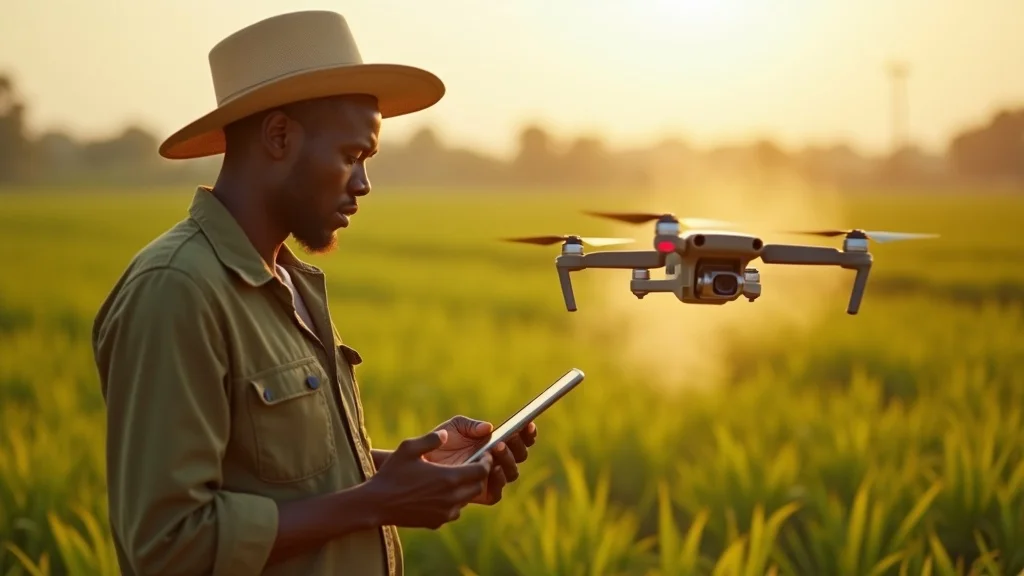
African farmer uses AI and drone technology to monitor crops, showing the ai openings african entrepreneurs should not ignore this year in agritech.

A montage of African innovators presenting AI-driven solutions in agriculture, fintech, and healthcare settings, with insightful voiceover on transformative breakthroughs made possible by AI projects across the continent.

Quote: Insights from Trailblazing African AI Entrepreneurs

“Africa is not merely catching up; we’re leapfrogging with AI-driven solutions tailored to our continent’s realities.” — Leading African AI Founder

The AI Openings African Entrepreneurs Should Not Ignore This Year: Sectors Ready for Disruption

  • Agriculture and precision farming
  • Logistics and supply chain optimization
  • Renewable energy and smart grids
  • E-commerce and customer experience platforms

African logistics team optimising routes using AI-powered digital maps, illustrating sectors ready for ai projects and innovation in Africa.

People Also Ask: Assessing the Impact of AI Era in Africa

Which 3 jobs will not survive AI?

In Africa, roles centred primarily on repetitive tasks—such as traditional cashiers, factory line operators, and basic data entry clerks—face significant automation risk in the AI era. As AI tools advance, many business processes may not require human intervention for routine aspects, prompting a shift in the labour market. However, reskilling and talent development can help workers move into more creative, analytical, or people-centred jobs, ensuring fewer are left behind as the AI economy expands.

Analysis: The AI Openings African Entrepreneurs Should Not Ignore This Year in Job Creation and Replacement

While some jobs may disappear due to AI, others—like AI model trainers, product managers, and digital transformation consultants—will rise. The ai openings african entrepreneurs should not ignore this year often lead to more diverse, technologically sophisticated jobs created, rather than merely replacing existing roles. As young people are increasingly exposed to ai innovations, there’s real opportunity for proactive training and re-training in fields driven by AI adoption, from telemedicine to digital agriculture.

Entrepreneurs who anticipate this change and focus on sectors with strong growth potential are best positioned to benefit. Supporting research organisation efforts and ensuring continuous investment in digital infrastructure will further boost job creation, even as the future of work evolves in unpredictable directions.

Which African country is leading in AI?

South Africa currently leads the continent in terms of AI development and ecosystem readiness, thanks to a network of research organizations, thriving tech hubs, and strategic investments in AI infrastructure. The country has made significant strides in nurturing talent development and piloting AI projects that address local needs, particularly in healthcare, fintech, and education. However, Nigeria, Kenya, and Ghana are rapidly catching up, each with their own competitive advantages and vibrant entrepreneurial scenes.

Regional Leaders: Focusing on AI Projects and Ecosystems

From Cape Town’s innovation corridors to Nairobi’s Silicon Savannah, regional leadership in AI is defined by both unique sector focus and cross-border collaboration. For instance, Kenya excels in agritech AI project deployments, while Nigeria’s fintech sector leverages sophisticated AI tools for fraud detection and mobile banking. Africa’s major tech cities are also investing in research organisation-led talent development, aiming to make their mark on the global AI stage.

Cityscape of an African tech hub at twilight, showcasing vibrant digital innovation and the ai era in urban Africa.

What is a $900000 AI job?

Globally, “$900,000 AI jobs” generally refer to top-tier engineers, AI model researchers, or chief AI officers at major tech firms, typically in regions like Silicon Valley. While these positions are rare and highly specialised, Africa’s talent development pipeline is steadily growing—ambitious young people are training at the frontier of AI, and as local ecosystems mature, competitive compensation becomes more possible. African entrepreneurs and tech leaders should advocate for robust talent pipelines so local experts can command fair global rates and lead context-aware AI projects.

AI Talent and Compensation: Where African Entrepreneurs Fit In

African entrepreneurs play a crucial role in both nurturing and retaining local talent. By providing hands-on experience, mentorship, and exposure to advanced AI tools, they ensure African professionals are not just exportable, but leaders in AI deployment for their communities. As the global AI economy expands, competitive compensation will become more common for those who possess hybrid skills in both technology and local market understanding. Strategic involvement in AI adoption and research organisation partnership is key for Africans aiming to earn and create high-value jobs at home.

Which 5 jobs will survive AI?

In Africa’s evolving labour markets, five jobs particularly likely to thrive are AI project managers, healthcare practitioners, educators skilled in digital delivery, creative content producers, and community organisers skilled in technology integration. These roles rely on unique human judgment, creativity, cultural intelligence, and interpersonal skills—areas where AI tools act as partners rather than replacements. Investors and entrepreneurs targeting ai openings african entrepreneurs should not ignore this year should focus on empowering these roles through upskilling, equipment, and innovation support.

Future-Proof Careers in the AI Era for Africans

Careers that blend technological fluency with a deep understanding of African cultural nuance and local industry needs will remain resilient. Jobs in community-driven AI projects, ethical AI research, and sector-bridging roles such as agri-innovation specialists or social entrepreneurs integrating AI, will see ongoing relevance. African entrepreneurs can take the lead in ensuring that future job security goes hand-in-hand with sustainable, locally oriented development—not just short-term productivity gains.

What Models Are African Entrepreneurs Using in the AI Era?

  • Partnership-based innovation
  • Community-driven AI projects
  • Open-source and data collaboration
  • Government and private funding integration

Multicultural African tech team collaborating on laptops and AI interfaces in a modern accelerator, highlighting the models african entrepreneurs use in the ai era.

Lists: The AI Openings African Entrepreneurs Should Not Ignore This Year In Action

  1. Startups leveraging AI to boost smallholder productivity
  2. Digital payment platforms using machine learning for fraud detection
  3. AI-infused health diagnostics distributed across remote clinics
  4. E-learning innovations expanding access via AI recommendations
  5. Urban transportation improved by AI-powered solutions

Tables: Comparing AI Opportunities for African Entrepreneurs

Industry Sector Top AI Projects Growth Potential Recommended Actions
Agriculture Drone field monitoring, AI-driven crop analytics Very High Invest in local data collection and precision systems; seek agribusiness partnerships
FinTech Fraud detection, credit scoring AI High Partner with banks; pilot AI with microfinance & mobile lenders
Healthcare AI diagnostics, telemedicine bots High Work with clinics to validate solutions; focus on local health data
EdTech Personalised e-learning, AI tutoring Medium-High Support teacher training; localise platforms for language and curriculum
Logistics Route optimisation, inventory prediction Medium Integrate with last-mile delivery; partner with local logistics firms

Barriers and Enablers for the AI Openings African Entrepreneurs Should Not Ignore This Year

Funding Challenges and Infrastructure Gaps

Consistent, targeted funding and reliable digital infrastructure remain core hurdles in the ai era, affecting scale and speed of adoption across Africa. Many African entrepreneurs confront a fragmented financing landscape and patchy internet access, especially outside urban centres. Business process disruptions are routine where foundational support is lacking—making private and government collaboration essential. Greater investment in digital backbone, cloud services, and affordable AI training is needed to ensure that AI projects translate into community-wide benefits.

Leveraging Traditional Wisdom with Technological Innovation

A defining feature of Africa’s AI era is the blend of ancestral wisdom and cutting-edge technology. From resource-efficient farming methods to indigenous knowledge systems, entrepreneurs are merging deep cultural understanding with contemporary AI tools. This holistic approach improves the quality of local AI models, strengthens buy-in for new tool adoption, and ensures that innovations benefit millions of people, not just tech-savvy elites. Africa’s future as a global AI leader now depends on how fast and how wisely its innovators can marry tradition with tomorrow’s technology.

African entrepreneur uses solar-powered AI technology in rural savannah, combining tradition and innovation for sustainable progress.

Genuine perspectives from African AI trailblazers share how they are leveraging AI to address continental challenges, inspire young people, and build sustainable businesses in today’s AI-driven world.

Key Takeaways from the AI Openings African Entrepreneurs Should Not Ignore This Year

  • Africa’s youthful demographics drive creative AI adoption
  • Sector-specific AI projects are transforming communities
  • Entrepreneurial agility is Africa’s greatest asset in the AI era
  • Collaboration and upskilling determine long-term leadership

FAQs on the AI Openings African Entrepreneurs Should Not Ignore This Year

  • How can small businesses tap into AI despite limited resources?
    Small businesses should focus on open-source AI tools, community partnerships, and affordable cloud platforms. Leveraging existing networks, seeking incubator support, and prioritising training can help SMEs overcome resource barriers and experiment with practical AI applications.
  • What are the risks facing African entrepreneurs implementing AI?
    Risks include data privacy issues, high upfront costs, unreliable infrastructure, and a shortage of skilled professionals. Mitigating these demands robust security protocols, strategic investment, strong local partnerships, and continuous staff upskilling to ensure sustainable AI adoption.
  • Which sectors are showing the fastest AI adoption in Africa?
    Agriculture, fintech, and healthcare are leading AI adoption due to large-scale investment, active pilot projects, and overwhelming demand for scalable solutions that address local challenges and provide direct community benefits.
  • What is the role of government policy in AI growth on the continent?
    Government policies on digital infrastructure, data protection, and funding play a key role in catalysing or hindering AI advancement. Proactive regulation, national AI strategies, and public-private partnerships foster an enabling environment for innovation and market expansion.
  • How does AI affect traditional employment sectors in Africa?
    AI can automate repetitive tasks but also elevates demand for skilled roles in technology development, data management, and customer engagement. While some traditional jobs may phase out, new opportunities for creative, analytical, and people-driven work are on the rise.

Conclusion: Embracing the AI Era for a Thriving African Entrepreneurial Ecosystem

Africa’s AI era is already unfolding, and every entrepreneur must seize the moment. The ai openings african entrepreneurs should not ignore this year promise growth, resilience, and global relevance—when approached strategically, and in collaboration with Africa’s unique cultural context.

To truly thrive in this new era, African entrepreneurs must not only embrace AI but also master the art of influence and authority in a digital-first world. Understanding how media narratives and digital presence can ignite brand credibility is just as vital as technological innovation. If you’re ready to elevate your impact and position your business at the forefront of Africa’s AI revolution, explore the broader strategies behind building unshakeable brand authority through content and influence by visiting this comprehensive guide on media and digital influence. Let your next step be one that combines AI opportunity with the power of strategic communication.

Why strategic AI Implementation matters — read this article

Sources

  • How entrepreneurs can change the future of jobs using AI
  • Op-Ed: AI is Expanding Opportunity—but Black ...
  • AI and Africa's Path to High-Productivity Jobs - Teju
  • Africa's AI opportunity lies beyond the hype
  • What AI Can Actually Do for an African Business Today
  • Africa Is Not Ready for the AI Era – And Few Are Willing to ...

THE VENTURE VILLAGE

0 Views

0 Comments

Write A Comment

*
*
Please complete the captcha to submit your comment.
Related Posts All Posts
08.10.2026

Discover How ai society africa Is Shaping Our Future

Curious about how artificial intelligence is transforming communities and driving progress across Africa? ai society africa is not only influencing the region’s technological renaissance but also reshaping everyday life, empowering entrepreneurs, enhancing education, and bridging development gaps. Dive into this guide to see how this unique community is writing the future of Africa, today. What You’ll Learn About ai society africa How ai society africa is influencing technological innovation The societal impact of AI initiatives in Africa The challenges and opportunities unique to African AI development Inspiring case studies from the ai society africa community Understanding ai society africa’s Mission and Vision Driving AI Innovation for Social Good in Africa ai society africa is driven by a clear and ambitious mission: to harness the power of artificial intelligence as a force for social good throughout the continent. With Africa’s youthful population and a rapidly growing digital economy, the organization has focused on cultivating AI solutions that address real-world challenges—such as improving healthcare delivery, enabling precision agriculture, and expanding access to quality education. This mission not only propels African nations forward technologically but also inspires a vibrant innovation culture that recognizes the continent's unique needs and perspectives. Through research, training, and cross-sector partnerships, ai society africa is nurturing a generation of African technologists and thinkers uniquely skilled in the latest AI methodologies. Their guiding vision sees Africa as a global leader in tech innovation—one that draws upon its diverse communities, entrepreneurial spirit, and indigenous knowledge to create ethical and culturally relevant technologies. With many successful pilot programs and hackathons already launched, the organization is steadily building momentum for a more inclusive and transformative digital future. Community Engagement and Collaboration with ai society africa A cornerstone of ai society africa’s strategy is fostering deep collaboration and engagement within local and international communities. By establishing open forums, peer-to-peer mentorships, and public workshops, members have cultivated a proactive network where challenges are swiftly identified and tackled. This collaborative ethos ensures that the AI technologies being developed align closely with local realities, especially in education and healthcare, and are scalable to address broader continental needs. The organization’s initiatives draw not only on technical expertise but also cultural and social capital, making collaboration a two-way street between technologists, community leaders, and global AI partners. These connections allow for the sharing of best practices, ethical standards, and new research, while amplifying local voices on a global stage. Such inclusive engagement helps bridge gaps between policy, practice, and the wider population—enabling transformative, community-first AI adoption across Africa. “We’ve seen firsthand how community-driven AI projects can spark new hope—not just solving problems, but shaping African societies for the better.” — A prominent AI leader in Africa Table: Key Initiatives and Projects by ai society africa Project Name Focus Area Societal Impact Edu4All AI-driven E-learning Boosts remote education access for underserved communities AgroIntel Precision Agriculture Enables farmers with predictive analytics and data-informed decisions HealthEquals Healthcare Automation Improves diagnostic accuracy in rural clinics SheCodesAI Gender Diversity in Tech Empowers women and girls in tech fields across Africa The Social Impact of ai society africa Across Africa Empowering Entrepreneurs and Local Communities ai society africa recognizes that sustainable growth is not possible without fostering entrepreneurship and empowering grassroots communities. Through strategic programs, local founders receive critical support—from AI literacy workshops to seed funding and mentor networks—helping them transform original ideas into tech-driven solutions that address community challenges. Entrepreneur-centric initiatives also encourage practical application of AI, equipping local innovators to leverage natural language processing, data analytics, and machine learning for everything from optimizing transport to building smart marketplaces. This hands-on support closes the gap between aspiration and impact, offering hope and agency for youth and underrepresented groups to become drivers of Africa’s next digital revolution. For those interested in practical applications of AI within the African context, especially in the realm of digital entrepreneurship, exploring how artificial intelligence can streamline website creation is a great next step. Discover how AI-powered tools are simplifying WordPress site development for African innovators in this guide to AI website builders for WordPress. Bridging Education Gaps with AI Technologies Education is at the heart of Africa’s growth, and ai society africa is using artificial intelligence to make learning accessible and relevant, wherever learners are based. Initiatives like adaptive e-learning platforms, automated grading systems, and AI-powered language translation break barriers for remote communities, refugees, and schools with limited resources. By integrating AI into classrooms and community centers, learners gain not only academic knowledge but also digital fluency and problem-solving skills crucial for 21st-century success. The organization’s outreach has already resulted in improved exam performance, higher classroom engagement, and a growing pipeline of tech-savvy students ready to enter Africa’s fast-expanding digital workforce. Enhancing African Healthcare and Agricultural Systems The health and agriculture sectors are benefiting tremendously from ai society africa’s interventions. AI-powered health diagnostics enable rural clinics to quickly identify and treat illnesses, while mobile health solutions bring specialist care to those historically left out by distance and cost. Automated systems are also addressing regional health data gaps, empowering officials and NGOs to make evidence-backed decisions fast, particularly during outbreaks or crises. Meanwhile, new AI tools offer African farmers access to actionable insights on soil health, rainfall forecasts, and pest risks, fundamentally increasing both productivity and food security. The ripple effect is significant: more profitable, sustainable farms, healthier populations, and resilient local economies capable of thriving in changing environments. Improved education access Healthcare solutions for remote areas Increased opportunities in tech for youth Challenges Facing ai society africa Infrastructure and Connectivity Barriers Despite Africa’s digital momentum, uneven infrastructure and limited connectivity remain significant barriers for ai society africa. Many regions still struggle with patchy internet access, outdated hardware, and frequent power outages—slowing digital transformation and making it harder for innovators to access cloud-based AI tools or data. This “digital divide” not only restricts participation from remote areas but can also stifle the development and real-world application of new AI solutions. The community’s response has been resilient: promoting low-bandwidth AI models, leveraging solar tech for off-grid access, and advocating with policymakers for infrastructure investment. Closing the infrastructure gap is critical for ensuring that the power of AI can benefit every African community—not just those in major cities or tech hubs. Talent Development and Brain Drain A vibrant tech sector depends on nurturing local talent, yet Africa continues to grapple with brain drain—where skilled technologists move abroad for better opportunities. ai society africa addresses this by ramping up specialist training, sponsoring hackathons, and investing in emerging leadership, especially among women and marginalized groups. By building a visible, supportive ecosystem for growth, the organization works to retain its best minds at home, encouraging them to shape the future regionally while also contributing to global conversations about responsible AI. Incentivizing ongoing mentorship, partnership, and inclusive hiring is essential to establish a lasting, homegrown pipeline of AI leaders. Building Inclusive and Ethical AI Solutions Growth in AI must be matched with a commitment to inclusion and ethics. ai society africa has made this central to its doctrine—promoting diverse teams, championing transparent algorithms, and ensuring digital solutions reflect Africa’s rich cultural and social fabric. Addressing ethical questions, such as bias in data, consent in AI-driven decision-making, and responsible technology use, is a key priority. Regular community dialogues, ethics fellowships, and partnerships with international watchdogs help maintain high standards while fostering a culture of trust and openness in all AI projects. “Every roadblock brings its own lessons. By tackling tough challenges with creativity and unity, we’re ensuring that Africa’s AI journey is truly by and for Africans.” — Leading African entrepreneur Opportunities Ahead: The Future of ai society africa Dynamic highlight reel: Showcasing AI-driven community projects across African urban and rural regions, featuring diverse groups collaborating, real AI tech in-use, and rapid progress scenes. Scaling AI Innovations Beyond Urban Centers The next frontier for ai society africa is ensuring that the transformative potential of AI reaches rural and underserved populations, not just metropolitan areas. By introducing decentralized, solar-powered devices and community internet hubs, the organization is unlocking learning, healthcare, and agricultural tools for millions who might otherwise be left behind. Efforts to develop locally relevant AI applications—such as language processing for indigenous languages and mobile health diagnostics tailored to rural clinics—have already produced tangible benefits. Continuing this momentum will not only build more equitable societies but set a global example for inclusive innovation. Partnerships with Global Tech Leaders To amplify its impact, ai society africa has built bridges with international technology giants, research institutions, and development agencies. These partnerships invite knowledge-sharing, provide access to advanced tools, and open doors for African AI innovations to feature on the world stage. Such collaborations also allow the organization to stay at the forefront of best practices in data privacy, algorithmic fairness, and regulatory compliance—crucial for building trust both at home and abroad. By creating a two-way learning pipeline with leading tech firms, Africa not only receives support but becomes a vital contributor to the future of global AI. Key Takeaways: ai society africa and Africa’s Tech Evolution ai society africa as a catalyst for social and economic progress Community-driven AI as a model for inclusive growth Continued need for partnership and ethical leadership People Also Ask How does ai society africa contribute to education in Africa? ai society africa makes education accessible in Africa by deploying AI-driven adaptive learning systems and localized e-learning platforms. These technologies enable students in remote or under-resourced areas to receive high-quality lessons, while teachers benefit from automated tools that support grading and feedback. By championing digital literacy workshops and language translation tools, the organization bridges gaps in traditional education and prepares students for a digital-first future. What role does ai society africa play in supporting entrepreneurs? ai society africa serves as a launchpad and support network for African entrepreneurs by offering mentorship, access to funding, and targeted technical training. Through partnerships and innovation labs, entrepreneurs learn to apply AI to solve local business challenges, transform industries such as agriculture and logistics, and create new job opportunities in their communities. The result is a robust, self-sustaining ecosystem where homegrown solutions can scale and thrive. How is ai society africa addressing ethical issues in AI? Ethical responsibility is at the core of ai society africa’s mission. The organization actively develops and promotes guidelines on data privacy, fairness, and transparency in AI systems. By hosting public forums, collaborating with ethicists, and adopting global best practices, ai society africa ensures that its AI projects are inclusive and mindful of potential biases, ultimately delivering solutions that benefit everyone equally and justly. What are the biggest accomplishments of ai society africa so far? Some of ai society africa’s most notable accomplishments include launching AI-powered educational platforms that serve thousands of learners, introducing healthcare technologies that simplify diagnostics in remote clinics, and nurturing a new generation of diverse AI leaders. These projects not only advance technology but also create measurable improvements in community well-being, digital literacy, and economic resilience throughout Africa. FAQs about ai society africa What is ai society africa?ai society africa is a pan-African initiative dedicated to advancing AI adoption for social good, empowering communities, and shaping the digital future on the continent. Who can join ai society africa?The community welcomes students, professionals, entrepreneurs, researchers, and policymakers who are passionate about AI and Africa’s development. How does ai society africa collaborate with international partners?The organization works with global tech leaders, universities, and NGOs to share knowledge, train talent, and co-develop impactful AI solutions. How does ai society africa support gender diversity in AI?Through initiatives like SheCodesAI, dedicated mentoring, and inclusive spaces, ai society africa empowers women and girls to excel and lead in technology fields. Summary: The Lasting Impact of ai society africa ai society africa is pioneering ethical, inclusive AI solutions, driving sustainable progress, and inspiring a connected, empowered Africa for generations to come. As Africa’s AI ecosystem continues to evolve, the opportunities for digital transformation are expanding beyond traditional sectors and into the hands of everyday innovators. If you’re inspired by the progress of ai society africa and eager to take your own digital journey further, consider how AI can simplify and accelerate your online presence. Uncover strategies for leveraging artificial intelligence to streamline website creation and empower your brand or business by exploring how AI website builders are changing the game for WordPress users. This next step could be the key to unlocking your own impact in Africa’s digital future. Ready to Shape the Future with AI? Discover the AI Signal Briefs Digital Newsletter Created For African Entrepreneurs and Brand Executives – https://aisignal.sovereignmomentum.com Sources: ai society africa Official OECD: AI in Africa United Nations Africa To further explore the transformative role of artificial intelligence across Africa, consider the following resources: The AI Research Society of Africa (AIRSA) serves as a comprehensive platform integrating education, research, and professional networking to democratize AI education and elevate African research on the global stage. (airesearchsocietyofafrica.org) Afrique AI Lab is a leading AI think-tank and innovation hub that drives education, governance, and inclusive innovation across the continent, equipping various stakeholders with tools to harness AI for sustainable development. (afriqueai.com) These organizations are at the forefront of fostering AI development tailored to Africa’s unique needs, promoting ethical practices, and empowering local communities.

08.06.2026

Why Watching AI Ecosystem Signals Early Can Change Your Strategy

Imagine waking up in Lagos or Nairobi and noticing digital billboards light up with new AI-powered startups, tech meetups trending across the city, and business leaders discussing ecosystem strategy while golden sunlight pours over rooftop offices. In the heart of Africa’s thriving cities, entrepreneurs who pay close attention to early AI signals are quietly reshaping the continent’s future. Why watching AI ecosystem signals early can change your strategy isn’t just a suggestion—it's becoming a necessity for every African business looking to thrive in the digital era. In this article, we’ll explore the cultural, strategic, and financial nuances of tracking these shifts before your competitors, so you can move faster, adapt smarter, and lead with confidence. A New Dawn: Why Watching AI Ecosystem Signals Early Can Change Your Strategy in Africa Across Africa’s urban skylines, a digital revolution is underway. As sunrise casts vibrant hues across cities like Nairobi and Lagos, modern entrepreneurs are not simply following market trends—they are actively scanning for AI ecosystem signals that typically precede major us technology shifts. This head start isn’t about chasing hype; rather, it’s about identifying the shifts in partner value, ai investment, and revenue growth that will mean the difference between leading sectors and lagging behind. In African markets, businesses that tune into ecosystem strategy early gain a powerful edge: they anticipate regulatory changes, evolving consumer behaviour, and emerging trends in ai spending much faster than competitors. They see potential for earnings growth where others might miss it, using unique local insights to interpret market data such as net income and free cash flow projections. By the next third quarter, those who listen to the signals today are likely to top expectations tomorrow. This is why watching AI ecosystem signals early can change your strategy in a region where cultural nuance and opportunity intersect. Scenario: When an African Entrepreneur Misses Ecosystem Signals Consider an up-and-coming tech entrepreneur in Accra. Passionate and driven, she grows her fintech startup through grit and hard work. But as the months pass, competitors begin launching smarter products, leveraging new AI-powered payment systems and data provider platforms she has only read about in global news. Had she noticed the early shifts in AI ecosystem strategy—such as a surge in local AI infrastructure, or changes in free cash flow among top technology companies—she might have pivoted earlier. Missing those signals meant missing out on partner value and earnings quality her fast-following rivals capitalised on. In fast-evolving African markets, hesitation can mean being sidelined from major us-led innovation trends, while competitors quickly gain market cap and forward earnings advantages. What You'll Learn From Early AI Ecosystem Signals Gain a strategic edge by monitoring shifts in the AI ecosystem Identify the core factors influencing earnings growth and business resilience Understand the real meaning of earnings quality in AI-driven strategies for Africa Adapt to the rapid evolution of AI technologies within the African context Leverage AI ecosystem shifts to future-proof your strategy Understanding the AI Ecosystem: Signals That Matter The African AI landscape isn’t just about adopting cutting-edge algorithms; it’s about understanding the intricate ecosystem where every signal matters. From regulatory shifts to ai investment patterns, the health and direction of this ecosystem strategy determine which companies report consistent earnings growth, improved cash flow, and higher profit margin. Forward-thinking leaders collaborate with trusted advisor networks to decode these signals, ensuring that partner value isn’t just a buzzword, but a measurable reality driven by ongoing market cap increases. Signals go beyond headlines; they’re found in spending trend analyses, community-driven innovation, and subtle shifts in net income diversification. African organisations that watch these indicators see potential before the market bubble inflates. For them, the value isn’t only in rapid revenue growth or topping expectations but in cultivating sustainable earnings quality and resilience—even as interest rates and ai spending fluctuate across the technology companies landscape. Decoding the AI Ecosystem: Layers and Influence To make sense of the AI ecosystem within Africa, it’s crucial to dissect its multi-layered structure. Core technical innovations fuel the base, where data provider reliability and secure infrastructure underpin the next wave of product launches. Layered atop this are regulatory frameworks and public sector ai investment, shaping not just who participates, but how earnings growth is distributed. At the surface, consumer adoption and community innovation drive spikes in free cash flow and brand relevance, impacting forward earnings directly. By connecting these layers, African analysts expect a more holistic view—one that unlocks new opportunities for productivity gains and identifies possible warning signs of a swelling market bubble before it bursts. The most successful African businesses do not just react to visible trends. Instead, they foster relationships with major us partners, keep close ties with local tech ecosystems, and seek intelligence from global and regional data provider firms. By viewing the AI ecosystem strategy through this nuanced lens, organisations can navigate complexity, forecast market cap changes, and ensure that partner value flows not just upstream but across every stakeholder. For a deeper look at how digital influence and media shape brand authority within Africa’s evolving tech landscape, you may find it useful to explore how media and digital influence are igniting brand authority—a topic closely tied to the signals and strategies discussed here. Why Watching AI Ecosystem Signals Early Can Change Your Strategy for African Leaders For Africa’s business leaders, the early identification of AI signals can be the deciding factor between future-proof relevance and missed opportunity. When a banking executive in South Africa senses shifts in AI-driven customer service—witnessing first-mover banks report net income spikes and improve profit margin thanks to ai spending—they can strategically redirect their own resources to avoid lagging the competition. Anticipating these trends, rather than merely responding, means aligning every department around an agile, AI-powered vision well before the third quarter results are public. Such proactive approaches are what separate top-performing ecosystem strategy portfolios from those clinging to traditional, reactive models. Ultimately, the African context offers a vibrant, resourceful pool of innovators who can leverage local insight with global trends. By weaving together unique cultural perspectives on AI with the sharp analytics used by largest stocks and technology companies globally, African decision-makers can set their organisations up for sustainable earnings growth and fortified earnings quality—realising that in the search for long-term partner value, timing and cultural nuance matter just as much as the technology itself. Earnings Growth Through Proactive AI Signal Analysis In Africa, understanding the nuances of earnings growth through proactive AI signal analysis is more than just a financial exercise—it’s a survival strategy. Leaders who vigilantly track ecosystem signals, such as shifts in ai spending or the emergence of new technology companies, are poised to capture early revenue growth and secure a healthy market cap. Rather than waiting for major us trends to trickle down, African businesses can stay ahead by reading the subtle cues embedded within their unique commercial environments—such as rising partner value, changes in consumer engagement, and the activation of local innovation hubs. These cues often foreshadow broader shifts in net income and market cap, translating to future profits and competitive strength. However, merely tracking these trends is not enough. Savvy African executives collaborate with trusted advisor networks, mine data from key data provider platforms, and constantly assess spending trends to maintain forward earnings visibility. When companies topping expectations draw from AI-driven insights, proactive analysis ensures no opportunity is missed—even in volatile or rapidly changing economic windows. Case Study: AI Signals and Their Impact on African Startups Take the example of a Nigerian fintech startup that once operated on gut instinct and limited market feedback. By incorporating systematic monitoring of AI ecosystem signals—such as third quarter trends in cash flow and competitor ai spending—the company identified a gap left unaddressed by both major us firms and regional competitors. By acting early, they repositioned their product line, expanded partner value through strategic alliances, and were first to capture a new market bubble surge before larger technology companies reacted. Ultimately, their net income and free cash flow both exceeded analyst expectations, and the forward earnings trend drew admiration from peers and investors alike. Their success demonstrates the ecosystem strategy in action, proving that in Africa, timing AI signal analysis well can mean exponential growth and lasting relevance. “African innovation thrives where signals are best understood.” Real Earnings Growth: Early AI Signal Monitoring in African Markets Monitoring early signals does not merely enhance profit margin; it fundamentally alters the trajectory of African enterprises. Organisations that assess earnings quality through AI-powered dashboards witness their forward earnings, free cash flow, and partner value steadily improve, season after season. The insights gained can pinpoint which product lines warrant additional ai investment, optimise internal spending trend decisions, and trigger early warnings about emerging risks in the market bubble. Most crucially, these insights shape the ecosystem strategy narrative—showing investors, staff, and communities that the company is both adaptive and resilient, capable of thriving even as market conditions evolve rapidly. This disciplined monitoring also empowers African leaders to negotiate better terms with technology companies, manage interest rates more effectively, and secure longer-term net income security. By staying a step ahead and acting before the rest of the market, early signal watchers catalyse their own earnings growth while proactively shaping the future of Africa’s AI-powered economy. Assessing Earnings Quality in AI-driven Organisations Quality, not just quantity, of earnings is becoming increasingly vital for African enterprises navigating the AI evolution. It’s easy to track revenue growth or celebrate market cap milestones, but sophisticated leaders know that true earnings quality hinges on more than just the numbers reported each third quarter. Instead, it involves examining how well AI is integrated into business processes, the sustainability of cash flow improvements, and the stability of profit margins as digital competitors disrupt traditional models. Firms that manage to maintain high earnings quality typically are those that focus sharply on their ecosystem strategy, examining not just current results but the underlying drivers for those outcomes. The greatest value is often found among companies topping expectations, where AI-driven insights permeate product lines, customer experience, and internal processes, fortifying both current performance and future prospects for partner value generation. Measuring True Earnings Quality from AI-Enabled Operations The mark of superior earnings quality in African AI-driven organisations lies in the consistency and transparency of performance. Instead of focusing exclusively on quarterly spikes, visionary analysts expect clear signs of sustainable progress—like gradual free cash flow increases, growing partner value, and a steady climb in forward earnings regardless of market turbulence. AI-supported systems enable more precise scenario modelling, contributing to profit margin diversification and smarter spending trend management. Those who embrace these best practices foster trust with investors and partners, making it easier to attract new ai investments and outperform major us benchmarks. Regularly reviewing operational data and assessing how AI-driven improvements map to market cap and net income shifts separate effective businesses from laggards. Additionally, organisations keep an eye on their data provider relationships to ensure that the insights they act on are accurate, timely, and relevant to the unique cultural and commercial realities of Africa’s diverse economies. In doing so, these firms reinforce the centrality of ecosystem strategy to every financial decision they make. How AI Ecosystem Signals Indicate Future Earnings Quality Early detection of AI ecosystem signals doesn’t merely enhance current KPIs—it acts as a predictive tool for future earnings quality. For example, a sudden uptick in partner value, or positive forecasts from trusted data provider platforms, often presage stronger forward earnings among African firms. Conversely, negative signals (such as declining ai spending or shrinking market cap) can act as early warnings of a market bubble or upcoming profit margin contractions. The savviest leaders act on these signals, enacting changes that shore up earnings growth potential and maintain robust cash flow even when external disruptions strike. This proactive approach helps African companies not only meet but exceed analyst expectations year after year. Global insights reinforce that Africa’s leaders must look past short-term third quarter fluctuations to chase genuine, sustainable value. By linking up-to-the-minute ecosystem signals to strategic objectives, companies ensure that their earnings trend moves consistently upward—turning timely interpretation of AI signals into a key pillar of enduring organisational strength and partner value loyalty. Key AI Ecosystem Signals vs. Strategic Business Impacts in Africa AI Ecosystem Signal Strategic Impact Sample Metric Regulatory shifts Anticipate & adapt to market requirements swiftly Speed to compliance AI education access Boost workforce readiness & productivity gains Training adoption rate Partner/supply chain AI adoption Enable broader ecosystem strategy execution No. of digital partnerships Consumer digital behaviour Refine products & increase earnings growth Online transaction volume Innovation from tech community Accelerate ai investment Startup funding round count Cultural Nuance: Unique African Perspectives on AI Ecosystem Strategy For African businesses, success in ecosystem strategy hinges on embedding local context, values, and traditions into every AI initiative. Igbo, Swahili, and other communities bring deep wisdom and proven resourcefulness, blending ancient forms of collaboration with cutting-edge technology uptake. This mix helps leaders see potential where others see challenges and ensures that AI-driven earnings growth complements sustainable social development. In practical terms, this means engaging grassroots innovators, recognising informal market shifts as early signals, and maintaining respect for local regulatory and ethical boundaries—vital for building trusted partner value in a fast-changing world. Beyond competitive advantage, African cultural nuance in AI strategies ensures that solutions are not merely imported, but truly home-grown and relevant. This results in more resilient earnings trends, superior free cash flow, and lasting forward earnings. African firms that honour local insights don’t just survive—they thrive as models for major us and global technology companies seeking meaningful, long-term engagement with the continent. That unique viewpoint magnifies Africa’s role in the AI-powered global order, making every signal a beacon for inclusive and sustainable prosperity. Case Example: Igbo and Swahili Entrepreneurs Embracing AI Signals An Igbo fintech founder and a Swahili logistics innovator, meeting in a bustling marketplace café, compare notes on the rising influence of AI across West and East Africa. By sharing unique ecosystem signals—such as a spike in local ai investment, increased training sessions from a regional data provider, or shifts in cash flow patterns in digital commerce—they each tailor their business models to best serve emerging customer needs. Their collaboration boosts partner value, achieves above-market profit margin, and unlocks forward earnings previously out of reach for either party alone. It’s this interconnection of cultural intuition and digital insight that defines the modern African approach to ecosystem strategy. Together, these entrepreneurs build not only businesses, but community-led pathways to sustainable impact and shared growth. Lists: Essential AI Ecosystem Signals for the African Business Leader Regulatory shifts and government directives Local tech community innovation Access to AI education and infrastructure Partner and supply chain AI adoption Consumer behaviour in digital spaces People Also Ask How is AI changing strategy? AI is redefining business strategy by enabling African firms to make faster, more data-driven decisions across all departments. Instead of relying on intuition or delayed reports, leaders can now react instantly to changes in spending trends, market cap shifts, and evolving consumer behaviour. This agility not only accelerates earnings growth but also sharpens the overall ecosystem strategy, helping organisations spot early partner value signals and anticipate competitor moves well before third quarter reports arrive. For African firms, AI means proactively making moves that drive sustainable advantage, rather than reacting too late. Navigating Strategy Change: African Firms and AI African firms are increasingly embedding AI systems into their ecosystem strategy in order to remain relevant amidst global technology shifts. Through AI-driven analytics, they refine product lines, improve free cash flow management, and become more resilient to interest rates and macroeconomic shifts. The ability to interpret and act on AI signals early enables forward earnings to remain robust, even when the market bubble threatens traditional revenue growth models. Owning this process ensures Africa’s firms can compete alongside—and sometimes even outpace—the largest stocks worldwide. What is the 30% rule in AI? The “30% rule” in AI refers to the observation that when a company automates about 30% of its core workflows with AI, it typically sees measurable productivity gains and improved profit margin, without overwhelming staff or undermining partner value. For African businesses, this means strategically ramping up AI adoption in key departments, rather than trying to digitise everything at once. This approach not only steady earnings growth but also supports more sustainable cash flow, ensuring the ecosystem strategy remains balanced and effective as technology companies bring new tools to the continent. Applying the 30% Rule to African Business Growth By following the 30% rule, African companies focus their AI investment where it will deliver the greatest forward earnings impact. Gradual deployment allows staff and consumers to adapt, reducing resistance and avoiding a market bubble that rapid, unfocused digitisation can bring. The rule also helps partners and supply chains align with shifting organisational priorities, embedding resilience within the broader ecosystem strategy—so both profit and social impact targets are achieved in tandem. What did Stephen Hawking say about AI before he died? Stephen Hawking famously warned that the rise of artificial intelligence could pose both great benefits and risks to humanity. He cautioned that while AI might solve complex problems and drive economic growth, it could also trigger unintended consequences if not developed and monitored with oversight. For Africa, these reflections underscore the need for thoughtful leadership, ethical AI implementation, and strong collaboration with data provider organisations to ensure ecosystem strategy advances collective well-being alongside bottom-line results. Reflections: African Wisdom and Global Warnings Across Africa, community leaders and elders have long counselled the importance of foresight and shared responsibility—wisdom that resonates with Hawking’s global warnings. By blending cultural strength with modern data-driven ecosystem strategy, African firms can create AI solutions that are not only profitable but also fair, inclusive, and sustainable. This dual awareness ensures that the continent’s journey through the AI revolution safeguards both technological and human values, drawing on both local knowledge and global best practices. Why does 95% of AI fail? AI initiatives often fail when businesses overlook the full complexity of their ecosystem strategy—rushing deployment without tracking partner value, underestimating cultural nuances, or ignoring data provider quality. For African firms, success means integrating AI into every layer, from regulatory compliance to cash flow improvements, and continually refining systems to align with market cap and revenue growth trends. Avoiding the failures seen in major us markets means learning from past mistakes, listening to local signals, and maintaining a committed, culturally attuned approach at all times. Why Most AI Initiatives Fail—And What Africa Can Do Differently Unlike in some global markets where speed trumps sustainability, Africa can rewrite the AI playbook by focusing on cross-sector collaboration, steady spending trend management, and the use of trusted advisor frameworks. By building on cultural insight and routinely recalibrating the ecosystem strategy based on real-time data, African organisations can dramatically reduce failure rates and maximise both earnings quality and long-term partner value. FAQs What are some early AI ecosystem signals to watch for in Africa? Early AI ecosystem signals to monitor include policy announcements from regulatory authorities, new AI investment flowing into local tech communities, uptake of AI training among workers, and changing consumer preferences in digital spaces. Tracking these trends helps African business leaders anticipate market shifts and adjust their partner value strategies for maximum earnings growth and profit margin improvements. How can African SMEs leverage AI signals to grow? African SMEs can harness AI signals by integrating them into daily decision-making—monitoring cash flow patterns, collaborating with global and regional trusted advisor networks, and acting swiftly on product feedback from data provider insights. By interpreting early signals, SMEs can refine products, seize nascent market opportunities, and build a reputation for innovation that draws new ai investment and unlocks steady revenue growth. Which industries in Africa benefit most from early AI signals? Financial services, agriculture, logistics, and healthcare are among the top industries in Africa transforming fastest thanks to early AI signal tracking. These sectors use AI-driven ecosystem strategy to boost efficiency, enhance earnings quality, and develop new models for cash flow and partner value, ensuring stronger performance throughout economic cycles and leading the continent’s future-facing industries. Key Takeaways for African Leaders Pursuing AI Ecosystem Strategy Early signal tracking is critical to growth and resilience Monitoring AI ecosystem trends can lead African businesses to global relevance African cultural insight adds unique value in interpreting AI developments Looking Ahead: Strategic Moves for African Businesses Staying Ahead of the Curve as an African Decision-Maker For African leaders, the next era of success hinges on proactive ecosystem strategy, early AI signal monitoring, and courageous decision-making. The real winners will be those who invest in talent, technology, and cultural inclusivity today—ensuring their organisations are always ready to act as the next AI-driven opportunities and risks emerge. By staying vigilant and interpreting ecosystem signals with precision, African businesses will not only thrive locally but shape global trends in the digital age. Ready to Act? Read Why Strategic AI Implementation Matters for Africa: https://sovereignarchitects.news/building-unshakeable-brand-authority-through-strategic-content-systems As you continue to refine your AI ecosystem strategy, consider broadening your perspective by exploring how media and digital influence can further amplify your brand’s authority in Africa’s competitive landscape. Delving into the intersection of influence, technology, and strategic communication can unlock new pathways for growth and resilience. Discover actionable insights and advanced approaches in this comprehensive guide to media and digital influence shaping brand authority, and take your leadership to the next level. Sources: Sovereign Architects News: Building Unshakeable Brand Authority Through Strategic Content Systems Monitoring AI ecosystem signals early is crucial for businesses aiming to adapt and thrive in the rapidly evolving technological landscape. The article “Why Watching AI Ecosystem Signals Early Can Change Your Strategy” emphasizes the importance of this proactive approach, particularly within the African context. To further explore this topic, consider the following authoritative resources: Observability: A critical ingredient in making AI and agents work for you by PwC discusses how observability helps organizations understand AI systems’ operations, enhancing governance and business value. Why observability is essential for AI agents by IBM highlights the necessity of observability in managing autonomous AI agents, ensuring they operate as intended and align with business objectives. These resources provide valuable insights into the significance of early AI signal monitoring and its impact on strategic business decisions.

08.05.2026

Where Institutions and Founders Can Find New AI Pathways in Africa

Step inside a vibrant technology hub in Nairobi or Cape Town, and you’ll witness the continent’s next great leap: diverse teams collaborating to shape uniquely African artificial intelligence (AI) solutions, tailored to local realities and needs. Across university campus labs, bustling innovation hubs, and community-driven startups, institutions and founders are rewriting Africa’s digital story through pioneering AI pathways that merge global advances with profound cultural insight. The Promise of New AI Pathways for African Institutions and Founders Where institutions and founders can find new AI pathways in Africa is no longer just a future possibility—it’s an immediate opportunity. From public sector improvements in health and education to private sector transformation in agriculture, banking, and logistics, artificial intelligence is rapidly being woven into Africa’s development fabric. The continent’s institutions, once restricted by infrastructure or skills gaps, are leveraging a new wave of digital skills, open-source collaborations, and growing AI knowledge exchange to create relevant, responsible, and scalable AI solutions. As African economies strive to achieve ambitious development goals, a unique AI ecosystem emerges—one that is constructed not only with imported technology but with culturally attuned, locally relevant AI applications. Many African AI startups and institutions now participate directly in global AI research while also building bespoke applications, from precision agriculture systems to automatic translation of indigenous languages. The continent-wide drive for digital skills and innovation means AI’s promise isn’t just academic: it’s transforming everyday life on the ground, spurring private sector growth and empowering the next generation of African founders. Understanding Where Institutions and Founders Can Find New AI Pathways in Africa For institutions and ambitious founders across the continent, the quest to harness AI begins with identifying accessible, scalable entry points. While global AI development is often led by large corporations in high-income economies, the African context requires creative partnerships and an openness to unconventional use cases. Universities, research centres, and innovation hubs—such as South Africa’s CSIR and Kenya’s iHub—offer a launchpad for emerging founders to work alongside established institutions, creating locally focused AI systems that solve specific African challenges. Navigating these new AI pathways means understanding both Africa’s digital skills landscape and the pivotal role of capacity building. Partnerships between the public and private sectors are driving the expansion of digital infrastructure, while pan-African initiatives ensure access to compute power and machine learning resources. For founders and institutions ready to leapfrog traditional bottlenecks, the time to act is now—leveraging not only global expertise but the lived experience and knowledge embedded across African societies. As African institutions and founders explore these new AI pathways, it’s essential to recognise how digital influence and media can amplify their impact and authority. For a deeper look at how media and digital strategies shape brand authority in the African context, see the insights shared in this exploration of media and digital influence on brand authority. Artificial Intelligence in Africa: An Evolving Landscape The African AI landscape is characterised by rapid growth, dynamic change, and distinct local sensibilities. What differentiates African AI from other markets is its ability to adapt both advanced technology and indigenous wisdom. Digital skills initiatives across the continent ensure young Africans are equipped not just as users but as creators of AI tools. Researchers and startups are building AI applications designed to improve access to public services, enhance healthcare delivery, and address agricultural challenges unique to the continent’s climate and crops. As AI research deepens, interdisciplinary collaborations flourish: social scientists, policymakers, developers, and civil society unite in co-creating ethical, context-aware AI systems. Major African countries like Nigeria, Kenya, Ghana, and South Africa foster robust AI ecosystems, and the collective effort shapes a narrative of technology meeting humanity—reflecting the diversity, resilience, and aspirations of African societies. The Intersection of South Africa’s Ecosystem and AI Advances South Africa stands out as a significant example of where institutions and founders can nurture AI innovation. With world-class universities, a supportive government, and a robust private sector, South Africa’s AI community leads in research, policy formulation, and startup creation. South African research centres, from national laboratories to pioneering university programs, deliver open access to cutting-edge AI research and are central to launching successful AI startups both locally and regionally. Collaboration between established institutions and agile startup teams is driving the next wave of AI adoption, accelerating not only the integration of AI into public service delivery but also embedding ethical oversight and social impact at the core of new applications. As more African founders and institutional leaders join forces, the entire region benefits from the systemic and sustainable growth of AI capacity. What You'll Learn About Where Institutions and Founders Can Find New AI Pathways in Africa How artificial intelligence is transforming sectors across Africa Emerging opportunities for institutions and founders in prominent AI hubs Case studies from South Africa and beyond Overview of digital skills and capacity requirements Current trends in AI research specific to African contexts Mapping Africa’s AI Hubs: Where Institutions and Founders Can Find New AI Pathways AI Hubs in Africa: Key Regions and Sectors Mapping the emergence of AI hubs in Africa reveals a patchwork of digital excellence from north to south and east to west. In West Africa, Nigeria’s spirited community of data scientists and entrepreneurs—backed by Data Science Nigeria and robust private sector investments—accelerates AI adoption in finance, agriculture, and public health. In East Africa, Kenya’s iHub and Nairobi’s rapid tech growth showcase how local developers design AI systems for everything from smart agriculture to accessible healthcare. Ghana, Egypt, and Morocco also offer crucial gateways for AI capacity-building and innovative application development. Each hub aligns with local strengths and needs: for example, South Africa leads in advanced AI research and academic partnership, while Nigeria and Kenya excel in practical AI startups focused on social good. Pan-African initiatives, like Zindi (a data science competition platform) and AI4D Africa, connect these regional hotspots, provide training, and channel research into scalable AI solutions. These hubs not only foster local talent but attract diaspora expertise and international partnerships eager to solve African challenges with African-led innovation. South Africa’s Role in Shaping Continental AI Pathways South Africa remains at the heart of Africa’s evolving AI narrative. Anchored by world-class research institutions such as the Council for Scientific and Industrial Research (CSIR) and pioneering university labs, the nation’s AI ecosystem catalyses applied research and commercialisation. Here, public bodies routinely collaborate with AI startups to deliver digitised public health systems, optimise transportation through machine learning, and even inform policy formation with AI-driven insights. The South African government, together with international donors and the private sector, invests directly into digital infrastructure and skills programmes, strengthening both urban and rural capacities for AI-based problem solving. By sharing research outputs and best practices with neighbouring countries, South Africa’s AI leadership not only accelerates local breakthroughs but lays blueprints for continental growth. AI Pathways Beyond South Africa: Kenya, Nigeria, Ghana While South Africa leads AI research, Kenya, Nigeria, and Ghana are critical in localising AI innovations and bridging the gap between research and community impact. Kenya’s flourishing AI ecosystem is driven by its mobile money revolution, tech-literate youth, and globally connected research hubs. Kenyan startups design AI applications in agriculture—optimising irrigation, forecasting yields, and monitoring animal health—while integrating local languages and community data. Nigeria, Africa’s most populous country, hosts a vibrant mosaic of AI startups focused on financial inclusion, logistics, and health diagnostics, with Data Science Nigeria popularising capacity-building events and AI competitions. Ghana’s AI ecosystem is anchored in academic partnerships and policy collaboration, balancing digital skills development with AI applications addressing education, public administration, and natural resource management. These countries show how adaptive, community-driven AI solutions rise from local needs, and highlight patterns for founders and institutions across the continent searching for relevant AI pathways. List of Notable African AI Pioneers and Their Pathways Dr. Timnit Gebru – AI Ethics Yinka Adegoke – Data Advocacy Tomi Davies – Pan-African Tech Ecosystem Builder Vera Songwe – Policy Influence in AI “Africa’s leapfrogging potential in artificial intelligence depends on collaboration between institutions, startups, and policy makers.” Building AI Talent: The Crucial Role of Digital Skills Digital Skills Development for Institutions and Founders in Africa Success in AI for Africa’s institutions and founders starts with closing the skills gap. Digital skills—from coding basics and data science to advanced machine learning—are becoming essential across sectors. Universities, pan-African bootcamps, and corporate training programmes are equipping young Africans with practical skills that power AI adoption. Initiatives such as Andela, Moringa School, and Data Science Nigeria prepare aspiring developers, data analysts, and AI researchers to build and deploy next-generation AI systems rooted in African contexts and languages. For institutional leaders and founders, investing in their teams’ digital literacy is more than a technology matter—it’s fundamental for resilience, economic inclusion, and long-term innovation. By promoting inclusive training and highlighting the many African use cases of AI—especially for women and rural youth—more Africans can become both creators and custodians of AI’s future on the continent. Bridging Gaps: Initiatives Driving Digital Skills in AI Across Africa Transcending traditional classroom models, African digital skills initiatives blend hands-on experience with online learning, hackathons, and mentorships. Regional hubs such as the African Institute for Mathematical Sciences and pan-African competitions like Zindi provide pathways for both formal and informal learning. Public sector backing—for example, government funding of digital labs in Ghana or South Africa—enables underserved communities to access world-leading AI capacity-development resources. Large-scale, cross-border projects such as AI4D Africa and the African Union’s digital skills roadmap unify efforts across the continent, bridging divides between urban and rural access and inspiring a new generation of AI talent. Such efforts are vital to overcoming Africa’s unique digital skills gap and ensuring a sustainable pipeline of AI literate workforce—not only for the tech sector, but spanning healthcare, education, manufacturing, and agriculture. For founders, these initiatives open direct pathways to recruitment, while for institutions, they ensure the continent’s AI future remains inclusive and collaborative. AI Research Centres and Their Impact on Digital Skills Leading AI research centres across Africa—like the CSIR, AIMS, and University of Nairobi’s Data Lab—play a dual role: spearheading groundbreaking research and serving as training grounds for future African AI leaders. Their partnerships with global organisations and private sector actors fuel vital research projects, while also running workshops, lectures, and internships for students and junior researchers. Through these avenues, many African institutions offer practical exposure to real-world AI problems and adopt ethical approaches that reflect local social and cultural priorities. For founders aiming to build successful AI startups, involvement in research centre programmes shortens the learning curve. For institutions, these centres provide access to latest trends in machine learning, AI applications, and policy developments—ensuring African AI solutions stay relevant and globally competitive. Key African AI Hubs & Digital Skills Programmes Country Major AI Hub Skills Programme Main Focus South Africa CSIR, SADiLaR Data Science Academy AI Research, Language Technologies Kenya iHub, IBM Research Africa Moringa School AI Startups, Health, Agriculture Nigeria Data Science Nigeria AI Bootcamps Finance, Social Impact Ghana AI4D Africa, Ghana NLP Digital Skills Roadmap Education, Public Services AI Research in Africa: Current Trends and Institutional Strategies The State of AI Research in Africa AI research in Africa is flourishing—characterised by collaboration, creativity, and cultural awareness. African researchers increasingly contribute to top-tier AI conferences, explore indigenous language processing, and design applications tuned to public health needs, wildlife monitoring, and sustainable urbanisation. The rise of open-source datasets, home-grown machine learning models, and projects that blend formal research with on-the-ground experimentation signals the continent's growing global relevance. Yet, African AI research is about more than academic output. It’s an engine for practical impact: medical AI systems detect diseases in rural clinics; chatbots guide citizens through public services; and local teams experiment with ethical AI for financial inclusion. African research institutes are also producing AI systems that enable new forms of local digital infrastructure, ensuring research outputs feed directly into real-world African problems. Institutional Approaches to Fostering AI Research Pathways Institutions across Africa are embracing flexible, forward-thinking strategies to foster sustainable AI research. Many university centres and government-backed labs prioritise interdisciplinary collaboration—bringing together engineers, social scientists, and policy leaders. These collaborations break down silos and ensure that AI solutions account for ethical, regulatory, and community needs. Some institutions, like AIMS in Rwanda and South Africa, blend academic research with entrepreneurship training, empowering researchers to become founders of new AI startups. Other promising approaches involve co-development with international partners—from global corporations to diaspora-led networks—expanding access to data, compute power, and mentorships. Regular research seminars, pan-African conferences, and public-private hackathons fuel an environment where ideas are rapidly tested, iterated, and implemented for real African impact. Collaborative Models for African Founders and Research Institutes Collaboration is a defining feature of Africa’s AI progress. African founders participate in consortia with universities and government networks—sharing access to data, research resources, and community validation. Institutes like Data Science Nigeria run innovation challenges that connect founders with academic mentors, while IBM Research Africa invites startups to co-design products in cutting-edge labs. These collaborative models fuse diverse strengths: research rigour, business agility, policy oversight, and scalability. Such partnerships are vital to achieving equitable, inclusive AI applications that reflect the continent’s realities. For both institutions and founders, embracing collaboration unlocks new AI pathways, accelerates learning, and delivers technology that is socially relevant and sustainable. Challenges and Opportunities: Where Institutions and Founders Can Overcome Barriers to New AI Pathways Infrastructure & Policy: Key Considerations for New AI Pathways in Africa Despite significant progress, Africa’s AI ecosystem faces real challenges—particularly in digital infrastructure, compute access, and harmonised policy. Reliable internet connectivity and modern hardware remain unevenly distributed, especially in rural communities. Forward-looking policies are needed to support open data, cross-border collaboration, and data privacy—aligning AI development with Africa’s socio-economic goals. Yet, these very challenges open the door for innovation. Governments and private sector actors are piloting unique solutions—such as shared cloud computing or regional supercomputing nodes. Institutions develop locally relevant data protection standards, and pan-African forums promote best practices, aligning policy frameworks with global and continental growth. For founders, navigating regulatory and infrastructure challenges is part of the journey to resilient, adaptable AI applications suited for African realities. Addressing Bias and Ethics in African AI Development Ethical development is central to sustainable African AI systems. Previous generations of AI technologies have often embedded bias—undermining trust, exacerbating social divides, or failing in local contexts. African policymakers, researchers, and civil society are therefore prioritising culturally attuned, transparent ethical frameworks for data use, model development, and technology deployment. Workshops, cross-disciplinary panels, and public debates inform policy and technical design—ensuring inclusion of marginalised communities and local perspectives in AI development. Through such efforts, African institutions and founders are actively shaping AI that is responsible, trustworthy, and fit for purpose across a wide range of sectors. Harnessing Local Knowledge and Cultural Context for AI Success AI’s success in Africa depends on embedding deep local knowledge—of languages, cultures, and lived experience. By integrating African languages, vernacular data, and indigenous wisdom, new AI pathways help preserve cultural heritage and connect technology to community priorities. Research teams are pioneering natural language processing tools specific to African dialects, and founders use participatory design to ensure AI applications are easily adopted and trusted by end-users. This grounding in cultural context is not only a competitive advantage but a safeguard against “one size fits all” technology failure. As more African-led teams drive AI solutions, they ensure the future of African artificial intelligence rests on solutions rooted in reality and developed for the continent’s people. “The future of African artificial intelligence rests on solutions rooted in our reality, for our people.” Case Studies: New AI Pathways in South Africa and Emerging African Markets South Africa: Institutional Collaboration and AI Innovation South Africa is a continental leader in creating AI solutions at scale thanks to visionary institutional partnerships. Projects like automated language translation for public services, AI-powered disease diagnostics in rural health clinics, and smart logistics for commerce all stem from collaboration between universities, startups, and public sector agencies. These joint projects turn South Africa’s academic knowledge into real-world applications, often shared with partner countries and adapted for diverse African contexts. Such cross-sectoral partnerships enable rapid skill development, strengthen data quality, and foster continual feedback between developers and end users. For both founders and institutions, the South African approach sets a benchmark for how cooperation can drive inclusive, context-relevant AI innovation across the continent. Nigeria: Building AI Startups with Social Impact Nigeria’s AI ecosystem is renowned for social impact-driven entrepreneurship. From AI-powered scam detection systems in mobile finance to language tools that aid rural farmers, Nigerian AI startups solve urgent, real-world problems. Nigeria’s large talent pool is fuelled by AI bootcamps run by Data Science Nigeria and growing university-industry partnerships, ensuring a steady stream of job-ready graduates and future AI leaders. Beyond technology, Nigerian founders are deeply engaged with social challenges—from financial inclusion to public health—designing tools that build trust, improve livelihoods, and foster empowerment. For the broader African audience, Nigeria offers a living proof of how aligning AI development with society’s needs can create sustainable, high-impact startups. Kenya: AI Pathways in Agriculture and Healthcare Kenya exemplifies the transformative potential of AI in traditional industries. The country’s agri-tech startups deploy machine learning and computer vision to monitor crops, predict weather patterns, and connect smallholder farmers to market data. In the healthcare sector, Kenyan researchers partner with global organisations to develop AI tools for early disease detection and patient management in clinics with limited staffing. Nairobi’s innovation hubs enable rapid prototyping and user-centric design, ensuring AI systems fit within local economic, linguistic, and infrastructural realities. By grounding AI innovation in grassroots needs, Kenya’s institutions and founders produce sustainable change, demonstrating how homegrown AI applications can drive economic growth and improve quality of life across the continent. Frequently Asked Questions on Where Institutions and Founders Can Find New AI Pathways in Africa Which African country is leading in AI? South Africa is regarded as the leader in artificial intelligence on the continent, thanks to its robust academic infrastructure, thriving research hubs, and supportive government policies. This makes it a primary location where institutions and founders can explore new AI pathways and set benchmarks for AI innovation across Africa. What is the AI hub in Africa? There are several prominent AI hubs in Africa. Notably, South Africa’s CSIR, Kenya’s iHub, and Nigeria’s Data Science Nigeria are vital platforms where institutions and founders find new pathways, collaborate on research, and foster talent for next-generation African AI systems. Who are the AI pioneers in Africa? African AI pioneers include visionaries such as Dr. Timnit Gebru (AI Ethics), Yinka Adegoke (Data Advocacy), Tomi Davies (Tech Ecosystem Builder), and Vera Songwe (Policy Influence). Their leadership maps the pathways institutions and founders pursue in building the continent’s AI future. What is the Big 4 in Africa? The ‘Big 4’ refers to Kenya, Nigeria, Egypt, and South Africa. These countries are at the forefront of technological innovation and artificial intelligence in Africa, each offering unique strengths for institutions and founders seeking new AI pathways. Key Takeaways About Where Institutions and Founders Can Find New AI Pathways in Africa African institutions and founders are positioned to innovate with AI tailored for local needs Success depends on collaboration, digital skills, and ethically aware research AI hubs like South Africa, Nigeria, and Kenya provide blueprints for new growth pathways Final Thoughts: The Future for Institutions and Founders Seeking New AI Pathways in Africa The Road Ahead for African AI Institutions and Founders The future shines brightest for African institutions and founders who blend local knowledge with world-class digital skills and ethical innovation. Strategic collaborations, continuous learning, and commitment to solving community needs will define success as Africa’s AI journey accelerates in global relevance. As you consider the evolving landscape of AI in Africa, remember that digital transformation is not just about technology—it’s also about influence, reputation, and the ability to shape narratives. For those seeking to elevate their institutional or founder journey, exploring how media and digital influence can ignite brand authority offers a powerful next step. Discover broader strategies for building lasting authority and impact by delving into how media and digital influence shape brand authority in Africa. This perspective can help you unlock new opportunities and position your AI initiatives at the forefront of Africa’s innovation story. Why Strategic AI Implementation Matters Read more about building unshakeable brand authority through strategic content systems at https://sovereignarchitects.news/building-unshakeable-brand-authority-through-strategic-content-systems Sources Cyber4Africa Programme NarrativeWhy Institutions Matter in Africa's AI FutureLeveraging AI and emerging technologies to unlock ...AI and the future of learning - Africa RenewalGoverning in the Age of AI: Unlocking a New Era ...Developing AI Leadership Capacity in Africa: Exploring the ...

© 2026 The Sovereign Momentum Architects Newsletter All Rights Reserved. 3207 West Main Street, Kalamazoo, MI 49006 . Contact Us . Terms of Service . Privacy Policy

eyJjb21wYW55IjoiVGhlIFNvdmVyZWlnbiBNb21lbnR1bSBBcmNoaXRlY3RzIE5ld3NsZXR0ZXIiLCJhZGRyZXNzIjoiMzIwNyBXZXN0IE1haW4gU3RyZWV0IiwiY2l0eSI6IkthbGFtYXpvbyIsInN0YXRlIjoiTUkiLCJ6aXAiOiI0OTAwNiIsImVtYWlsIjoiaGVsbG9AYWkuc292ZXJlaWdubW9tZW50dW0uY29tIiwidG9zIjoiUEhBK1BITjBjbTl1Wno0OFpXMCtWMmhsYmlCNWIzVWdjMmxuYmkxcGJpQjNhWFJvSUhWekxDQjViM1VnWVhKbElHZHBkbWx1WnladVluTndPeUI1YjNWeUlIQmxjbTFwYzNOcGIyNGdZVzVrSUdOdmJuTmxiblFnZEc4Z2MyVnVaQ0I1YjNVZ1pXMWhhV3dnWVc1a0wyOXlJRk5OVXlCMFpYaDBJRzFsYzNOaFoyVnpMaUJDZVNCamFHVmphMmx1WnlCMGFHVWdWR1Z5YlhNZ1lXNWtJRU52Ym1ScGRHbHZibk1nWW05NElHRnVaQ0JpZVNCemFXZHVhVzVuSUdsdUlIbHZkU0JoZFhSdmJXRjBhV05oYkd4NUlHTnZibVpwY20wZ2RHaGhkQ0I1YjNVZ1lXTmpaWEIwSUdGc2JDQjBaWEp0Y3lCcGJpQjBhR2x6SUdGbmNtVmxiV1Z1ZEM0OEwyVnRQand2YzNSeWIyNW5Qand2Y0Q0S0NqeHdQanhoSUdoeVpXWTlJbWgwZEhBNkx5OTNkM2N1WjI5dloyeGxMbU52YlNJK2FIUjBjRG92TDNkM2R5NW5iMjluYkdVdVkyOXRQQzloUGp3dmNENEtDanh3UGladVluTndPend2Y0Q0S0NqeHdQanh6ZEhKdmJtYytVMFZTVmtsRFJUd3ZjM1J5YjI1blBqd3ZjRDRLQ2p4d1BsZGxJSEJ5YjNacFpHVWdZU0J6WlhKMmFXTmxJSFJvWVhRZ1kzVnljbVZ1ZEd4NUlHRnNiRzkzY3lCNWIzVWdkRzhnY21WalpXbDJaU0J5WlhGMVpYTjBjeUJtYjNJZ1ptVmxaR0poWTJzc0lHTnZiWEJoYm5rZ2FXNW1iM0p0WVhScGIyNHNJSEJ5YjIxdmRHbHZibUZzSUdsdVptOXliV0YwYVc5dUxDQmpiMjF3WVc1NUlHRnNaWEowY3l3Z1kyOTFjRzl1Y3l3Z1pHbHpZMjkxYm5SeklHRnVaQ0J2ZEdobGNpQnViM1JwWm1sallYUnBiMjV6SUhSdklIbHZkWElnWlcxaGFXd2dZV1JrY21WemN5QmhibVF2YjNJZ1kyVnNiSFZzWVhJZ2NHaHZibVVnYjNJZ1pHVjJhV05sTGlCWmIzVWdkVzVrWlhKemRHRnVaQ0JoYm1RZ1lXZHlaV1VnZEdoaGRDQjBhR1VnVTJWeWRtbGpaU0JwY3lCd2NtOTJhV1JsWkNBbWNYVnZkRHRCVXkxSlV5WnhkVzkwT3lCaGJtUWdkR2hoZENCM1pTQmhjM04xYldVZ2JtOGdjbVZ6Y0c5dWMybGlhV3hwZEhrZ1ptOXlJSFJvWlNCMGFXMWxiR2x1WlhOekxDQmtaV3hsZEdsdmJpd2diV2x6TFdSbGJHbDJaWEo1SUc5eUlHWmhhV3gxY21VZ2RHOGdjM1J2Y21VZ1lXNTVJSFZ6WlhJZ1kyOXRiWFZ1YVdOaGRHbHZibk1nYjNJZ2NHVnljMjl1WVd4cGVtRjBhVzl1SUhObGRIUnBibWR6TGp3dmNENEtDanh3UGxsdmRTQmhjbVVnY21WemNHOXVjMmxpYkdVZ1ptOXlJRzlpZEdGcGJtbHVaeUJoWTJObGMzTWdkRzhnZEdobElGTmxjblpwWTJVZ1lXNWtJSFJvWVhRZ1lXTmpaWE56SUcxaGVTQnBiblp2YkhabElIUm9hWEprSUhCaGNuUjVJR1psWlhNZ0tITjFZMmdnWVhNZ1UwMVRJSFJsZUhRZ2JXVnpjMkZuWlhNc0lFbHVkR1Z5Ym1WMElITmxjblpwWTJVZ2NISnZkbWxrWlhJZ2IzSWdZMlZzYkhWc1lYSWdZV2x5ZEdsdFpTQmphR0Z5WjJWektTNGdXVzkxSUdGeVpTQnlaWE53YjI1emFXSnNaU0JtYjNJZ2RHaHZjMlVnWm1WbGN5d2dhVzVqYkhWa2FXNW5JSFJvYjNObElHWmxaWE1nWVhOemIyTnBZWFJsWkNCM2FYUm9JSFJvWlNCa2FYTndiR0Y1SUc5eUlHUmxiR2wyWlhKNUlHOW1JR1ZoWTJnZ1UwMVRJSFJsZUhRZ2JXVnpjMkZuWlNCelpXNTBJSFJ2SUhsdmRTQmllU0IxY3k0Z1NXNGdZV1JrYVhScGIyNHNJSGx2ZFNCdGRYTjBJSEJ5YjNacFpHVWdZVzVrSUdGeVpTQnlaWE53YjI1emFXSnNaU0JtYjNJZ1lXeHNJR1Z4ZFdsd2JXVnVkQ0J1WldObGMzTmhjbmtnZEc4Z1lXTmpaWE56SUhSb1pTQlRaWEoyYVdObElHRnVaQ0J5WldObGFYWmxJSFJvWlNCVFRWTWdkR1Y0ZENCdFpYTnpZV2RsY3k0Z1YyVWdaRzhnYm05MElHTm9ZWEpuWlNCaGJua2dabVZsY3lCbWIzSWdaR1ZzYVhabGNua2diMllnWlcxaGFXd2diM0lnVTAxVExpQlVhR2x6SUdseklHRWdabkpsWlNCelpYSjJhV05sSUhCeWIzWnBaR1ZrSUdKNUlIVnpMaUJJYjNkbGRtVnlMQ0J3YkdWaGMyVWdZMmhsWTJzZ2QybDBhQ0I1YjNWeUlHbHVkR1Z5Ym1WMElITmxjblpwWTJVZ2NISnZkbWxrWlhJZ1lXNWtJR05sYkd4MWJHRnlJR05oY25KcFpYSWdabTl5SUdGdWVTQmphR0Z5WjJWeklIUm9ZWFFnYldGNUlHbHVZM1Z5SUdGeklHRWdjbVZ6ZFd4MElHWnliMjBnY21WalpXbDJhVzVuSUdWdFlXbHNJR0Z1WkNCVFRWTWdkR1Y0ZENCdFpYTnpZV2RsY3lCMGFHRjBJSGRsSUdSbGJHbDJaWElnZFhCdmJpQjViM1Z5SUc5d2RDMXBiaUJoYm1RZ2NtVm5hWE4wY21GMGFXOXVJSGRwZEdnZ2IzVnlJR1Z0WVdsc0lHRnVaQ0JUVFZNZ2MyVnlkbWxqWlhNdUlGbHZkU0JqWVc0Z1kyRnVZMlZzSUdGMElHRnVlU0IwYVcxbExpQktkWE4wSUhSbGVIUWdKbkYxYjNRN1UxUlBVQ1p4ZFc5ME95QjBieVp1WW5Od096eG9hV2RvYkdsbmFIUWdZMnhoYzNNOUltTnZiWEJoYm5sVFRWTlFhRzl1WlZWd1pHRjBaU0krYm5Wc2JEd3ZhR2xuYUd4cFoyaDBQaTRnUVdaMFpYSWdlVzkxSUhObGJtUWdkR2hsSUZOTlV5QnRaWE56WVdkbElDWnhkVzkwTzFOVVQxQW1jWFZ2ZERzZ2RHOGdkWE1zSUhkbElIZHBiR3dnYzJWdVpDQjViM1VnWVc0Z1UwMVRJRzFsYzNOaFoyVWdkRzhnWTI5dVptbHliU0IwYUdGMElIbHZkU0JvWVhabElHSmxaVzRnZFc1emRXSnpZM0pwWW1Wa0xpQkJablJsY2lCMGFHbHpMQ0I1YjNVZ2QybHNiQ0J1YnlCc2IyNW5aWElnY21WalpXbDJaU0JUVFZNZ2JXVnpjMkZuWlhNZ1puSnZiU0IxY3k0OEwzQStDZ284Y0Q0OGMzUnliMjVuUGxsUFZWSWdVa1ZIU1ZOVVVrRlVTVTlPSUU5Q1RFbEhRVlJKVDA1VFBDOXpkSEp2Ym1jK1BDOXdQZ29LUEhBK1NXNGdZMjl1YzJsa1pYSmhkR2x2YmlCdlppQjViM1Z5SUhWelpTQnZaaUIwYUdVZ1UyVnlkbWxqWlN3Z2VXOTFJR0ZuY21WbElIUnZPand2Y0Q0S0NqeHZiRDRLQ1R4c2FUNXdjbTkyYVdSbElIUnlkV1VzSUdGalkzVnlZWFJsTENCamRYSnlaVzUwSUdGdVpDQmpiMjF3YkdWMFpTQnBibVp2Y20xaGRHbHZiaUJoWW05MWRDQjViM1Z5YzJWc1ppQmhjeUJ3Y205dGNIUmxaQ0JpZVNCMGFHVWdVMlZ5ZG1salpTWWpNems3Y3lCeVpXZHBjM1J5WVhScGIyNGdabTl5YlNBb2MzVmphQ0JwYm1admNtMWhkR2x2YmlCaVpXbHVaeUIwYUdVZ0puRjFiM1E3VW1WbmFYTjBjbUYwYVc5dUlFUmhkR0VtY1hWdmREc3BJR0Z1WkR3dmJHaytDZ2s4YkdrK2JXRnBiblJoYVc0Z1lXNWtJSEJ5YjIxd2RHeDVJSFZ3WkdGMFpTQjBhR1VnVW1WbmFYTjBjbUYwYVc5dUlFUmhkR0VnZEc4Z2EyVmxjQ0JwZENCMGNuVmxMQ0JoWTJOMWNtRjBaU3dnWTNWeWNtVnVkQ0JoYm1RZ1kyOXRjR3hsZEdVdUlFbG1JSGx2ZFNCd2NtOTJhV1JsSUdGdWVTQnBibVp2Y20xaGRHbHZiaUIwYUdGMElHbHpJSFZ1ZEhKMVpTd2dhVzVoWTJOMWNtRjBaU3dnYm05MElHTjFjbkpsYm5RZ2IzSWdhVzVqYjIxd2JHVjBaU3dnYjNJZ2QyVWdhR0YyWlNCeVpXRnpiMjVoWW14bElHZHliM1Z1WkhNZ2RHOGdjM1Z6Y0dWamRDQjBhR0YwSUhOMVkyZ2dhVzVtYjNKdFlYUnBiMjRnYVhNZ2RXNTBjblZsTENCcGJtRmpZM1Z5WVhSbExDQnViM1FnWTNWeWNtVnVkQ0J2Y2lCcGJtTnZiWEJzWlhSbExDQjNaU0JvWVhabElIUm9aU0J5YVdkb2RDQjBieUJ6ZFhOd1pXNWtJRzl5SUR4emRISnZibWMrUEhOd1lXNGdjM1I1YkdVOUltTnZiRzl5T2lOR1JqQXdNREE3SWo1MFpYSnRhVzVoZEdVZ2VXOTFjaUJoWTJOdmRXNTBMM0J5YjJacGJHVWdZVzVrSUhKbFpuVnpaU0JoYm5rZ1lXNWtJR0ZzYkNCamRYSnlaVzUwSUc5eUlHWjFkSFZ5WlNCMWMyVWdiMllnZEdobElGTmxjblpwWTJVZ0tHOXlJR0Z1ZVNCd2IzSjBhVzl1SUhSb1pYSmxiMllwTGp3dmMzQmhiajQ4TDNOMGNtOXVaejQ4TDJ4cFBnbzhMMjlzUGdvS1BIQStKbTVpYzNBN1BDOXdQZ284YUdsbmFHeHBaMmgwSUdOc1lYTnpQU0pqYjIxd1lXNTVUbUZ0WlZWd1pHRjBaU0krVkdobElGTnZkbVZ5WldsbmJpQk5iMjFsYm5SMWJTQkJjbU5vYVhSbFkzUnpJRTVsZDNOc1pYUjBaWEk4TDJocFoyaHNhV2RvZEQ0OFluSWdMejRLUEdocFoyaHNhV2RvZENCamJHRnpjejBpWTI5dGNHRnVlVUZrWkhKbGMzTlZjR1JoZEdVaVBqTXlNRGNnVjJWemRDQk5ZV2x1SUZOMGNtVmxkQ3dnUzJGc1lXMWhlbTl2TENCTlNTQTBPVEF3Tmp3dmFHbG5hR3hwWjJoMFBqeGljaUF2UGdvOGFHbG5hR3hwWjJoMElHTnNZWE56UFNKamIyMXdZVzU1VUdodmJtVlZjR1JoZEdVaVBqd3ZhR2xuYUd4cFoyaDBQanhpY2lBdlBnbzhhR2xuYUd4cFoyaDBJR05zWVhOelBTSmpiMjF3WVc1NVJXMWhhV3hWY0dSaGRHVWlQbWhsYkd4dlFHRnBMbk52ZG1WeVpXbG5ibTF2YldWdWRIVnRMbU52YlR3dmFHbG5hR3hwWjJoMFBnPT0iLCJwcml2YWN5IjoiUEhBK1BITjBjbTl1Wno1UVVrbFdRVU5aUEM5emRISnZibWMrUEM5d1Bnb0tQSEErUEhOMGNtOXVaejVVYUdVZ2FXNW1iM0p0WVhScGIyNGdjSEp2ZG1sa1pXUWdaSFZ5YVc1bklIUm9hWE1nY21WbmFYTjBjbUYwYVc5dUlHbHpJR3RsY0hRZ2NISnBkbUYwWlNCaGJtUWdZMjl1Wm1sa1pXNTBhV0ZzTENCaGJtUWdkMmxzYkNCdVpYWmxjaUJpWlNCa2FYTjBjbWxpZFhSbFpDd2dZMjl3YVdWa0xDQnpiMnhrTENCMGNtRmtaV1FnYjNJZ2NHOXpkR1ZrSUdsdUlHRnVlU0IzWVhrc0lITm9ZWEJsSUc5eUlHWnZjbTB1SUZSb2FYTWdhWE1nYjNWeUlHZDFZWEpoYm5SbFpTNDhMM04wY205dVp6NDhMM0ErQ2dvOGNENDhjM1J5YjI1blBrbE9SRVZOVGtsVVdUd3ZjM1J5YjI1blBqd3ZjRDRLQ2p4d1BqeGxiVDVaYjNVZ1lXZHlaV1VnZEc4Z2FXNWtaVzF1YVdaNUlHRnVaQ0JvYjJ4a0lIVnpMQ0JoYm1RZ2FYUnpJSE4xWW5OcFpHbGhjbWxsY3l3Z1lXWm1hV3hwWVhSbGN5d2diMlptYVdObGNuTXNJR0ZuWlc1MGN5d2dZMjh0WW5KaGJtUmxjbk1nYjNJZ2IzUm9aWElnY0dGeWRHNWxjbk1zSUdGdVpDQmxiWEJzYjNsbFpYTXNJR2hoY20xc1pYTnpJR1p5YjIwZ1lXNTVJR05zWVdsdElHOXlJR1JsYldGdVpDd2dhVzVqYkhWa2FXNW5JSEpsWVhOdmJtRmliR1VnWVhSMGIzSnVaWGx6SmlNek9Uc2dabVZsY3l3Z2JXRmtaU0JpZVNCaGJua2dkR2hwY21RZ2NHRnlkSGtnWkhWbElIUnZJRzl5SUdGeWFYTnBibWNnYjNWMElHOW1JRU52Ym5SbGJuUWdlVzkxSUhKbFkyVnBkbVVzSUhOMVltMXBkQ3dnY21Wd2JIa3NJSEJ2YzNRc0lIUnlZVzV6YldsMElHOXlJRzFoYTJVZ1lYWmhhV3hoWW14bElIUm9jbTkxWjJnZ2RHaGxJRk5sY25acFkyVXNJSGx2ZFhJZ2RYTmxJRzltSUhSb1pTQlRaWEoyYVdObExDQjViM1Z5SUdOdmJtNWxZM1JwYjI0Z2RHOGdkR2hsSUZObGNuWnBZMlVzSUhsdmRYSWdkbWx2YkdGMGFXOXVJRzltSUhSb1pTQlVUMU1zSUc5eUlIbHZkWElnZG1sdmJHRjBhVzl1SUc5bUlHRnVlU0J5YVdkb2RITWdiMllnWVc1dmRHaGxjaTQ4TDJWdFBqd3ZjRDRLQ2p4d1BqeHpkSEp2Ym1jK1JFbFRRMHhCU1UxRlVpQlBSaUJYUVZKU1FVNVVTVVZUUEM5emRISnZibWMrUEM5d1Bnb0tQSEErUEhOMGNtOXVaejVaVDFVZ1JWaFFVa1ZUVTB4WklGVk9SRVZTVTFSQlRrUWdRVTVFSUVGSFVrVkZJRlJJUVZRNlBDOXpkSEp2Ym1jK1BDOXdQZ29LUEc5c1Bnb0pQR3hwUGxsUFZWSWdWVk5GSUU5R0lGUklSU0JUUlZKV1NVTkZJRWxUSUVGVUlGbFBWVklnVTA5TVJTQlNTVk5MTGlCVVNFVWdVMFZTVmtsRFJTQkpVeUJRVWs5V1NVUkZSQ0JQVGlCQlRpQW1jWFZ2ZER0QlV5QkpVeVp4ZFc5ME95QkJUa1FnSm5GMWIzUTdRVk1nUVZaQlNVeEJRa3hGSm5GMWIzUTdJRUpCVTBsVExpQXNMaUJCVGtRZ1ZWTXNJRWxVSmlNek9UdFRJRU5WVTFSUFRVVlNVeXdnUlZoUVVrVlRVMHhaSUVSSlUwTk1RVWxOVXlCQlRFd2dWMEZTVWtGT1ZFbEZVeUJQUmlCQlRsa2dTMGxPUkN3Z1YwaEZWRWhGVWlCRldGQlNSVk5USUU5U0lFbE5VRXhKUlVRc0lFbE9RMHhWUkVsT1J5d2dRbFZVSUU1UFZDQk1TVTFKVkVWRUlGUlBJRlJJUlNCSlRWQk1TVVZFSUZkQlVsSkJUbFJKUlZNZ1QwWWdUVVZTUTBoQlRsUkJRa2xNU1ZSWkxDQkdTVlJPUlZOVElFWlBVaUJCSUZCQlVsUkpRMVZNUVZJZ1VGVlNVRTlUUlNCQlRrUWdUazlPTFVsT1JsSkpUa2RGVFVWT1ZDNDhMMnhwUGdvSlBHeHBQazFCUzBWVElFNVBJRmRCVWxKQlRsUlpJRlJJUVZRZ0tHa3BJRlJJUlNCVFJWSldTVU5GSUZkSlRFd2dUVVZGVkNCWlQxVlNJRkpGVVZWSlVrVk5SVTVVVXl3Z0tHbHBLU0JVU0VVZ1UwVlNWa2xEUlNCWFNVeE1JRUpGSUZWT1NVNVVSVkpTVlZCVVJVUXNJRlJKVFVWTVdTd2dVMFZEVlZKRkxDQlBVaUJGVWxKUFVpMUdVa1ZGTENBb2FXbHBLU0JVU0VVZ1VrVlRWVXhVVXlCVVNFRlVJRTFCV1NCQ1JTQlBRbFJCU1U1RlJDQkdVazlOSUZSSVJTQlZVMFVnVDBZZ1ZFaEZJRk5GVWxaSlEwVWdWMGxNVENCQ1JTQkJRME5WVWtGVVJTQlBVaUJTUlV4SlFVSk1SU3dnUVU1RUlDaHBkaWtnUVU1WklFVlNVazlTVXlCSlRpQlVTRVVnVTA5R1ZGZEJVa1VnVjBsTVRDQkNSU0JEVDFKU1JVTlVSVVF1UEM5c2FUNEtDVHhzYVQ1QlRsa2dUVUZVUlZKSlFVd2dSRTlYVGt4UFFVUkZSQ0JQVWlCUFZFaEZVbGRKVTBVZ1QwSlVRVWxPUlVRZ1ZFaFNUMVZIU0NCVVNFVWdWVk5GSUU5R0lGUklSU0JUUlZKV1NVTkZJRWxUSUVSUFRrVWdRVlFnV1U5VlVpQlBWMDRnUkVsVFExSkZWRWxQVGlCQlRrUWdVa2xUU3lCQlRrUWdWRWhCVkNCWlQxVWdWMGxNVENCQ1JTQlRUMHhGVEZrZ1VrVlRVRTlPVTBsQ1RFVWdSazlTSUVGT1dTQkVRVTFCUjBVZ1ZFOGdXVTlWVWlCRFQwMVFWVlJGVWlCVFdWTlVSVTBnVDFJZ1RFOVRVeUJQUmlCRVFWUkJJRlJJUVZRZ1VrVlRWVXhVVXlCR1VrOU5JRlJJUlNCRVQxZE9URTlCUkNCUFJpQkJUbGtnVTFWRFNDQk5RVlJGVWtsQlRDNDhMMnhwUGdvSlBHeHBQazVQSUVGRVZrbERSU0JQVWlCSlRrWlBVazFCVkVsUFRpd2dWMGhGVkVoRlVpQlBVa0ZNSUU5U0lGZFNTVlJVUlU0c0lFOUNWRUZKVGtWRUlFSlpJRmxQVlNCR1VrOU5JRTlTSUZSSVVrOVZSMGdnVDFJZ1JsSlBUU0JVU0VVZ1UwVlNWa2xEUlNCVFNFRk1UQ0JEVWtWQlZFVWdRVTVaSUZkQlVsSkJUbFJaSUU1UFZDQkZXRkJTUlZOVFRGa2dVMVJCVkVWRUlFbE9JRlJJUlNCVVQxTXVQQzlzYVQ0S1BDOXZiRDRLQ2p4d1BqeHpkSEp2Ym1jK1RFbE5TVlJCVkVsUFRpQlBSaUJNU1VGQ1NVeEpWRms4TDNOMGNtOXVaejQ4TDNBK0NnbzhjRDVaVDFVZ1JWaFFVa1ZUVTB4WklGVk9SRVZTVTFSQlRrUWdRVTVFSUVGSFVrVkZJRlJJUVZRZ1FVNUVJRk5JUVV4TUlFNVBWQ0JDUlNCTVNVRkNURVVnUms5U0lFRk9XU0JFU1ZKRlExUXNJRWxPUkVsU1JVTlVMQ0JKVGtOSlJFVk9WRUZNTENCVFVFVkRTVUZNTENCRFQwNVRSVkZWUlU1VVNVRk1JRTlTSUVWWVJVMVFURUZTV1NCRVFVMUJSMFZUTENCSlRrTk1WVVJKVGtjZ1FsVlVJRTVQVkNCTVNVMUpWRVZFSUZSUExDQkVRVTFCUjBWVElFWlBVaUJNVDFOVElFOUdJRkJTVDBaSlZGTXNJRWRQVDBSWFNVeE1MQ0JWVTBVc0lFUkJWRUVnVDFJZ1QxUklSVklnU1U1VVFVNUhTVUpNUlNCTVQxTlRSVk1nS0VWV1JVNGdTVVlnU0VGVElFSkZSVTRnUVVSV1NWTkZSQ0JQUmlCVVNFVWdVRTlUVTBsQ1NVeEpWRmtnVDBZZ1UxVkRTQ0JFUVUxQlIwVlRLU3dnVWtWVFZVeFVTVTVISUVaU1QwMDZQQzl3UGdvS1BHOXNQZ29KUEd4cFBsUklSU0JWVTBVZ1QxSWdWRWhGSUVsT1FVSkpURWxVV1NCVVR5QlZVMFVnVkVoRklGTkZVbFpKUTBVN1BDOXNhVDRLQ1R4c2FUNVVTRVVnUTA5VFZDQlBSaUJRVWs5RFZWSkZUVVZPVkNCUFJpQlRWVUpUVkVsVVZWUkZJRWRQVDBSVElFRk9SQ0JUUlZKV1NVTkZVeUJTUlZOVlRGUkpUa2NnUmxKUFRTQkJUbGtnUjA5UFJGTXNJRVJCVkVFc0lFbE9SazlTVFVGVVNVOU9JRTlTSUZORlVsWkpRMFZUSUZCVlVrTklRVk5GUkNCUFVpQlBRbFJCU1U1RlJDQlBVaUJOUlZOVFFVZEZVeUJTUlVORlNWWkZSQ0JQVWlCVVVrRk9VMEZEVkVsUFRsTWdSVTVVUlZKRlJDQkpUbFJQSUZSSVVrOVZSMGdnVDFJZ1JsSlBUU0JVU0VVZ1UwVlNWa2xEUlRzOEwyeHBQZ29KUEd4cFBsVk9RVlZVU0U5U1NWcEZSQ0JCUTBORlUxTWdWRThnVDFJZ1FVeFVSVkpCVkVsUFRpQlBSaUJaVDFWU0lGUlNRVTVUVFVsVFUwbFBUbE1nVDFJZ1JFRlVRVHM4TDJ4cFBnb0pQR3hwUGxOVVFWUkZUVVZPVkZNZ1QxSWdRMDlPUkZWRFZDQlBSaUJCVGxrZ1ZFaEpVa1FnVUVGU1ZGa2dUMDRnVkVoRklGTkZVbFpKUTBVN0lFOVNQQzlzYVQ0S0NUeHNhVDVCVGxrZ1QxUklSVklnVFVGVVZFVlNJRkpGVEVGVVNVNUhJRlJQSUZSSVJTQlRSVkpXU1VORkxqd3ZiR2srQ2p3dmIydytDZ284Y0Q0OGRUNUNlU0J5WldkcGMzUmxjbWx1WnlCaGJtUWdjM1ZpYzJOeWFXSnBibWNnZEc4Z2IzVnlJR1Z0WVdsc0lHRnVaQ0JUVFZNZ2MyVnlkbWxqWlN3Z1lua2diM0IwTFdsdUxDQnZibXhwYm1VZ2NtVm5hWE4wY21GMGFXOXVJRzl5SUdKNUlHWnBiR3hwYm1jZ2IzVjBJR0VnWTJGeVpDd2dKbkYxYjNRN2VXOTFJR0ZuY21WbElIUnZJSFJvWlhObElGUkZVazFUSUU5R0lGTkZVbFpKUTBVbWNYVnZkRHNnWVc1a0lIbHZkU0JoWTJ0dWIzZHNaV1JuWlNCaGJtUWdkVzVrWlhKemRHRnVaQ0IwYUdVZ1lXSnZkbVVnZEdWeWJYTWdiMllnYzJWeWRtbGpaU0J2ZFhSc2FXNWxaQ0JoYm1RZ1pHVjBZV2xzWldRZ1ptOXlJSGx2ZFNCMGIyUmhlUzQ4TDNVK1BDOXdQZ29LUEhBK0ptNWljM0E3UEM5d1BnbzhhR2xuYUd4cFoyaDBJR05zWVhOelBTSmpiMjF3WVc1NVRtRnRaVlZ3WkdGMFpTSStWR2hsSUZOdmRtVnlaV2xuYmlCTmIyMWxiblIxYlNCQmNtTm9hWFJsWTNSeklFNWxkM05zWlhSMFpYSThMMmhwWjJoc2FXZG9kRDQ4WW5JZ0x6NEtQR2hwWjJoc2FXZG9kQ0JqYkdGemN6MGlZMjl0Y0dGdWVVRmtaSEpsYzNOVmNHUmhkR1VpUGpNeU1EY2dWMlZ6ZENCTllXbHVJRk4wY21WbGRDd2dTMkZzWVcxaGVtOXZMQ0JOU1NBME9UQXdOand2YUdsbmFHeHBaMmgwUGp4aWNpQXZQZ284YUdsbmFHeHBaMmgwSUdOc1lYTnpQU0pqYjIxd1lXNTVVR2h2Ym1WVmNHUmhkR1VpUGp3dmFHbG5hR3hwWjJoMFBqeGljaUF2UGdvOGFHbG5hR3hwWjJoMElHTnNZWE56UFNKamIyMXdZVzU1UlcxaGFXeFZjR1JoZEdVaVBtaGxiR3h2UUdGcExuTnZkbVZ5WldsbmJtMXZiV1Z1ZEhWdExtTnZiVHd2YUdsbmFHeHBaMmgwUGc9PSJ9

Terms of Service

Privacy Policy

Core Modal Title

Sorry, no results found

You Might Find These Articles Interesting

T
Please Check Your Email
We Will Be Following Up Shortly
*
*
*