

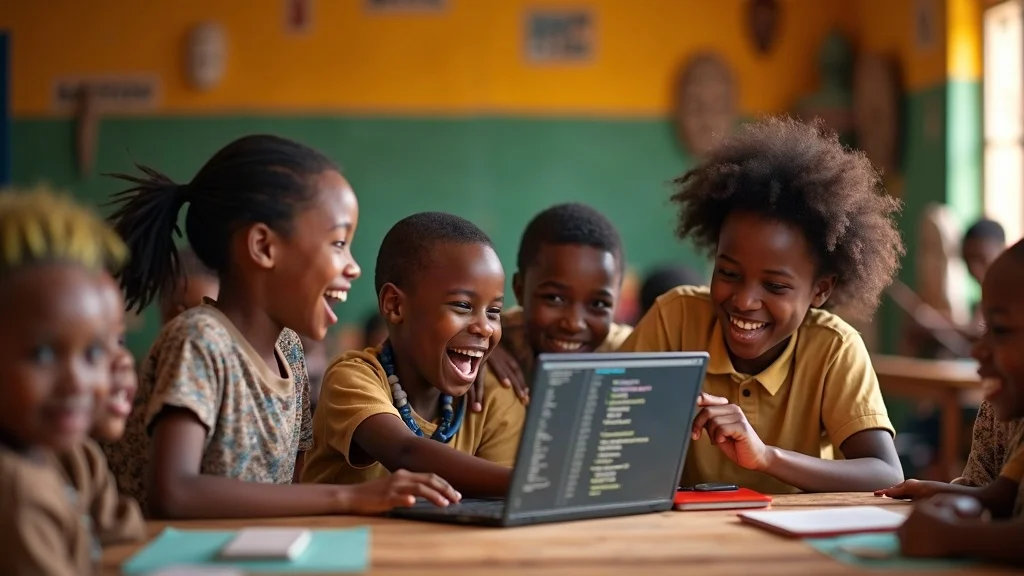
Imagine a sunlit classroom on the edge of a vibrant African town—laughter echoing as students gather around laptops, traditional artefacts beside their computers. Here, ancestral wisdom and digital innovation sit side by side. This isn’t just a scene of learning; it’s a vision for the future of african ai education, where culture lays the foundation before code, shaping a generation that is both technically skilled and deeply rooted in community values.
The Cultural Gap in African AI Education: An Observational Perspective
Across the continent, the gap between cutting-edge technology and richly layered African cultures continues to widen. AI in education can promise smarter classrooms and personalised learning, but when introduced without reference to local heritage, it often fails to resonate with African students. In many education systems, imported curricula are prioritised over home-grown wisdom, leaving students with strong digital skills but little sense of how these tools relate to their history or community.
The allure of artificial intelligence training is undeniable; AI tools can offer tailored feedback, language translation, and even assist in overcoming teacher shortages. Yet, without bridging the cultural gap, even the most sophisticated ai systems risk becoming relics—impressive but unused, because relevance is missing. For African ai education to truly empower, it cannot merely focus on technical proficiency. It must also cultivate values—respect for elders, responsibility to community, and the unique worldview that African societies nurture.
Why Cultural Foundations Are Crucial for Artificial Intelligence Development
The future of african ai education depends on how deeply it reflects local identities. Culturally responsive teaching not only increases student engagement but ensures that the use of ai remains meaningful. For instance, curriculum built around pan-African philosophies like Ubuntu (“I am because we are”) encourages solutions to local challenges, from sustainable farming to indigenous language preservation. The interplay of tradition and technology is the real driver of innovation—one that positions african students not just as consumers of ai tools but as creators who shape technology according to their realities.
“Without grounding in our histories and values, even the most advanced AI loses its relevance to African societies.”
What You'll Learn in This Exploration of African AI Education
- How cultural context shapes effective african ai education
- The current state of AI in education systems across Africa
- Why character and community must not be overlooked in digital skills development
- Perspectives on merging cultural wisdom with artificial intelligence training
The State of Education Systems and African AI Education
Modern African education systems span a remarkable spectrum: from world-class urban schools equipped for digital learning to rural primary schools where chalk and tradition still dominate. In South Africa, Nigeria, Kenya, and across the continent, digital skills development is gaining priority, yet stark disparities persist—not only in access to devices but in how AI and coding are taught. Often, students learn with materials imported from the West, overlooking indigenous languages and the cultural richness of their own communities.
This mismatch leads to ai education that may produce technically skilled individuals but fails to address what it means to thrive as an African in the digital age. Critical thinking, respect, communal responsibility—these elements should run parallel to learning AI code. For artificial intelligence to take root in African countries, education systems must be reimagined to value character as highly as capability, leveraging both global knowledge and local insight.
As African education systems strive to balance global advancements with local realities, it becomes increasingly important to understand how digital influence shapes perceptions and authority within communities. For a deeper look at the intersection of media, technology, and brand credibility in Africa, explore how media and digital influence are redefining brand authority across the continent.
| Feature | Urban School | Rural School | Culturally Integrated Classroom |
|---|---|---|---|
| AI Tools & Infrastructure | Advanced digital labs, access to ai tools | Limited or no devices, chalkboards prevail | Blended use of local artefacts with digital learning |
| Curriculum Relevance | Often international, focused on global AI systems | Curricula based on local realities but lack ai integration | Contextualised; links AI topics to indigenous knowledge |
| Language of Instruction | Mainly international languages | Local languages or bilingual teaching | African languages included in AI modules |
| Community Involvement | Parent-teacher focus | Elders, local leaders support schooling | Advisory roles for community and elders |

Education System Disparities: From Digital Skills Gaps to Artificial Intelligence Potential
Across african countries, the uneven deployment of digital infrastructure creates a vast digital divide. In cities, some students develop ai skills through access to coding clubs, ai chat tools, and advanced laboratories. Rural learners, meanwhile, may never encounter digital learning environments, much less see their own languages or traditions represented in learning modules. This not only limits the kinds of problems african students can solve but alienates them from the rapidly changing digital world.
To unlock the true potential of artificial intelligence in education, there must be a deliberate effort to bridge these gaps. Placing culture at the heart of AI integration—by prioritising African languages, community wisdom, and local realities—sharpens both the effectiveness and relevance of AI use and digital skills training for the next generation. For every leap forward in technology, African education systems must take a matching step in making ai education meaningful to the people it serves.
The Use of AI in African Education Systems—Promises and Pitfalls
AI brings great promise to education across the continent—from adaptive learning platforms to personalised assessments. With generative ai and ai systems now capable of tailoring content to individual students in different languages, some barriers begin to fall. However, pitfalls await: without grounding these tools in African philosophy, ethics, and daily life, the risk is high that ai use simply replicates Western models in local settings, erasing valuable context instead of amplifying it.
Thus, a pressing question for african ai education is not simply how to deploy more ai tools, but how to ensure their relevance, acceptance, and ethical grounding. Too much focus on technical skills risks neglecting the subtle but powerful role culture plays in shaping what it means to learn, to lead, and even to code.
Challenges Facing african ai education in Local Contexts
- Cultural misalignment in curriculum: Imported content often ignores indigenous stories, communal values, and african languages—critical for learner engagement.
- Digital infrastructure limitations: Many students lack internet access or devices, limiting practical participation in ai education.
- Overemphasis on technical over social learning: Teaching only code, not values, misses the chance to create technologically adept but ethically and culturally aware leaders.
Blending Heritage with Digital Skills: A Path Forward for African AI Education
For african ai education to become both scalable and sustainable, it must blend the best of both worlds: indigenous wisdom and 21st-century technology. By building character and competence side by side, Africa’s next generation can develop ai literacy that uplifts communities and tackles local challenges. When lessons include both coding and oral storytelling, or when elders and technologists collaborate, education becomes a tool for both continuity and transformation.
"Technology that forgets its people is technology that quickly gets forgotten."
Case Studies: Culturally-Informed AI Initiatives in Africa
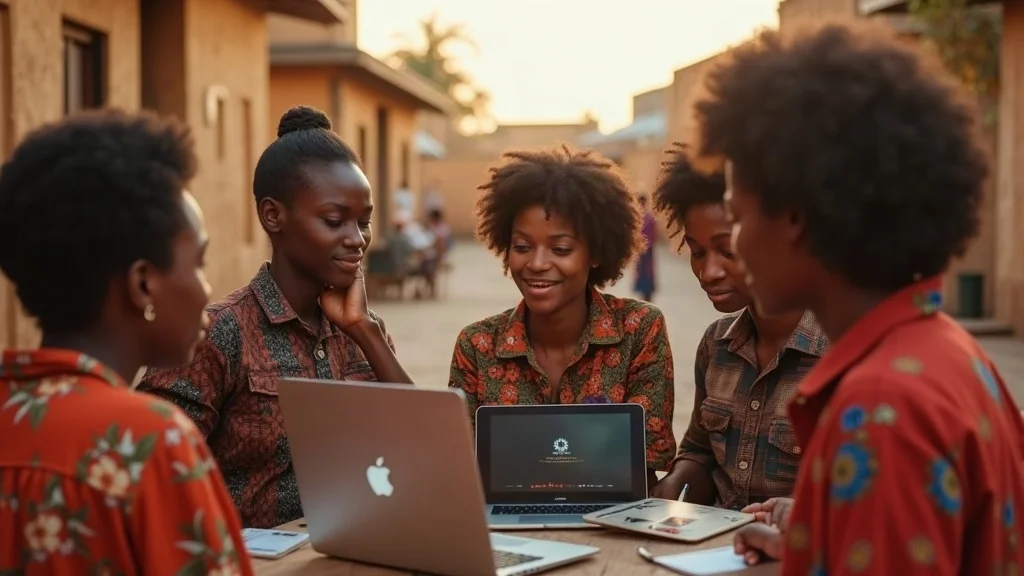
Across Africa, promising initiatives are showing how culture-first approaches make ai tools more meaningful. In Ghana, local language ai chat applications are woven into lessons so students learn coding in Twi or Ewe, not just English or French. In Kenya, educators collaborate with elders, integrating traditional proverbs into machine learning modules. These cases demonstrate that, when culture shapes content, african students are more creative, engaged, and likely to adapt AI for social good.
Nigeria and South Africa have also experimented with community-driven design, such as involving local leaders in curriculum reviews and using storytelling to teach AI ethics. The result is not just improved ai skills, but youth who see themselves reflected in the technology they learn to build.
Expert Insights: The Role of Culture in Artificial Intelligence Learning
- Local language AI projects: Encouraging developers to train models on african languages ensures technology reflects and preserves unique cultural nuances.
- Ethical frameworks rooted in African philosophy: Incorporating concepts like collective responsibility leads to AI tools that consider the needs of families and communities, not just individuals.
- Interdisciplinary education models: Combining technology, history, and social studies creates well-rounded learners ready for AI’s complexities.

People Also Ask
How is African ai education different from Western approaches?
African ai education tends to emphasise the importance of community, storytelling, and local context far more than Western approaches, which are often highly individualistic and technically driven. While Western education systems typically prioritise rapid technical skill acquisition, African education models grounded in tradition encourage students to see coding and AI not only as professional tools, but also as vehicles for cultural expression and societal impact. This difference shapes everything from curriculum design to the ways digital skills are taught and applied in local contexts.
What are the main barriers to digital skills acquisition in Africa?
The main barriers to digital skills acquisition in Africa include limited access to infrastructure such as computers and reliable internet, lack of culturally relevant learning materials, and significant disparities in teacher training. Many rural and under-resourced schools rely on outdated teaching methods, leaving little room for the practical deployment of ai tools or the development of ai literacy. These challenges emphasise the need for solutions that blend traditional knowledge with new technologies, ensuring no student is left behind as the digital landscape evolves.
How can artificial intelligence be made more culturally relevant in Africa?
To make artificial intelligence more culturally relevant in Africa, developers must prioritise the inclusion of African languages and narratives in AI models and content. This can involve building ai systems that recognise local context, for example by teaching coding through folktales, or by incorporating symbols and stories familiar to African learners. Engaging community leaders and educators in curriculum creation, and drawing on ethical frameworks rooted in African philosophy, will help ensure that AI both preserves and celebrates the continent’s diverse cultures.
What is the impact of community values on AI in education systems?
Community values play a vital role in shaping how AI technologies are received and applied in African education systems. When cultural respect, communal responsibility, and ethical considerations form the backbone of ai education, students and teachers are more likely to adopt and adapt new technologies in ways that benefit their communities. In contrast, the absence of such values risks alienating learners and undercutting the broader social impact of digital skills initiatives.
African AI Education in Practice: Storytelling, Language, and Local Relevance
Practical examples from african ai education reveal that integrating storytelling and indigenous language not only enhances learning, but also makes technology inherently local and meaningful. By inviting elders to share traditional tales alongside lessons on algorithms, or by designing interactive ai chat experiences in local dialects, classrooms become relevant both to the present and the past. This approach deepens engagement, boosts ai literacy, and ensures digital learning does not erase but rather celebrates cultural identity.
List: Best Practices for Integrating Culture in african ai education
- Build curriculum around local contexts and narratives
- Facilitate cross-cultural mentorship
- Include community leaders as advisors
- Champion African languages in learning materials
- Prioritise ethical, community-centred approaches

Frequently Asked Questions on African AI Education
- Why is culture important in african ai education? Culture ensures that AI tools and lessons are meaningful, engaging, and ethically aligned with the needs of local communities.
- Are there successful examples of culturally-aware AI projects in Africa? Yes: from local language coding apps in Ghana to storytelling-based training in Kenya, these projects show higher engagement and better outcomes when culture leads.
- How should digital skills and artificial intelligence education develop in the future? Digital skills and AI literacy should be taught alongside local language, ethics, and communal values, ensuring learners can both thrive globally and give back locally.
Key Takeaways for the Next Generation of African AI Education
- Cultural knowledge must ground every stage of AI learning
- Building character ensures technology reflects community needs
- African ai education can lead global conversations in responsible innovation
Join thousands of African founders learning how to work smarter with AI. https://aisiganal.sovereignmomentum.com
Conclusion: Africa’s next generation deserves african ai education that recognises character before capability, ensuring each code written carries the wisdom of community and the promise of a brighter, uniquely African future.
As you reflect on the future of African AI education, consider how the broader landscape of digital influence is shaping not just classrooms, but the very fabric of brand and community authority across the continent. Delving into the dynamics of media and digital leadership can offer valuable context for educators, innovators, and policymakers seeking to amplify their impact. For those ready to explore how strategic influence and technology intersect to drive meaningful change, this in-depth analysis of media and digital influence in Africa provides actionable insights and inspiration for the next wave of cultural and technological advancement.
Integrating cultural knowledge into AI education is essential for creating meaningful and effective learning experiences in Africa. The article “Towards an Ethical AI Curriculum: A Pan-African, Culturally Contextualized Framework for Primary and Secondary Education” (arxiv.org) proposes a framework that emphasizes ethical AI education grounded in African cultural contexts, ensuring that AI curricula are both relevant and respectful of local values. Additionally, the “AI4EAC Innovation Challenge: East African students build the AI that could reshape African hiring” (unesco.org) showcases how students from eight East African countries are developing AI tools to address local challenges, highlighting the importance of culturally informed AI solutions. By exploring these resources, educators and policymakers can gain valuable insights into creating AI education programs that honor and incorporate African cultural heritage.

Write A Comment