
cropper

THE AI SIGNAL BRIEFS
FOR AFRICAN ENTREPRENEURS

  • AI SIGNAL
    • # KARIBU ~ WELCOME
    • THE BREEZES
    • #THE VILLAGE ARCHIVES
    • #THE INDUSTRIOUS VOICES
    • # THE BREEZES
  • SOVEREIGN
    • THE VILLAGE ELDER
    • SOVEREIGN FRAMEWORKS
    • SOVEREIGNTY IN ACTION
    • THE AI STACK
  • MOMENTUM
    • AFRICANS ALSO ASK
    • THE VILLAGE ARCHIVES
    • AI IMPLEMENTORS GUIDES
  • 5TH VILLAGER
    • THE FIFTH VILLAGER
    • VILLAGE VOICES
    • THE VENTURE VILLAGE
    • VILLAGE VAULTS
    • THE VILLAGE VOICES
August 03.2026
1 Minute Read

What Does Responsible AI Look Like Through African Eyes?

Imagine a bustling market in Nairobi or Lagos, where elders and youth gather to discuss changes in their community. What if the topic on everyone’s lips isn’t just trade or politics—but how artificial intelligence is transforming everyday life? From digital farming systems to smarter public health programs, responsible AI Africa is more than a buzzword: it’s a lived experience, shaped by local values and global ambition. This article explores what responsible AI looks like through African eyes, and why African ethics are leading in the global conversation.

Reimagining Responsible AI Africa: An Experiential Perspective

Most discussions about responsible artificial intelligence begin in Silicon Valley or Brussels. But responsible AI Africa asks: what happens when you start in Accra, Nairobi, or Kigali instead? In Africa, responsible AI governance is rooted not only in data protection and transparency, but in deeply held collective values—such as community welfare, respect for elders, and equitable progress. AI systems here are tools for real problems: managing access to water, monitoring infectious diseases, or supporting local languages in digital platforms. These solutions require a nuanced approach to AI policy—one that aligns technology with Africa’s unique social context.

Across African countries, experiential knowledge shapes how AI is designed and deployed. Local communities are intimately involved in how AI use rolls out, ensuring inclusion and diversity are prioritized in every application. This proactive engagement with civil society closes the governance gap often seen elsewhere, and brings trust and safety to the forefront of AI use in public services. African perspectives demand not just efficiency and innovation, but justice, human rights, and shared empowerment in digital transformation.
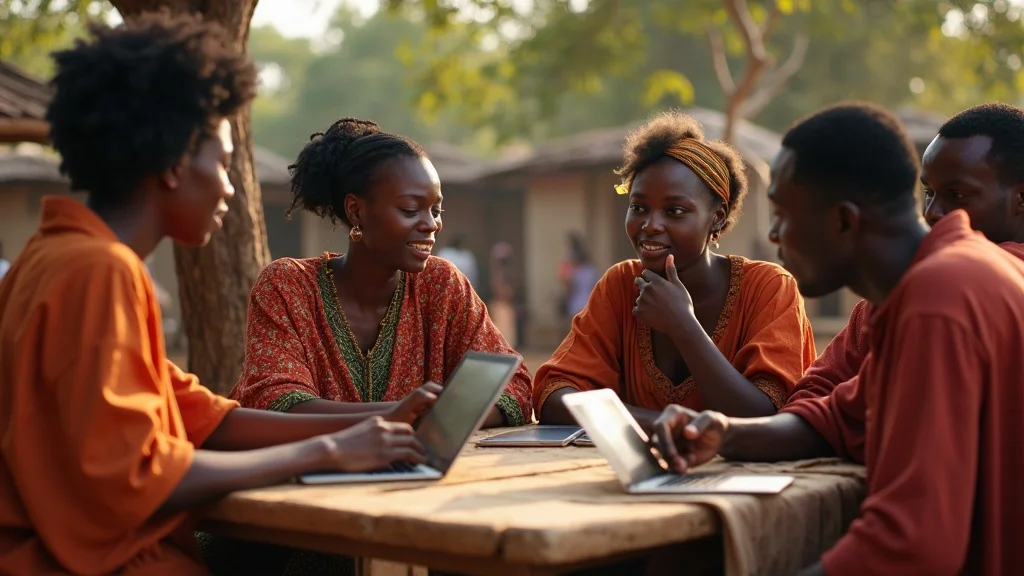
Vibrant African community discussing responsible ai africa around digital devices in a village setting

What You’ll Learn About Responsible AI Africa

  • How responsible AI Africa is uniquely defined by African social, cultural, and ethical contexts.
  • Key lessons from existing AI governance frameworks in African countries.
  • The role of responsible AI governance in shaping equitable AI policy.
  • African perspectives on data, transparency, and technological sovereignty.
  • Real-world case studies of responsible AI Africa in practice.

As African nations continue to shape their own AI governance frameworks, practical applications of artificial intelligence are also transforming digital experiences across the continent. For instance, leveraging AI to streamline website creation is becoming increasingly accessible—discover how these innovations are simplifying the process in the article exploring AI-powered solutions for WordPress site creation.

Responsible AI Africa in the Global Context

Challenging Eurocentric Narratives in Responsible AI

For years, AI policy and responsible governance frameworks were shaped by Eurocentric perspectives: data sovereignty, privacy, and rights as interpreted in the global north. Responsible AI Africa challenges this by asserting that African voices—those who live the realities of algorithmic impact—must set their own standards. African countries have unique data ecosystems, often born from communal sharing and oral traditions, and these realities differ starkly from Western individualism. Through initiatives like South Africa’s national AI policy and Nigeria’s ethical AI strategy, African leaders are showing how resilient, context-specific AI governance can bridge the governance gap and drive inclusive development.

Local approaches not only enhance inclusion and diversity, but also reshape global benchmarks, as reflected in the global index on responsible AI. The integration of African ethics and social structures fundamentally shifts expectations around trust and safety, use in public services, and national AI innovation. As Africa adds its voice, it no longer follows global trends—instead, it dictates them, offering best practices for the world.

Why African Ethics Matter in Responsible AI Africa

Ethics in Africa isn’t a theoretical exercise. They’re lived in villages, cities, and online spaces every day. Responsible AI Africa draws on traditions that prioritize collective well-being, respect for diversity, and safeguarding human rights. This means considering not only whose data is used, but how technology’s benefits and risks are distributed among urban and rural communities alike. In African countries, the drive for technological sovereignty ensures that AI systems respect indigenous knowledge, support local languages, and are governed with the future in mind. Rather than a footnote, African values are the foundation of responsible artificial intelligence governance—transforming the broader conversation about what it means to innovate ethically.

By positioning local social contracts and community priorities at the heart of AI policy, responsible AI Africa deepens trust and strengthens accountability. African countries are not only challenging Eurocentric narratives—they’re charting a new course for global AI governance built on justice, equity, and collective advancement.

AI Governance Across African Countries: Innovations and Challenges

Mapping Responsible AI Africa Initiatives

Various African countries are launching innovative AI governance initiatives tailored to their contexts. These range from South Africa’s investment in data-driven public services, to Kenya’s AI policy frameworks for agricultural technology, to Ghana’s push for AI use in public health. These efforts underscore the diversity and ingenuity found on the continent. Rather than replicating global north policies, African nations adapt—or reinvent—governance models to better balance innovation, inclusion, and protection of human rights.

African countries are establishing new benchmarks for the index on responsible AI, carving out leadership roles in the global south. With a keen focus on practical application, these efforts include training civil society in AI basics, involving local governments in policy making, and designing AI systems with transparent, participatory principles. The result? AI governance frameworks grounded in local reality, with room for iterative learning and cross-border knowledge sharing.

African map showing responsible ai africa initiatives with people collaborating around digital screens

Responsible AI Governance: Local Solutions for Global Problems

While global indices can provide direction, the real impact of responsible AI Africa is felt through local solutions to global challenges. For example, digital health platforms in Rwanda leverage AI to diagnose diseases in remote areas, while Ethiopia harnesses responsible AI for climate monitoring and sustainable farming. These applications address immediate needs—but also set examples for the rest of the world. African countries demonstrate that responsible governance is not about copying frameworks, but creating them for specific environments.

In these contexts, community leaders, women’s groups, and youth organisations collaborate with tech developers and policymakers. This partnership ensures that AI use is not just technologically advanced but socially accountable. By blending modern technology with collective wisdom, responsible AI Africa delivers locally grounded answers to universal AI dilemmas, from data privacy to digital literacy in public services.

Navigating Policy: Comparing African Countries’ AI Policy Approaches

AI policy in Africa is as varied as its countries. Some, like South Africa, have national AI strategies that balance regulation with enabling conditions for innovation. Others, such as Ghana and Senegal, focus on developing best practices for ethical AI governance and transparent algorithmic systems. Nigeria’s comprehensive AI policies incorporate civil society input directly into the legislative process, while Kenya prioritises agile frameworks that adapt to rapid technological change. These differing procceses allow each nation to address unique social structures, economic priorities, and cultural values inherent to their populations.

What unites these AI policies is a shared commitment to justice, inclusion, and the responsible use of artificial intelligence. This diversity of approaches forms the foundation for continental knowledge-sharing, so that successful models in one African country can inspire adaptation across the region and even globally.

AI Policy Approaches in African Countries
African Country AI Policy Focus Key Governance Features
South Africa National AI strategy Public services integration, human rights protections, enabling conditions for innovation
Kenya Ethical AI and agriculture Agile policy frameworks, civil society engagement, transparency in data use
Ghana AI in health & education Best practices for inclusion, local governance, collaboration with NGOs
Nigeria Comprehensive AI policy Policy co-creation, indigenous intellectual property, algorithmic assessment
Senegal Governance for social justice Legal standards for data, trust and safety, dialogue with public sector

Responsible AI Africa in Everyday Practice

Community-Led AI: Case Studies Across African Countries

The practical realities of responsible AI Africa come to life in rural farmlands, urban schools, and local health clinics. Community-led AI use is not just about technology—it is about agency. In Ethiopia, farmers use AI-enabled devices to optimise crop cycles, while in Rwanda, digital platforms assess healthcare needs and connect patients to services. These real-world applications blend AI policy with cultural fluency, ensuring that solutions serve local priorities rather than imposing foreign frameworks.

By empowering women, youth, and local leaders, community-led initiatives honour existing social structures. AI systems are introduced with respect for indigenous knowledge, communal decision-making, and language diversity. Results are seen in improved yield, better access to public services, and increased community trust—underscoring that responsible governance begins with inclusive engagement, not top-down mandates.
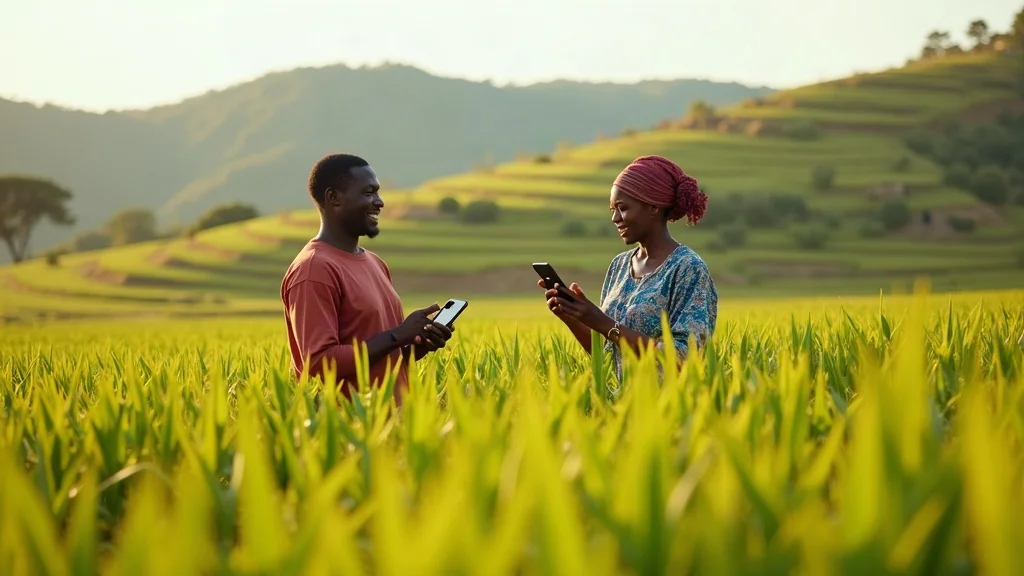
African farmers in field using responsible ai africa devices powered by artificial intelligence to collect agricultural data

Ethical Dilemmas Unique to Responsible AI Africa

African contexts bring forward ethical challenges distinct from those seen in global north. For example, communal cultures often blend privacy and transparency—where collective good must be weighed against individual rights. Protective policies must consider not just imported data but safeguarding indigenous wisdom and intellectual property. Additionally, algorithmic bias is a serious risk if AI systems are trained primarily on non-African datasets, leading to exclusion or even discrimination.

These dilemmas require continuous attention, robust governance frameworks, and innovative approaches to oversight. African countries are developing solutions grounded in respect—drawing on shared values to ensure technology uplifts rather than undermines local identity and human rights.

  • Balancing transparency and privacy in communal cultures
  • Protecting indigenous knowledge and intellectual property
  • Mitigating algorithmic biases shaped by non-African data

The Intersection of AI Policy and Social Justice

Responsible AI Africa is deeply intertwined with social justice movements, fighting for greater equity, access, and human dignity throughout digital transformation. AI use in public services—such as education, voting, and social support—must be governed to prevent new forms of inequality or reinforce historical patterns of exclusion.

African civil society organisations play a central role in holding governments and developers accountable, ensuring that no group is left behind in the march to digital progress. By centering social justice in every step of the AI policy process, African countries position themselves at the forefront of global index on responsible AI evolution.

African policy makers discussing responsible ai africa in a modern chamber with AI policy documents

African Thought Leaders on Responsible AI Africa

“African ethics are not a footnote to responsible ai governance—they are fundamentally reshaping it for everyone.” – African AI Ethicist
  • Nanjira Sambuli: AI for inclusive digital policy
  • Vukosi Marivate: Indigenous language in AI datasets
  • Joy Buolamwini: Combating bias and discrimination

Inspirational African thought leaders in responsible ai africa with AI data screens in a high-tech setting

Barriers and Opportunities Facing Responsible AI Africa

Infrastructure and Capacity: Where Responsible AI Africa Must Improve

Despite dramatic progress, responsible AI Africa faces significant obstacles. Inadequate infrastructure, limited data connectivity, and uneven access to digital training can amplify the governance gap between urban and rural regions. Addressing these challenges requires not only external investment, but robust local leadership and public-private collaboration. Without sufficient capacity-building, AI governance and innovation risks being concentrated in a handful of cities—leaving the rural majority behind.

Building national AI expertise remains paramount. Many African countries are expanding STEM education, strengthening research networks, and encouraging African tech entrepreneurship. By investing in homegrown skills, Africa can accelerate responsible artificial intelligence—and ensure its benefits are equitable, sustainable, and rooted in real-world needs.

Policy Recommendations for Responsible AI Africa

Looking ahead, success in responsible AI Africa depends on proactive strategies and inclusive policies. Leaders and civil society must work together to:

  • Develop homegrown responsible AI governance standards
  • Promote cross-country knowledge sharing on AI policy
  • Prioritise ethical education in AI curricula

By fostering local innovation and collaboration, African countries can set global standards for AI integrity and justice. The work of nurturing responsible AI isn’t just technical—it’s ethical, social, and ongoing.

Hopeful young African students learning responsible ai africa skills with teachers and robotics kits

People Also Ask: Responsible AI Africa

What is responsible AI Africa?

Responsible AI Africa refers to the development, deployment, and regulation of artificial intelligence technologies in ways that reflect African ethical values, communal priorities, and unique social contexts. It means designing AI governance frameworks that safeguard human rights, promote inclusivity, and empower communities by ensuring technology serves collective good—rather than simply importing solutions from other regions. Responsible AI Africa is ultimately about local agency in the digital era.

How do African countries approach AI governance differently?

African countries approach AI governance by bringing together policy makers, civil society, and local communities to co-create guidelines. Unlike one-size-fits-all frameworks, African AI policies are customised for social complexity, diversity, and indigenous knowledge. This results in innovative, flexible governance structures that enhance trust, transparency, and resilience while addressing Africa’s distinct challenges and opportunities.

Why is responsible AI governance important for African countries?

Responsible AI governance is vital for African countries because it ensures AI systems are developed transparently, fairly, and with accountability to local populations. With the fast expansion of AI in health, agriculture, and public services, governance frameworks help prevent harms—like bias, exclusion, or misuse—while amplifying the transformative potential of artificial intelligence to drive equitable and sustainable progress across the continent.

Frequently Asked Questions About Responsible AI Africa

  • How does responsible ai africa address bias in algorithms?
    African countries push for more inclusive datasets and participatory design processes, making sure that AI systems reflect diverse languages, cultures, and realities—thereby reducing bias from non-African data.
  • What are examples of responsible ai governance in action?
    Examples include Kenya’s AI for crop management, Nigeria’s algorithmic audits for fairness in lending, and South Africa’s AI health diagnostics in remote clinics.
  • How can grassroots organisations influence AI policy?
    Through active collaboration with legislators, grassroots groups help set inclusive governance standards, advocate for rights protections, and test AI systems at the community level for social impact.
  • Are African cultural values protected by responsible ai governance?
    Yes, governance frameworks in Africa prioritise indigenous knowledge, language preservation, and collective ownership—ensuring local values guide AI development and deployment.

Key Takeaways On Responsible AI Africa

  • Responsible AI Africa is shaped by collective values, not individual gain.
  • African countries are pioneering new forms of AI governance.
  • Local perspectives are essential for equitable AI policy.
  • African ethics are central to the global evolution of responsible AI.

Learn More About Responsible AI Africa and Join the Conversation

Interested in shaping the future of AI governance? Explore networks, join forums, and support initiatives that amplify African voices in responsible artificial intelligence worldwide.

Conclusion: The Future of Responsible AI Africa

As African ethics remake the rules, responsible AI Africa emerges as a template for inclusive, just, and globally relevant technology leadership—for Africa and beyond.

If you’re inspired by how African perspectives are redefining responsible AI, there’s a wealth of broader innovation to explore. The intersection of artificial intelligence and digital transformation is opening new doors for entrepreneurs, educators, and policymakers across the continent. For a deeper dive into how AI is simplifying complex digital tasks and empowering users, discover the latest advancements in AI-driven website creation for WordPress. This journey into practical AI applications highlights the next wave of accessible, context-aware technology—inviting you to be part of Africa’s digital future.


Sources

  • Nigeria Ranks First in Africa in 2026 Global Responsible AI ...
  • Rethinking Africa's Approach to the Politics of AI Governance ...
  • Global Center on AI Governance
  • Responsible AI Governance: 39 African Countries Ranked
  • Global Conference on AI, Security and Ethics 2026
THE FIFTH VILLAGER

1 Views

0 Comments

Write A Comment

*
*
Please complete the captcha to submit your comment.
Related Posts All Posts
08.06.2026

The Future Isn't AI. It's Human Intelligence Working Alongside AI.

The future of progress on the African continent isn’t just about advanced algorithms—it’s about people and technology joining forces. Imagine industries reshaped by the synergy of human intelligence and AI. In this partnership economy, where African innovation and artificial intelligence meet, new opportunities open for communities, businesses, and nations to thrive together. Let’s take a closer look at how this partnership is redefining the future, creating a movement where collaboration powers the next wave of African success. Why Human AI Collaboration Africa Matters in the Partnership Economy Human AI collaboration Africa is more than just a technological trend—it’s a revolution in the partnership economy that is shaping Africa’s future. As African businesses and societies embrace AI, they’re not giving up human judgment or creativity. Instead, they’re amplifying them, bringing together the best of both worlds. This approach boosts productivity, improves decision-making, and drives economic growth from the ground up. The partnership economy thrives when machines process enormous data sets with speed, and people supply context, intuition, and empathy—skills that algorithms cannot replicate. Through collaboration, African professionals are not replaced, but empowered to take on bigger challenges, invent new business models, and solve uniquely local problems. From agriculture to healthcare and education, the fusion of human intelligence and AI is accelerating change and making growth more inclusive. In the partnership economy, this blend of skills ensures competitive advantage and resilience. As AI becomes more prevalent, Africa’s ability to nurture symbiotic human/AI relationships will determine how successfully it navigates global changes. Partnerships between humans and AI set the stage for innovations that benefit all, not just a few, cultivating sustainable progress across the continent. As these collaborative efforts gain momentum, it’s valuable to stay informed about the latest advancements and real-world applications shaping the continent. For ongoing updates and in-depth stories on how AI is transforming African industries, you can explore the AI News Africa blog, which covers emerging trends and practical insights from across the region. Reshaping Industries Through Human AI Collaboration Africa Transforming agriculture with AI-driven data insights and human expertise Healthcare innovation with doctors and AI diagnosing together Education revolution—teachers and AI co-creating personalised learning paths Across Africa, industries are experiencing profound transformation as people and AI collaborate. Take agriculture: Local farmers now use AI tools to analyse weather patterns, soil health, and pest outbreaks, while relying on their generational wisdom to interpret and apply this data. This partnership leads to crops that are more resilient, harvests that are more bountiful, and communities with stronger food security. In healthcare, doctors partner with AI-based diagnosis platforms that can quickly flag abnormalities in scans or blood samples, suggesting treatment paths that doctors then personalise for their patients. In classrooms, energetic teachers work with AI-powered learning management systems to tailor lessons to each student’s needs, helping close education gaps and prepare the next generation for an interconnected world. These examples showcase how the human ai collaboration Africa movement supports scalable change. As the partnership economy takes hold, more industries are learning to rely on complementary strengths, building resilient, competitive businesses and services. What You'll Learn About Human AI Collaboration Africa Key benefits of integrating AI into African workforces Potential challenges and ethical questions for human AI collaboration Actionable strategies for fostering effective partnerships between humans and AI in Africa In this article, you’ll uncover why human ai collaboration Africa is vital for the partnership economy. You’ll see the practical advantages, from productivity to creativity, and learn how challenges—like digital literacy and ethics—are being tackled by forward-thinking leaders. We’ll discuss strategies for ensuring that AI advances remain inclusive, sustainable, and focused on Africa’s unique strengths. By the end, you’ll know how to join the movement and participate in shaping Africa’s digital future. Quotes on Human AI Collaboration Africa “It’s not about AI replacing humans, but rather, humans rising to new heights with AI as partners.” —AI Ethics Advocate This quote captures the essence of the partnership economy in Africa. The goal is not to substitute human effort with machines, but to use AI as a lever to lift people higher—helping them do more, solve bigger problems, and create lasting value across sectors. Table: Comparing Traditional Workflows vs. Human AI Collaboration Africa Workflow Type Human-Only AI-Only Human AI Collaboration Africa Efficiency Moderate High in data tasks Highest overall Innovation Incremental Pattern-based Disruptive, creative Decision Quality Contextual Algorithmic Nuanced, balanced Adaptability Slow Fast rules-based Fast and responsive This table brings to light why human ai collaboration Africa is so powerful. The partnership model offers unmatched adaptability, creative leaps, and quality decisions by integrating technology’s precision with human depth and context. Key Advantages of Human AI Collaboration Africa in the Partnership Economy Enhanced productivity and creativity: Humans and AI working together can solve complex problems and generate new ideas faster than ever before. Greater accuracy in decision-making: Combining human intuition with AI’s data analytics leads to smarter, more reliable choices. Socioeconomic empowerment across the continent: By making processes more efficient and inclusive, collaboration uplifts individuals, businesses, and entire communities. The partnership economy in Africa flourishes when people and technologies combine their strengths. This integration enables rapid learning, more equitable access to solutions, and the resilience needed to adapt to changing markets and societal needs. Critical Challenges in Human AI Collaboration Africa Bridging digital skills gaps and literacy: Access to quality training and digital resources remains uneven, making it vital to invest in education across communities. Ethical risks: bias, privacy, and inclusivity: AI systems can reflect or amplify social biases, which makes responsible design and oversight crucial to ensure fair outcomes. Balancing automation with meaningful human work: While automation can take over repetitive tasks, it’s important to preserve and enhance roles where human judgement and empathy are irreplaceable. Building a thriving partnership economy means dealing with these hurdles openly. Leaders must prioritise ethical AI, provide broad access to digital literacy programmes, and promote open discussions about technology’s role in work and society. How To Foster Successful Human AI Collaboration Africa Develop accessible education and upskilling programmes: Support includes digital bootcamps, AI-literacy initiatives, and incorporating tech skills into school curricula so everyone can harness AI’s power. Emphasise transparency and ethics in AI deployment: Create open standards, regularly audit AI systems, and encourage public oversight to prevent misuse and promote trust. Encourage cross-sector dialogue to co-create solutions: Bring together businesses, governments, educators, and civil society to identify opportunities, co-design relevant tools, and support a culture of collaborative problem-solving. Successful human ai collaboration Africa requires everyone’s voice. These steps help ensure that collaboration is empowering, responsible, and tailored to African realities, supporting the partnership economy’s strength and sustainability. The video below features interviews and real-world footage of African innovators—farmers, teachers, healthcare professionals—who are leading the way in AI adoption. Their stories show that when human creativity meets machine intelligence, the future of African progress is within reach. People Also Ask: FAQs About Human AI Collaboration Africa What industries in Africa benefit most from human AI collaboration? Industries such as agriculture, healthcare, and education have seen some of the biggest gains from human ai collaboration Africa. In agriculture, AI helps farmers manage unpredictable weather and improve yields. Healthcare providers use AI to enhance diagnostics and patient care, while educators use it to personalise learning and close achievement gaps. Financial services, energy, and logistics in Africa are also starting to harness this partnership for greater efficiency and innovation. What are the main barriers to human AI collaboration in Africa? The primary hurdles include limited access to digital infrastructure, uneven digital literacy, and concerns over bias, privacy, and job displacement. Addressing these challenges requires targeted investments in technology access, robust skills development, and frameworks for responsible, ethical AI use that put people at the centre of innovation. How can African leaders prepare their workforce for AI collaboration? African leaders can prioritise education, promote digital skills training, and establish policies advocating for ethical AI. By encouraging lifelong learning, supporting public-private partnerships, and ensuring diverse voices are included in AI design and deployment, leaders can build a workforce ready for the demands—and opportunities—of the partnership economy. Action Steps to Join the Human AI Collaboration Africa Movement Engage in community-driven tech forums and projects Gain certified AI-literacy and digital skills Contribute your stories and insights to high-profile anthologies You can be part of this movement by connecting with others in local tech communities, taking accredited online AI courses, and sharing your experience through platforms that highlight African voices in the partnership economy. Key Takeaways Human intelligence and AI are strongest together, not apart The partnership economy thrives on inclusive collaboration Africa has unique opportunities to lead in human AI collaboration Success lies in harnessing both human creativity and AI efficiency, ensuring everyone can contribute to—and benefit from—this transformative journey. Join The Future: Human AI Collaboration Africa Take Your Place In The Anthology https://themeridian.africa/pioneer-voices Collaboration is the catalyst for Africa’s progress—join the movement and be part of tomorrow’s story. If you’re inspired to deepen your understanding of how AI and human ingenuity are shaping Africa’s future, there’s a wealth of perspectives and expert commentary available. The AI News Africa blog offers a broader look at the evolving landscape, from policy shifts to breakthrough innovations and leadership stories. Exploring these resources can help you anticipate emerging trends, connect with thought leaders, and discover advanced strategies for leveraging AI in your own context. Take the next step and immerse yourself in the dynamic world of African AI collaboration—your journey toward impactful innovation starts here.

08.05.2026

Will AI Strengthen African Communities or Fragment Them?

Imagine a bustling marketplace in Lagos, Nairobi, or Johannesburg: digital billboards beam smart advertisements while local vendors use mobile apps to manage sales. Youth gather in corners, some learning to code on donated laptops, others debating whether artificial intelligence (AI) will create more jobs or deepen social divides. The air is thick with both hope and hesitation—AI’s promise is as bold as its risks, and Africa stands at a critical crossroads. The Double-Edged Sword of ai society africa in Modern Africa (Opening Scenario) As the buzz around ai society africa intensifies, its imprint on the continent is undeniable. From bustling capitals to remote villages, ai technologies are increasingly woven into Africa’s social fabric. Yet the debate is fierce: Has the rise of responsible ai brought communities closer together through shared advancement, or is it driving new wedges that mirror historic divides? The integration of AI has certainly unlocked new opportunities—revolutionizing education, providing invaluable data science tools, and sparking innovation across Africa. At the same time, it risks deepening digital divides, especially where ai readiness and infrastructure lag behind. Public policy experts like Mutale Nkonde and Adeyemi Owoade warn that ai governance in Africa must consider unequal access to AI skill development and the unique needs at the heart of African societies. While some see AI adoption as a path to leapfrog challenges facing the continent, others wonder if these rapid changes risk leaving vulnerable groups—like persons with disabilities—further isolated from opportunity. The direction chosen now, at this technological turning point, will shape Africa’s social cohesion for generations. Technology's Social Impact: A New Dawn or Looming Rift? There’s no denying that artificial intelligence brings a transformative wave of change. In urban South Africa, young entrepreneurs harness AI and digital tools to launch startups, collaborate with peers worldwide, and address local problems. Simultaneously, officials in rural communities highlight the challenges facing these areas due to less reliable digital infrastructure and scarce training programs. Scholars such as Miriam Nkomalago, currently a PhD researcher dedicated to advancing AI policy, argue for a platform for collaboration between public policy leaders, technologists, and community voices. Whether AI’s spread signals a new dawn of opportunity or risks intensifying rifts depends on choices made today about responsible ai and inclusion. Grassroots efforts across Africa prove that, when guided by ethics and supported by all stakeholders, AI can be an engine for unity. Still, gaps in language, education, and infrastructure remain—and so does the threat of social and economic fragmentation if not bridged with intent. As African entrepreneurs and organizations increasingly leverage digital tools to address local challenges, the process of building accessible online platforms becomes crucial. For those interested in practical applications, exploring how AI can simplify your WordPress site creation process offers a hands-on look at technology’s role in empowering communities and reducing barriers to digital participation. What You'll Learn About ai society africa in This Article How ai society africa is changing social structures in Africa Opportunities created by responsible ai for African development Potential social fragmentation from uneven AI integration Perspectives from community leaders and technologists Responsible ai: Opportunities for Community Empowerment in Africa The wave of responsible ai is steadily building across Africa, bringing with it significant promises for community empowerment. By weaving advanced technologies with the continent’s unique social and cultural tapestry, responsible ai initiatives are addressing issues like inadequate access to quality education, healthcare disparities, and limited economic mobility. Thanks to a growing number of training programs—sometimes in the form of a short course, other times as broad, community-based workshops—African youth and professionals are gaining AI skill sets vital for the future. Across Africa, organisations devoted to international development and ai governance in Africa have catalysed digital technology integration to spark entrepreneurial innovation and bridge gaps in public service delivery. Collaborative projects in countries like South Africa and Kenya demonstrate that, when tailored to local needs, AI and digital solutions can help persons with disabilities access essential resources or streamline agricultural practices for small-scale farmers. The emphasis on ethical programming, local language inclusion, and community input reflects a new model of public policy tailored to Africa’s needs. Closing Gaps: Education, Healthcare, and Economic Mobility African nations are using AI and data science to close pervasive gaps in social services. For example, digital technology now enables remote healthcare diagnosis in clinics far from major cities. Machine learning models interpret patient data, while telemedicine platforms bridge the divide between isolated areas and world-class specialists. Similarly, innovative AI-powered apps and e-learning portals allow students in rural Ghana or northern Nigeria to access world-class educational content, irrespective of geographical barriers. These digital advancements, largely championed by local leaders and supported by global AI governance initiatives, are especially crucial for persons with disabilities who often face barriers to traditional education. Economic mobility is increasing for those equipped with relevant AI skillsets. From Nairobi to Cape Town, young innovators are leveraging short courses and self-taught coding skills to join a new generation of AI professionals. These entrepreneurs blend cutting-edge technologies with local problem-solving—creating apps that track crop yields, digital financial tools for underbanked communities, and platforms that connect artisans to global markets. While not yet universal, these stories prove that responsible and inclusive AI adoption can spark innovation across Africa, lifting entire communities toward greater agency and self-reliance. Case Study: Responsible ai Initiatives in African Nations Take Rwanda’s pioneering efforts as a case study. The government, in collaboration with international research and consulting partners, has launched several responsible ai projects: from using machine learning to identify disease outbreaks early, to deploying digital platforms for remote education in the country’s districts. These ventures are guided by principles set by global AI and artificial intelligence organizations dedicated to advancing ethical, culturally-aware frameworks. Similar initiatives are flourishing in South Africa, where policymakers like Mutale Nkonde and Miriam Nkomalago underscore the value of public policy geared toward both access and protection. “AI holds the promise of bridging historic divides—if developed with Africa’s unique contexts in mind. ” The real-world test cases—like empowering local health workers through tailored AI-enabled diagnostic tools, or supporting persons with disabilities with new digital accessibility options—reveal that when policies are built around social inclusion and local insight, communities feel the impacts directly. However, such progress depends on collaborative policy making, robust AI governance, and sustainable investment in local talent pipelines. Risks of Fragmentation: Can ai society africa Increase Inequality? Despite the inspiring potential of ai society africa, there’s a stark risk that the rewards of AI and digital tech could mainly benefit the privileged, deepening existing divides. In places where access to digital technology is limited, or where local languages aren’t represented in software and machine learning models, entire populations can feel left behind. This challenge is echoed by advocates such as Adeyemi Owoade and various policy analysts who highlight gaps between fast-paced urban AI adoption and slower rural transformation. Disparities are not limited to geography or economy—persons with disabilities, linguistic minorities, and those without affordable internet may miss out on AI-driven opportunities. The policy landscape must evolve so that data science and digital infrastructure upgrades keep pace with the continent’s diverse needs. Without this, the positive change sparked by innovation across Africa could morph into social fragmentation—splitting communities further along the lines of access, income, and education. Digital Disparities: Access, Language, and Infrastructure Challenges One of the most significant risks to social unity in African AI society is digital disparity. While the internet now reaches cities and major towns with broadband speeds suitable for AI applications in South Africa, many rural areas struggle with patchy or outdated infrastructure. This uneven wiring to the digital world restricts potential for AI adoption and slows the scaling of practical benefits throughout the continent. Moreover, the dominance of English or French in training programs and digital interfaces erects unfair barriers for millions who speak local languages. For AI governance in Africa to be effective, it must account for these infrastructure and language divides. Public policy makers face a race against time to ensure that training programs, digital access, and AI skill development reach every community. Only then can responsible ai be a unifying force; if left unchecked, these gaps could provoke resentment and reinforce existing lines of social exclusion, making technology more of a wedge than a bridge. The Ethics of Responsible ai and Social Inclusion At the core of the responsible ai debate lies a tough ethical challenge: How can African societies ensure that AI enables—not threatens—social inclusion? With AI and digital change happening at breakneck speed, public policy frameworks and ai governance efforts lag behind technology’s possible impacts. Governments, technologists, and community leaders such as Mutale Nkonde urge careful consideration of privacy, consent, and transparency—particularly in fields like surveillance, remote diagnostics, and AI-driven hiring tools. Persons with disabilities must be considered in the early phases of solution design, not merely as users but as vital contributors. Similarly, every step towards AI readiness needs to include gender, language, and socio-economic diversity. This isn’t only a question of justice; it’s essential to building trust and resilience as artificial intelligence becomes woven into African daily life. Collaboration between civil society, data science experts, and both national and global actors will be essential for true social cohesion. Voices from Africa: Stories from the ai society africa Frontlines Across the continent, powerful stories are emerging from entrepreneurs, educators, and activists shaping the future of ai society africa. These lived experiences offer both warning and hope. In co-working spaces from Accra to Cape Town, local business leaders are leveraging responsible ai to create solutions uniquely tailored for African markets. But there’s palpable concern over the social cost of rapid AI adoption—especially when automation threatens jobs in sectors that employ millions. “Our communities need not just smart tools, but smart collaboration to truly benefit from AI. ” Grassroots initiatives and civic-led projects are crucial in weaving together diverse experiences and aspirations for a data-driven future. These platforms foster dialogue, knowledge exchange, and shared strategy—pointing the way toward an inclusive, participatory model for AI and digital integration. Local entrepreneurs leveraging responsible ai Community concerns over AI-driven job displacement Grassroots ai society africa projects fostering unity Table: Key Areas Impacted by ai society africa in African Societies Area Potential Strengthening Effect Possible Fragmentation Risk Education Access to resources Language exclusion Healthcare Remote diagnosis Data bias Economy Entrepreneurial innovation Job displacement Governance Better accountability Surveillance concerns Lists: Ways to Foster Responsible ai and Social Cohesion Promote ethical and culturally-aware AI development Ensure equitable access to AI education and tools Support community-led AI projects Encourage dialogue between technologists, policymakers, and citizens FAQs on ai society africa and Community Impact How is responsible ai being implemented in African communities? Responsible ai is advancing through a mix of government projects, non-profit initiatives, and direct support from international development agencies. Across Africa, short courses and training programs are helping to build the next generation of ai professionals. AI adoption is growing in areas like health diagnostics and digital financial platforms. Local governments are using AI skill platforms and public-private partnerships to target unique community needs with solutions that respect cultural and linguistic diversity. The direction of public policy and involvement of local leaders remain critical as responsible ai grows across Africa. What are the main social concerns with ai society africa? The primary social concerns relate to unequal access, job displacement, privacy implications, and language barriers. If only urban or wealthy communities benefit from ai and digital technology—while others are left behind—social fragmentation could worsen. Data bias, lack of diverse perspectives in software design, and security threats are also unresolved challenges facing the continent. Many call for stronger ai governance and transparent policy frameworks to ensure these risks are managed with care and foresight. How can responsible ai reduce—or increase—inequality in Africa? Responsible ai can help close gaps when developed alongside robust training programs and improvements in digital infrastructure, especially when communities are included in the design process. However, without policies focused on inclusivity and a platform for collaboration, AI risks leaving out persons with disabilities, rural populations, and linguistic minorities. Meaningful collaboration between government, private sector, and community organizations is necessary to ensure AI reduces, rather than exacerbates, existing inequalities across Africa. Key Takeaways from the Debate on ai society africa The future of ai society africa will be defined by collaboration, ethics, and inclusivity Both governments and citizens have a role in directing AI’s impact Proactive steps now can ensure technology empowers and unites, rather than divides Looking Ahead: The Ongoing Journey of ai society africa As AI transforms African life, the journey demands vigilant ethics, deliberate policy choices, and active community partnership. Navigating these crossroads with fairness and inclusion will be the work—and opportunity—of a generation. Balancing Opportunity and Risk for African Communities Striking a balance between transformative AI-driven opportunity and the risk of increased social divides remains one of the most urgent challenges facing the continent. Public policy and grassroots innovation must move hand-in-hand, ensuring that the benefits (and risks) of AI are distributed fairly and transparently. With intentional ai governance, ongoing training programs, and the unique perspectives of leaders like Mutale Nkonde and Miriam Nkomalago, Africa can chart a path that maximizes innovation while protecting social unity. From large-scale public policy reform in South Africa to hyper-local solutions by inspired entrepreneurs, every effort strengthens the foundation for responsible ai. The next chapter for ai society africa will be written through inclusive debate and resilient community action—a collective journey with global significance and local heart. The Role of Responsible ai in Resilient Societies Resilience in African societies hinges on responsible ai that supports both innovation across Africa and protection against inequality. Investing in digital technology literacy, data science capacity, and ethical development can foster a more adaptable and unified continent. Above all, listening to the voices of those most impacted—empowering persons with disabilities, rural communities, and urban youth—remains critical. When communities claim a stake in shaping AI’s future, the technology will be far more likely to strengthen, not fragment, African societies. As you reflect on the evolving landscape of AI in Africa, consider how digital innovation is not just a matter of policy or infrastructure, but also of practical empowerment for individuals and organizations. If you’re curious about actionable ways to harness AI for your own projects or business, discover how AI-driven website builders can simplify your WordPress site creation process and open new doors for digital participation. Exploring these tools can be a strategic next step in bridging the digital divide and fostering inclusive growth—helping you turn the promise of AI into tangible progress for your community or enterprise. Discover the AI Signal Briefs Digital Newsletter Created For African Entrepreneurs and Brand Executives Stay informed and shape the continent’s AI future: Discover the AI Signal Briefs Digital Newsletter Created For African Entrepreneurs and Brand Executives. Sources African Observatory on Responsible Artificial IntelligenceAI Community AfricaAI Research Society of AfricaProject - African Observatory on Responsible AIWelcome to the South African Artificial Intelligence AssociationPrograms The Next Decade of AI in Africa

08.02.2026

How does today's technology help Africa become wiser, stronger, more prosperous, and more sovereign tomorrow?""How does today's technology help Africa become wiser, stronger, more prosperous, and more sovereign tomorrow?

Imagine walking through bustling city streets in Nairobi or Lagos, where young professionals check smartphones for business updates, e-learning platforms beam into rural classrooms, and supply chains use drones and smart sensors to deliver agricultural produce. This is not a vision for the distant future—technology is already rewriting Africa’s story. As we examine how today's technology helps Africa become wiser, stronger, more prosperous, and more sovereign tomorrow, we discover not just tools, but transformation across every sector and every border. What You’ll Learn from Exploring How Today's Technology Helps Africa The main ways technology is shaping Africa’s future Why technological sovereignty matters for the continent How supply chains and digital tools foster prosperity Powerful examples across sectors and countries The Transformative Momentum of Technology in Africa Observing New Realities: Everyday Shifts Powered by Innovation Africa’s present is marked by visible and profound technological shifts. From vibrant digital startups in South Africa to AI-powered agriculture platforms in Ghana, innovation is increasingly woven into the everyday fabric of African societies. The rise of smart devices, social media, and affordable Internet access bridges remote communities with global opportunities, giving rise to new economic activities and social movements. The African Continental Free Trade Area initiative reflects a move toward greater regional integration—streamlining trade and allowing even small businesses to access regional markets using digital platforms, advanced supply chains, and AI-driven logistics. These changes are not hypothetical. They manifest in real stories—like drone-powered supply chains delivering medicine to underserved rural communities or farmers leveraging real-time data analytics to boost yields. As young Africans leapfrog into the digital age, they unlock untapped potential and redefine how Africa stands within the global economy. The window is narrow, but momentum is building, turning Africa into an innovative leader rather than merely a consumer of foreign technology. "From e-learning hubs in Nairobi to drone agriculture in Ghana, Africa's digital leap is not hypothetical—it’s happening now." As African entrepreneurs and organizations embrace digital transformation, the adoption of AI-powered tools is streamlining everything from business operations to online presence. For instance, leveraging solutions like an AI website builder for WordPress can significantly simplify site creation, enabling local businesses to establish a professional digital footprint with minimal technical barriers. How Does Today's Technology Help Africa Become Wiser? Expanding Access to Digital Education Education is one of the fastest beneficiaries of Africa’s digital renaissance. Digital classrooms equipped with tablets and e-learning services now reach students even in remote villages, narrowing the education gap. Schoolchildren in Kenya, for example, experience lessons on interactive digital whiteboards, engaging with global curricula while celebrating local African knowledge. This expansion leverages data collected by this provider or educational applications for personalization and measuring advertising effectiveness, ensuring lessons are tailored to diverse learning styles and regional languages. By doing so, artificial intelligence works hand-in-hand with teachers—turning raw data into actionable learning insights. Beyond formal education, digital literacy programs empower both youth and adults, integrating technology into every sector of daily life. As social media and smart devices become more accessible, online learning communities help nurture new skills, spread technical know-how, and foster cultural exchange. With AI models translating resources and facilitating mentorships, the next generation of Africans acquires wisdom on digital creation, entrepreneurship, and civic leadership. Promoting Smart Policy and Civic Awareness African governments are adopting data-driven policy creation by integrating artificial intelligence and predictive analytics. Digital tools allow for transparent public discussions, participatory e-government, and proactive civic engagement—making citizens not just recipients but shapers of policy. Through platforms that support personalization and measuring advertising effectiveness, policy makers can measure the impact of their campaigns in real time and deploy targeted outreach. The increasing presence of open-source data and social media keeps citizens informed, fostering a thriving culture of transparency and participation. Initiatives such as mobile-based civic platforms help younger generations track government activities, voice policy preferences, and contribute to national conversations. As a result, public trust in institutions grows, and collective wisdom emerges—not just from experts but from the whole of society. Leveraging AI for Localized Knowledge Creation Advanced AI models and platforms now drive local content production and problem-solving in Africa. Instead of importing solutions, African developers and entrepreneurs fine-tune global AI to understand indigenous languages, cultural nuances, and local economic needs—making Africa stand out for unique insight and innovation. Open data collaborations, supported by universities and research hubs in places like South Africa and Nigeria, give rise to accessible, real-time knowledge for everything from weather prediction to measuring advertising effectiveness. By rooting knowledge creation within the continent, Africa develops not only technical expertise but also cultural self-confidence—a critical building block for sovereignty. How Does Today's Technology Help Africa Become Stronger? Modernizing Healthcare and Public Services Technology is making healthcare and public services more accessible, efficient, and lifesaving across the continent. In clinics from Ghana to South Africa, healthcare workers use digital tablets and AI-powered diagnostics to track patient records and detect illnesses earlier. These tools streamline patient care, reducing bottlenecks and closing service gaps, while also ensuring secure management of sensitive health data collected by this provider. Beyond the hospital, social media, mobile apps, and data analytics educate entire communities about disease prevention, maternal health, and nutrition. Governments now deploy technology for efficient resource allocation, citizen registration, and emergency response, reducing paper bureaucracy and boosting public trust. In countries like Rwanda, digital identity systems ensure social benefits reach the right people, making Africa stands resilient in the face of public health crises. Building Robust Infrastructure with IoT and Blockchain Africa’s future resilience depends on building modern infrastructure, and this is increasingly done with smart devices and strategies. The deployment of Internet of Things (IoT) in public transport, water systems, and electricity grids provides real-time monitoring, predictive maintenance, and efficiency gains. In logistics, data analytics optimize routes, reduce costs, and seamlessly manage supply chains—a foundation for trade and economic growth. Blockchain, meanwhile, secures public records, supports transparent land registration, and prevents fraud. With these innovations, governments and businesses advance regional cooperation, supporting the free movement of goods and services essential for the African Continental Free Trade Area. Such digitally fortified infrastructure signals Africa’s readiness to shape its own destiny, no longer reliant on outdated systems or foreign intermediaries. Enhancing Resilience in Critical Supply Chains Efficient, reliable, and tech-enabled supply chains have become a backbone of Africa’s strength. Businesses leverage global AI and IoT to forecast demand, track shipments, and respond to market changes with agility. Digital solutions and data collected by this provider allow better coordination across regions, reducing inefficiencies and enhancing Africa’s integration into the global economy. The impact is particularly visible in sectors like agriculture and energy. Drones transport time-sensitive medical supplies, and SMS-based platforms inform farmers about weather, prices, and logistics. These improvements not only facilitate free trade and regional integration but also empower local producers—ensuring Africa’s labor force and small businesses become more competitive and adaptable against shocks both at home and in the rest of the world. How Does Today's Technology Help Africa Become More Prosperous? Boosting Entrepreneurship and SME Growth Prosperity in Africa increasingly depends on nurturing digital entrepreneurship and supporting small and medium-sized businesses (SMEs). Technology levels the playing field: young entrepreneurs use data analytics to identify market gaps and leverage social media to build brands that go viral within and beyond their countries. Online marketplaces, crowdfunding, and e-commerce solutions make it easier than ever for African startups to connect with regional and international buyers, leveraging the groundwork established by the African continental free trade area. Accelerators and digital innovation hubs, especially in tech-forward economies like South Africa, provide mentorship and seed funding, positioning Africa to compete in the global AI and fintech sectors. Networking platforms foster regional cooperation and the exchange of best practices. These efforts are helping the labor force develop new digital skills that are vital for a prosperous, future-ready Africa. Accelerating Financial Inclusion with Digital Platforms With the rise of digital payment systems and fintech innovation, financial inclusion in Africa has entered a powerful new phase. Mobile money services—some of the world’s most successful originating in East Africa—allow millions without bank accounts to save, send, and invest money securely. This democratization of finance boosts resilience in the face of shocks and creates avenues for inclusive growth, supporting vulnerable populations and women-led businesses across rural and urban landscapes. Artificial intelligence and data analytics in fintech platforms help tailor credit scores and loan offerings—sometimes using nontraditional metrics such as social media engagement and mobile phone usage data collected by this provider. These inclusive systems underpin SME growth, encourage savings, and lay strong foundations for trade in the African continental free trade area. This shift is making Africa stand out globally as a fintech powerhouse. Strengthening Export Potential and International Partnerships By embracing technological innovation, African countries strengthen their export sectors and form strategic regional and global partnerships. Digital supply chains, product tracking, and secure payment systems attract investment and facilitate cross-border partnerships, especially within the African Continental Free Trade Area and beyond. African goods—be it artisanal coffee, digital services, or agricultural products—find markets across continents, reinforcing Africa’s influence in the global economy. Efforts in regional integration bring homegrown businesses into global networks. South Africa and Kenya, for example, champion free trade and digital marketplaces, while West African nations explore AI-powered trade agreements, branded with personalization and measuring advertising effectiveness. Such partnerships multiply local prosperity and strengthen Africa’s voice in the global arena. Key Examples: Prosperity Through Technology Across African Nations Sector Country Technological Advance Impact Fintech Kenya Mobile Money (e.g., M-Pesa) Financial inclusion for millions, supporting SME development Agriculture Ghana Drone-Based Crop Monitoring Higher yields, precise pesticide application, real-time market access Healthcare Rwanda Drone Blood Delivery Quicker access to life-saving supplies in rural regions Energy South Africa Smart Mini-Grids Renewable energy access for off-grid communities How Does Today's Technology Help Africa Become More Sovereign? Localizing Technology Infrastructure Africa’s digital sovereignty hinges on developing technology infrastructure and platforms that are born and maintained within its borders. From locally-hosted cloud services to indigenous software, African countries work to minimize dependence on foreign providers. Regional data centers and homegrown networks ensure faster, more reliable service, protect sensitive information, and allow tailored solutions for African contexts. This movement supports the African continental free trade area by retaining digital value within the region and stimulating local economic growth. It empowers African economies to stand independently, balancing data control with competitive participation in the global economy. Data Independence and Digital Rights Data is now Africa’s most valuable asset. As the continent becomes more digital, it is crucial that Africans control the data collected by this provider and others—shaping it into local knowledge and protecting digital rights. Governments, businesses, and civil society jointly advocate for robust data privacy laws and regulations that prioritize African interests, limiting outside exploitation and enhancing personalization and measuring advertising effectiveness within appropriate boundaries. Education around digital rights and privacy helps ordinary Africans understand how their personal information is used, preparing the next generation to engage with artificial intelligence, social media, and economics as equal participants. This collective ownership and understanding supports not only sovereignty but the building blocks of democracy and sustainable economic success. Fostering Homegrown Innovation Ecosystems Africa’s future belongs to its innovators. Universities, tech hubs, and accelerators from Lagos to Cape Town nurture local inventors and digital creators, encouraging them to solve African challenges with African solutions. Funding from diaspora networks and cross-border partnerships extends these efforts—building a connected ecosystem that turns bold ideas into exportable products and services. As the next wave of AI models and digital platforms are trained on African data, the region is establishing a powerful seat at the global ai table. This commitment to homegrown innovation not only propels Africa stand forward in global development, but it also strengthens societal trust, stimulates national pride, and deepens technological sovereignty for years to come. The Role of Supply Chains in Africa’s Technological Transformation Redefining Africa's Global Position via Efficient Supply Chains A key driver in Africa’s rise is the integration of cutting-edge technology into supply chains. By harnessing IoT, AI models, and advanced data analytics, African companies align their operations with the demands of the global economy while preserving local value. Automation, drone delivery, and real-time logistics tracking enable Africa’s goods to move swiftly and safely across vast and often challenging landscapes—reducing delays and costs, even as they fuel intra-continental trade. These advances reinforce Africa as a crucial player in the global supply chain, especially as the window is narrow for maximizing the gains of the continental free trade area. The seamless movement of goods across borders helps small and large businesses alike, and technological sovereignty ensures that infrastructure investments serve regional interests first. Case Studies: Digitization in Agriculture, Manufacturing, and Energy In agriculture, mobile apps deliver real-time weather updates, market prices, and farming advice directly to rural producers—powered by AI models trained on African data. In manufacturing, regional cooperation and digital tracking tools boost output and ensure the highest standards, making African products increasingly attractive in global trade. As for energy, sensor networks and data analytics in mini-grid management help increase solar adoption and ensure reliability, particularly vital for rural Africa. These real-world cases show how Africa stands to benefit from free trade, stronger labor force participation, and deeper regional integration—all while supporting environmental sustainability and digital independence. As more sectors leapfrog into the digital era, the foundation for lasting prosperity and technological sovereignty is set. People Also Ask: Africa's Technological Future Is Africa going to be a superpower? Africa’s technological advancements lay essential groundwork for greater political and economic influence on the world stage, potentially positioning it as a significant global power. What will Africa be like in 100 years? Rapid adoption of technological infrastructure and a youthful, innovative population could see Africa emerge as a continent renowned for resilience, adaptability, and prosperity. Is Africa becoming better? Across sectors—health, fintech, agriculture, education—statistics and stories attest to marked improvements and tangible progress fueled by digital solutions. What will be the first developed country in Africa? While difficult to predict, several contenders including Rwanda, Kenya, and South Africa are leveraging technology at scale to accelerate development. Leading Sectors: Lists of Technological Progress in Africa Fintech growth and mobile money leadership Agricultural technology (AgTech) and food security e-Health and telemedicine solutions e-Government initiatives for more transparent institutions FAQs About How Technology Shapes Africa's Future Can Africa leapfrog traditional infrastructure with new technology? Yes, Africa’s rapid mobile adoption and AI-enabled solutions allow it to bypass outdated infrastructure and adopt more efficient, scalable models in sectors like banking, energy, and health. What challenges still block digital inclusion? Despite growth, barriers such as high connectivity costs, unequal access to devices, infrastructural gaps, and digital literacy hurdles persist across rural and marginalized communities. How are African universities fostering future tech leaders? By developing strong STEM programs, partnering with local tech hubs, and collaborating with industries, universities nurture innovation and produce graduates prepared for digital leadership. What role does diaspora play in digital innovation? The African diaspora funds startups, provides mentorship, and forms global partnerships, helping bridge capital and knowledge gaps for homegrown tech ecosystems. Key Takeaways on How Today's Technology Helps Africa Tech adoption promotes knowledge, resilience, and prosperity continent-wide Supply chains and digital infrastructure grow sovereignty Challenges remain but momentum is building within Africa’s unique contexts Watch: Video Insight on African Digital Transformation Short documentary exploring how today's technology is reshaping African business, culture, and governance A professionally-edited video montage of African tech scenes—modern offices, e-learning, agricultural drones, fintech transactions—intercut with interviews from African innovators, upbeat background music, on-screen cinematic transitions, capturing the energy and diversity of African digital transformation. Expert Perspectives: Quotes on African Technology’s Impact "Innovation isn’t imported; it’s cultivated—Africa’s digital future is driven by Africans, for Africans." "Inclusive technology empowers Africa’s next generation to own the continent’s destiny." Recommended Reading and Resources for African Digital Leaders AI Signal Briefs Digital Newsletter African Tech Roundup Ventureburn Africa GSMA Mobile Economy Africa Report Table: Milestones in African Technological Growth Decade Major Innovation Impact Leading Countries 2000s Mobile Networks Expansion Mass communication, financial inclusion Nigeria, Kenya, South Africa 2010s Mobile Money Platforms Banking the unbanked, SME growth Kenya, Ghana, Tanzania 2020s AI & IoT Adoption Smart agriculture, logistics, health South Africa, Rwanda, Egypt 2030s (Projected) Homegrown AI Models & Digital Ecosystems Data sovereignty, innovation-driven growth Nigeria, Kenya, pan-African Summary: The Way Forward for Africa's Technological Sovereignty Africa’s digital transformation is turning potential into power—unlocking wisdom, strength, prosperity, and sovereignty at a continental scale. As Africa continues to harness the power of technology for growth and sovereignty, the journey is just beginning. For those eager to dive deeper into the broader landscape of digital innovation, exploring how artificial intelligence can simplify and accelerate website creation offers a practical next step—especially for entrepreneurs and organizations looking to amplify their impact online. By understanding the strategic role of AI in digital infrastructure, you can position yourself at the forefront of Africa’s tech-driven future. Discover more about leveraging AI for smarter, more efficient web development by visiting the comprehensive guide on AI-powered WordPress site creation and unlock new possibilities for your digital journey. Start Your Journey with Africa’s Top Digital Briefing Discover the AI Signal Briefs Digital Newsletter Created For African Entrepreneurs and Brand Executives To further explore how technology is shaping Africa’s future, consider the following resources: “Africa’s future depends on innovation, data, and frontier technologies”: This article discusses the necessity for Africa to embrace innovation and frontier technologies to drive sustainable development and economic growth. (africarenewal.un.org) “How Technology and AI Can Accelerate Sustainable Development in Africa”: This piece explores the transformative role of technology and artificial intelligence in advancing sustainable development across the continent. (techtrends.africa) These resources provide valuable insights into the pivotal role of technology in Africa’s journey toward a wiser, stronger, more prosperous, and sovereign future.

© 2026 The Sovereign Momentum Architects Newsletter All Rights Reserved. 3207 West Main Street, Kalamazoo, MI 49006 . Contact Us . Terms of Service . Privacy Policy

eyJjb21wYW55IjoiVGhlIFNvdmVyZWlnbiBNb21lbnR1bSBBcmNoaXRlY3RzIE5ld3NsZXR0ZXIiLCJhZGRyZXNzIjoiMzIwNyBXZXN0IE1haW4gU3RyZWV0IiwiY2l0eSI6IkthbGFtYXpvbyIsInN0YXRlIjoiTUkiLCJ6aXAiOiI0OTAwNiIsImVtYWlsIjoiaGVsbG9AYWkuc292ZXJlaWdubW9tZW50dW0uY29tIiwidG9zIjoiUEhBK1BITjBjbTl1Wno0OFpXMCtWMmhsYmlCNWIzVWdjMmxuYmkxcGJpQjNhWFJvSUhWekxDQjViM1VnWVhKbElHZHBkbWx1WnladVluTndPeUI1YjNWeUlIQmxjbTFwYzNOcGIyNGdZVzVrSUdOdmJuTmxiblFnZEc4Z2MyVnVaQ0I1YjNVZ1pXMWhhV3dnWVc1a0wyOXlJRk5OVXlCMFpYaDBJRzFsYzNOaFoyVnpMaUJDZVNCamFHVmphMmx1WnlCMGFHVWdWR1Z5YlhNZ1lXNWtJRU52Ym1ScGRHbHZibk1nWW05NElHRnVaQ0JpZVNCemFXZHVhVzVuSUdsdUlIbHZkU0JoZFhSdmJXRjBhV05oYkd4NUlHTnZibVpwY20wZ2RHaGhkQ0I1YjNVZ1lXTmpaWEIwSUdGc2JDQjBaWEp0Y3lCcGJpQjBhR2x6SUdGbmNtVmxiV1Z1ZEM0OEwyVnRQand2YzNSeWIyNW5Qand2Y0Q0S0NqeHdQanhoSUdoeVpXWTlJbWgwZEhBNkx5OTNkM2N1WjI5dloyeGxMbU52YlNJK2FIUjBjRG92TDNkM2R5NW5iMjluYkdVdVkyOXRQQzloUGp3dmNENEtDanh3UGladVluTndPend2Y0Q0S0NqeHdQanh6ZEhKdmJtYytVMFZTVmtsRFJUd3ZjM1J5YjI1blBqd3ZjRDRLQ2p4d1BsZGxJSEJ5YjNacFpHVWdZU0J6WlhKMmFXTmxJSFJvWVhRZ1kzVnljbVZ1ZEd4NUlHRnNiRzkzY3lCNWIzVWdkRzhnY21WalpXbDJaU0J5WlhGMVpYTjBjeUJtYjNJZ1ptVmxaR0poWTJzc0lHTnZiWEJoYm5rZ2FXNW1iM0p0WVhScGIyNHNJSEJ5YjIxdmRHbHZibUZzSUdsdVptOXliV0YwYVc5dUxDQmpiMjF3WVc1NUlHRnNaWEowY3l3Z1kyOTFjRzl1Y3l3Z1pHbHpZMjkxYm5SeklHRnVaQ0J2ZEdobGNpQnViM1JwWm1sallYUnBiMjV6SUhSdklIbHZkWElnWlcxaGFXd2dZV1JrY21WemN5QmhibVF2YjNJZ1kyVnNiSFZzWVhJZ2NHaHZibVVnYjNJZ1pHVjJhV05sTGlCWmIzVWdkVzVrWlhKemRHRnVaQ0JoYm1RZ1lXZHlaV1VnZEdoaGRDQjBhR1VnVTJWeWRtbGpaU0JwY3lCd2NtOTJhV1JsWkNBbWNYVnZkRHRCVXkxSlV5WnhkVzkwT3lCaGJtUWdkR2hoZENCM1pTQmhjM04xYldVZ2JtOGdjbVZ6Y0c5dWMybGlhV3hwZEhrZ1ptOXlJSFJvWlNCMGFXMWxiR2x1WlhOekxDQmtaV3hsZEdsdmJpd2diV2x6TFdSbGJHbDJaWEo1SUc5eUlHWmhhV3gxY21VZ2RHOGdjM1J2Y21VZ1lXNTVJSFZ6WlhJZ1kyOXRiWFZ1YVdOaGRHbHZibk1nYjNJZ2NHVnljMjl1WVd4cGVtRjBhVzl1SUhObGRIUnBibWR6TGp3dmNENEtDanh3UGxsdmRTQmhjbVVnY21WemNHOXVjMmxpYkdVZ1ptOXlJRzlpZEdGcGJtbHVaeUJoWTJObGMzTWdkRzhnZEdobElGTmxjblpwWTJVZ1lXNWtJSFJvWVhRZ1lXTmpaWE56SUcxaGVTQnBiblp2YkhabElIUm9hWEprSUhCaGNuUjVJR1psWlhNZ0tITjFZMmdnWVhNZ1UwMVRJSFJsZUhRZ2JXVnpjMkZuWlhNc0lFbHVkR1Z5Ym1WMElITmxjblpwWTJVZ2NISnZkbWxrWlhJZ2IzSWdZMlZzYkhWc1lYSWdZV2x5ZEdsdFpTQmphR0Z5WjJWektTNGdXVzkxSUdGeVpTQnlaWE53YjI1emFXSnNaU0JtYjNJZ2RHaHZjMlVnWm1WbGN5d2dhVzVqYkhWa2FXNW5JSFJvYjNObElHWmxaWE1nWVhOemIyTnBZWFJsWkNCM2FYUm9JSFJvWlNCa2FYTndiR0Y1SUc5eUlHUmxiR2wyWlhKNUlHOW1JR1ZoWTJnZ1UwMVRJSFJsZUhRZ2JXVnpjMkZuWlNCelpXNTBJSFJ2SUhsdmRTQmllU0IxY3k0Z1NXNGdZV1JrYVhScGIyNHNJSGx2ZFNCdGRYTjBJSEJ5YjNacFpHVWdZVzVrSUdGeVpTQnlaWE53YjI1emFXSnNaU0JtYjNJZ1lXeHNJR1Z4ZFdsd2JXVnVkQ0J1WldObGMzTmhjbmtnZEc4Z1lXTmpaWE56SUhSb1pTQlRaWEoyYVdObElHRnVaQ0J5WldObGFYWmxJSFJvWlNCVFRWTWdkR1Y0ZENCdFpYTnpZV2RsY3k0Z1YyVWdaRzhnYm05MElHTm9ZWEpuWlNCaGJua2dabVZsY3lCbWIzSWdaR1ZzYVhabGNua2diMllnWlcxaGFXd2diM0lnVTAxVExpQlVhR2x6SUdseklHRWdabkpsWlNCelpYSjJhV05sSUhCeWIzWnBaR1ZrSUdKNUlIVnpMaUJJYjNkbGRtVnlMQ0J3YkdWaGMyVWdZMmhsWTJzZ2QybDBhQ0I1YjNWeUlHbHVkR1Z5Ym1WMElITmxjblpwWTJVZ2NISnZkbWxrWlhJZ1lXNWtJR05sYkd4MWJHRnlJR05oY25KcFpYSWdabTl5SUdGdWVTQmphR0Z5WjJWeklIUm9ZWFFnYldGNUlHbHVZM1Z5SUdGeklHRWdjbVZ6ZFd4MElHWnliMjBnY21WalpXbDJhVzVuSUdWdFlXbHNJR0Z1WkNCVFRWTWdkR1Y0ZENCdFpYTnpZV2RsY3lCMGFHRjBJSGRsSUdSbGJHbDJaWElnZFhCdmJpQjViM1Z5SUc5d2RDMXBiaUJoYm1RZ2NtVm5hWE4wY21GMGFXOXVJSGRwZEdnZ2IzVnlJR1Z0WVdsc0lHRnVaQ0JUVFZNZ2MyVnlkbWxqWlhNdUlGbHZkU0JqWVc0Z1kyRnVZMlZzSUdGMElHRnVlU0IwYVcxbExpQktkWE4wSUhSbGVIUWdKbkYxYjNRN1UxUlBVQ1p4ZFc5ME95QjBieVp1WW5Od096eG9hV2RvYkdsbmFIUWdZMnhoYzNNOUltTnZiWEJoYm5sVFRWTlFhRzl1WlZWd1pHRjBaU0krYm5Wc2JEd3ZhR2xuYUd4cFoyaDBQaTRnUVdaMFpYSWdlVzkxSUhObGJtUWdkR2hsSUZOTlV5QnRaWE56WVdkbElDWnhkVzkwTzFOVVQxQW1jWFZ2ZERzZ2RHOGdkWE1zSUhkbElIZHBiR3dnYzJWdVpDQjViM1VnWVc0Z1UwMVRJRzFsYzNOaFoyVWdkRzhnWTI5dVptbHliU0IwYUdGMElIbHZkU0JvWVhabElHSmxaVzRnZFc1emRXSnpZM0pwWW1Wa0xpQkJablJsY2lCMGFHbHpMQ0I1YjNVZ2QybHNiQ0J1YnlCc2IyNW5aWElnY21WalpXbDJaU0JUVFZNZ2JXVnpjMkZuWlhNZ1puSnZiU0IxY3k0OEwzQStDZ284Y0Q0OGMzUnliMjVuUGxsUFZWSWdVa1ZIU1ZOVVVrRlVTVTlPSUU5Q1RFbEhRVlJKVDA1VFBDOXpkSEp2Ym1jK1BDOXdQZ29LUEhBK1NXNGdZMjl1YzJsa1pYSmhkR2x2YmlCdlppQjViM1Z5SUhWelpTQnZaaUIwYUdVZ1UyVnlkbWxqWlN3Z2VXOTFJR0ZuY21WbElIUnZPand2Y0Q0S0NqeHZiRDRLQ1R4c2FUNXdjbTkyYVdSbElIUnlkV1VzSUdGalkzVnlZWFJsTENCamRYSnlaVzUwSUdGdVpDQmpiMjF3YkdWMFpTQnBibVp2Y20xaGRHbHZiaUJoWW05MWRDQjViM1Z5YzJWc1ppQmhjeUJ3Y205dGNIUmxaQ0JpZVNCMGFHVWdVMlZ5ZG1salpTWWpNems3Y3lCeVpXZHBjM1J5WVhScGIyNGdabTl5YlNBb2MzVmphQ0JwYm1admNtMWhkR2x2YmlCaVpXbHVaeUIwYUdVZ0puRjFiM1E3VW1WbmFYTjBjbUYwYVc5dUlFUmhkR0VtY1hWdmREc3BJR0Z1WkR3dmJHaytDZ2s4YkdrK2JXRnBiblJoYVc0Z1lXNWtJSEJ5YjIxd2RHeDVJSFZ3WkdGMFpTQjBhR1VnVW1WbmFYTjBjbUYwYVc5dUlFUmhkR0VnZEc4Z2EyVmxjQ0JwZENCMGNuVmxMQ0JoWTJOMWNtRjBaU3dnWTNWeWNtVnVkQ0JoYm1RZ1kyOXRjR3hsZEdVdUlFbG1JSGx2ZFNCd2NtOTJhV1JsSUdGdWVTQnBibVp2Y20xaGRHbHZiaUIwYUdGMElHbHpJSFZ1ZEhKMVpTd2dhVzVoWTJOMWNtRjBaU3dnYm05MElHTjFjbkpsYm5RZ2IzSWdhVzVqYjIxd2JHVjBaU3dnYjNJZ2QyVWdhR0YyWlNCeVpXRnpiMjVoWW14bElHZHliM1Z1WkhNZ2RHOGdjM1Z6Y0dWamRDQjBhR0YwSUhOMVkyZ2dhVzVtYjNKdFlYUnBiMjRnYVhNZ2RXNTBjblZsTENCcGJtRmpZM1Z5WVhSbExDQnViM1FnWTNWeWNtVnVkQ0J2Y2lCcGJtTnZiWEJzWlhSbExDQjNaU0JvWVhabElIUm9aU0J5YVdkb2RDQjBieUJ6ZFhOd1pXNWtJRzl5SUR4emRISnZibWMrUEhOd1lXNGdjM1I1YkdVOUltTnZiRzl5T2lOR1JqQXdNREE3SWo1MFpYSnRhVzVoZEdVZ2VXOTFjaUJoWTJOdmRXNTBMM0J5YjJacGJHVWdZVzVrSUhKbFpuVnpaU0JoYm5rZ1lXNWtJR0ZzYkNCamRYSnlaVzUwSUc5eUlHWjFkSFZ5WlNCMWMyVWdiMllnZEdobElGTmxjblpwWTJVZ0tHOXlJR0Z1ZVNCd2IzSjBhVzl1SUhSb1pYSmxiMllwTGp3dmMzQmhiajQ4TDNOMGNtOXVaejQ4TDJ4cFBnbzhMMjlzUGdvS1BIQStKbTVpYzNBN1BDOXdQZ284YUdsbmFHeHBaMmgwSUdOc1lYTnpQU0pqYjIxd1lXNTVUbUZ0WlZWd1pHRjBaU0krVkdobElGTnZkbVZ5WldsbmJpQk5iMjFsYm5SMWJTQkJjbU5vYVhSbFkzUnpJRTVsZDNOc1pYUjBaWEk4TDJocFoyaHNhV2RvZEQ0OFluSWdMejRLUEdocFoyaHNhV2RvZENCamJHRnpjejBpWTI5dGNHRnVlVUZrWkhKbGMzTlZjR1JoZEdVaVBqTXlNRGNnVjJWemRDQk5ZV2x1SUZOMGNtVmxkQ3dnUzJGc1lXMWhlbTl2TENCTlNTQTBPVEF3Tmp3dmFHbG5hR3hwWjJoMFBqeGljaUF2UGdvOGFHbG5hR3hwWjJoMElHTnNZWE56UFNKamIyMXdZVzU1VUdodmJtVlZjR1JoZEdVaVBqd3ZhR2xuYUd4cFoyaDBQanhpY2lBdlBnbzhhR2xuYUd4cFoyaDBJR05zWVhOelBTSmpiMjF3WVc1NVJXMWhhV3hWY0dSaGRHVWlQbWhsYkd4dlFHRnBMbk52ZG1WeVpXbG5ibTF2YldWdWRIVnRMbU52YlR3dmFHbG5hR3hwWjJoMFBnPT0iLCJwcml2YWN5IjoiUEhBK1BITjBjbTl1Wno1UVVrbFdRVU5aUEM5emRISnZibWMrUEM5d1Bnb0tQSEErUEhOMGNtOXVaejVVYUdVZ2FXNW1iM0p0WVhScGIyNGdjSEp2ZG1sa1pXUWdaSFZ5YVc1bklIUm9hWE1nY21WbmFYTjBjbUYwYVc5dUlHbHpJR3RsY0hRZ2NISnBkbUYwWlNCaGJtUWdZMjl1Wm1sa1pXNTBhV0ZzTENCaGJtUWdkMmxzYkNCdVpYWmxjaUJpWlNCa2FYTjBjbWxpZFhSbFpDd2dZMjl3YVdWa0xDQnpiMnhrTENCMGNtRmtaV1FnYjNJZ2NHOXpkR1ZrSUdsdUlHRnVlU0IzWVhrc0lITm9ZWEJsSUc5eUlHWnZjbTB1SUZSb2FYTWdhWE1nYjNWeUlHZDFZWEpoYm5SbFpTNDhMM04wY205dVp6NDhMM0ErQ2dvOGNENDhjM1J5YjI1blBrbE9SRVZOVGtsVVdUd3ZjM1J5YjI1blBqd3ZjRDRLQ2p4d1BqeGxiVDVaYjNVZ1lXZHlaV1VnZEc4Z2FXNWtaVzF1YVdaNUlHRnVaQ0JvYjJ4a0lIVnpMQ0JoYm1RZ2FYUnpJSE4xWW5OcFpHbGhjbWxsY3l3Z1lXWm1hV3hwWVhSbGN5d2diMlptYVdObGNuTXNJR0ZuWlc1MGN5d2dZMjh0WW5KaGJtUmxjbk1nYjNJZ2IzUm9aWElnY0dGeWRHNWxjbk1zSUdGdVpDQmxiWEJzYjNsbFpYTXNJR2hoY20xc1pYTnpJR1p5YjIwZ1lXNTVJR05zWVdsdElHOXlJR1JsYldGdVpDd2dhVzVqYkhWa2FXNW5JSEpsWVhOdmJtRmliR1VnWVhSMGIzSnVaWGx6SmlNek9Uc2dabVZsY3l3Z2JXRmtaU0JpZVNCaGJua2dkR2hwY21RZ2NHRnlkSGtnWkhWbElIUnZJRzl5SUdGeWFYTnBibWNnYjNWMElHOW1JRU52Ym5SbGJuUWdlVzkxSUhKbFkyVnBkbVVzSUhOMVltMXBkQ3dnY21Wd2JIa3NJSEJ2YzNRc0lIUnlZVzV6YldsMElHOXlJRzFoYTJVZ1lYWmhhV3hoWW14bElIUm9jbTkxWjJnZ2RHaGxJRk5sY25acFkyVXNJSGx2ZFhJZ2RYTmxJRzltSUhSb1pTQlRaWEoyYVdObExDQjViM1Z5SUdOdmJtNWxZM1JwYjI0Z2RHOGdkR2hsSUZObGNuWnBZMlVzSUhsdmRYSWdkbWx2YkdGMGFXOXVJRzltSUhSb1pTQlVUMU1zSUc5eUlIbHZkWElnZG1sdmJHRjBhVzl1SUc5bUlHRnVlU0J5YVdkb2RITWdiMllnWVc1dmRHaGxjaTQ4TDJWdFBqd3ZjRDRLQ2p4d1BqeHpkSEp2Ym1jK1JFbFRRMHhCU1UxRlVpQlBSaUJYUVZKU1FVNVVTVVZUUEM5emRISnZibWMrUEM5d1Bnb0tQSEErUEhOMGNtOXVaejVaVDFVZ1JWaFFVa1ZUVTB4WklGVk9SRVZTVTFSQlRrUWdRVTVFSUVGSFVrVkZJRlJJUVZRNlBDOXpkSEp2Ym1jK1BDOXdQZ29LUEc5c1Bnb0pQR3hwUGxsUFZWSWdWVk5GSUU5R0lGUklSU0JUUlZKV1NVTkZJRWxUSUVGVUlGbFBWVklnVTA5TVJTQlNTVk5MTGlCVVNFVWdVMFZTVmtsRFJTQkpVeUJRVWs5V1NVUkZSQ0JQVGlCQlRpQW1jWFZ2ZER0QlV5QkpVeVp4ZFc5ME95QkJUa1FnSm5GMWIzUTdRVk1nUVZaQlNVeEJRa3hGSm5GMWIzUTdJRUpCVTBsVExpQXNMaUJCVGtRZ1ZWTXNJRWxVSmlNek9UdFRJRU5WVTFSUFRVVlNVeXdnUlZoUVVrVlRVMHhaSUVSSlUwTk1RVWxOVXlCQlRFd2dWMEZTVWtGT1ZFbEZVeUJQUmlCQlRsa2dTMGxPUkN3Z1YwaEZWRWhGVWlCRldGQlNSVk5USUU5U0lFbE5VRXhKUlVRc0lFbE9RMHhWUkVsT1J5d2dRbFZVSUU1UFZDQk1TVTFKVkVWRUlGUlBJRlJJUlNCSlRWQk1TVVZFSUZkQlVsSkJUbFJKUlZNZ1QwWWdUVVZTUTBoQlRsUkJRa2xNU1ZSWkxDQkdTVlJPUlZOVElFWlBVaUJCSUZCQlVsUkpRMVZNUVZJZ1VGVlNVRTlUUlNCQlRrUWdUazlPTFVsT1JsSkpUa2RGVFVWT1ZDNDhMMnhwUGdvSlBHeHBQazFCUzBWVElFNVBJRmRCVWxKQlRsUlpJRlJJUVZRZ0tHa3BJRlJJUlNCVFJWSldTVU5GSUZkSlRFd2dUVVZGVkNCWlQxVlNJRkpGVVZWSlVrVk5SVTVVVXl3Z0tHbHBLU0JVU0VVZ1UwVlNWa2xEUlNCWFNVeE1JRUpGSUZWT1NVNVVSVkpTVlZCVVJVUXNJRlJKVFVWTVdTd2dVMFZEVlZKRkxDQlBVaUJGVWxKUFVpMUdVa1ZGTENBb2FXbHBLU0JVU0VVZ1VrVlRWVXhVVXlCVVNFRlVJRTFCV1NCQ1JTQlBRbFJCU1U1RlJDQkdVazlOSUZSSVJTQlZVMFVnVDBZZ1ZFaEZJRk5GVWxaSlEwVWdWMGxNVENCQ1JTQkJRME5WVWtGVVJTQlBVaUJTUlV4SlFVSk1SU3dnUVU1RUlDaHBkaWtnUVU1WklFVlNVazlTVXlCSlRpQlVTRVVnVTA5R1ZGZEJVa1VnVjBsTVRDQkNSU0JEVDFKU1JVTlVSVVF1UEM5c2FUNEtDVHhzYVQ1QlRsa2dUVUZVUlZKSlFVd2dSRTlYVGt4UFFVUkZSQ0JQVWlCUFZFaEZVbGRKVTBVZ1QwSlVRVWxPUlVRZ1ZFaFNUMVZIU0NCVVNFVWdWVk5GSUU5R0lGUklSU0JUUlZKV1NVTkZJRWxUSUVSUFRrVWdRVlFnV1U5VlVpQlBWMDRnUkVsVFExSkZWRWxQVGlCQlRrUWdVa2xUU3lCQlRrUWdWRWhCVkNCWlQxVWdWMGxNVENCQ1JTQlRUMHhGVEZrZ1VrVlRVRTlPVTBsQ1RFVWdSazlTSUVGT1dTQkVRVTFCUjBVZ1ZFOGdXVTlWVWlCRFQwMVFWVlJGVWlCVFdWTlVSVTBnVDFJZ1RFOVRVeUJQUmlCRVFWUkJJRlJJUVZRZ1VrVlRWVXhVVXlCR1VrOU5JRlJJUlNCRVQxZE9URTlCUkNCUFJpQkJUbGtnVTFWRFNDQk5RVlJGVWtsQlRDNDhMMnhwUGdvSlBHeHBQazVQSUVGRVZrbERSU0JQVWlCSlRrWlBVazFCVkVsUFRpd2dWMGhGVkVoRlVpQlBVa0ZNSUU5U0lGZFNTVlJVUlU0c0lFOUNWRUZKVGtWRUlFSlpJRmxQVlNCR1VrOU5JRTlTSUZSSVVrOVZSMGdnVDFJZ1JsSlBUU0JVU0VVZ1UwVlNWa2xEUlNCVFNFRk1UQ0JEVWtWQlZFVWdRVTVaSUZkQlVsSkJUbFJaSUU1UFZDQkZXRkJTUlZOVFRGa2dVMVJCVkVWRUlFbE9JRlJJUlNCVVQxTXVQQzlzYVQ0S1BDOXZiRDRLQ2p4d1BqeHpkSEp2Ym1jK1RFbE5TVlJCVkVsUFRpQlBSaUJNU1VGQ1NVeEpWRms4TDNOMGNtOXVaejQ4TDNBK0NnbzhjRDVaVDFVZ1JWaFFVa1ZUVTB4WklGVk9SRVZTVTFSQlRrUWdRVTVFSUVGSFVrVkZJRlJJUVZRZ1FVNUVJRk5JUVV4TUlFNVBWQ0JDUlNCTVNVRkNURVVnUms5U0lFRk9XU0JFU1ZKRlExUXNJRWxPUkVsU1JVTlVMQ0JKVGtOSlJFVk9WRUZNTENCVFVFVkRTVUZNTENCRFQwNVRSVkZWUlU1VVNVRk1JRTlTSUVWWVJVMVFURUZTV1NCRVFVMUJSMFZUTENCSlRrTk1WVVJKVGtjZ1FsVlVJRTVQVkNCTVNVMUpWRVZFSUZSUExDQkVRVTFCUjBWVElFWlBVaUJNVDFOVElFOUdJRkJTVDBaSlZGTXNJRWRQVDBSWFNVeE1MQ0JWVTBVc0lFUkJWRUVnVDFJZ1QxUklSVklnU1U1VVFVNUhTVUpNUlNCTVQxTlRSVk1nS0VWV1JVNGdTVVlnU0VGVElFSkZSVTRnUVVSV1NWTkZSQ0JQUmlCVVNFVWdVRTlUVTBsQ1NVeEpWRmtnVDBZZ1UxVkRTQ0JFUVUxQlIwVlRLU3dnVWtWVFZVeFVTVTVISUVaU1QwMDZQQzl3UGdvS1BHOXNQZ29KUEd4cFBsUklSU0JWVTBVZ1QxSWdWRWhGSUVsT1FVSkpURWxVV1NCVVR5QlZVMFVnVkVoRklGTkZVbFpKUTBVN1BDOXNhVDRLQ1R4c2FUNVVTRVVnUTA5VFZDQlBSaUJRVWs5RFZWSkZUVVZPVkNCUFJpQlRWVUpUVkVsVVZWUkZJRWRQVDBSVElFRk9SQ0JUUlZKV1NVTkZVeUJTUlZOVlRGUkpUa2NnUmxKUFRTQkJUbGtnUjA5UFJGTXNJRVJCVkVFc0lFbE9SazlTVFVGVVNVOU9JRTlTSUZORlVsWkpRMFZUSUZCVlVrTklRVk5GUkNCUFVpQlBRbFJCU1U1RlJDQlBVaUJOUlZOVFFVZEZVeUJTUlVORlNWWkZSQ0JQVWlCVVVrRk9VMEZEVkVsUFRsTWdSVTVVUlZKRlJDQkpUbFJQSUZSSVVrOVZSMGdnVDFJZ1JsSlBUU0JVU0VVZ1UwVlNWa2xEUlRzOEwyeHBQZ29KUEd4cFBsVk9RVlZVU0U5U1NWcEZSQ0JCUTBORlUxTWdWRThnVDFJZ1FVeFVSVkpCVkVsUFRpQlBSaUJaVDFWU0lGUlNRVTVUVFVsVFUwbFBUbE1nVDFJZ1JFRlVRVHM4TDJ4cFBnb0pQR3hwUGxOVVFWUkZUVVZPVkZNZ1QxSWdRMDlPUkZWRFZDQlBSaUJCVGxrZ1ZFaEpVa1FnVUVGU1ZGa2dUMDRnVkVoRklGTkZVbFpKUTBVN0lFOVNQQzlzYVQ0S0NUeHNhVDVCVGxrZ1QxUklSVklnVFVGVVZFVlNJRkpGVEVGVVNVNUhJRlJQSUZSSVJTQlRSVkpXU1VORkxqd3ZiR2srQ2p3dmIydytDZ284Y0Q0OGRUNUNlU0J5WldkcGMzUmxjbWx1WnlCaGJtUWdjM1ZpYzJOeWFXSnBibWNnZEc4Z2IzVnlJR1Z0WVdsc0lHRnVaQ0JUVFZNZ2MyVnlkbWxqWlN3Z1lua2diM0IwTFdsdUxDQnZibXhwYm1VZ2NtVm5hWE4wY21GMGFXOXVJRzl5SUdKNUlHWnBiR3hwYm1jZ2IzVjBJR0VnWTJGeVpDd2dKbkYxYjNRN2VXOTFJR0ZuY21WbElIUnZJSFJvWlhObElGUkZVazFUSUU5R0lGTkZVbFpKUTBVbWNYVnZkRHNnWVc1a0lIbHZkU0JoWTJ0dWIzZHNaV1JuWlNCaGJtUWdkVzVrWlhKemRHRnVaQ0IwYUdVZ1lXSnZkbVVnZEdWeWJYTWdiMllnYzJWeWRtbGpaU0J2ZFhSc2FXNWxaQ0JoYm1RZ1pHVjBZV2xzWldRZ1ptOXlJSGx2ZFNCMGIyUmhlUzQ4TDNVK1BDOXdQZ29LUEhBK0ptNWljM0E3UEM5d1BnbzhhR2xuYUd4cFoyaDBJR05zWVhOelBTSmpiMjF3WVc1NVRtRnRaVlZ3WkdGMFpTSStWR2hsSUZOdmRtVnlaV2xuYmlCTmIyMWxiblIxYlNCQmNtTm9hWFJsWTNSeklFNWxkM05zWlhSMFpYSThMMmhwWjJoc2FXZG9kRDQ4WW5JZ0x6NEtQR2hwWjJoc2FXZG9kQ0JqYkdGemN6MGlZMjl0Y0dGdWVVRmtaSEpsYzNOVmNHUmhkR1VpUGpNeU1EY2dWMlZ6ZENCTllXbHVJRk4wY21WbGRDd2dTMkZzWVcxaGVtOXZMQ0JOU1NBME9UQXdOand2YUdsbmFHeHBaMmgwUGp4aWNpQXZQZ284YUdsbmFHeHBaMmgwSUdOc1lYTnpQU0pqYjIxd1lXNTVVR2h2Ym1WVmNHUmhkR1VpUGp3dmFHbG5hR3hwWjJoMFBqeGljaUF2UGdvOGFHbG5hR3hwWjJoMElHTnNZWE56UFNKamIyMXdZVzU1UlcxaGFXeFZjR1JoZEdVaVBtaGxiR3h2UUdGcExuTnZkbVZ5WldsbmJtMXZiV1Z1ZEhWdExtTnZiVHd2YUdsbmFHeHBaMmgwUGc9PSJ9

Terms of Service

Privacy Policy

Core Modal Title

Sorry, no results found

You Might Find These Articles Interesting

T
Please Check Your Email
We Will Be Following Up Shortly
*
*
*