

Introduction: Africa’s Moment in the Global AI Ecosystem
Imagine a bustling co-working space in Lagos or Nairobi: groups of ambitious tech entrepreneurs and bright-eyed students in lively debate, coding late into the night, as daylight floods through tall windows. This scene is now common across Africa’s key cities, a continent where AI opportunities, new ecosystem openings, and strategic positioning in artificial intelligence are growing faster than ever before. African innovators are not just catching up—they are rapidly shaping the global AI ecosystem through unique local solutions, creating value where it matters most, and redefining the competitive position for the continent on the world stage. This article explores where, why, and how Africa is becoming a vibrant hub for AI growth, with practical insights for leaders ready to seize this moment.

Observing Unprecedented AI Growth: From Lagos to Nairobi
Africa’s largest cities—like Lagos and Nairobi—are experiencing an unprecedented wave of AI adoption. New startups, government initiatives, and public-private partnerships are emerging daily, working together to design AI systems that meet African challenges head-on. This wave is powered by a youthful population, improved internet infrastructure, and a hunger for innovation. From generative AI in creative industries to machine learning for remote work in rural areas, more businesses and governments are recognizing the business value of harnessing artificial intelligence. Local AI ecosystems are not just flourishing; they’re attracting international collaboration and funding, making Africa a focal point for global AI opportunity. The coming years promise accelerated economic growth across sectors—if organizations can adapt to the changing business environment and leverage the unique strengths of Africa’s diverse markets.
As African AI ecosystems mature, the interplay between digital influence and brand authority becomes increasingly significant for startups and established organizations alike. For a deeper look at how media and digital channels are shaping perceptions and authority in this fast-evolving landscape, explore the insights in this analysis of media and digital influence on brand authority.
What You’ll Learn
- Current hotspots and hubs of AI opportunities in Africa
- How the AI ecosystem is rapidly evolving on the continent
- The role of strategic positioning in AI adoption and competitive advantage
- Africa’s unique strengths and challenges in building a robust artificial intelligence landscape
- Actionable insights for African innovators and leaders
Understanding the African AI Ecosystem: Unique Dynamics and Drivers

African Context for Artificial Intelligence Adoption
In Africa, artificial intelligence adoption reflects the rich, complex dynamics of the continent’s economic, cultural, and linguistic diversity. Unlike in Western or Asian contexts—where access to infrastructure and legacy data sets are more established—Africa’s AI ecosystem requires intentional adaptation to local needs and challenges. Many African innovators harness AI technology to solve uniquely local problems: agricultural yield prediction, remote diagnostics in rural health, and smart mobility where public services are stretched thin. Because of this, solutions tend to focus on creating business value with less time and resources than elsewhere, using creative combinations of global best practices and indigenous knowledge.
Another key factor is the African demographic dividend: over 60% of the population is under 25, driving relentless momentum for digital transformation. This youth-driven wave fuels the growth of startups, continuous learning initiatives, and community-based data scientist collectives across the continent. Data sets unique to African contexts—such as languages, geographies, and consumer behaviors—are increasingly recognized as powerful tools for building robust, relevant AI systems. As a result, the continent’s competitive position is shifting, with local organizations gaining a first-mover advantage by creating solutions that not only work in Africa but set precedents for the world.
Local Challenges and Global Competitive Position
Despite its rapid progress, Africa’s AI ecosystem faces distinctive challenges on the road to global prominence. Persistent gaps in infrastructure—such as intermittent electricity and uneven internet access—can slow the use of AI agents in rural areas or nascent startups. The lack of standardized governance structures and data privacy regulation creates risks and sometimes hampers trust in AI adoption. However, these hurdles also present an opportunity: as African leaders, policy-makers, and entrepreneurs define their own standards, they can embed resilience and inclusivity into digital transformation from the ground up.
International collaboration remains vital for the continent’s developing AI systems. As global investors and donors recognize the unique opportunity to use AI for economic growth in Africa, they are channelling support into accelerators, research hubs, and training programs that nurture local talent. Africa’s competitive advantage will rest on its ability to build systems tailored to its needs and help shape the future of artificial intelligence globally. There has never been a better moment to secure a leading position in this evolving AI ecosystem.
Hotspots for AI Opportunities: Where Ecosystem Openings Are Emerging

Nigeria: Building the Next Great AI Ecosystem
Nigeria has become a powerhouse in Africa’s AI landscape, with Lagos shining as a dynamic epicenter of innovation, entrepreneurship, and investment. The nation’s immense youth talent pool, English-speaking market, and culture of technological hustle make it fertile ground for rapid AI adoption. Lagos is home to a new generation of AI tools, data science accelerators, and multi-sector incubators working closely with both government and private investors. Use cases in healthtech—like diagnostic support platforms—and fintech—such as fraud detection AI systems—show how Nigerian innovators harness artificial intelligence to address critical local issues.
Nigeria’s ability to create value through strategic AI implementation is not limited to startups; established banks, insurance companies, and even logistics organizations are integrating AI agents and automated solutions to gain business value, reduce costs, and enhance their competitive position. As remote work and gig economy opportunities expand, Nigeria’s ecosystem openings offer earnings opportunities and foster digital inclusion. The collaborative nature of Nigeria’s AI communities ensures that best practices, continuous learning, and locally-inspired AI work continues to accelerate the country's leap into the future.
Kenya: Harnessing Artificial Intelligence for Economic Growth
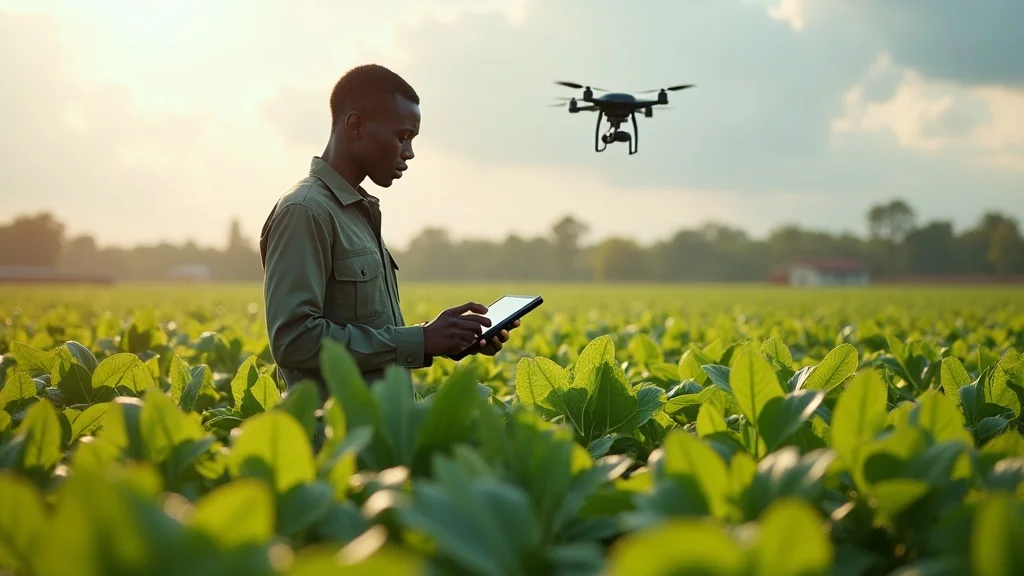
In East Africa, Kenya has positioned itself as a pioneer in leveraging artificial intelligence for inclusive economic growth. Nairobi is teeming with innovation hubs, agri-tech ventures, and policy initiatives aimed at stimulating AI adoption from the grassroots. Kenyan startups are utilizing unique local data sets—language, climate, and rural market patterns—to create AI systems that optimize precision farming, enhance veterinary diagnostics, and streamline logistics for remote farmers.
The government’s proactive support and international alliances, such as the AI4D Africa program, have fast-tracked Kenyan AI projects and enabled greater access to digital resources in rural communities. For many Kenyans, AI is not just a futuristic trend but a practical tool transforming daily life—helping reduce waste, predict crop yields, and make essential services accessible far beyond urban centers. As a result, Kenya’s AI ecosystem acts as a testament to how purposeful investment in technology can deliver shared prosperity and reshape regional economic prospects.
South Africa and Egypt: Strategic Positioning for Continental Leadership
South Africa and Egypt round out Africa’s top quartet of AI front-runners, each building on distinct competitive advantages to drive ecosystem growth. South Africa leverages its strong research universities, private-sector partnerships, and robust corporate investment to push boundaries in security, fintech, and deep learning. In Cape Town and Johannesburg, AI collaborations between academia, industry, and government are accelerating the development of advanced machine learning platforms, generative AI solutions, and next-generation AI work for industries from banking to manufacturing.
Egypt, meanwhile, is investing heavily in tech clusters and building a culture of innovation in Cairo and Alexandria. Its emerging e-commerce and mobility sectors are supercharged by international investment and deep integration of AI technologies into daily consumer life. Both countries are committed to strengthening governance structures for data privacy and AI ethics, ensuring the region’s growing AI ecosystem adheres to high standards while maintaining the flexibility needed for innovation. Their leadership helps set benchmarks for others across the continent, inspiring a new era of strategic positioning and competitive advantage in African artificial intelligence.
Factors Accelerating AI Opportunities and Ecosystem Development in Africa
- Public-private partnerships in artificial intelligence and tech
- Rapid improvement in internet infrastructure
- Youth-driven innovation and startups
- Unique African datasets fueling AI adoption
- International collaboration and funding

Table: Comparing Emerging AI Ecosystem Hubs in Africa
| Country | Key Sectors | Strategic Advantages | Emerging Hubs | Notable Projects |
|---|---|---|---|---|
| Nigeria | Healthtech, Fintech | Youth talent, Large market | Lagos | Data science accelerators |
| Kenya | Agri-tech, Govtech | Innovation hubs, Policy support | Nairobi | AI4D Africa |
| South Africa | Fintech, Security | Research, Corporate investment | Cape Town | Deep learning labs |
| Egypt | E-Commerce, Mobility | Investment, Tech clusters | Cairo | AI research centers |
Quotes From African AI Leaders on Opportunity and Competitive Advantage
“Africa’s untapped data is our most powerful advantage. We must design AI solutions that speak our languages and solve our challenges.”
— Dr. Njeri Mwangi, AI Researcher, Kenya
“Strategic positioning in the AI ecosystem will define the next generation of African tech leadership.”
— Olumide Adebayo, Lagos Tech Entrepreneur
Strategic Positioning: Gaining a Competitive Advantage in the AI Ecosystem

Building Local Capacity Versus Relying on Imported Solutions
The debate between nurturing local capacity and adopting imported AI solutions is central to Africa’s AI future. Building indigenous expertise allows for better contextualization of AI tools—making sure systems understand local languages, norms, and everyday use cases. This creates new avenues for business value and secures a sustainable competitive advantage. Every AI system built locally is a step towards technological sovereignty, enabling Africans to define their own data standards, performance metrics, and governance structures.
However, imported solutions—when integrated thoughtfully—can offer tried-and-tested templates for scaling AI work quickly, especially for organizations poised for rapid expansion or with limited resources. The most successful African AI ecosystems will balance both: investing in education, research, and local innovation while remaining open to international collaboration. AI adoption should reflect both the aspirations and unique challenges of Africa, ensuring that growth benefits the broadest swath of society.

Regional AI Adoption Strategies for African Growth
Each region’s approach to AI adoption mirrors their economic strengths, policy culture, and technological readiness. For example, West Africa prioritizes fintech solutions to strengthen banking and digital payments for its large and fast-growing urban populations. East African countries like Kenya lean into AI for agriculture and public services, spurring economic growth by targeting rural needs. In Southern and North Africa, a blend of academic excellence, international business investment, and ambitious city-level projects set the stage for large-scale AI deployments.
The most innovative organizations don’t merely use AI—they continuously adapt, build, and integrate AI systems that fit shifting market realities and local needs. By fostering collaborative partnerships between startups, government agencies, and universities, African regions can ensure their AI ecosystems work together and evolve resiliently, anchoring the continent’s position as a global innovation leader.
Lists: Key Sectors for AI Opportunities in Africa
- Healthcare (telemedicine, diagnostics)
- Agriculture (yield prediction, precision farming)
- Financial Services and Fintech
- Education Technologies
- Public Services and Urban Mobility

People Also Ask
How is the AI ecosystem different in Africa compared to other regions?

The African AI ecosystem stands out for its focus on localized solutions and a bottom-up approach to digital transformation. Unlike regions with heavily centralized infrastructure or large historical data sets, Africa’s ecosystem openings are shaped by strong community engagement, multi-lingual datasets, and youth-driven innovation. The immediacy of needs—such as healthcare, agriculture, and financial services—means AI adoption is more targeted, flexible, and inclusive. While infrastructure gaps present challenges, they also inspire inventive solutions and accelerate the deployment of AI in areas that most need it.
What are the biggest challenges for AI opportunities in African countries?
Some of the most significant challenges facing AI opportunities in Africa include limited internet infrastructure, inconsistent regulatory frameworks, and a shortage of advanced technical skills at scale. These hurdles are compounded by funding gaps in early-stage research and the need for continuous learning to keep up with rapid changes in AI technology. Addressing these challenges requires intentional investment in education, supportive governance structures, and deeper collaboration between public and private sectors. Overcoming such obstacles will directly contribute to Africa’s competitive position and its ability to generate sustained economic growth from artificial intelligence.
How can African startups gain competitive advantage with artificial intelligence?
African startups can secure a competitive advantage by focusing on local data sets, contextualizing AI systems to suit specific market needs, and collaborating with global partners to access new resources and expertise. Prioritizing emerging use cases around health, agriculture, and fintech—backed by public-private partnerships—helps create value and amplification well beyond initial deployment. Emphasizing user experience, cultural nuance, and solving core community challenges ensures AI adoption is meaningful, driving both business value and positive social impact across the region.
FAQs
- What is driving the rapid growth of artificial intelligence in Africa? – The key drivers include a young and tech-savvy population, accelerating digital infrastructure improvements, and increased investment from both local and international sources.
- How do ecosystem openings influence AI adoption? – New ecosystem openings—such as innovation hubs, incubators, and partnerships—provide fertile grounds for startups, enabling quicker experimentation and broader market reach.
- Why is strategic positioning crucial for Africa’s AI future? – Strategic positioning empowers African leaders to shape the direction of AI adoption and innovation, tailoring solutions to fit cultural and economic specificities while capturing global attention.
- Which African cities are leading in AI opportunities? – Lagos, Nairobi, Cape Town, and Cairo are among the top cities fostering rapid AI ecosystem development through thriving tech communities, research hubs, and international collaboration.
Key Takeaways for African AI Innovators

- Africa’s AI ecosystem is unique and rapidly expanding
- Strategic positioning offers major competitive advantage to local players
- Focusing on local needs and data can spark global interest
- Now is the critical moment for ecosystem openings
Why Strategic AI Implementation Matters for Africa’s Future
The future of Africa’s economy, governance, and cultural influence will hinge on the continent’s ability to implement strategic, locally-driven artificial intelligence systems. Now is the moment for African leaders and innovators to adopt intentional approaches, secure their competitive position globally, and pave the way for inclusive, sustainable growth.
Ready to learn more about building unshakeable brand authority and why strategic AI implementation matters? Read the full article here.
Conclusion
Africa's AI ecosystem is at a pivotal point. Those who act decisively—focusing on local data, nurturing talent, and leveraging strategic positioning—will shape a thriving future for the entire continent.
As Africa’s AI journey accelerates, understanding the broader forces that shape brand authority and digital influence is essential for leaders aiming to stand out in a crowded marketplace. If you’re interested in how media, expert voices, and digital platforms can ignite influence and elevate your organization’s reputation, don’t miss the comprehensive exploration in Influence Ignitors: How Media & Digital Influence Shape Brand Authority. This resource offers actionable strategies and frontline perspectives to help you harness the power of influence as you navigate Africa’s dynamic AI and innovation landscape. Take your next step toward building lasting authority and competitive edge in the digital era.
Sources
- Head of Strategic Partnerships & AI Ecosystem – Sendbird
- AI-enabled business models for competitive advantage
- The future of jobs: 6 decision-makers on AI and talent ...
- Workforce ecosystems and AI
- Careers | Ai2
- AI Ecosystem Strategy: Drive Enterprise Adoption and ROI
- Australia's artificial intelligence ecosystem: growth and ...
- Reimagining Competitive Positioning in the AI Era




Write A Comment