

Imagine an AI system that tries to describe the sights and sounds of a bustling Lagos market, or captures the wisdom exchanged at a family gathering on the outskirts of Nairobi, but relies on narrow, outsider perceptions programmed thousands of miles away. What stories are lost, and whose are told? In today’s digital age, African voice, narrative authority, and representation in AI have become more pressing than ever. This article explores why centring authentic African perspectives is vital as artificial intelligence shapes not only how others see Africa, but how Africans see themselves. Join us as we unravel the heart of technological progress and why our voices must lead the conversation.
The Transformative Power of African Voice in Artificial Intelligence
African voice within the realm of artificial intelligence is not a distant ideal; it is a living, vital force that can transform technology from a tool of observation to an instrument of self-expression. When local narratives inform AI development, these systems no longer churn out generic responses. Instead, they reflect the vibrant diversity and complexity of African life—its languages, traditions, innovations, and resilience. The intersection of empathy and technological progress, powered by African perspectives, fosters AI that understands context, nuance, and aspiration. This accessible but meaningful shift means that whether you’re teaching a computer to understand isiZulu proverbs or training it with Malian folktales, you’re embedding authenticity and trust into the very logic of tomorrow’s machines.
The continent’s growing community of technologists and storytellers exists to make data science not just accurate, but culturally grounded and representative. Distinct from the global norm, Africa’s journey with artificial intelligence is marked by a powerful urge to reclaim narrative authority—ensuring the human story back into tech remains rooted in local realities. In doing so, AI stops being a distant force and becomes a canvas for Africa’s diverse stories, dreams, and solutions. This is narrative sovereignty: using our own voices to guide the algorithms that increasingly shape our economies, social systems, and collective identity.
Personal Reflection: Everyday Encounters with AI’s Understanding of African Narratives
On a typical afternoon, as an African professional woman, I interact with AI-enabled apps, voice assistants, and chatbots designed to “know” African realities. Yet too often, I encounter mispronunciations of local names, inaccurate cultural references, or recommendations built around global generalisations that exclude the heart of my experience. These seemingly minor errors compound into bigger issues: erasure of stories, loss of language context, and reinforcement of stereotypes. I see friends and colleagues dismissing these tools not because they reject technology, but because they cannot find themselves or their realities represented within them.
This daily friction reflects a deeper need for narrative authority. In a world where artificial intelligence increasingly mediates what we know and how we connect, reclaiming the right to shape our own stories means we no longer accept being mere data points. We become authors, coders, policymakers, and curators of our digital identities. It’s the human story back into tech, manifest as a collective insistence: “We exist, and we have the right to be recognised in our complexity. ”

Observing the Current State: Gaps in Narrative Authority and Representation in AI
When we examine current AI systems, it becomes clear that African stories are often filtered through external priorities and perspectives that have little to do with our lived realities. Much of this is rooted in a lack of genuine engagement with African researchers, linguists, and cultural custodians—meaning AI applications frequently misunderstand the context or nuance required for true representation. From AI news curation that overlooks local issues, to digital health tools that misunderstand indigenous medical wisdom, the technology falls short of delivering solutions that matter most on the continent.
Even as global artificial intelligence projects celebrate diversity, meaningful inclusion of African voice and narrative authority remains rare. Key barriers include limited access to context-rich data, marginalisation of indigenous languages, and the persistent funding gap facing African-led initiatives. The result: Africa’s innovations and human story are missing from many of the world’s most influential algorithms. The challenge is not just technical—it’s deeply cultural. Overcoming it requires dedicated advocacy, resource allocation, and a commitment to listening to those whose lives and futures will be shaped by AI the most.
What You'll Learn About African Voice, Narrative Authority, and Representation in AI
How AI shapes perceptions of Africa
Why narrative authority is crucial for genuine representation in artificial intelligence
Ways African voices can influence technology’s development
Opportunities for advocacy and cultural preservation in AI systems

Centering African Voice in the AI Dialogue: Overcoming Invisible Obstacles
To truly embed African voice, narrative authority, and representation in AI, African experts, storytellers, and entrepreneurs must have a seat and a say at every table where tech decisions are made. This requires not only disrupting the dominant flow of global AI narratives, but creating dedicated spaces where new voices can emerge, lead, and challenge existing assumptions. The right to define ourselves, recommend policies, and set ethical standards is inseparable from real progress. It is by amplifying this ownership that AI becomes a tool to further African futures rather than simply reflecting external views.
Yet, invisible obstacles persist—underfunded research, limited access to advanced data infrastructure, and the all-too-frequent sidelining of grassroots knowledge. These barriers do not reflect a lack of ingenuity or ambition, but rather systemic imbalances in how technology is funded and prioritised worldwide. By centring the human story back into tech, African visionaries are proving that unique perspectives, languages, and histories are the wellspring of the next generation of ethical AI systems. Reclaiming narrative authority is the first step toward community-driven, accessible but meaningful AI that genuinely serves local aspirations.
d b: Persistent Barriers to African Representation in AI Systems
Barriers to true African representation in artificial intelligence are rooted in more than just technology gaps. Funding sources from abroad often prioritise outcomes that serve others, sidelining contextually relevant African innovations. Further, most large AI datasets rarely include indigenous languages, dialects, or rural life nuances—resulting in products and algorithms that don’t recognise the full spectrum of African experience. The lack of inclusive policy frameworks, combined with “one-size-fits-all” solutions, compounds the exclusion and sustains old power dynamics.
Additionally, knowledge held by elders, local experts, and grassroots advocates is often ignored in favour of imported expertise. This creates what some have called ‘invisible obstacles’ to narrative authority—systems that reinforce themselves by limiting whose stories are coded into the AI. Breaking through this requires persistence, resourcefulness, and solidarity across technical and non-technical communities, all united by a vision of AI that belongs to all Africans.

y c: Redefining AI Narratives with African Experiences
Redefining the AI narrative starts with everyday African experiences—urban, rural, old, and new—being actively included in product design and data science. When African professionals, storytellers, and students share their voices during AI’s training processes or policy debates, the outcomes shift. Technologies move beyond static stereotypes and start reflecting dynamic realities: multilingual communication, local wisdom, and innovation that responds to urgent social needs.
This redefinition isn’t just symbolic. It allows AI to tackle local challenges, from drought prediction using indigenous weather signs to natural language processing grounded in authentic accents, proverbs, and idioms. In this way, Africans reclaim narrative authority—not only to direct AI’s development, but to ensure these technologies become tools for social advancement, education, health, and prosperity across the continent’s patchwork of identities.
Why Narrative Authority in AI Matters for Africa’s Future
The future of artificial intelligence in Africa hinges on the continent’s ability to claim and protect its narrative authority. Without it, AI risks becoming another vessel for digital colonialism—a way for external actors to define African progress, values, and needs according to outsider perspectives. Anchoring AI in African realities gives meaning to technology as a tool for social development and cultural legacy. Only by asserting local agency do we ensure these intelligent systems nurture, not erase, the continent’s diverse histories and ambitions.
Across industries—from education to health care, agriculture to creative arts—AI guided by authentic representation creates opportunities for broad-based upliftment. Children growing up using systems that “speak” their language and understand their context will be more than consumers of technology; they’ll be coders, builders, and shapers of innovation itself. It is this vision—technology at the intersection of empathy and progress, accessible but meaningful to everyone—that is at the heart of Africa’s digital revolution.

Lessons in Representation: Who Tells Africa’s Story in AI?
For generations, Africa’s story has often been filtered through external lenses—be it literature, cinema, or broadcast news. Now, with artificial intelligence, there’s a new frontier: the digital retelling of who we are, where we’ve been, and where we’re headed. If narrative authority is ceded, AI will simply reinforce old biases, making it harder for African communities to break out of inherited roles.
But when Africans themselves drive the story—from curating language data to running research labs and leading inclusive design—the continent’s true character comes alive. This isn’t just about correcting misperceptions; it’s about making data science and technology honour the human story back into tech, with Africans at the helm. That’s how AI can finally serve as a publication bringing the human story back to the centre of digital progress.
r r: Building Community and Ownership in AI Development
True ownership in AI requires more than scattered projects or periodic inclusion. It demands communities of practice—spaces where technologists, linguists, educators, policy makers, and everyday users can collaborate and learn. This r r (real representation, real results) approach brings together those who understand Africa’s needs and those equipped to build solutions, creating momentum for lasting change.
Programs that foster local leadership, mentorship, and cross-border collaboration sow the seeds for Africa’s data-driven future. As these communities expand, they start to set standards, influence funding priorities, and build ethical models rooted in narrative authority. The future is not just community-driven—it is owned by Africans, built for African realities, and sustained by shared purpose.
Tables: Illustrating African Voice and Representation in AI
Comparison of Narrative Authority Attributes in AI Projects: African Contributions vs. Global Norms |
||
Attribute |
AI with African Narrative Authority |
Global Norms (Status Quo) |
|---|---|---|
Language Inclusion |
Many indigenous languages; active language model stewardship by local experts |
Limited to major world languages; African languages often missing |
Cultural Context |
Nuance in traditions, proverbs, and social roles reflected in data |
Homogenised/generalised; lack of representativeness |
Research Leadership |
Locally led research agenda; diverse African scholars involved |
Dominated by external actors and funding; few African voices |
Application Impact |
Solutions address local priorities: health, education, agriculture |
Emphasis on global large-scale applications; mismatch with local needs |
Community Ownership |
Grassroots initiatives and open collaboration encouraged |
Centralised, proprietary models; community input limited |
Quotes: Influential Voices on African Representation in AI
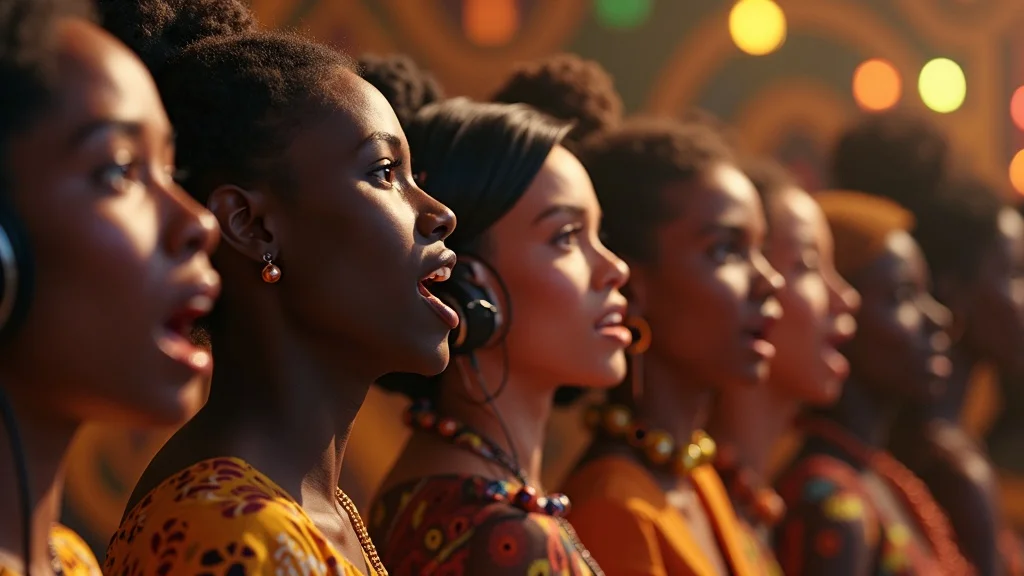
“For too long, our stories have been told by others. It’s time AI understands Africa as we do—from within.”
“With narrative authority comes respect, and with respect comes true progress in artificial intelligence for Africa.”

Lists: Key African-Led Initiatives Advancing Narrative Authority and Representation in AI
African AI research collectives
Pan-African language model projects
Grassroots movements for tech policy reform

People Also Ask About African Voice, Narrative Authority, and Representation in AI
How can African voices influence AI development?
African voices can guide ethical frameworks, correct data bias, and promote inclusion by being involved in tech policy, research, and product design. This means that the continent’s own experts play a leading role in decision-making, ensuring that AI solutions actually work for diverse African communities. Input at every stage—from dataset creation to technology deployment—enables AI to reflect real-life stories, priorities, and values. As a result, data science becomes a tool for progress that is anchored in respect and genuine community needs.
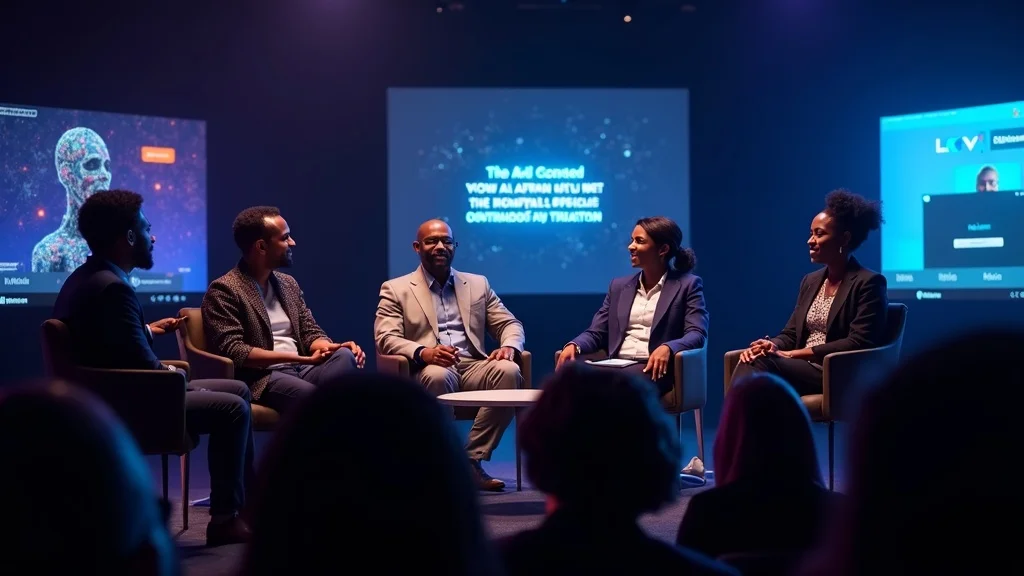
Why is narrative authority vital for Africa in AI?
Narrative authority empowers Africans to frame their own stories and priorities, ensuring AI reflects the continent’s realities and aspirations. When local wisdom sets the agenda, technology serves as an extension of genuine community voices instead of an echo of external assumptions. This process uplifts not only language and culture, but also a spirit of ownership over technological change—one that is vital for sustainable progress and the flourishing of African agency in the digital world.
What challenges exist for African representation in AI systems?
Barriers include limited data infrastructure, external funding priorities, and marginalisation of indigenous languages and knowledge. Unlike many global projects, African-led AI initiatives must often work around resource gaps and actively push against systemic exclusions in order to be heard. Developing home-grown expertise, strengthening networks, and securing long-term investments are crucial steps to overcoming these challenges and building inclusive technology for all Africans.
In what ways does AI currently misrepresent African narratives?
AI often reinforces old stereotypes or ignores local context, missing out on nuance and cultural depth unique to African communities. As a result, technology may amplify misconceptions about African societies, streamline diverse regions into singular categories, or rely on imported knowledge bases that overlook the continent’s innovations. This misrepresentation can hinder the growth of data science that is responsive and respectful, reducing the opportunity for real progress in tech-driven solutions.
What are the opportunities for African entrepreneurs in AI?
Entrepreneurs can lead in creating AI solutions for local industries, advocate for legislative change, and spearhead new markets with inclusive technology. The intersection of empathy and innovation allows African founders to not only solve region-specific problems but also export resilient, grounded ideas to the world. As AI becomes more accessible but meaningful to communities, those who champion narrative authority position themselves—and the continent—at the forefront of the next big wave in human-centred technology.
People Also Ask Answers Section
African voices can guide ethical frameworks, correct data bias, and promote inclusion by being involved in tech policy, research, and product design.
Narrative authority empowers Africans to frame their own stories and priorities, ensuring AI reflects the continent’s realities and aspirations.
Barriers include limited data infrastructure, external funding priorities, and marginalisation of indigenous languages and knowledge.
AI often reinforces old stereotypes or ignores local context, missing out on nuance and cultural depth unique to African communities.
Entrepreneurs can lead in creating AI solutions for local industries, advocate for legislative change, and spearhead new markets with inclusive technology.
FAQs on African Voice, Narrative Authority, and Representation in AI
How do we ensure African languages are included in AI advancements?
To guarantee African languages are part of AI’s future, local developers and linguists must partner on collecting diverse language data, training robust models, and open-sourcing resources for global collaborators. This approach not only preserves linguistic heritage but also makes technology more accessible and effective for everyday users. Community-driven projects and support for African language teachers, as well as sustained advocacy, ensure these voices are never left out of progress.

Can narrative authority in AI be achieved with current African resources?
Narrative authority is possible even with limited resources, provided there is strong community mobilisation and a willingness to collaborate openly. Many successful African-led technology projects began with small teams but leveraged networks, mentorship, and shared purpose to overcome challenges. Building capacity in data science, machine learning, and digital storytelling—while forging partnerships across borders—lays the groundwork for true representation in AI. It’s the collective, persistent effort that makes lasting change, even before all the ideal resources are in place.
Key Takeaways: Advancing Narrative Authority and Representation in AI
African voice in AI is essential for cultural preservation and social development
Genuine representation ensures Africa’s needs and identities are prioritised
The future of AI in Africa is community-driven and fuelled by narrative sovereignty

Take the Next Step: Empower African Voices in the Age of AI
Discover the AI Signal Briefs Digital Newsletter Created For African Entrepreneurs and Brand Executives, https://aisignal.sovereignmomentum.com
Conclusion: Narrative authority and African voice are more than buzzwords—they are the foundation for a digital future that reflects, respects, and elevates our collective story. Stand up, get involved, and shape Africa’s AI journey from the inside out.




Write A Comment