
cropper

THE AI SIGNAL BRIEFS
FOR AFRICAN ENTREPRENEURS

  • AI SIGNAL
    • # KARIBU ~ WELCOME
    • THE BREEZES
    • #THE VILLAGE ARCHIVES
    • #THE INDUSTRIOUS VOICES
    • # THE BREEZES
  • SOVEREIGN
    • THE VILLAGE ELDER
    • SOVEREIGN FRAMEWORKS
    • SOVEREIGNTY IN ACTION
    • THE AI STACK
  • MOMENTUM
    • AFRICANS ALSO ASK
    • THE VILLAGE ARCHIVES
    • AI IMPLEMENTORS GUIDES
  • 5TH VILLAGER
    • THE FIFTH VILLAGER
    • VILLAGE VOICES
    • THE VENTURE VILLAGE
    • VILLAGE VAULTS
    • THE VILLAGE VOICES
August 04.2026
1 Minute Read

Why Digital Ownership Matters More in an AI-Driven Internet

What if the most valuable things you own are invisible, intangible, and just a click away from being lost, altered, or claimed by someone—or something—else? As artificial intelligence rewires almost every corner of our digital world, a bold and urgent question emerges: Why does digital ownership matter more now than ever before—especially across Africa’s vibrant online economies? In this opinion piece, we’ll challenge conventional understandings of ownership in an age shaped by powerful algorithms, global digital tools, and fast-moving innovation.

Is Digital Ownership Becoming the Defining Question of an AI-Driven Internet?

With artificial intelligence (AI) agents and generative ai tools now embedded in our daily lives—from personal assistants and site builders to smart technology stacks—the idea of ownership is being stretched, tested, and sometimes upended. This isn’t just an abstract concern for techies or startup founders; digital ownership has become a frontline issue for brands, creators, and entrepreneurs, especially within Africa’s energetic digital business landscape.

As we use AI to create art, write code, automate industries, and manage customer data, the important question surfaces: Who owns what is created, processed, or curated by these new AI tools? Many businesses and many organizations are confronting the hidden costs of unclear ownership, where the value of digital assets is determined not just by creation but by who controls, accesses, or licenses them. For African innovators, the stakes of digital ownership are uniquely high—shaping the ability to compete globally, protect intellectual property, and ensure economic empowerment in a future where AI continues to disrupt every product and industry.

What You'll Learn About Why Digital Ownership Matters More in an AI-Driven Internet

  • How the rise of artificial intelligence is reshaping concepts of digital ownership
  • Why digital ownership holds unique significance in African digital markets
  • Impacts and risks of unclear digital rights in AI ecosystems
  • Critical legal and ethical questions for creators, brands, and entrepreneurs

Understanding Digital Ownership in the Era of AI

Modern African creative entrepreneur confident interacting with digital assets and AI interfaces in a high-tech office, cityscape backdrop — why digital ownership matters more in an AI-driven internet

Defining Digital Ownership: From Files to Conceptual Control

Historically, digital ownership meant purchasing a file, song, or digital asset and storing it on your own device. Now, the lines have blurred. Most digital content—whether generated through ai chat, automated by ai agents, or accessed via the cloud—is less about tangible ownership and more about access, licensing, and platform control. The traditional model has shifted: instead of truly “owning,” users may be leasing access, sometimes at the whim of a single vendor, hosting provider, or the terms of a sprawling digital ecosystem. This transformation is especially relevant for African creators and digital businesses who seek certainty in rights, royalties, and recognition for their digital work, even as technology stacks and platforms evolve.

Such shifts challenge long-standing beliefs about creative control and intellectual property. As digital assets become more conceptual—existing as data points stored across platforms—the risk grows that creators, brands, and entrepreneurs might lose their grip on what they produce. In a world where content is rapidly shared, remixed, and reimagined, the meaning of ownership itself is called into question, demanding new forms of legal, cultural, and economic protection.

As digital ownership becomes increasingly complex, especially with the integration of AI tools into everyday workflows, understanding how these technologies impact your control over digital assets is crucial. For instance, exploring how AI can simplify your WordPress site creation process can also reveal important considerations about who ultimately owns the content and data generated by such platforms. Learn more about these practical implications in this guide to AI-powered website building for WordPress.

Why Digital Ownership Matters More in an AI-Driven Internet: A Paradigm Shift

Today’s tools, powered by artificial intelligence and ever-expanding technology stacks, have propelled digital businesses into a new era, with African creators at the vanguard. The ability to use ai tool-driven agents, automate processes, and leverage global platforms has lowered barriers and reduced costs for many organizations. However, this opportunity arrives with an important reminder that ai agents often operate behind opaque licensing agreements and shifting platform rules. As ai continues to shape production, marketing, and commerce, the consequences of lacking digital ownership multiply for both individuals and communities.

For Africa’s rapidly growing creative and entrepreneurial scene, the paradigm shift is profound. Rights to digital creations are not just about pride or authorship—they form the backbone of economic participation and innovation. Clear and strong digital ownership enables African talent to protect customer data, build long-term businesses, and contribute to the continent’s global reputation for ingenuity and resilience.

The African Perspective on Digital Asset Ownership

Africa stands out as a digital frontier where questions of digital ownership intersect with historical legacies, emerging local laws, and aspirations for sovereignty. For many African creators and entrepreneurs, digital assets—music, writing, art, code, and data—represent not just economic value but a claim to identity, legacy, and agency. This makes the uncertain legal climate surrounding AI-generated content especially challenging. Often, African voices are underrepresented in global platforms’ governance decisions, making a strong case for locally rooted, culturally aware frameworks that empower local digital business and innovation.

Legal systems and technology infrastructure may lag behind rapid advances introduced by artificial intelligence. Yet, this gap also offers space for African innovators to influence the future by advocating for equitable standards, new licensing models for AI chat and ai tools, and recognition of African content across commercially dominant search engines and platforms.

The Role of AI in Challenging and Redefining Digital Ownership

How AI Systems Generate and Control Content

AI network generating music, art, and text icons with data flows — digital ownership challenges in an AI-driven internet

AI agents and ai tools are increasingly responsible for the creation, distribution, and control of digital assets on the internet. These agents work tirelessly, producing everything from music and articles to marketing campaigns and product descriptions. Unlike traditional creative processes, however, the involvement of an ai agent complicates authorship and attribution—sometimes to the point where the human creator’s role is almost erased. Added to almost every aspect of content generation, AI tools introduce ambiguity about who owns the finished product and how it can be used, licensed, or repurposed by someone else.

For African digital businesses and creative thinkers, this reality presents significant challenges and opportunities. The opportunity lies in leveraging ai tools and technology stacks for innovation and more efficient digital business. The challenge, however, is ensuring that platforms and vendors don’t usurp rightful ownership or control thanks to technical or contractual loopholes.

Who Owns AI-Generated Creations?

The current state of digital law in Africa—and around the world—struggles to answer a fundamental question: who lays claim to works created with or by an ai agent? Is it the programmer who built the model, the organization that trained it using ai, or the end user who directed the AI’s output?

"In a future where AI produces the art, the song, the writing—who truly lays claim?"

Many businesses are wary, understanding that their ability to control, commercialize, or protect AI-created results can be undermined if the law—and public platforms—fail to keep pace. Without robust frameworks, global technology companies and hosting providers may hold disproportionate power, controlling the destiny of African digital products and brands without sufficient oversight.

Why Digital Ownership Matters More in an AI-Driven Internet: Social, Economic, and Cultural Stakes

Protecting African Innovation in a Global Digital Economy
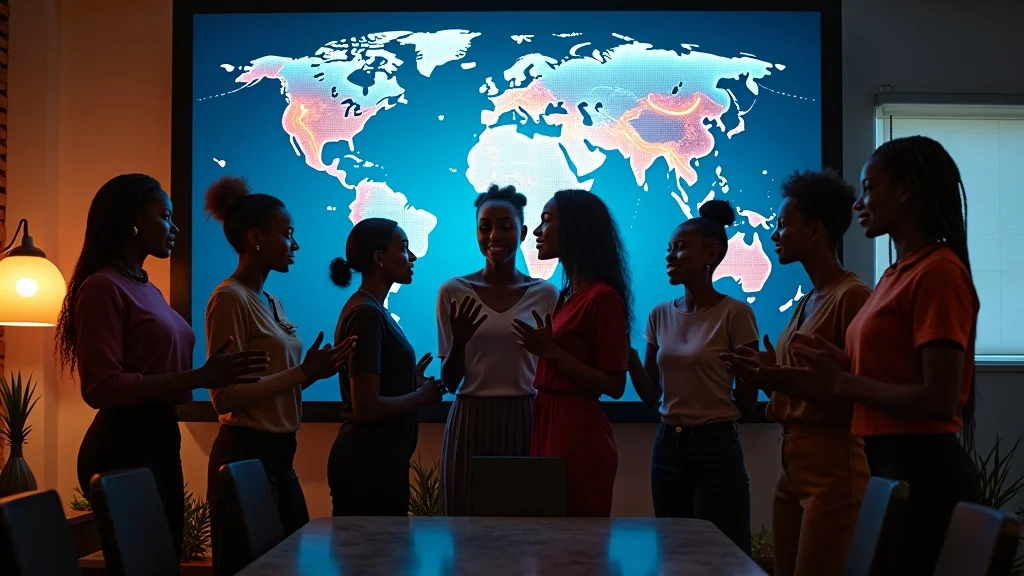
African innovators and creators collaborating in a digital workspace with globe, symbolizing global digital ownership

African innovation thrives at the intersection of tradition and modernity, drawing inspiration from local realities and global possibilities. As ai agents and automated ai tools become embedded in every product and service, protecting the unique outputs of African digital businesses becomes a vital mission. The ability to retain rights over digital assets ensures that creators and brands can participate meaningfully in the global economy rather than seeing their work diluted, misused, or appropriated without proper credit or compensation.

The consequences are not just financial. Failing to ensure fair digital ownership can erode cultural heritage, stifle local innovation, and perpetuate digital exclusion—removing African voices from the world’s shared digital narrative.

Digital Inclusion, Exclusion, and Innovation: The Ownership Divide

The AI-driven internet introduces both bridges and barriers. On one hand, technology can democratize access to tools, allowing small organizations to compete with global corporations. On the other, the lack of legal clarity around who owns what risks widening the divide between those in control of AI-enhanced assets and those who depend on access granted by someone else. For young African entrepreneurs and creators, digital inclusion is linked to digital ownership: without true rights, opportunities for innovation, education, and empowerment are quickly lost.

Smart customer data management, secure hosting provider agreements, and up-to-date knowledge about technology stacks all contribute to a more inclusive and empowered digital ecosystem.

Economic Empowerment and Creative Rights

At the heart of the debate is economic empowerment. Ownership of digital assets—whether protected by copyright, smart contracts, or local legislation—determines who gets rewarded for creativity, labour, and risk. For African economies, often rich in artistic talent yet struggling with legacy systems and global inequities, the stakes are particularly high. Strong digital ownership can elevate individual creators, build brand prestige, and spur investment in technology that benefits the continent as a whole.

Unlocking the full value of digital business in Africa hinges on maintaining the fine balance between innovation powered by AI agents and fair, accessible rules for creators and users alike.

What Are the Main Concerns Around Ownership of AI Outputs?

Opacity, Access, and Misappropriation

As ai tools spread across industries, they bring unprecedented efficiency—yet hidden costs lurk. Many organizations are troubled by the opacity of AI decision-making, the fluidity of platform rules, and the risk that valuable digital assets can be copied, altered, or used without consent. When access is controlled by a single vendor or proprietary hosting provider, users may lose all rights if terms change or systems fail.

Misappropriation—using someone else’s work without consent—becomes easier in the era of automated content creation, putting creators and businesses at a disadvantage against large, resource-rich platforms.

Risks for African Brands and Entrepreneurs

For African companies, the risks grow sharper: cultural expressions can be scraped, reused, or monetized by global AI agents with little recourse. The hidden cost here is not only economic but existential, threatening the ability to define, safeguard, and profit from homegrown innovation.

"Without robust digital rights, creators risk losing their legacy within seconds of an algorithm’s update."

As the ceo of the company or entrepreneur, a constant review of technology stack, vendor agreements, and digital asset protection strategies is no longer optional—it's mission critical.

Do You Really Own the Digital Items You Paid For?

Digital Goods, DRM, and Leasing vs. Owning

African user puzzled over DRM locks on digital content on various devices — challenges of digital ownership in an AI-driven era

Every time you buy a song, an eBook, or a software suite, it may feel like ownership—but often it’s only an access license governed by digital rights management (DRM). DRM locks can restrict, revoke, or alter your use of purchased content, meaning you might lose access if you switch platforms, change vendors, or encounter technical restrictions. This scenario is particularly daunting for African users navigating complex terms on global platforms.

The hidden costs of leasing instead of truly owning digital assets show up in lost access, reduced control, and sometimes even higher total spend. Educating yourself about the difference between licensing and true ownership is crucial for protecting your personal and professional digital footprint in this new era.

Case Study: African Streaming and Ownership Challenges

One example comes from the rapid growth of African streaming services. Local music, films, and creative works flourish online—but users frequently discover that purchased or downloaded content can become inaccessible if platforms change terms or lose streaming rights. The ability to truly own digital goods is challenged not just by the proliferation of AI agents, but also by technical and contractual limitations coded into every product.

Creators, meanwhile, must fight to retain their rights as content migrates across hosting providers and search engines—underscoring the urgency of developing digital business models that keep African control at the center of Africa’s creative economy.

What Role Do Digital Technologies Like AI and IoT Play in Digitalization?

Data Flow, Automation, and Emerging Ownership Models

The digitalization of Africa is fueled by AI agents and the Internet of Things (IoT), which automate processes, connect devices, and generate massive volumes of valuable data. These technologies are being added to almost every facet of urban life—from supply chains to entertainment. Yet, as they automate decision-making and gather customer data, the question of ownership over these new forms of digital assets grows more complex.

Emerging models—blockchain-based ledgers, digital IDs, and user-controlled data vaults—may offer alternatives that empower individuals and communities across the continent.

Examples from African Smart Cities and AgriTech

African smart city with interconnected IoT and AI-powered urban farming — innovations in digital ownership for Africa

African smart cities are adopting AI and IoT to optimize transport, grow agri-business, and build sustainable urban environments. For example, AI-powered urban farming projects and community-managed sensor networks drive productivity and reduce cost while raising important questions about who ultimately controls the data and digital assets produced. African entrepreneurs are also leading in agriTech—using ai chat, IoT sensors, and cloud-based ai tools—yet often must navigate complicated ownership agreements with international technology vendors.

Securing digital ownership here means more than economic value; it’s about agency, sovereignty, and the right to participate equally in Africa’s digital transformation.

Why Is Data Ownership Important for Africa’s Future?

Protecting Sovereign Data in a Borderless Internet

In a world where data crosses borders effortlessly, the ability for African individuals, organisations, and governments to control their own data is paramount. Ownership ensures that data is used not just for commercial gain by global giants, but for local development, social good, and culturally sensitive innovation.

Without sovereignty over customer data, African economies risk losing the power to direct their own futures—remaining dependent on the terms and priorities set by someone else.

Building Trust, Value, and Agency for African Users

Trust is at the core of every digital business. When users know their data and creations remain under their control, participation and innovation flourish. For Africa’s next generation of online leaders, digital ownership fuels agency, economic growth, and cultural pride. This is the foundation for reclaiming value in the global digital marketplace and for ensuring that technology works in the interest of Africans themselves.

Key Takeaways: Why Digital Ownership Matters More in an AI-Driven Internet

  • Individual and collective power rests on clear digital rights
  • African innovation deserves protection amid AI disruption
  • Data ownership is central to economic and cultural growth
  • Legal clarity and tech literacy are essential for a fair AI future

Frequently Asked Questions on Digital Ownership and AI

  • Can AI-generated content be copyrighted in Africa?
    Laws across Africa are evolving, and much depends on national intellectual property frameworks. In many countries, there are limited provisions for copyrighting AI-generated work unless there is clear human authorship or direction. As AI continues to produce more content, advocacy for strong, Africa-focused copyright rules is essential for protecting local creators.
  • What’s the difference between licensing and owning digital creations?
    Licensing grants you certain rights to use digital goods (like music or software) under specific conditions, often controlled by a single vendor or platform. True ownership, on the other hand, usually implies ongoing, unconditional access and control over your digital assets. Knowing the difference protects your investments and rights in an AI-driven marketplace.
  • How can I protect my digital assets?
    Start with educating yourself about your digital rights, use technology that puts you in control (like local hosting or encrypted storage), and always review platform and licensing terms. Legal safeguards and community networks can also bolster your protection against unauthorized use or platform changes.
  • Are African laws keeping pace with digital ownership issues?
    While many African countries are updating their laws to address digital business and AI, legislation often trails behind rapid technological change. Collaboration among policymakers, entrepreneurs, and advocacy groups remains crucial to building frameworks that protect African interests.

Table: Comparison of Digital Ownership Challenges Before and After AI Integration

Challenge Pre-AI Era Post-AI/Current
Content Origination Clear author/creator Ambiguous, AI-generated
Rights Enforcement Legal frameworks exist Lags behind technology
Economic Power Direct royalties Unclear, diluted earnings
Data Use & Access User controlled Often platform controlled

Quote: Vision for the Future of Digital Ownership in Africa

"Africa’s next digital leap will be defined not just by access to technology, but by who controls, benefits from, and owns the digital world we are building."

Lists: Steps to Secure Digital Ownership in an AI-Driven Internet

  1. Educate yourself and your team about your digital rights.
  2. Advocate for robust, progressive digital ownership laws.
  3. Review and critically assess all platform terms before uploading content.
  4. Employ digital tools and strategies for asset protection.
  5. Join networks that prioritize digital sovereignty for Africans.

Short documentary-style feature following young African tech startup founders as they discuss and navigate digital ownership challenges posed by AI-generated products and global collaborations. Includes interviews, dynamic scenes of teamwork, and informative motion graphics visualizing digital rights and ownership across the continent.

A panel of legal experts, entrepreneurs, and cultural innovators share best practices and insights into safeguarding intellectual property—highlighting strategies and case studies specific to Africa’s AI-powered creative sectors.

Conclusion: Navigating the New Digital Frontier as Africans

The power to shape Africa’s digital destiny lies in our hands. By owning our digital future—legally, ethically, and creatively—we secure agency, prosperity, and cultural sustainability in an AI-driven world.

As you reflect on the evolving landscape of digital ownership in Africa, remember that the journey doesn’t end with understanding the challenges—it's about seizing the opportunities that AI and digital tools present. By staying informed and proactive, African entrepreneurs and creators can harness technology to build resilient, future-ready businesses. For those eager to dive deeper into the practical side of digital transformation, exploring how AI-driven platforms can streamline your online presence is a powerful next step. Continue your learning and discover actionable strategies for digital growth by visiting this comprehensive resource on AI website building for WordPress—and unlock new possibilities for your brand in the digital age.

Discover the AI Signal Briefs Digital Newsletter Created For African Entrepreneurs and Brand Executives

Stay informed, empowered, and connected: Join the AI Signal Briefs Digital Newsletter for crucial updates, insights, and actionable strategies designed for Africa’s creative and business leaders navigating the edge of the new digital age.

Sources

  • Why Digital Ownership Matters More Than Ever with lilAgents
  • In the AI era, audience ownership matters
  • Please Help Me Understand Why Digital Ownership Owns ...
  • Why Digital Ownership Matters More Than Ever with lilAgents
  • Concerns Over Data Ownership Rights Prompt New ...
  • AI & Content Ownership Issues | Indianapolis Attorney

SOVEREIGNTY IN ACTION

0 Views

0 Comments

Write A Comment

*
*
Please complete the captcha to submit your comment.
Related Posts All Posts
08.24.2026

Understanding ‘Slop’: Why AI Generates Generic Business Descriptions

In today’s digital marketplace, many African and Diaspora businesses face a subtle yet critical challenge: AI-generated business descriptions often fail to capture the true essence and warmth behind their brand. Imagine a potential customer visiting your website or social media and being greeted not by your genuine humanity, but by an impersonal, generic profile created by a machine. This experience, coined as “slop,” reflects the AI’s guesswork without your authentic input. AI generic business descriptions may serve as convenient placeholders, but they undermine your brand's soul and unique value. In this article, we’ll uncover why this happens and show you how to reclaim your authentic identity in a machine-driven world, turning AI from a guessing tool into a powerful amplifier of your business. The Power of Human Connection in Business Descriptions At the heart of every successful business lies a deep human connection — an intangible bond based on trust, care, and personal understanding. Before digital tools emerged, customers experienced your business as a warm, personal space, building relationships through lived interactions. This human connection creates a powerful emotional imprint, one that AI cannot intuitively recreate. The Personal Brand Africa founder, The SHE E-Boss, puts it aptly: “This customer has captured your visceral self, the core identity that exists in the room long before any marketing campaign begins. ” This visceral self is what differentiates your brand from every other generic description churned out by AI business description generators. To maintain this warmth and authenticity, your digital content must mirror the emotional resonance and trust your customers feel in person. The Felt Experience: Capturing Emotional Resonance The felt experience is the emotional connection your customers carry after engaging with your business. This emotional resonance transcends simple words — it is the feeling of being truly seen, understood, and valued. When a client walks away with this warmth, it creates lifelong loyalty and referrals, grounded in genuine care that machines cannot replicate. Sadly, most ai generic business descriptions miss this critical element, resulting in cold, lifeless text that leaves potential clients disengaged. Capturing this feeling digitally requires translating the essence of your offer into evocative, heartfelt language. This is where many businesses falter, leaving AI tools to fill your story’s gaps with generic, faceless content that fails to communicate your unique spirit. For founders seeking practical ways to ensure their digital presence stands out, exploring how African women are leveraging AI for innovation can offer valuable, real-world inspiration. The AI Sovereignty Brief highlights tactical approaches and success stories that demonstrate the impact of authentic, founder-driven narratives in the age of automation. The Unique Action: Defining Your Signature Solution Every business solves a problem in its own distinct way — a signature solution that reflects not only expertise but also a philosophy and care style unique to the founder. This uniqueness needs to be clearly documented and communicated. AI business description generators rely heavily on your provided data, but when that data lacks specificity, the AI defaults to broad statements that don’t highlight your distinctive approach. By consciously articulating what sets your business apart, you give AI the material it needs to build a compelling, accurate narrative. This clarity helps avoid the infamous “slop,” turning what could be generic content into compelling, memorable descriptions that resonate with your target audience. The Earned Trust: Building Deep Client Confidence As the founder explains, “This customer has captured your visceral self, the core identity that exists in the room long before any marketing campaign begins.” – The SHE E-Boss, The Personal Brand Africa Trust is the foundation of lasting business relationships. It is earned through consistent excellence and a personal touch that reassures clients they are valued beyond mere transactions. This earned trust creates a deep connection, one that your digital presence must echo to convert casual visitors into devoted customers. Unfortunately, AI-generated descriptions often omit this vital nuance, presenting a business purely as a service provider rather than a trusted partner. Incorporating quality testimonials, storytelling, and founder insights into your digital content supports the trust-building process. This approach turns your AI business description from a hollow outline into a genuine reflection of your relationship with clients. How AI Business Description Generators Create Generic Outputs While AI provides impressive tools for generating content, it often creates generic outputs when it lacks proper input about your business identity. For the African and Diaspora brand, this becomes especially critical because many founders have yet to translate their vibrant, personal story into written digital form. Missed opportunities occur at the very first digital point of contact. Instead of a warm handshake or welcoming environment, new clients encounter an impersonal machine, often relying on generic templates and incomplete data to form a description of your brand. This disconnect is where “slop” originates — the AI guesses about who you are without an introduction that reflects your true self. The Silent Shift: From Handshake to Machine Interaction The shift from human-to-human “handshake” introductions to AI-powered first impressions has transformed the marketing landscape. Search engines, chatbots, and automated description generators are now the gatekeepers between you and potential clients. This digital first impression operates on algorithms and data points, unable to sense the emotional subtleties that make your business unique. In this context, AI tools are not failing because they are inherently flawed — they are guessing based on the data available. If your business lacks clearly articulated digital identity, AI fills in the blanks with generic text that fails to engage or differentiate you. The Anatomy of Slop: Why AI Guesses Without Your Brand Soul “Slop” arises when AI attempts to manufacture a business narrative without detailed, authentic input. Essentially, machines lack the ability to feel or interpret human essence, forcing them to create placeholder descriptions that sound detached and impersonal. The root cause is the absence of documented identity: founders who rely solely on physical presence without translating their business soul into words leave AI with little to work with. As a result, your digital persona becomes a shadowy outline, unrecognizable to those who know and love your brand. The Cause and Effect of Missing Digital Identity Lacking a written identity causes a cascade of missed opportunities. When your digital presence doesn’t clearly express who you are and what you uniquely offer, AI tools generate bland descriptions that fail to engage or convert visitors. Potential clients may scroll past your online profiles or confuse your business with others, severely diminishing your visibility and competitive edge. Therefore, documenting your identity is not just marketing; it is a survival strategy. It arms AI with the truth, empowering machines to represent your brand faithfully and compellingly in the digital realm. Bridging the Gap: Translating Your Business Soul into Words To escape the trap of generic AI outputs, brands must create what The Personal Brand Africa calls a “Brand Soul. ” This process captures the core identity and intangible qualities that your best customers already experience, then translates them into language that digital tools can use effectively. By bridging this gap, you ensure the AI helps tell your authentic story rather than guessing blindly. This translation turns you from an anonymous entry in a digital database into a vivid presence that resonates across channels. Creating a Brand Soul for Accurate AI Business Descriptions A Brand Soul encapsulates the feelings, unique approaches, and trustworthiness that define your business experience. Developing it involves disciplined reflection and documentation, asking foundational questions that reveal your business’s true character. Effective Brand Soul documentation translates emotional quality into vivid keywords, phrases, and stories that AI can accurately process. This clear blueprint helps AI tools produce business descriptions that speak warmly and accurately to your audience. Founder’s Self-Reflection Checklist for Defining Identity The founder of Personal Brand Africa emphasizes, “By answering these questions, you ensure that your identity is never lost in translation.” – The SHE E-Boss Who is your business, really? Who is it for? What does it feel like to be served by you? Reflecting on these questions breaks down the abstract notion of identity into concrete, communicable insights for AI. This practice ensures your digital narrative remains a true extension of your founder’s vision and customer experience. From Branding to Survival: The Critical Role of AI Business Descriptions What was once a secondary concern called “branding” has become a matter of survival in a market dominated by AI-driven first impressions. Clear, well-documented brand identities determine whether your business thrives or fades into obscurity in digital marketplaces. When AI tools receive a robust Brand Soul to work from, they transform from random guessers into powerful amplifiers that spread your authentic story with precision and warmth. Why Clear Brand Identity is Essential in the Age of AI Tools AI tools function by processing input data to create output content. Without clear, unique data about your brand, the tool’s output defaults to generic language that fails to engage or convert. Clear brand identity input acts as vital training data for AI, unlocking its ability to generate personalized, compelling descriptions that truly reflect your business soul. This clarity also ensures consistency across platforms, building recognition and trust with your audience over time—a critical factor as AI increasingly acts as the digital front door to your business. How AI Business Description Generators Amplify or Erase Your Presence With a strong Brand Soul, AI becomes a magnifier of your message, amplifying your unique voice and values far beyond your physical reach. Conversely, without this foundation, AI-generated descriptions can render your business invisible or indistinct among competitors. The choice is clear: provide AI with authentic, founder-led data, or risk being reduced to nameless “slop” lost in a sea of generic content. Common Misconceptions About AI Business Descriptions AI Tools Are Not Failures but Require Founder Input It is a common misconception that AI business description generators fail because of technology flaws. In reality, these tools operate exactly as designed, producing output based on the data they receive. If that data lacks personality, clarity, or founder insight, the output will be generic. As The SHE E-Boss states, “The machine is not failing you: it is simply attempting to speak for a stranger. ” To harness AI’s power, founders must provide intentional input — defining their identity and values in clear, evocative language that the AI can reference. Why Generic Descriptions Harm Small Business Visibility Generic AI-generated descriptions don’t just feel impersonal; they actively harm small business visibility online. Search algorithms prioritize relevant, detailed, and authentic content that matches user intent and search queries. Generic descriptions fail to differentiate your brand or target your specific audience, resulting in poorer search rankings and reduced web traffic. By crafting precise, founder-authored descriptions, you enhance SEO while simultaneously conveying the human story behind your business—making you both findable and memorable. Actionable Tips for Crafting Effective AI Business Descriptions Documenting Your Unique Value Proposition Begin by writing down what makes your business unique. Focus on the problems you solve differently, the emotions you evoke, and the trust you build. Use clear, descriptive words that convey warmth and personality alongside facts. This documented value proposition becomes a cornerstone for AI business description generators, enabling them to produce content that highlights your distinct advantages instead of defaulting to clichés. Leveraging AI Tools with a Strong Brand Soul Once you have your Brand Soul documented, feed this data into AI content tools thoughtfully. Use your unique value phrases as prompts or key inputs to guide AI outputs toward authenticity. Experiment with multiple tools and human edits to produce polished, true-to-brand descriptions that reflect your business spirit. Maintaining Consistency Across Digital Platforms Consistency is crucial to building trust. Ensure your Brand Soul is reflected uniformly across your website, social media profiles, online directories, and any AI-generated descriptions. This unified presence helps both search engines and customers recognize and remember your brand identity. People Also Ask What are common AI buzzwords? Common AI buzzwords include machine learning, natural language processing, generative AI, language model, and artificial intelligence. These terms describe various technologies that enable machines to interpret, learn from, and generate human-like text or behaviors. Understanding these buzzwords helps businesses better utilize AI tools effectively. What is a $900,000 AI job? A $900,000 AI job typically refers to high-level roles in AI development, research, and engineering that command high salaries due to expertise, experience, and the strategic value these positions provide. These jobs involve designing sophisticated AI models, managing AI initiatives, or leading digital transformations in large enterprises. Can you give me some examples of AI businesses? Examples of AI businesses include companies like OpenAI, DeepMind, IBM Watson, and many startups providing AI-powered solutions such as chatbots, AI marketing platforms, automated content generators, and predictive analytics services. These firms create tools that assist other businesses in leveraging AI technology. How to get AI to mention your business? To get AI to mention your business accurately, you must provide detailed, authentic, and consistent information about your brand online. This includes maintaining a robust digital presence with well-documented brand identity, optimized content, and active engagement. Feeding clear data into AI business description tools ensures your business soul shines through AI-generated mentions. Summary of Key Takeaways AI generic business descriptions often lack the emotional and unique elements that define your brand soul. Documenting your business identity is essential to guide AI tools in generating accurate descriptions. A strong digital brand presence transforms AI from a guessing machine into a powerful amplifier of your business. Founder involvement is critical to avoid ‘slop’ and ensure your business stands out in digital marketplaces. Final Thoughts on AI Generic Business Descriptions and Brand Identity Your active role in documenting and communicating your Brand Soul is the most effective way to ensure AI-generated descriptions reflect your true business identity and help you thrive in today’s digital-first marketplace. If you’re ready to deepen your understanding of how AI is shaping the future for African founder-innovators, consider exploring broader trends and strategic insights in the AI Sovereignty Brief. This resource goes beyond business descriptions, offering a panoramic view of AI’s role in empowering entrepreneurs, driving innovation, and redefining digital sovereignty across the continent. By staying informed and proactive, you can position your brand at the forefront of the AI revolution—equipped not just to survive, but to lead with authenticity and vision in the evolving digital landscape. We invite you to join the conversation and learn about AI in the 21st century marketing reality: https://the.personalbrand.africa/hearth-prelude-hello Sources https://numerous.ai/blog/ai-business-description-generatorhttps://www.uschamber.com/co/start/strategy/ai-tools-for-product-descriptionshttps://www.seoptimer.com/ai-business-description-generator

08.24.2026

Creating Your Brand Soul: Translating Business Essence into Words

In today’s fast-evolving digital landscape, the essence of your business — your brand soul — is more crucial than ever. Customers no longer meet you first in person; they encounter machines and algorithms that interpret your identity. Without a clear and precise digital representation, your unique value risks being lost in a hollow, generic narrative. This article guides founders on how to effectively document their business identity through brand soul documentation to preserve authentic connections and build trust in digital spaces. Understanding the Importance of Brand Soul Documentation in Modern Business At the heart of every successful enterprise lies a deep emotional connection between the business and its customers. This connection forms the felt experience — the unique emotional resonance customers carry away after engaging with your brand. It is distinct from generic professionalism; it’s a warmth and authenticity that customers remember and share with family and friends. Alongside this feeling is your unique action, the specific way you solve problems that no other business can. This leaves a lasting signature of excellence long after the transaction. Most importantly, this leads to the earned trust — a quiet confidence born from consistent personal care and reliability. As The SHE E-Boss of The Personal Brand Africa explains, “This customer has captured your visceral self, the core identity that exists in the room long before any marketing campaign begins. ” The Felt Experience: Emotional resonance customers carry away The Unique Action: Your distinct problem-solving signature The Earned Trust: Consistent personal care as a sacred promise The Shift from Physical to Digital: How Machines Represent Your Business Traditionally, businesses made their first impression through a handshake, physical presence, and personal care in a welcoming environment. However, in today’s digital-first world, potential customers encounter your business initially through automated tools like search engines and artificial intelligence (AI). These digital “machines” act as gatekeepers, deciding whether and how your business is introduced. Traditional First Impression Modern First Impression The Handshake The Search The Care The AI Answer The Room The Machine This shift raises the same fundamental question for customers: Who are you, and can I trust you? The SHE E-Boss, founder of The Personal Brand Africa, wisely notes, “While the medium of this introduction has changed significantly, the core question remains: Who are you, and can I trust you?” The Problem of "Slop": Why Machines Guess Without Brand Soul Documentation Without clearly documented identity, the AI machines that represent your brand in the digital world can only make generic guesses about who you are. This results in what is called “slop” — hollow, soul-less descriptions that fail to authentically reflect your business’s unique personality and value. This isn’t a flaw in technology; it’s simply the machine’s need to produce an answer in the absence of founder-provided identity. Key reasons behind this “slop” problem include: Lack of written identity leads to generic machine descriptions AI fills the void with hollow approximations The importance of providing clear, evocative words to machines to avoid misrepresentation For founders seeking practical strategies to ensure their digital presence is both authentic and resilient, exploring how African innovators are leveraging AI for brand sovereignty can offer valuable, real-world insights. Discover more in The AI Sovereignty Brief, which highlights actionable approaches for navigating the intersection of technology and identity. Bridging the Gap: Translating Your Business Soul into Words To ensure that AI and digital platforms faithfully represent your business, you must create and document your brand soul — a clear, powerful expression of your business’s essence captured in words. This process turns the emotional, human connection into an authentic digital identity ready to be recognized and trusted online. The SHE E-Boss emphasizes the power of self-reflection in this process: “By answering these questions, you ensure that your identity is never lost in translation. ” Founders should ask themselves: Who is your business, really? Who is it for? What does it feel like to be served by you? Answering these questions provides the foundation for authentic messaging that resonates with customers and informs AI tools with your business’s true character. From Branding to Survival: The Critical Role of Brand Soul Documentation What was once considered a luxury — branding — has now become a matter of survival in the AI-driven marketplace. Clear brand soul documentation enables machines to instantly recognize your business identity, differentiating you from faceless competitors and generic profiles. This clarity decides whether your brand is amplified by technology or overlooked and erased. Branding as a luxury has evolved into a survival tool Clear brand soul documentation enables instant recognition by AI The difference between being amplified or erased by technology Without Brand Soul Documentation With Brand Soul Documentation Generic, soul-less machine descriptions Authentic, trusted digital presence Lost identity in digital spaces Consistent identity across all platforms Missed opportunities for customer trust Enhanced customer confidence and loyalty Common Misconceptions About Brand Soul Documentation Despite its importance, some founders may misunderstand brand soul documentation. It is not mere marketing fluff, nor is it unnecessary when you have a strong physical presence. Machines will not intuitively understand your business’s unique essence without your input. Addressing these misconceptions helps ensure your business invests in this vital process. It is just marketing fluff It can be ignored if physical presence is strong Machines will understand your business without input Actionable Tips for Effective Brand Soul Documentation Engage in deep self-reflection about your business essence Document your unique value in clear, evocative language Regularly update your digital identity to reflect growth and changes Use storytelling to convey emotional resonance and build connections People Also Ask What is brand soul documentation and why is it important? Brand soul documentation is the process of capturing the unique essence and identity of a business in words. It is important because it allows AI and digital platforms to accurately represent your business, building trust with customers. How can I create an authentic brand soul for my business? Reflect on your business’s core values and customer experience. Answer key questions about who you are, who you serve, and how you make customers feel. Translate these insights into clear, consistent messaging. Can brand soul documentation improve my digital marketing? Yes, it ensures that AI tools and search engines present your business authentically. This leads to better customer engagement and higher trust online. Summary of Key Takeaways Brand soul documentation bridges the gap between human connection and digital representation. It transforms your business from a generic digital entry to a trusted presence. Clear identity is essential for survival in the AI-driven marketplace. Final Thoughts on Brand Soul Documentation As the founder of Personal Brand Africa concludes, “When you are ready to put your soul into words, you move from being a generic entry in a database to a distinct and trusted presence in the market.” Join the Conversation on AI and 21st Century Marketing We invite you to join the conversation and learn about AI in the 21st century marketing reality. Visit https://the.personalbrand.africa/hearth-prelude-hello to engage and explore further. Conclusion Begin documenting your brand soul today to ensure your authentic identity thrives both in person and online—building trust, standing out, and surviving in the digital age. As you continue your journey toward a more authentic and resilient brand identity, consider broadening your perspective on how AI is shaping the future for African founder-innovators. The landscape is evolving rapidly, and those who understand the strategic implications of AI sovereignty will be best positioned to lead. For a deeper dive into the intersection of intelligence, innovation, and digital empowerment, explore the insights shared in The AI Sovereignty Brief. Unlock advanced strategies and stay ahead in the dynamic world of AI-driven business transformation. To deepen your understanding of brand soul documentation and its pivotal role in modern business, consider exploring the following resources: The Brand Soul Research Report by Gigasavvy examines 15 brands to uncover what creates, sustains, or diminishes a brand’s soul, emphasizing that brand soul is an organizational truth that cannot be manufactured and is crucial for standing out in today’s market. (gigasavvy.com) The book Brand Soul by Nicolas de Salas delves into building a human-centric brand that resonates emotionally with consumers, offering insights into creating long-term positive relationships through authentic brand essence. (oreilly.com) If you’re serious about authentically translating your business essence into words, these resources will provide valuable insights and strategies to guide you.

08.22.2026

How AI and Search Engines Shape Your Brand’s First Impression

In today's digital age, the first encounter between a customer and a brand is no longer a warm handshake or face-to-face exchange. Instead, artificial intelligence and search engines have become the new gatekeepers shaping your brand's first impression. Understanding the AI impact on brand perception is essential for businesses eager to maintain authenticity and build trust in a world dominated by machines. This article delves into the transformative shift from human connection to digital interaction, offering insights on how to preserve your brand’s unique soul within AI-driven environments. Understanding the Human Element in Brand Perception The Power of the Human Room in Building Trust Trust has traditionally been the lifeblood of brand perception, deeply rooted in human interaction and genuine connection. In bustling continental markets and vibrant Diaspora communities, customers return not just because of products, but because they feel uniquely seen and understood. This feeling is often described as the "human room" — the space where emotional resonance is formed through personal care and authentic engagement. AI impact on brand perception cannot replicate the warmth and trust conveyed in these moments, making it crucial to acknowledge the irreplaceable value of human connection. As The SHE E-Boss of The Personal Brand Africa explains, The customer who truly knows your heart carries a visceral truth that no machine can replicate. This underscores the importance of nurturing deep relationships that translate beyond physical spaces. Your brand’s soul exists long before any marketing campaign and lives vividly in how customers experience your care firsthand — a foundational pillar that AI must learn from, not replace. The Felt Experience, Unique Action, and Earned Trust The concept of brand perception hinges on three intertwined human experiences: the felt experience, unique action, and earned trust. The felt experience is the emotional imprint customers take away, a sensation of being truly welcomed and understood. It differs vastly from cold digital impressions, as it creates lasting loyalty by connecting emotionally. Next, the unique action represents the distinctive problem-solving that only a particular brand can deliver. This signature approach distinguishes your business in a crowded marketplace, leaving an indelible mark on customers. Lastly, earned trust is the quiet, consistent assurance customers feel when you deliver personal care repeatedly. These human elements are the essence that AI-driven platforms often miss without a clear digital brand identity. Capturing them in words is the key to transforming AI’s perception of your brand from generic to authentic. For founders seeking actionable strategies to navigate the intersection of AI and brand identity, exploring how African women in tech are leveraging AI for innovation can provide practical insights and inspiration. The AI Sovereignty Brief offers a closer look at real-world applications and leadership in this evolving landscape, which can inform your own approach to digital brand building. Discover how AI is empowering women founders in tech. The Impact of Artificial Intelligence on Brand Perception From Handshakes to Search Engines: The New First Impression The landscape of customer interaction is undergoing a profound transformation as the handshake becomes the search. Whereas a potential customer once stepped into a warm physical environment, today their first encounter is likely through AI-powered search engines or virtual assistants. This shift heralds a new era where the AI impact on brand perception dictates whether a customer feels invited or alienated. Machines now speak on behalf of businesses before any direct human contact, setting the tone for expectations and trustworthiness. This digital introduction may be efficient, but lacks the nuance of a personal handshake. It challenges brands to carefully craft their online presence because these AI systems rely heavily on the digital information they gather to form their understanding of your brand. How AI Tools Act as Gatekeepers in Customer Engagement AI tools such as search engines, chatbots, and recommendation algorithms have become increasingly sophisticated gatekeepers, influencing customer decisions by filtering and presenting brand information. They analyze vast amounts of data to interpret, categorize, and ultimately promote your business to potential customers. Despite their power, AI tools face a significant limitation: they operate without emotional intelligence and solely interpret the data given to them. The AI impact on brand perception depends entirely on the quality and clarity of your digital identity. An incomplete or vague digital footprint results in generic, uninspiring interactions that fail to convert interest into loyalty. The Challenge of "Slop": When Machines Guess Your Brand Identity Why Lack of Written Identity Leads to Generic AI Descriptions Without a well-documented and articulate digital identity, AI systems are forced to guess, resulting in what experts now call “slop. ” This “slop” reflects a generic, soulless description of your brand that lacks any unique character or emotional depth. The root cause lies in the absence of deliberate, founder-led documentation of your brand’s essence. If your business relies solely on physical interactions, AI perceives a void and fills it with broad, non-specific content that fails to communicate what makes your brand special. This disconnect can significantly diminish your brand’s perceived value and result in lost opportunities. The Role of Data Analysis and Sentiment Analysis in Avoiding Slop To combat “slop,” it is essential to leverage advanced data analysis and sentiment analysis tools that help monitor and refine how AI perceives your brand. These technologies evaluate language and emotional tone across digital content, ensuring that your brand’s voice remains consistent and authentic. The SHE E-Boss of The Personal Brand Africa notes, The machine is not failing you; it is simply attempting to speak for a stranger without your brand’s soul. This highlights the responsibility of business founders to bridge this gap through intentional, founder-led storytelling that AI can understand and relay accurately. Translating Your Brand Soul into Words for AI Recognition Creating a Brand Soul: The Bridge Between Feeling and Digital Identity “Brand soul” refers to the crystallised documentation of what your business stands for — its values, emotional resonance, and unique qualities. Translating this soul from the visceral, human experience into clear, evocative language is the essential bridge between the heartfelt interaction your best customers know and the AI systems interpreting your brand online. This process requires discipline and thoughtful reflection, moving beyond superficial branding to capture the core essence that differentiates you in a competitive marketplace. Through such documentation, you empower AI tools to represent your business with accuracy and depth, facilitating meaningful connections even before personal contact. Founder’s Self-Reflection Checklist for Defining Brand Essence Who is your business, really? Who is it for? What does it feel like to be served by you? Answering these questions enlightens founders about their business’s true identity. This clarity is vital not just for marketing, but for the very survival of the brand amid AI-driven marketplaces. When your brand soul is clear and accessible, you ensure that AI tools can communicate your value authentically and consistently. Evolving Brand Strategy: From Luxury to Survival in the AI Era How Using AI Transforms Brand Strategy and Customer Service Where once brand strategy was considered a marketing luxury, in today’s environment, it has transformed into a necessity for business survival. AI’s pivotal role requires brands to strategize with their digital identities as a priority. Integrating AI tools into brand strategy enhances customer service by delivering consistent, data-driven engagement that respects the brand's core soul. By doing so, businesses can efficiently manage customer expectations and build long-term loyalty even in virtual environments. Building Brand Equity Through Clear AI-Driven Brand Perception Clear, well-defined brand identity communicated through AI establishes strong brand equity. Brands recognized authentically by AI have amplified visibility and credibility, setting them apart from competitors. The difference lies in transforming from generic database entries into distinct presences that consumers trust and prefer. This proactive branding stance mitigates the risk of being lost or misrepresented in AI-driven ecosystems, turning technology into an ally rather than a hurdle. Aspect Traditional Branding AI-Driven Brand Strategy First Point of Contact Physical handshake or personal meeting Search engines and AI tools Identity Expression Human storytelling and in-person experience Digital documentation and AI-readable content Trust Building Emotional and personal connections Consistent AI portrayal of brand soul Customer Engagement Direct interaction and feedback AI-informed personalised communication Risk Miscommunication due to human error Generic “slop” if brand identity is unclear Common Misconceptions About AI and Brand Perception Debunking Myths Around AI Tools and Brand Authenticity One common myth is that AI inherently diminishes brand authenticity. In reality, AI tools only reflect the information provided. If a brand’s soul is thoroughly documented, AI enhances rather than detracts from authenticity. The myth erroneously assumes AI is an autonomous creator of brand messages, rather than an interpreter and amplifier of human input. Therefore, the onus remains on founders to craft compelling digital identities. Authenticity is preserved and even elevated when AI is used strategically and thoughtfully, integrating the human narrative into automated channels. The Importance of Human Oversight in AI Content Creation Human oversight remains indispensable in AI content creation. Machines can generate volumes of content but cannot intuitively grasp emotional subtleties or cultural nuances that define brand personality. Monitoring and guiding AI output ensures that the brand’s voice remains coherent and true to its essence. This synergy between technology and human insight fosters trust among customers who engage with the brand through AI-powered platforms, maintaining a seamless brand perception across all touchpoints. Actionable Tips for Enhancing Your Brand’s AI Impact on Brand Perception Practical Steps to Document and Communicate Your Brand Soul Conduct a brand soul discovery session, answering foundational questions about your business identity. Create detailed, evocative written content that reflects your unique values and customer experiences. Regularly update digital assets to maintain relevance and accuracy. Use storytelling techniques that convey emotional resonance, making your written identity relatable for both humans and machines. These steps fortify your brand’s foundation in AI environments, preventing generic misrepresentations and fostering deeper customer loyalty. Leveraging AI Tools for Consistent Customer Engagement Embrace AI tools like chatbots, personalized email marketing, and social media automation to maintain real-time engagement with your customers. Integrating these tools with your documented brand soul ensures that every digital touchpoint communicates your authentic voice. Consistent engagement supported by AI-driven insights enables proactive customer service and builds robust brand equity. This strategic use of AI transforms technology from a faceless intermediary to a powerful amplifier of your business’s true identity. People Also Ask How does AI impact brand perception? AI impacts brand perception by acting as the first point of contact for customers, shaping their initial impression through search results and automated responses. Without a clear digital identity, AI may generate generic descriptions that fail to capture the brand’s unique essence. What is brand soul and why is it important? Brand soul is the documented essence of a business that conveys its unique value and emotional resonance. It is crucial for ensuring consistent brand perception across both human and AI interactions, helping to build trust and recognition. How can businesses improve their AI-driven brand perception? Businesses can improve AI-driven brand perception by clearly documenting their brand identity, using precise language that reflects their unique qualities, and actively managing their digital presence to guide AI tools in representing them accurately. What You'll Learn How human trust and emotional connection form the foundation of brand perception. The evolving role of AI and search engines as the new front door for brands. Why clear digital identity prevents “slop” and generic AI descriptions. Steps to document and articulate your brand soul for AI and human audiences. How to leverage AI tools for authentic and consistent customer engagement. Key Takeaways AI has become the new gatekeeper for brand perception, replacing traditional human interactions. Without a clear digital identity, AI generates generic and ineffective brand descriptions. Documenting your brand soul is essential for survival and success in the AI-driven market. Founder-led brand storytelling bridges the gap between human experience and machine understanding. Leveraging AI tools thoughtfully enhances customer engagement and brand equity. Conclusion In an era where machines shape first impressions, prioritize translating your brand’s unique soul into clear, evocative digital identities. As The SHE E-Boss of The Personal Brand Africa emphasizes, “When your soul is clearly stated and documented, you give the machines the information they need to recognize you instantly. ” Embrace this approach to sustain authenticity, trust, and distinction in a crowded digital marketplace. Call to Action: We invite you to join the conversation and learn about AI in the 21st century marketing reality https://the.personalbrand.africa/hearth-prelude-hello If you’re ready to deepen your understanding of how AI is transforming the business landscape for African founder-innovators, there’s a wealth of strategic insight waiting for you. The AI Sovereignty Brief explores the broader implications of AI adoption, leadership, and sovereignty in tech, offering a forward-looking perspective on innovation and empowerment. By expanding your knowledge beyond brand perception, you’ll be better equipped to navigate the evolving digital frontier and position your business for long-term success. Explore the future of AI-driven innovation for African founders and unlock new opportunities for growth. Sources https://www.vergemarketing.agency/blog/ai-brand-managementhttps://www.sciencedirect.com/science/article/pii/S2667096823000514https://www.nature.com/articles/s41599-025-04488-6

© 2026 The Sovereign Momentum Architects Newsletter All Rights Reserved. 3207 West Main Street, Kalamazoo, MI 49006 . Contact Us . Terms of Service . Privacy Policy

eyJjb21wYW55IjoiVGhlIFNvdmVyZWlnbiBNb21lbnR1bSBBcmNoaXRlY3RzIE5ld3NsZXR0ZXIiLCJhZGRyZXNzIjoiMzIwNyBXZXN0IE1haW4gU3RyZWV0IiwiY2l0eSI6IkthbGFtYXpvbyIsInN0YXRlIjoiTUkiLCJ6aXAiOiI0OTAwNiIsImVtYWlsIjoiaGVsbG9AYWkuc292ZXJlaWdubW9tZW50dW0uY29tIiwidG9zIjoiUEhBK1BITjBjbTl1Wno0OFpXMCtWMmhsYmlCNWIzVWdjMmxuYmkxcGJpQjNhWFJvSUhWekxDQjViM1VnWVhKbElHZHBkbWx1WnladVluTndPeUI1YjNWeUlIQmxjbTFwYzNOcGIyNGdZVzVrSUdOdmJuTmxiblFnZEc4Z2MyVnVaQ0I1YjNVZ1pXMWhhV3dnWVc1a0wyOXlJRk5OVXlCMFpYaDBJRzFsYzNOaFoyVnpMaUJDZVNCamFHVmphMmx1WnlCMGFHVWdWR1Z5YlhNZ1lXNWtJRU52Ym1ScGRHbHZibk1nWW05NElHRnVaQ0JpZVNCemFXZHVhVzVuSUdsdUlIbHZkU0JoZFhSdmJXRjBhV05oYkd4NUlHTnZibVpwY20wZ2RHaGhkQ0I1YjNVZ1lXTmpaWEIwSUdGc2JDQjBaWEp0Y3lCcGJpQjBhR2x6SUdGbmNtVmxiV1Z1ZEM0OEwyVnRQand2YzNSeWIyNW5Qand2Y0Q0S0NqeHdQanhoSUdoeVpXWTlJbWgwZEhBNkx5OTNkM2N1WjI5dloyeGxMbU52YlNJK2FIUjBjRG92TDNkM2R5NW5iMjluYkdVdVkyOXRQQzloUGp3dmNENEtDanh3UGladVluTndPend2Y0Q0S0NqeHdQanh6ZEhKdmJtYytVMFZTVmtsRFJUd3ZjM1J5YjI1blBqd3ZjRDRLQ2p4d1BsZGxJSEJ5YjNacFpHVWdZU0J6WlhKMmFXTmxJSFJvWVhRZ1kzVnljbVZ1ZEd4NUlHRnNiRzkzY3lCNWIzVWdkRzhnY21WalpXbDJaU0J5WlhGMVpYTjBjeUJtYjNJZ1ptVmxaR0poWTJzc0lHTnZiWEJoYm5rZ2FXNW1iM0p0WVhScGIyNHNJSEJ5YjIxdmRHbHZibUZzSUdsdVptOXliV0YwYVc5dUxDQmpiMjF3WVc1NUlHRnNaWEowY3l3Z1kyOTFjRzl1Y3l3Z1pHbHpZMjkxYm5SeklHRnVaQ0J2ZEdobGNpQnViM1JwWm1sallYUnBiMjV6SUhSdklIbHZkWElnWlcxaGFXd2dZV1JrY21WemN5QmhibVF2YjNJZ1kyVnNiSFZzWVhJZ2NHaHZibVVnYjNJZ1pHVjJhV05sTGlCWmIzVWdkVzVrWlhKemRHRnVaQ0JoYm1RZ1lXZHlaV1VnZEdoaGRDQjBhR1VnVTJWeWRtbGpaU0JwY3lCd2NtOTJhV1JsWkNBbWNYVnZkRHRCVXkxSlV5WnhkVzkwT3lCaGJtUWdkR2hoZENCM1pTQmhjM04xYldVZ2JtOGdjbVZ6Y0c5dWMybGlhV3hwZEhrZ1ptOXlJSFJvWlNCMGFXMWxiR2x1WlhOekxDQmtaV3hsZEdsdmJpd2diV2x6TFdSbGJHbDJaWEo1SUc5eUlHWmhhV3gxY21VZ2RHOGdjM1J2Y21VZ1lXNTVJSFZ6WlhJZ1kyOXRiWFZ1YVdOaGRHbHZibk1nYjNJZ2NHVnljMjl1WVd4cGVtRjBhVzl1SUhObGRIUnBibWR6TGp3dmNENEtDanh3UGxsdmRTQmhjbVVnY21WemNHOXVjMmxpYkdVZ1ptOXlJRzlpZEdGcGJtbHVaeUJoWTJObGMzTWdkRzhnZEdobElGTmxjblpwWTJVZ1lXNWtJSFJvWVhRZ1lXTmpaWE56SUcxaGVTQnBiblp2YkhabElIUm9hWEprSUhCaGNuUjVJR1psWlhNZ0tITjFZMmdnWVhNZ1UwMVRJSFJsZUhRZ2JXVnpjMkZuWlhNc0lFbHVkR1Z5Ym1WMElITmxjblpwWTJVZ2NISnZkbWxrWlhJZ2IzSWdZMlZzYkhWc1lYSWdZV2x5ZEdsdFpTQmphR0Z5WjJWektTNGdXVzkxSUdGeVpTQnlaWE53YjI1emFXSnNaU0JtYjNJZ2RHaHZjMlVnWm1WbGN5d2dhVzVqYkhWa2FXNW5JSFJvYjNObElHWmxaWE1nWVhOemIyTnBZWFJsWkNCM2FYUm9JSFJvWlNCa2FYTndiR0Y1SUc5eUlHUmxiR2wyWlhKNUlHOW1JR1ZoWTJnZ1UwMVRJSFJsZUhRZ2JXVnpjMkZuWlNCelpXNTBJSFJ2SUhsdmRTQmllU0IxY3k0Z1NXNGdZV1JrYVhScGIyNHNJSGx2ZFNCdGRYTjBJSEJ5YjNacFpHVWdZVzVrSUdGeVpTQnlaWE53YjI1emFXSnNaU0JtYjNJZ1lXeHNJR1Z4ZFdsd2JXVnVkQ0J1WldObGMzTmhjbmtnZEc4Z1lXTmpaWE56SUhSb1pTQlRaWEoyYVdObElHRnVaQ0J5WldObGFYWmxJSFJvWlNCVFRWTWdkR1Y0ZENCdFpYTnpZV2RsY3k0Z1YyVWdaRzhnYm05MElHTm9ZWEpuWlNCaGJua2dabVZsY3lCbWIzSWdaR1ZzYVhabGNua2diMllnWlcxaGFXd2diM0lnVTAxVExpQlVhR2x6SUdseklHRWdabkpsWlNCelpYSjJhV05sSUhCeWIzWnBaR1ZrSUdKNUlIVnpMaUJJYjNkbGRtVnlMQ0J3YkdWaGMyVWdZMmhsWTJzZ2QybDBhQ0I1YjNWeUlHbHVkR1Z5Ym1WMElITmxjblpwWTJVZ2NISnZkbWxrWlhJZ1lXNWtJR05sYkd4MWJHRnlJR05oY25KcFpYSWdabTl5SUdGdWVTQmphR0Z5WjJWeklIUm9ZWFFnYldGNUlHbHVZM1Z5SUdGeklHRWdjbVZ6ZFd4MElHWnliMjBnY21WalpXbDJhVzVuSUdWdFlXbHNJR0Z1WkNCVFRWTWdkR1Y0ZENCdFpYTnpZV2RsY3lCMGFHRjBJSGRsSUdSbGJHbDJaWElnZFhCdmJpQjViM1Z5SUc5d2RDMXBiaUJoYm1RZ2NtVm5hWE4wY21GMGFXOXVJSGRwZEdnZ2IzVnlJR1Z0WVdsc0lHRnVaQ0JUVFZNZ2MyVnlkbWxqWlhNdUlGbHZkU0JqWVc0Z1kyRnVZMlZzSUdGMElHRnVlU0IwYVcxbExpQktkWE4wSUhSbGVIUWdKbkYxYjNRN1UxUlBVQ1p4ZFc5ME95QjBieVp1WW5Od096eG9hV2RvYkdsbmFIUWdZMnhoYzNNOUltTnZiWEJoYm5sVFRWTlFhRzl1WlZWd1pHRjBaU0krYm5Wc2JEd3ZhR2xuYUd4cFoyaDBQaTRnUVdaMFpYSWdlVzkxSUhObGJtUWdkR2hsSUZOTlV5QnRaWE56WVdkbElDWnhkVzkwTzFOVVQxQW1jWFZ2ZERzZ2RHOGdkWE1zSUhkbElIZHBiR3dnYzJWdVpDQjViM1VnWVc0Z1UwMVRJRzFsYzNOaFoyVWdkRzhnWTI5dVptbHliU0IwYUdGMElIbHZkU0JvWVhabElHSmxaVzRnZFc1emRXSnpZM0pwWW1Wa0xpQkJablJsY2lCMGFHbHpMQ0I1YjNVZ2QybHNiQ0J1YnlCc2IyNW5aWElnY21WalpXbDJaU0JUVFZNZ2JXVnpjMkZuWlhNZ1puSnZiU0IxY3k0OEwzQStDZ284Y0Q0OGMzUnliMjVuUGxsUFZWSWdVa1ZIU1ZOVVVrRlVTVTlPSUU5Q1RFbEhRVlJKVDA1VFBDOXpkSEp2Ym1jK1BDOXdQZ29LUEhBK1NXNGdZMjl1YzJsa1pYSmhkR2x2YmlCdlppQjViM1Z5SUhWelpTQnZaaUIwYUdVZ1UyVnlkbWxqWlN3Z2VXOTFJR0ZuY21WbElIUnZPand2Y0Q0S0NqeHZiRDRLQ1R4c2FUNXdjbTkyYVdSbElIUnlkV1VzSUdGalkzVnlZWFJsTENCamRYSnlaVzUwSUdGdVpDQmpiMjF3YkdWMFpTQnBibVp2Y20xaGRHbHZiaUJoWW05MWRDQjViM1Z5YzJWc1ppQmhjeUJ3Y205dGNIUmxaQ0JpZVNCMGFHVWdVMlZ5ZG1salpTWWpNems3Y3lCeVpXZHBjM1J5WVhScGIyNGdabTl5YlNBb2MzVmphQ0JwYm1admNtMWhkR2x2YmlCaVpXbHVaeUIwYUdVZ0puRjFiM1E3VW1WbmFYTjBjbUYwYVc5dUlFUmhkR0VtY1hWdmREc3BJR0Z1WkR3dmJHaytDZ2s4YkdrK2JXRnBiblJoYVc0Z1lXNWtJSEJ5YjIxd2RHeDVJSFZ3WkdGMFpTQjBhR1VnVW1WbmFYTjBjbUYwYVc5dUlFUmhkR0VnZEc4Z2EyVmxjQ0JwZENCMGNuVmxMQ0JoWTJOMWNtRjBaU3dnWTNWeWNtVnVkQ0JoYm1RZ1kyOXRjR3hsZEdVdUlFbG1JSGx2ZFNCd2NtOTJhV1JsSUdGdWVTQnBibVp2Y20xaGRHbHZiaUIwYUdGMElHbHpJSFZ1ZEhKMVpTd2dhVzVoWTJOMWNtRjBaU3dnYm05MElHTjFjbkpsYm5RZ2IzSWdhVzVqYjIxd2JHVjBaU3dnYjNJZ2QyVWdhR0YyWlNCeVpXRnpiMjVoWW14bElHZHliM1Z1WkhNZ2RHOGdjM1Z6Y0dWamRDQjBhR0YwSUhOMVkyZ2dhVzVtYjNKdFlYUnBiMjRnYVhNZ2RXNTBjblZsTENCcGJtRmpZM1Z5WVhSbExDQnViM1FnWTNWeWNtVnVkQ0J2Y2lCcGJtTnZiWEJzWlhSbExDQjNaU0JvWVhabElIUm9aU0J5YVdkb2RDQjBieUJ6ZFhOd1pXNWtJRzl5SUR4emRISnZibWMrUEhOd1lXNGdjM1I1YkdVOUltTnZiRzl5T2lOR1JqQXdNREE3SWo1MFpYSnRhVzVoZEdVZ2VXOTFjaUJoWTJOdmRXNTBMM0J5YjJacGJHVWdZVzVrSUhKbFpuVnpaU0JoYm5rZ1lXNWtJR0ZzYkNCamRYSnlaVzUwSUc5eUlHWjFkSFZ5WlNCMWMyVWdiMllnZEdobElGTmxjblpwWTJVZ0tHOXlJR0Z1ZVNCd2IzSjBhVzl1SUhSb1pYSmxiMllwTGp3dmMzQmhiajQ4TDNOMGNtOXVaejQ4TDJ4cFBnbzhMMjlzUGdvS1BIQStKbTVpYzNBN1BDOXdQZ284YUdsbmFHeHBaMmgwSUdOc1lYTnpQU0pqYjIxd1lXNTVUbUZ0WlZWd1pHRjBaU0krVkdobElGTnZkbVZ5WldsbmJpQk5iMjFsYm5SMWJTQkJjbU5vYVhSbFkzUnpJRTVsZDNOc1pYUjBaWEk4TDJocFoyaHNhV2RvZEQ0OFluSWdMejRLUEdocFoyaHNhV2RvZENCamJHRnpjejBpWTI5dGNHRnVlVUZrWkhKbGMzTlZjR1JoZEdVaVBqTXlNRGNnVjJWemRDQk5ZV2x1SUZOMGNtVmxkQ3dnUzJGc1lXMWhlbTl2TENCTlNTQTBPVEF3Tmp3dmFHbG5hR3hwWjJoMFBqeGljaUF2UGdvOGFHbG5hR3hwWjJoMElHTnNZWE56UFNKamIyMXdZVzU1VUdodmJtVlZjR1JoZEdVaVBqd3ZhR2xuYUd4cFoyaDBQanhpY2lBdlBnbzhhR2xuYUd4cFoyaDBJR05zWVhOelBTSmpiMjF3WVc1NVJXMWhhV3hWY0dSaGRHVWlQbWhsYkd4dlFHRnBMbk52ZG1WeVpXbG5ibTF2YldWdWRIVnRMbU52YlR3dmFHbG5hR3hwWjJoMFBnPT0iLCJwcml2YWN5IjoiUEhBK1BITjBjbTl1Wno1UVVrbFdRVU5aUEM5emRISnZibWMrUEM5d1Bnb0tQSEErUEhOMGNtOXVaejVVYUdVZ2FXNW1iM0p0WVhScGIyNGdjSEp2ZG1sa1pXUWdaSFZ5YVc1bklIUm9hWE1nY21WbmFYTjBjbUYwYVc5dUlHbHpJR3RsY0hRZ2NISnBkbUYwWlNCaGJtUWdZMjl1Wm1sa1pXNTBhV0ZzTENCaGJtUWdkMmxzYkNCdVpYWmxjaUJpWlNCa2FYTjBjbWxpZFhSbFpDd2dZMjl3YVdWa0xDQnpiMnhrTENCMGNtRmtaV1FnYjNJZ2NHOXpkR1ZrSUdsdUlHRnVlU0IzWVhrc0lITm9ZWEJsSUc5eUlHWnZjbTB1SUZSb2FYTWdhWE1nYjNWeUlHZDFZWEpoYm5SbFpTNDhMM04wY205dVp6NDhMM0ErQ2dvOGNENDhjM1J5YjI1blBrbE9SRVZOVGtsVVdUd3ZjM1J5YjI1blBqd3ZjRDRLQ2p4d1BqeGxiVDVaYjNVZ1lXZHlaV1VnZEc4Z2FXNWtaVzF1YVdaNUlHRnVaQ0JvYjJ4a0lIVnpMQ0JoYm1RZ2FYUnpJSE4xWW5OcFpHbGhjbWxsY3l3Z1lXWm1hV3hwWVhSbGN5d2diMlptYVdObGNuTXNJR0ZuWlc1MGN5d2dZMjh0WW5KaGJtUmxjbk1nYjNJZ2IzUm9aWElnY0dGeWRHNWxjbk1zSUdGdVpDQmxiWEJzYjNsbFpYTXNJR2hoY20xc1pYTnpJR1p5YjIwZ1lXNTVJR05zWVdsdElHOXlJR1JsYldGdVpDd2dhVzVqYkhWa2FXNW5JSEpsWVhOdmJtRmliR1VnWVhSMGIzSnVaWGx6SmlNek9Uc2dabVZsY3l3Z2JXRmtaU0JpZVNCaGJua2dkR2hwY21RZ2NHRnlkSGtnWkhWbElIUnZJRzl5SUdGeWFYTnBibWNnYjNWMElHOW1JRU52Ym5SbGJuUWdlVzkxSUhKbFkyVnBkbVVzSUhOMVltMXBkQ3dnY21Wd2JIa3NJSEJ2YzNRc0lIUnlZVzV6YldsMElHOXlJRzFoYTJVZ1lYWmhhV3hoWW14bElIUm9jbTkxWjJnZ2RHaGxJRk5sY25acFkyVXNJSGx2ZFhJZ2RYTmxJRzltSUhSb1pTQlRaWEoyYVdObExDQjViM1Z5SUdOdmJtNWxZM1JwYjI0Z2RHOGdkR2hsSUZObGNuWnBZMlVzSUhsdmRYSWdkbWx2YkdGMGFXOXVJRzltSUhSb1pTQlVUMU1zSUc5eUlIbHZkWElnZG1sdmJHRjBhVzl1SUc5bUlHRnVlU0J5YVdkb2RITWdiMllnWVc1dmRHaGxjaTQ4TDJWdFBqd3ZjRDRLQ2p4d1BqeHpkSEp2Ym1jK1JFbFRRMHhCU1UxRlVpQlBSaUJYUVZKU1FVNVVTVVZUUEM5emRISnZibWMrUEM5d1Bnb0tQSEErUEhOMGNtOXVaejVaVDFVZ1JWaFFVa1ZUVTB4WklGVk9SRVZTVTFSQlRrUWdRVTVFSUVGSFVrVkZJRlJJUVZRNlBDOXpkSEp2Ym1jK1BDOXdQZ29LUEc5c1Bnb0pQR3hwUGxsUFZWSWdWVk5GSUU5R0lGUklSU0JUUlZKV1NVTkZJRWxUSUVGVUlGbFBWVklnVTA5TVJTQlNTVk5MTGlCVVNFVWdVMFZTVmtsRFJTQkpVeUJRVWs5V1NVUkZSQ0JQVGlCQlRpQW1jWFZ2ZER0QlV5QkpVeVp4ZFc5ME95QkJUa1FnSm5GMWIzUTdRVk1nUVZaQlNVeEJRa3hGSm5GMWIzUTdJRUpCVTBsVExpQXNMaUJCVGtRZ1ZWTXNJRWxVSmlNek9UdFRJRU5WVTFSUFRVVlNVeXdnUlZoUVVrVlRVMHhaSUVSSlUwTk1RVWxOVXlCQlRFd2dWMEZTVWtGT1ZFbEZVeUJQUmlCQlRsa2dTMGxPUkN3Z1YwaEZWRWhGVWlCRldGQlNSVk5USUU5U0lFbE5VRXhKUlVRc0lFbE9RMHhWUkVsT1J5d2dRbFZVSUU1UFZDQk1TVTFKVkVWRUlGUlBJRlJJUlNCSlRWQk1TVVZFSUZkQlVsSkJUbFJKUlZNZ1QwWWdUVVZTUTBoQlRsUkJRa2xNU1ZSWkxDQkdTVlJPUlZOVElFWlBVaUJCSUZCQlVsUkpRMVZNUVZJZ1VGVlNVRTlUUlNCQlRrUWdUazlPTFVsT1JsSkpUa2RGVFVWT1ZDNDhMMnhwUGdvSlBHeHBQazFCUzBWVElFNVBJRmRCVWxKQlRsUlpJRlJJUVZRZ0tHa3BJRlJJUlNCVFJWSldTVU5GSUZkSlRFd2dUVVZGVkNCWlQxVlNJRkpGVVZWSlVrVk5SVTVVVXl3Z0tHbHBLU0JVU0VVZ1UwVlNWa2xEUlNCWFNVeE1JRUpGSUZWT1NVNVVSVkpTVlZCVVJVUXNJRlJKVFVWTVdTd2dVMFZEVlZKRkxDQlBVaUJGVWxKUFVpMUdVa1ZGTENBb2FXbHBLU0JVU0VVZ1VrVlRWVXhVVXlCVVNFRlVJRTFCV1NCQ1JTQlBRbFJCU1U1RlJDQkdVazlOSUZSSVJTQlZVMFVnVDBZZ1ZFaEZJRk5GVWxaSlEwVWdWMGxNVENCQ1JTQkJRME5WVWtGVVJTQlBVaUJTUlV4SlFVSk1SU3dnUVU1RUlDaHBkaWtnUVU1WklFVlNVazlTVXlCSlRpQlVTRVVnVTA5R1ZGZEJVa1VnVjBsTVRDQkNSU0JEVDFKU1JVTlVSVVF1UEM5c2FUNEtDVHhzYVQ1QlRsa2dUVUZVUlZKSlFVd2dSRTlYVGt4UFFVUkZSQ0JQVWlCUFZFaEZVbGRKVTBVZ1QwSlVRVWxPUlVRZ1ZFaFNUMVZIU0NCVVNFVWdWVk5GSUU5R0lGUklSU0JUUlZKV1NVTkZJRWxUSUVSUFRrVWdRVlFnV1U5VlVpQlBWMDRnUkVsVFExSkZWRWxQVGlCQlRrUWdVa2xUU3lCQlRrUWdWRWhCVkNCWlQxVWdWMGxNVENCQ1JTQlRUMHhGVEZrZ1VrVlRVRTlPVTBsQ1RFVWdSazlTSUVGT1dTQkVRVTFCUjBVZ1ZFOGdXVTlWVWlCRFQwMVFWVlJGVWlCVFdWTlVSVTBnVDFJZ1RFOVRVeUJQUmlCRVFWUkJJRlJJUVZRZ1VrVlRWVXhVVXlCR1VrOU5JRlJJUlNCRVQxZE9URTlCUkNCUFJpQkJUbGtnVTFWRFNDQk5RVlJGVWtsQlRDNDhMMnhwUGdvSlBHeHBQazVQSUVGRVZrbERSU0JQVWlCSlRrWlBVazFCVkVsUFRpd2dWMGhGVkVoRlVpQlBVa0ZNSUU5U0lGZFNTVlJVUlU0c0lFOUNWRUZKVGtWRUlFSlpJRmxQVlNCR1VrOU5JRTlTSUZSSVVrOVZSMGdnVDFJZ1JsSlBUU0JVU0VVZ1UwVlNWa2xEUlNCVFNFRk1UQ0JEVWtWQlZFVWdRVTVaSUZkQlVsSkJUbFJaSUU1UFZDQkZXRkJTUlZOVFRGa2dVMVJCVkVWRUlFbE9JRlJJUlNCVVQxTXVQQzlzYVQ0S1BDOXZiRDRLQ2p4d1BqeHpkSEp2Ym1jK1RFbE5TVlJCVkVsUFRpQlBSaUJNU1VGQ1NVeEpWRms4TDNOMGNtOXVaejQ4TDNBK0NnbzhjRDVaVDFVZ1JWaFFVa1ZUVTB4WklGVk9SRVZTVTFSQlRrUWdRVTVFSUVGSFVrVkZJRlJJUVZRZ1FVNUVJRk5JUVV4TUlFNVBWQ0JDUlNCTVNVRkNURVVnUms5U0lFRk9XU0JFU1ZKRlExUXNJRWxPUkVsU1JVTlVMQ0JKVGtOSlJFVk9WRUZNTENCVFVFVkRTVUZNTENCRFQwNVRSVkZWUlU1VVNVRk1JRTlTSUVWWVJVMVFURUZTV1NCRVFVMUJSMFZUTENCSlRrTk1WVVJKVGtjZ1FsVlVJRTVQVkNCTVNVMUpWRVZFSUZSUExDQkVRVTFCUjBWVElFWlBVaUJNVDFOVElFOUdJRkJTVDBaSlZGTXNJRWRQVDBSWFNVeE1MQ0JWVTBVc0lFUkJWRUVnVDFJZ1QxUklSVklnU1U1VVFVNUhTVUpNUlNCTVQxTlRSVk1nS0VWV1JVNGdTVVlnU0VGVElFSkZSVTRnUVVSV1NWTkZSQ0JQUmlCVVNFVWdVRTlUVTBsQ1NVeEpWRmtnVDBZZ1UxVkRTQ0JFUVUxQlIwVlRLU3dnVWtWVFZVeFVTVTVISUVaU1QwMDZQQzl3UGdvS1BHOXNQZ29KUEd4cFBsUklSU0JWVTBVZ1QxSWdWRWhGSUVsT1FVSkpURWxVV1NCVVR5QlZVMFVnVkVoRklGTkZVbFpKUTBVN1BDOXNhVDRLQ1R4c2FUNVVTRVVnUTA5VFZDQlBSaUJRVWs5RFZWSkZUVVZPVkNCUFJpQlRWVUpUVkVsVVZWUkZJRWRQVDBSVElFRk9SQ0JUUlZKV1NVTkZVeUJTUlZOVlRGUkpUa2NnUmxKUFRTQkJUbGtnUjA5UFJGTXNJRVJCVkVFc0lFbE9SazlTVFVGVVNVOU9JRTlTSUZORlVsWkpRMFZUSUZCVlVrTklRVk5GUkNCUFVpQlBRbFJCU1U1RlJDQlBVaUJOUlZOVFFVZEZVeUJTUlVORlNWWkZSQ0JQVWlCVVVrRk9VMEZEVkVsUFRsTWdSVTVVUlZKRlJDQkpUbFJQSUZSSVVrOVZSMGdnVDFJZ1JsSlBUU0JVU0VVZ1UwVlNWa2xEUlRzOEwyeHBQZ29KUEd4cFBsVk9RVlZVU0U5U1NWcEZSQ0JCUTBORlUxTWdWRThnVDFJZ1FVeFVSVkpCVkVsUFRpQlBSaUJaVDFWU0lGUlNRVTVUVFVsVFUwbFBUbE1nVDFJZ1JFRlVRVHM4TDJ4cFBnb0pQR3hwUGxOVVFWUkZUVVZPVkZNZ1QxSWdRMDlPUkZWRFZDQlBSaUJCVGxrZ1ZFaEpVa1FnVUVGU1ZGa2dUMDRnVkVoRklGTkZVbFpKUTBVN0lFOVNQQzlzYVQ0S0NUeHNhVDVCVGxrZ1QxUklSVklnVFVGVVZFVlNJRkpGVEVGVVNVNUhJRlJQSUZSSVJTQlRSVkpXU1VORkxqd3ZiR2srQ2p3dmIydytDZ284Y0Q0OGRUNUNlU0J5WldkcGMzUmxjbWx1WnlCaGJtUWdjM1ZpYzJOeWFXSnBibWNnZEc4Z2IzVnlJR1Z0WVdsc0lHRnVaQ0JUVFZNZ2MyVnlkbWxqWlN3Z1lua2diM0IwTFdsdUxDQnZibXhwYm1VZ2NtVm5hWE4wY21GMGFXOXVJRzl5SUdKNUlHWnBiR3hwYm1jZ2IzVjBJR0VnWTJGeVpDd2dKbkYxYjNRN2VXOTFJR0ZuY21WbElIUnZJSFJvWlhObElGUkZVazFUSUU5R0lGTkZVbFpKUTBVbWNYVnZkRHNnWVc1a0lIbHZkU0JoWTJ0dWIzZHNaV1JuWlNCaGJtUWdkVzVrWlhKemRHRnVaQ0IwYUdVZ1lXSnZkbVVnZEdWeWJYTWdiMllnYzJWeWRtbGpaU0J2ZFhSc2FXNWxaQ0JoYm1RZ1pHVjBZV2xzWldRZ1ptOXlJSGx2ZFNCMGIyUmhlUzQ4TDNVK1BDOXdQZ29LUEhBK0ptNWljM0E3UEM5d1BnbzhhR2xuYUd4cFoyaDBJR05zWVhOelBTSmpiMjF3WVc1NVRtRnRaVlZ3WkdGMFpTSStWR2hsSUZOdmRtVnlaV2xuYmlCTmIyMWxiblIxYlNCQmNtTm9hWFJsWTNSeklFNWxkM05zWlhSMFpYSThMMmhwWjJoc2FXZG9kRDQ4WW5JZ0x6NEtQR2hwWjJoc2FXZG9kQ0JqYkdGemN6MGlZMjl0Y0dGdWVVRmtaSEpsYzNOVmNHUmhkR1VpUGpNeU1EY2dWMlZ6ZENCTllXbHVJRk4wY21WbGRDd2dTMkZzWVcxaGVtOXZMQ0JOU1NBME9UQXdOand2YUdsbmFHeHBaMmgwUGp4aWNpQXZQZ284YUdsbmFHeHBaMmgwSUdOc1lYTnpQU0pqYjIxd1lXNTVVR2h2Ym1WVmNHUmhkR1VpUGp3dmFHbG5hR3hwWjJoMFBqeGljaUF2UGdvOGFHbG5hR3hwWjJoMElHTnNZWE56UFNKamIyMXdZVzU1UlcxaGFXeFZjR1JoZEdVaVBtaGxiR3h2UUdGcExuTnZkbVZ5WldsbmJtMXZiV1Z1ZEhWdExtTnZiVHd2YUdsbmFHeHBaMmgwUGc9PSJ9

Terms of Service

Privacy Policy

Core Modal Title

Sorry, no results found

You Might Find These Articles Interesting

T
Please Check Your Email
We Will Be Following Up Shortly
*
*
*