

Imagine a young Nigerian filmmaker, surrounded by friends in a bustling co-working hub in Lagos, collaborating over glowing laptop screens and weaving together a digital story set for global release. A decade ago, her tale would have journeyed slowly through her local community, told over time by word-of-mouth, radio, or print. Today, it surges through social networks and streaming platforms, guided—sometimes even rewritten—by algorithmic forces and artificial intelligence. This is the new digital frontier: where narrative authority, once anchored in tradition, is rapidly becoming a question of who owns, shapes, and amplifies the story we tell using powerful new technologies.

Setting the Stage: Narrative Authority in an African Digital Era
The transformation of African storytelling is undeniable. Where elders and local storytellers once guided the collective memory and societal values, their voices now echo within an environment shaped by artificial intelligence and algorithmic platforms. The digital age brings exciting opportunities—enabling young voices from Cairo to Cape Town to project their narratives across borders, bridging languages, tribes, and generations. But as African societies digitalise, the central question arises: why narrative authority is becoming a technology issue?
Increasingly, major tech platforms and AI-driven content networks are not just the carriers, but the editors and selectors of African stories. A single viral video on TikTok or a trending Twitter thread in Kiswahili may reach millions, shaping perceptions far beyond local communities. However, this expansive reach also brings new risks. African creators must contend with algorithmic bias, narrative distortion, and the challenge of preserving the core of their traditions as the story we tell becomes part of a global data stream managed by tech companies. The digital revolution forces us all—from village elders to urban influencers—to rethink who holds the power of narrative and how we safeguard its African roots.

Observation: How Technology Shapes the Story We Tell
In Africa’s cities and rural spaces alike, the very nature of storytelling is shifting. Years ago, stories circulated face-to-face, their authority resting with community guardians—elders, griots, or cultural custodians. Now, social media, digital platforms, and AI systems decide which tales resonate and which fade away, often without ever consulting those closest to the source.
Technology has also become a double-edged sword. On one hand, it gives voice to new generations of writers, musicians, and filmmakers who may have remained unheard. On the other, it channels those voices through data centers and opaque algorithms designed in distant places. The story we tell is shaped by these unseeable forces, and the authority over narrative itself is shifting from the communal to the technological. This evolution needs local nuance and vigilance to ensure African perspectives are not lost within generic, globalised narratives.
Why Narrative Authority Is Becoming a Technology Issue for African Voices
The notion of narrative authority is particularly sensitive for African creators. Unlike traditional media, new platforms favour stories that conform to algorithmic patterns or trending topics, rather than those reflecting authentic local context. As technology executive panels and AI companies ramp up AI development and roll out updates, the criteria for what stories gain traction become increasingly detached from the realities of the societies they represent.
For many African storytellers, this means they must fight not only for visibility but for the integrity of their voices. The existential threat lies in the potential for cultural erasure, or narrative collapse, where true local stories are diluted or replaced by ones tailored to appeal to algorithms built in Silicon Valley rather than Nairobi or Dakar. If AI-driven recommendation engines and automated moderators continue unchecked, African stories risk being filtered, fragmented, or interpreted through foreign lenses.

Artificial Intelligence and the Reinvention of Narrative Authority
The arrival of artificial intelligence on the continent has redefined who can be a storyteller—and who controls the flow and reception of African narratives. AI systems now moderate social media, generate news, and even produce art or music. The result is a dramatic shift in n narrative authority: creators must adapt their craft to survive in a world where trends are determined by machine learning, and viral moments are manufactured by optimizing for automation, not authenticity.
AI doesn’t just select which stories are seen; it actively participates in their creation. With natural language processing and generative models, new data can be spun into articles or short films at the click of a button. Among many African creators, this began to feel empowering at first—but the accompanying risks are significant. The last point is crucial: if local voices do not participate deeply in AI research and AI development, African narratives will risk being superseded or homogenised by the priorities and biases built into these systems.
List: Key Drivers Shaping Why Narrative Authority Is Becoming a Technology Issue
- AI-driven recommendation systems determining which stories reach wide audiences
- Increasing role of tech company algorithms in shaping cultural trends and information flows
- Growing reliance on data centers for storage and distribution, often located outside Africa
- Globalisation of digital platforms overriding community-based narrative codes
- Potential for algorithmic bias, disinformation, and narrative collapse
What You'll Learn About Why Narrative Authority Is Becoming a Technology Issue
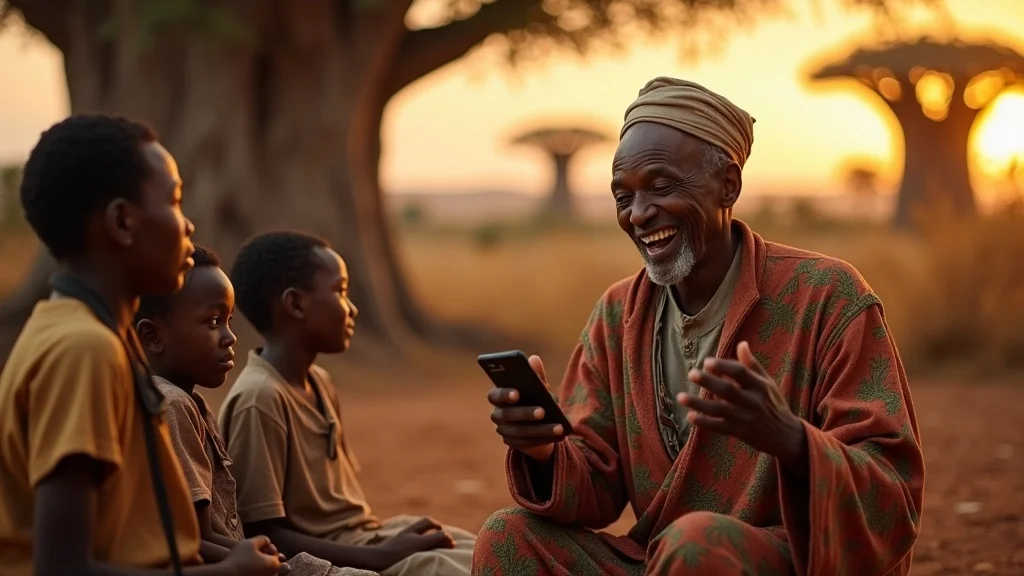
- The evolving concept of narrative authority in digital Africa
- The impact of artificial intelligence on the story we tell
- Key challenges African creators face with narrative collapse
- How technology is empowering or limiting African narrative authority
- Why narratives are powerful tools in shaping society
Traditional vs. Digital: Rethinking Narrative Authority
The lineage of African storytelling is richly oral. Stories, proverbs, and songs handed down through generations have always been cornerstones for preserving identity, community, and language. Yet today, the landscape is changing so quickly that these essential threads are at risk of being severed, unless we actively bridge the gap between analog wisdom and digital innovation. This intersection is ground zero for understanding why narrative authority is becoming a technology issue.
Digital tools and platforms have enabled traditional storytellers to reach further than ever before. A modern Tanzanian griot may see their tale go viral on YouTube, becoming a sensation and ensuring that their voice endures. But at the same time, traditional order is disrupted as AI recommendation engines place a premium on engagement metrics over authenticity and depth. It becomes imperative to reassert the value of local context even as we embrace the conveniences of technology.
Embracing African Oral Traditions in the Context of Modern Technology
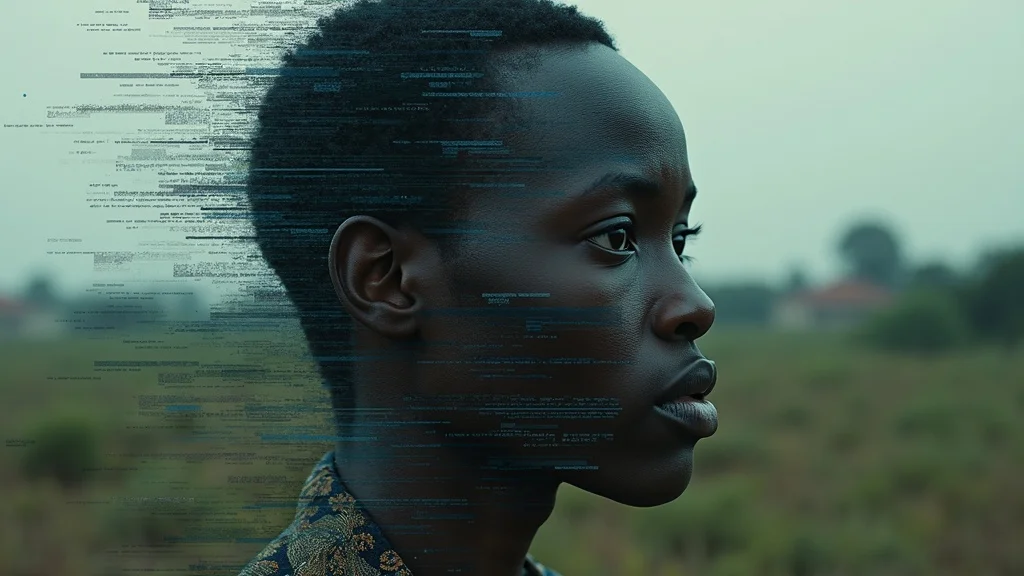
Oral traditions are the foundation of African narrative authority. With smartphones now in nearly every town and village, storytelling has begun its migration online. This evolution presents an opportunity for preservation and amplification—but only when technology is harnessed to serve the community.
For example, recording and archiving oral histories using mobile technology ensures that priceless proverbs, songs, and histories are not lost with passing generations. Yet, without robust digital inclusion, these voices risk being overshadowed by trend-driven content and globalised digital media. The challenge is clear: African communities must find unique ways to harmonise traditional wisdom with technological advances, building continuity rather than division.
Table: Comparing Narrative Authority Before and After Technology Disruption
| Aspect | Pre-Technology Era | Technology Age |
|---|---|---|
| Who Holds Authority | Community Elders, Storytellers | AI Developers, Platform Algorithms |
| Story We Tell | Local, Oral, Customary | Globalised, Algorithmic, Digital |
| Preservation | Memory, Ritual | Digital Archiving, Blockchain |
| Vulnerability | Loss with Passing Generations | Disinformation, Narrative Collapse |
Artificial Intelligence: A New Custodian of African Narrative Authority?
As AI research and innovation accelerate across the continent, questions emerge about the future custodians of Africa's narrative legacy. Will new AI systems enable undocumented dialects or threatened cultural expressions to reach new audiences, or simply reshape African stories to fit commercially viable moulds? For many, the answer is still unclear. What is evident, however, is that artificial intelligence has the power to both democratise and disenfranchise—depending on its design and who controls its algorithms.
The promise of digital empowerment stands in delicate balance with the risks of narrative distortion, especially where local voices are underrepresented in training data and product development. As AI becomes a co-creator in the story we tell, African content creators, entrepreneurs, and activists are increasingly calling for platforms to maintain transparency and cultural sensitivity.
Algorithmic Bias and Its Impact on the Story We Tell

Algorithmic bias is a quietly growing challenge for African narrative authority. When major tech platforms use biased data or prioritise engagement metrics, certain stories emerge while others remain invisible. For example, a viral dance video might be prioritised by a platform’s AI, while a nuanced political discussion in Yoruba is pushed aside.
Such biases are not neutral: they influence how history is remembered, how communities see themselves, and what values are celebrated. African creative voices have begun to push back, calling for greater representation in AI development and the introduction of safeguards against unintentional erasure. The need for a compelling narrative rooted in authenticity has never been more urgent as algorithms gain increasing power over what is seen—and what is forgotten.
"When artificial intelligence makes decisions about what stories we see, the authority to shape our future narratives can shift away from the people to the invisible hands of technology."
Narrative Collapse: Unpacking the Risks for African Storytelling
The digital disruption ushered in by AI systems and global platforms offers unprecedented reach but also heightens the risk of narrative collapse. This phenomenon describes a rapid weakening of traditional stories, values, and context as they are replaced or crowded out by algorithmically selected content. In Africa, where storytelling is deeply linked with collective memory, identity formation, and community cohesion, such collapse could have far-reaching consequences.
Within this landscape, African creators face an existential threat: building resilient digital traditions before the old ones are swept away. The battle for narrative authority, therefore, is not just about whose story rises to the top, but about ensuring continuity between yesterday’s wisdom and tomorrow’s innovation.
What Is Narrative Collapse in the African Digital Landscape?

Narrative collapse occurs when time-honoured stories are diluted, fragmented, or outright erased by the dominance of new digital content. For African societies, the dangers are not theoretical; they are felt every time a legend is misrepresented, a folk tale is condensed into a meme, or an ancestral wisdom is ignored by youth ‘influenced’ by foreign media.
Cultural memory relies on narratives—when these are lost or reinterpreted by platforms that do not value local nuance, communities may feel unmoored from their own past. Maintaining n narrative authority, especially as younger generations turn to TikTok, Instagram, and YouTube for news and history, is fast becoming a collective responsibility.
How Artificial Intelligence Accelerates or Prevents Narrative Collapse
Artificial intelligence, depending on how it is designed and used, can either hasten narrative collapse or serve as a tool for preservation. When AI systems are programmed with inclusive data, emphasising African languages and value systems, they help document, organize, and surface local stories that might otherwise vanish. But when trained on data stripped of African context or optimized for global commercial interests, they may reinforce erasure and amplify disinformation.
For African creators, the challenge is to ensure their voices are reflected in AI research and implementation, influencing the development of platforms before narratives that matter are lost. Strategic collaboration between content creators, technologists, and cultural custodians can drive the future of narrative authority in directions that honour both tradition and progress.
The Power of the Story We Tell: Why Narratives Remain Enduring

No matter how much technology advances, the story we tell about who we are and where we come from retains its life-shaping power. In Africa, narratives still serve as vital vessels for transmitting history, wisdom, moral codes, and shared purpose. The digital archive—when built thoughtfully—can strengthen this power, making knowledge and heritage accessible to future generations and far-flung descendants.
The resilience of cultural memory stands as a beacon against the existential threat of technological erasure. The digital era offers new opportunities to revitalise old stories, connect communities across borders, and create an always-on archive that preserves identity. But this will only succeed if ownership remains rooted in local context, and if technological progress is guided by African values.
Cultural Memory, Resilience, and the Digital Archive
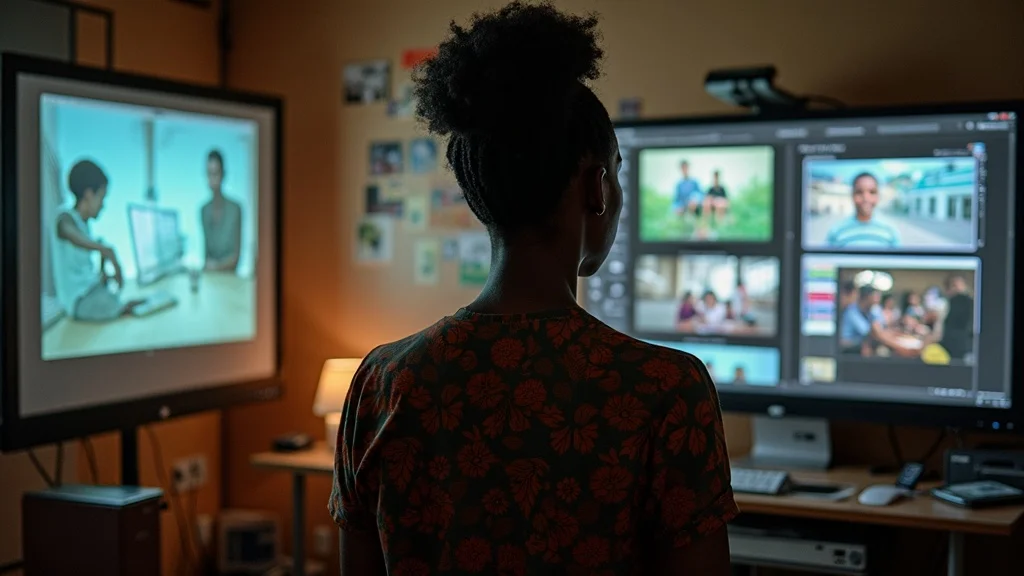
Cultural resilience in Africa has always relied on the ability to adapt and reframe stories, even in the face of disruption. Today’s digital tools—archiving software, blockchain records, voice recognition in African languages—present new ways to capture, index, and revive traditions at risk of fading out.
Communities and entrepreneurs alike should invest in platforms that act as stewards of African narrative authority. Partnership models, open-source archiving, and digital storytelling festivals are among many examples of how innovation and heritage can converge. The result is not just preservation but evolution: a living, breathing digital heritage that continues to grow and inspire.
Lists: Factors That Make Narratives So Powerful in the African Context
- Language preservation: Keeping indigenous languages vibrant through digital content and archives
- Collective memory: Ensuring stories survive for future generations
- Societal values: Transferring wisdom and moral codes
- Community cohesion: Uniting diverse groups through shared stories
- Identity formation: Helping individuals and communities understand who they are
Authentic roundtable of African digital creators discussing narrative authority, filmed in a bright, tech-inspired workspace with cultural art and natural conversation.
People Also Ask: Technology and Narrative Authority in an African Context
How has technology affected storytelling?
Technology has broadened who can share stories, but also challenges local authority. Algorithms now prioritise which stories reach large audiences, often favouring certain voices and sidelining others. For African storytellers, this presents both an opportunity and a dilemma—expanding reach but requiring vigilance to maintain cultural authenticity.
What are the problems with narrative therapy?
In Africa, narrative therapy can struggle with language barriers, cultural misunderstanding, and the digital divide. Technology promises broader access, but it demands tools tailored to local contexts to have a meaningful impact.
What is narrative collapse?
Narrative collapse occurs when traditional stories lose their authority, are drowned out by new media, or fragmented by competing digital narratives. For African societies, this can mean a loss of identity, context, and continuity.
Why are narratives so powerful?
Narratives shape how we understand ourselves and our community. In Africa, they are vessels of history, wisdom, morality, and shared purpose. Technology can amplify this power, but only if used with intent.
Quotes from African Digital Storytellers on Narrative Authority
"Technology can give every African a voice, but it must not drown out the wisdom of our ancestors."
"The algorithm may know what is trending, but only communities know what matters."
FAQs: Common Questions on Why Narrative Authority Is Becoming a Technology Issue
How does AI impact narrative authority in African stories?
AI impacts narrative authority by influencing which stories are amplified and which are hidden. When AI platforms favour certain content types or languages, other authentic stories may be suppressed. However, if developed appropriately, AI can help document endangered traditions and make diverse stories accessible across the continent.
In what ways can African creators maintain narrative authority amid rapid technological changes?
African creators can collaborate to build or contribute to local digital platforms, archive oral histories using accessible tools, and advocate for their inclusion in the AI development process. By staying rooted in community and championing indigenous languages, they can protect and evolve their narrative authority, ensuring resilience as digital trends change.
How do technological platforms influence which stories gain authority and visibility?
Technological platforms use complex algorithms to decide which stories appear first. Factors like engagement, popularity, or trending status may outweigh cultural relevance. For African creators, understanding these systems and working to ensure fair representation is essential to maintaining visibility and narrative authority.
A visual journey charting the transformation of African narrative authority from ancient oral traditions to the technology age.
Key Takeaways: Technology and the Future of Narrative Authority in Africa
- Narrative authority shifts as African societies digitise storytelling
- Technology and AI can both empower and limit who tells the story
- Algorithmic authority must be balanced with cultural context
- Protecting narrative identity is crucial for African creators
For African Entrepreneurs: Harness Narrative Authority in the Digital Age
Discover the AI Signal Briefs Digital Newsletter Created For African Entrepreneurs and Brand Executives, https://aisignal.sovereignmomentum.com
As Africa’s digital landscape evolves, narrative authority becomes both a strategic asset and a cultural duty. Entrepreneurs and creators should be proactive, seeking out knowledge, tools, and collaborations to ensure their voices remain central in shaping Africa’s digital narrative.
No matter how advanced our data centers, the heart of narrative authority must remain rooted in African context—balancing innovation with heritage, and ensuring our stories are shaped by us, for us.




Write A Comment