

Imagine a bustling innovation hub in Lagos or Nairobi, where bright African minds crowd around a digital whiteboard—not for a photo opportunity, but because decisions are being made that will shape the future of artificial intelligence across the continent. This isn’t a subplot or side-note; it’s the main event. Why representation in AI is about power, not optics is more than a slogan—it’s a rallying cry for those determined to turn visible seats at the table into actual decision-making authority. For African tech communities, this conversation isn’t about fitting into a global narrative. It’s about rewriting that narrative altogether—making sure the systems shaping our tomorrow serve African contexts, cultures, and people in deeply meaningful ways.
Challenging the Surface: Why Representation in AI Is About Power, Not Optics
Too often, representation in artificial intelligence is reduced to a visual story—faces on a panel, names in a press release, token appointments for awards. This is the world of optics, where underrepresented groups are present just enough to be noticed but rarely empowered to command the outcome. For AI ecosystems in Africa, this pattern is dangerously limiting. Real power comes from being central to the AI design process, holding influential roles that guide how AI algorithms are formed, which training data is prioritized, and what ethical standards are set. When African voices are only visible but not heard, AI systems may reinforce existing bias, perpetuating blind spots that can undermine the continent’s interests for generations.
Moving beyond optics to true power means demanding more than surface-level inclusion. African professionals must be able to shape, challenge, and steer the direction of ai tools and products—not simply validate them after the fact. When we talk about why representation in AI is about power, not optics, we must focus on actionable metrics: Who sets policy? Who designs and trains the neural network? Who leads the research? The goal should never be just to appear in the AI workforce, it’s to be at its core, making the ultimate calls when it comes to ai models and natural language processing decisions that affect millions.

What You'll Learn on Why Representation in AI Is About Power, Not Optics
- Understand the difference between optics and actual power redistribution in AI
- See how African perspectives can reshape global narratives around artificial intelligence
- Identify the pitfalls of superficial representation
- Explore actionable ways that African stakeholders can influence AI ecosystems
Decoding the Main Keyword: Why Representation in AI Is About Power, Not Optics
At its core, why representation in AI is about power, not optics challenges us to rethink whose interests AI serves and how those interests are protected. Including visible African faces in events or AI research publicity may momentarily satisfy promoters and global partners, but true change happens when those same individuals have the authority to make choices—about funding, data governance, ethical frameworks, and the design process. AI systems, especially in the context of Africa, become truly inclusive AI only when affected communities are involved at the inception, not just presented at the finish line.
Let’s acknowledge a key truth: optics alone do not guarantee that African stories, languages, or values will be reflected in the outputs of language models or natural language processing systems. Rather, real power lies in the consistent presence of African researchers on leadership teams, in setting standards, and driving the kind of AI models and algorithms that are robust, representative, and fair. For Africa, this isn’t a question of visibility—it’s about ensuring sustainable, equitable, and contextually relevant growth within the global AI ecosystem.
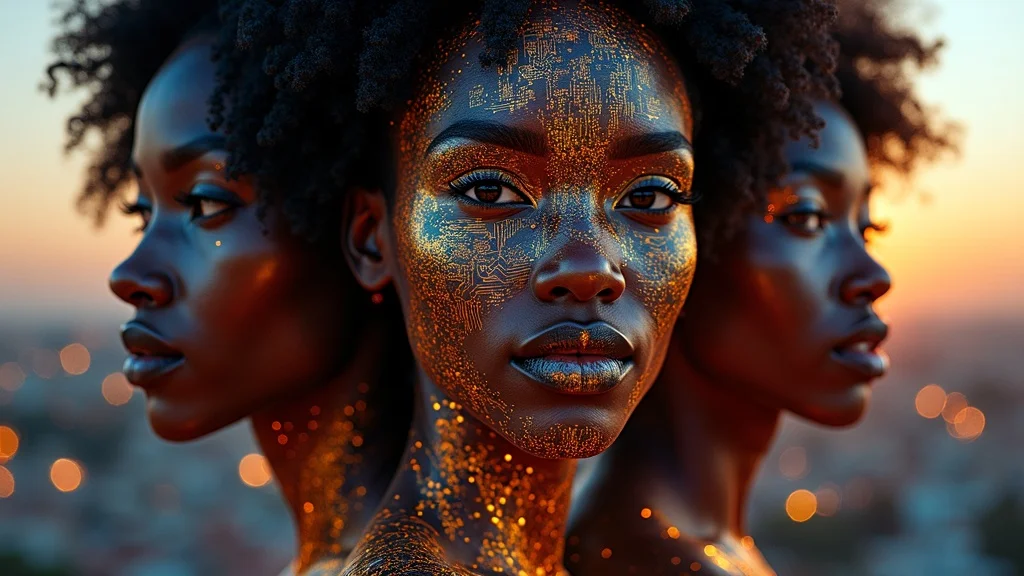
Artificial Intelligence, Optics, and Power: Why Representation in AI Is About Power, Not Optics
Artificial intelligence is often celebrated as a powerful tool for transformation. But that transformation can only be leveraged for Africa’s benefit if representation shifts from optical gestures to substantive influence. When African representation is genuine—rooted in knowledge, cultural relevance, and decision-making—it can address the blind spots frequently coded into global AI algorithms and ai systems. This kind of inclusion doesn’t just address existing bias; it actively changes the trajectory of AI research and development.
Optics, in the context of AI, are about being seen, while power is about being heard—and more importantly, having the authority to act. African innovation has the potential to reshape optical systems as well as the underlying code, dataset curation, and deployment of machine learning to solve continent-specific challenges. Notably, involving affected communities—those whose voices have historically been marginalised—results in AI tools and products that both reflect and serve their needs more effectively. In summary, the shift from superficial optics to genuine power is a crucial step in forging a more inclusive AI future, where Africa is not just represented but is an architect of global artificial intelligence.
Diffractive Optics vs. Real Impact in Representation
In physics, diffractive optics refers to the way light bends and forms patterns, creating dazzling but often illusory shapes. Similarly, in AI spaces, optics—the way things look—can distract from the real need for functional transformation. A seat at the table means little if you’re not handed the microphone. Here’s the lesson: diffractive optics may produce impressive displays, but real change happens behind the scenes—where strategy is formed, budgets are set, and ethics are debated in boardrooms and labs.
For African innovators, moving past diffractive network effects means demanding that representation translates into actual control over technical and organisational levers. This transition calls not only for more African faces in photos, but also African leaders defining the future of neural networks, optical systems, and AI models. It’s about setting the scope for a language model to understand local dialects, deciding which training data to use, and insisting on African-designed solutions in every layer of the AI stack from natural language processing to application-level deployment. The measure of success here isn’t a press release—it’s progress on equitable power and sustainable inclusion.

Historical Context: Representation in African AI Development
African AI development carries a distinct legacy. Historically, many global ai systems have been designed with limited African input, overlooking local contexts and cultural nuances. In the past decade, however, African scholars, engineers, and entrepreneurs have begun to challenge that status-quo. By investing in local research and fostering homegrown AI startups, African nations are working to rebalance the scales of power. Whether at iconic universities in Accra or coding hubs in Johannesburg, an authentic African AI ecosystem has grown where both tradition and innovation intersect.
This momentum demonstrates that representation is not about visibility alone. The presence of leaders with authority—those who set research agendas, allocate funds, and define ethical principles—directly impacts the quality and cultural relevance of AI outputs. It’s one thing to write African names in the credits; it’s another to see those names in the executive summaries of influential AI projects. Real progress is measured by African voices shaping design process, guiding ai models, and challenging existing bias within global and local AI platforms.

Video Analysis: African Voices on Why Representation in AI Is About Power, Not Optics
Live discussions and in-depth panels featuring African researchers reveal a shared conviction: representation must embrace not just visibility, but the authority to define standards, allocate resources, and direct the design process for AI systems. These sessions emphasise the importance of involving affected communities, not only to validate products, but to cocreate them from the beginning. When African innovators are centrally involved, their insights drive technological adaptation, mitigate existing bias, and create more robust contextual solutions for diverse societies.
Crucially, these voices highlight the difference between symbolic inclusion and true partnership. Only when African leadership is standard practice—not a special feature—can the continent fully benefit from the revolutionary promises of inclusive AI and equitable machine learning technologies. The future of African AI is not a story of fitting in, but of boldly setting the agenda.
People Also Ask: What is the role of optics in AI?
The role of optics in AI relates to how inclusion is presented rather than how it is practiced. Optics often refer to public displays of diversity and superficial representation—featuring African faces in media or headlines without corresponding power or authority behind the scenes. While optics can raise awareness, they do little to affect decision-making or the inner workings of ai systems. Without moving beyond optics, any progress risks being temporary or symbolic. For representation in African AI to have meaning, it must translate into structural power—like heading research teams, defining the use of training data, and shaping ethical standards within neural networks and optical systems.

People Also Ask: What is the 30% rule in AI?
The 30% rule—while variously referenced in different contexts—often relates to the minimum proportion of representation deemed necessary to create meaningful change in group decision-making. In AI circles, having at least 30% African professionals, particularly in technical and leadership roles, is seen as a benchmark that could shift the dynamics from symbolic inclusion to genuine influence. When African voices occupy a substantial share of seats, the odds increase that blind spots will be identified, ai models will reflect true diversity, and decisions will align with African social, ethical, and economic interests. However, reaching and exceeding this threshold should not signal the end but the beginning of empowering affected communities to guide the future of AI design and deployment, impacting everything from algorithmic transparency to standards within machine learning and optical systems.

People Also Ask: Why are representations so important in artificial intelligence?
Representation matters in artificial intelligence because it directly affects whose worldview is embedded into AI systems. For African societies, adequate representation ensures that the design, deployment, and governance of ai algorithms are relevant, fair, and beneficial to local realities. Without substantive inclusion, AI becomes a mirror that only reflects the priorities of dominant groups, risking the amplification of blind spots and existing bias. Robust representation means African languages, cultures, and innovations are not afterthoughts but fundamental drivers within language processing models, training data sets, and neural network architectures. This results in AI solutions that genuinely address challenges across African contexts—making technology more accessible, equitable, and empowering.

People Also Ask: What did Stephen Hawking say about AI before he died?
Stephen Hawking famously warned that artificial intelligence could be either the best or worst thing to happen to humanity. While he cautioned about existential risks and unchecked technological power, his views also highlight the importance of guiding AI with inclusive and ethical decision-making. For African audiences, his warnings reinforce the urgency of ensuring that local voices have power—not just visibility—so that AI systems are not only safe but also equitable. In essence, future AI must be shaped by those most affected by its outcomes—not merely by those featured in promotional optics.
Table: Optics Versus Power in African AI Representation
| Aspect | Optics | Power |
|---|---|---|
| Decision Making | Inclusion in images or headlines | Seats at core leadership tables |
| Product Design | African users in promotion | African developers and researchers driving design |
| Global Standards | Participation in events | Presence in standards-setting bodies |
Quote: Navigating Optics and Power
"True representation in AI means reshaping who decides—not just who appears." — African Machine Intelligence Researcher
List: Red Flags of Superficial Representation in AI
- Token appointments with no authority
- Lack of funding for African-led AI projects
- Publicity campaigns with little real engagement
- Absence of African ethical frameworks in AI deployments
Video Example: Success Stories—African-Driven AI Solutions
Across Africa, examples abound of innovators taking charge of AI design and deployment—from natural language chatbots that support local dialects to cutting-edge neural networks tackling regional health challenges. These stories prove: when Africans set the agenda, AI becomes a powerful tool for empowerment, resilience, and opportunity.
FAQs: Why Representation in AI Is About Power, Not Optics
-
How can African stakeholders gain more power in AI decision-making?
By building technical expertise, forming networks across academia, industry, and public sectors, and advocating for meaningful inclusion in standard-setting organisations, African stakeholders can systematically influence the AI design process and governance frameworks. -
What are the dangers of focusing solely on optics?
Focusing only on optics risks leaving structural inequalities untouched. Surface-level inclusion does not guarantee true influence in product design or organisational policy, resulting in persistent blind spots and missed opportunities for African advancement. -
How do diffractive optics relate metaphorically to representation in AI?
Diffractive optics create impressive but potentially misleading visual effects—just as superficial inclusion can give the appearance of diversity without real substance or agency for African voices in AI. -
What steps are African innovators taking to drive real inclusion in AI?
African innovators are launching local datasets, developing language models tailored to African languages, and funding research that prioritises regional needs. They are also actively participating in global conversations, ensuring Africa’s stake in setting ethical and technical standards in AI.
Key Takeaways on Why Representation in AI Is About Power, Not Optics
- Meaningful representation in AI means having decision-making authority, not just presence
- Optics without power perpetuate exclusion and missed opportunities for Africa
- African-led AI innovation requires influence, investment, and narrative control
Continue Your Journey: Stay Informed and Empowered
Africa’s AI moment is now. For a deeper dive into news, insights, and opportunities crafted for African entrepreneurs and brand leaders, discover the AI Signal Briefs Digital Newsletter—your signal for authentic, empowered innovation.



Write A Comment