
cropper

THE AI SIGNAL BRIEFS
FOR AFRICAN ENTREPRENEURS

  • AI SIGNAL
    • # KARIBU ~ WELCOME
    • THE BREEZES
    • #THE VILLAGE ARCHIVES
    • #THE INDUSTRIOUS VOICES
    • # THE BREEZES
  • SOVEREIGN
    • THE VILLAGE ELDER
    • SOVEREIGN FRAMEWORKS
    • SOVEREIGNTY IN ACTION
    • THE AI STACK
  • MOMENTUM
    • AFRICANS ALSO ASK
    • THE VILLAGE ARCHIVES
    • AI IMPLEMENTORS GUIDES
  • 5TH VILLAGER
    • THE FIFTH VILLAGER
    • VILLAGE VOICES
    • THE VENTURE VILLAGE
    • VILLAGE VAULTS
    • THE VILLAGE VOICES
August 02.2026
1 Minute Read

Can Artificial Intelligence Preserve Africa's Languages Instead of Replacing Them?

Imagine walking into a vibrant African village square at sunset. Elders are teaching children ancestral stories, while nearby, youths huddle around a digital device. With a single tap, their local language is instantly translated — one generation’s oral tradition preserved and extended through modern technology protecting heritage. This daily scene, once theoretical, is now reality as African language AI systems emerge to safeguard the continent’s vast linguistic heritage rather than letting it vanish.

Exploring the Intersection of African Language, Artificial Intelligence, and Heritage

  • Across Africa, AI tools are offering exciting new ways to protect the continent’s linguistic diversity. Picture a grandmother speaking in her mother tongue while an app captures and translates her wisdom in real time, archiving it for future generations. This is the promise and power of African language AI: bridging generational and digital divides so that no language fades into obscurity.

Vibrant community gathering in an African village using African language AI for real-time translation.
  • For Africa, technology protecting heritage is not merely a luxury — it is a cultural necessity. With over 2,000 languages spoken across the continent, maintaining this linguistic heritage is key for identity, education, and diversity. Advancements in artificial intelligence are reshaping how these languages survive, adapt, and thrive in our digital era.

What You’ll Learn About African Language AI and Heritage

  • How AI can be both a threat and a saviour for African languages.
  • Key examples of technology protecting heritage across Africa.
  • Arguments for and against the use of AI in linguistic preservation.
  • A vision for the future of African language AI.

Understanding Linguistic Heritage: The Status of African Languages

  • Linguistic heritage refers to the collective languages, dialects, and ways of communicating that define cultures across generations. In Africa, it is the thread connecting communities to their ancestors. Because of colonisation, urbanisation, and globalisation, many indigenous African languages are endangered, putting this precious heritage at risk.

Elder teaching a young child to read in an African language, highlighting linguistic heritage in Africa.
  • Africa is home to unrivalled linguistic diversity, with communities speaking unique tongues like Yoruba, Xhosa, and Shona. Yet, nearly 40% of African languages are at risk. Technologies, from simple audio recorders capturing oral traditions to advanced AI systems digitising language data, are crucial to reversing this trend and protecting heritage for future generations.
  • Throughout the continent, new partnerships between local communities and tech developers are leading to solutions that celebrate Africa’s linguistic past. In Nigeria, South Africa, and Kenya, machine learning projects are archiving folk tales and modern conversations, ensuring every voice — no matter how small — is heard.

Case Study: South Africa’s Cultural and Linguistic Diversity

  • South Africa stands out for its multilingual policies that recognise 11 official languages. But beyond policy, grassroots efforts powered by artificial intelligence — for instance, local start-ups designing translation tools for isiZulu and isiXhosa — show how AI systems can amplify grassroots language pride and documentation. By involving communities in AI research, they keep heritage alive in a rapidly digitising world.

Artificial Intelligence and African Language: A New Lens

  • Artificial intelligence is transforming how Africans document, translate, and revitalise their languages. AI tools such as automatic speech-to-text, natural language processing, and smart dictionaries are now available. These innovations can record oral tradition, translate local stories, and provide context-rich meaning—making language resources more accessible than ever before.

African linguists collaborating with AI developers to create technologically advanced language solutions.
  • Major AI tools like Google Translate have begun supporting more African languages, but homegrown solutions are emerging, too. Startups across the continent are creating language-specific AI systems, tailored to local needs. However, with each innovation, it is vital to ask: Are these AI technologies sensitive to the unique grammar, tone, and context of African languages?

As African innovators continue to develop AI-driven solutions for language preservation, it's worth noting that similar advancements are simplifying digital experiences in other domains as well. For example, the integration of AI into website creation is making it easier for users to build and manage their online presence—discover how AI can streamline your WordPress site creation process in this in-depth guide on AI-powered website builders.

Translation Tools: Bridging the Gap for African Languages

  • Many translation tools focus primarily on global languages, but specialised African-language projects are closing the gap. Tools like VuliGate and TranslateMe have delivered locally relevant translation for Zulu and Swahili, letting african communities access vital health, legal, and educational information in their native tongues. Still, making these tools truly accurate requires extensive language data, which remains a challenge.
  • Developing robust AI models for African languages means more than just coding — it takes a deep understanding of oral traditions, context, and cultural nuance. From tonal language recognition in Yoruba to agglutinative sentence structures in Xhosa, these features push AI research into uncharted territory. The reward? Empowering Africans to communicate and archive their cultural heritage as both users and creators.
Examples of AI Projects Preserving African Languages
Project Name Target Language(s) Country Type of AI Tool Outcome/Impact
VuliGate isiZulu, isiXhosa South Africa Speech-to-Text, Translation Increases legal and healthcare access
TranslateMe Swahili, Zulu, Afrikaans South Africa, Kenya Machine Translation Expands online African-language content
Masakhane Multiple African languages Pan-African Open-Source NLP Research Community-led translation, research, and data resources
Chalkboard Education Akan, Yoruba Ghana, Nigeria Digital Learning Platforms Promotes literacy and mother-tongue education

Can AI Replace or Revitalize Linguistic Heritage? Arguments and Perspectives

  • Opportunities: With custom AI models, it is now possible to digitise rare dialects, archive oral tradition quickly, and involve local communities in the process. This gives hope that technology protecting heritage will become more inclusive, not less.
  • Risks: Bias in mainstream AI systems (trained mostly on dominant or western languages) can ignore African nuances or favour “big” languages at the expense of minority tongues. Limited language data means gaps in AI’s accuracy. The danger: AI technologies could become another force for linguistic erasure, if not thoughtfully designed.
"AI must serve as a bridge, not a barrier, between technology and heritage."

Bridge made of binary code linking traditional African artifacts with digital devices, symbolising AI as a cultural bridge.
  • From my perspective, if we treat AI tools as extensions of our cultural heritage — rather than replacements — the result is digital empowerment, not displacement. Experts echo this view: “The best AI systems will always be designed in partnership with native speakers and local leaders.” Genuine preservation demands humility, collaboration, and a commitment to culturally sensitive design principles.

AI Tool Innovation for African Languages—Case Studies and Futures

  • Across Africa, a wave of specialised AI tools is enabling automatic speech recognition, real-time translation, and natural language processing for dozens of indigenous languages. These solutions are being built by African innovators who know their home terrain best.
  • Standout projects in South Africa, Nigeria, and Ethiopia prove that AI research can lift local stories onto the world stage. The Masakhane community is a stellar example, making open-source NLP resources available to everyone, not just global tech giants.

African university students demonstrating an AI-powered African language learning app at a lively tech fair.
  • Many successes are due to collaborations between local communities and global technology firms. When big tech listens to indigenous language speakers and partners with African universities, AI systems become more locally relevant and ethical — pushing forward the movement for technology protecting heritage.

People Also Ask: African Language AI and Heritage

Which African country is leading in AI?

  • South Africa is widely regarded as a trailblazer in AI development and AI research for African languages, thanks to robust investment in education, grassroots innovation, and support for multilingual projects. Kenya and Nigeria are also stepping up, with thriving tech hubs and ambitious, community-led AI systems drawing global attention. These countries prove that African language AI is gaining momentum continent-wide.

Is the Xam language still alive?

  • Sadly, the Xam language, native to the San people of southern Africa, is considered extinct, with no living speakers. However, it is not forgotten: recordings and written materials are now being digitised using AI technologies to preserve what remains. This example reveals both the urgency and the opportunity in using AI tools for preserving endangered languages before they vanish completely.

Are AI models neglecting African languages?

  • Most mainstream AI models and commercial translation tools have neglected African languages, favouring well-resourced global languages instead. Data shortages and lack of investment in culturally sensitive AI research have reinforced these gaps. However, open-source projects and African-led innovation are working to change this narrative by expanding coverage and fighting bias.

Can AI co exist with African traditional and cultural systems or will it erase them?

  • The future does not have to be a choice between technology or tradition — AI and cultural heritage can be mutually reinforcing. If AI systems are created in close partnership with local communities and reflect linguistic heritage, they can amplify, not erase, Africa’s cultural wealth. The challenge is to ensure that technology is always directed by those who know their culture best, putting heritage before convenience.
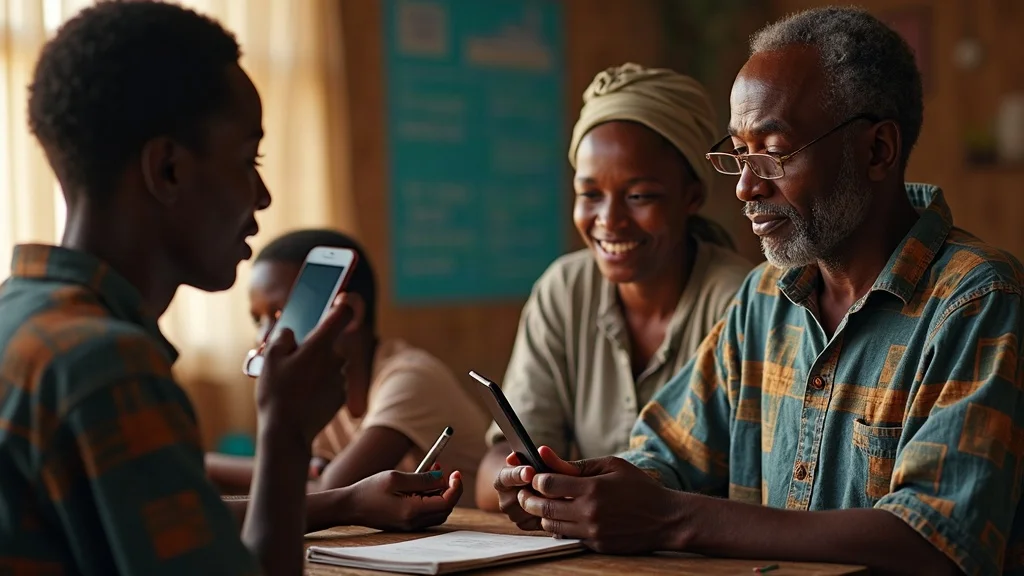
Researchers and youth using AI-powered tools to document African languages and preserve heritage.

Obstacles and Opportunities: The Road Ahead for African Language AI

  • Infrastructure and high-quality language data collection remain steep challenges across much of Africa, especially in rural regions. Recording oral traditions and annotating speech samples at scale is expensive and time-consuming, slowing down progress for AI models.
  • Despite these obstacles, there are tremendous opportunities for innovation in technology protecting heritage. Open-source AI, community-driven data collection, and locally adapted AI tools can level the field and boost inclusion for millions of speakers.
  • Many experts advocate for open, African-led AI systems and policies, championing ethical and community-first approaches to protect and enrich cultural heritage for generations.

List: Essential Steps to Advance African Language AI

  1. Raise awareness around the value of linguistic heritage.
  2. Incentivise local data collection and annotation by partnering with communities and universities.
  3. Promote partnerships between grassroots and technological organisations for greater impact.
  4. Support government policies that favour the development of multilingual AI models and fair data practices.

FAQs on African Language AI and Preserving Heritage

  • How does African language AI contribute to cultural pride?
    By preserving indigenous African languages and making them relevant for today's digital world, AI systems give younger generations the tools to reconnect with their roots. Communities feel validated when their voices and traditions carry over into modern platforms, fostering pride and unity.
  • What should communities consider before adopting AI tools for language preservation?
    Communities should look for culturally sensitive and locally relevant AI tools that protect data privacy and respect local customs. Ethical considerations, meaningful involvement in AI research, and long-term sustainability are key factors before deciding to use AI for their languages.
  • Can technology protecting heritage be sustainable in rural areas?
    Yes — when designed with local infrastructure in mind. Offline access, mobile-first interfaces, and community training can ensure that even rural areas benefit from the latest AI technologies. Local partnerships turn technology protecting heritage into a practical, everyday reality, bridging the urban-rural divide.

Key Takeaways from the Debate on Artificial Intelligence, African Language, and Heritage

  • AI offers both hope and challenges for African linguistic heritage.
  • Technology protecting heritage must be community-driven and locally adapted.
  • Vigilance is needed to ensure that African languages are not marginalised in the global AI movement.

Final Thoughts: The Future of African Language AI and Protecting Heritage

  • The future of African language AI is bright if developers, linguists, and communities work together. Collaboration and commitment will ensure that technology doesn’t erase ancestral voices but preserves them for all time.
  • To protect heritage, every reader can play a role — champion your language, share your story, and support technology protecting heritage initiatives.

As you reflect on the evolving relationship between artificial intelligence and Africa’s linguistic heritage, consider how these technological advances are shaping other aspects of digital life across the continent. If you’re interested in harnessing AI to simplify your own digital projects, such as building a website, you’ll find practical strategies and inspiration in this resource on leveraging AI for WordPress site creation. Exploring these broader applications can empower you to use AI not just for preservation, but for innovation and growth in your community. The journey to a more inclusive, tech-enabled future starts with understanding the tools at your disposal—why not take the next step and see what’s possible?

Join thousands of African founders learning how to work smarter with AI. https://aisiganal.sovereignmomentum.com

In the realm of preserving Africa’s rich linguistic heritage through artificial intelligence, several initiatives stand out. The article “African languages, the blind spot of AI” by UNESCO highlights the challenges and opportunities in integrating African languages into AI systems, emphasizing the need for culturally aware technologies. (unesco.org) Additionally, the African Languages Lab is dedicated to empowering low-resource languages with AI, focusing on documentation, digitization, and innovative natural language processing solutions. (africanlanguageslab.com) These resources provide valuable insights into the intersection of AI and African linguistic preservation, offering perspectives on both the current landscape and future possibilities.


AFRICANS ALSO ASK

1 Views

0 Comments

Write A Comment

*
*
Please complete the captcha to submit your comment.
Related Posts All Posts
08.07.2026

Can Africa Build AI Without Losing Its Identity?

Imagine walking through Nairobi’s busy city square as digital billboards flicker alongside stalls selling handmade crafts. Young professionals browse cutting-edge apps using local languages, while elders share folk tales just beyond the reach of free Wi-Fi. This blend of past and future captures Africa at a digital crossroads, where african digital sovereignty could determine whether technology empowers communities or erodes the continent’s unique identity. Exploring African Digital Sovereignty: What Does It Mean Today? Defining african digital sovereignty in the context of digital transformation: At its core, african digital sovereignty means African countries retaining control over their digital space—deciding how data is used, where it’s stored, and who sets the rules for emerging technologies like AI. This concept grows increasingly vital as the continent accelerates its journey into the digital economy and interconnected digital ecosystems. Significance for african countries in controlling data center infrastructure: Controlling local data centers means that sensitive information—health, education, government data—is safeguarded under national law, not lost in global data clouds dictated by external powers. Building and owning the digital infrastructure is as important as roads or railways for economic growth and ensuring national security. Why data sovereignty matters for Africa's digital future: As digital transformation sweeps across Africa, ownership over national data is essential for innovation, data protection, and the preservation of cultural narratives. Without data sovereignty, Africa risks digital colonization where global tech firms or foreign governments manipulate data flows, local contexts, and even the very language of digital interaction. What You'll Learn Insight into the ongoing challenges and opportunities related to african digital sovereignty How digital transformation and AI intersect with national data priorities for African countries The role of digital infrastructure and data centers in safeguarding African identity Perspectives on influence from global digital players, including Chinese tech and AI innovators An Observational Start: The African Digital Identity Crossroads Scenario: Navigating Digital Sovereignty in African Countries The emergence of digital technologies—from mobile banking platforms to AI-powered government services—is reshaping African national narratives. Digital technologies are not only transforming economies but also influencing languages, customs, and even the stories handed down through generations. As data is stored and transmitted through both local and global networks, questions of agency and authorship come into sharp focus for African countries. This rapid change fosters both excitement and tension; modernization brings economic opportunities, but also risks diluting traditional values. The challenge is to ensure digital transformation enhances rather than erases Africa’s cultural diversity, and that AI systems are developed using African data—infused with local history and languages—rather than imported, one-size-fits-all models. The Bedrock of African Digital Sovereignty: Building Local Data Centers Role of data center investment in african digital sovereignty: African governments and private sector leaders have recognized that data centers are the backbone of digital sovereignty. Establishing state-of-the-art, local facilities keeps data physically within borders, bolstering data protection and national security. This also anchors foreign investments and fuels local innovation for the digital economy. Barriers and opportunities for digital infrastructure development: Despite growing interest, barriers remain: funding gaps, policy ambiguities, and limited technical expertise. However, new public-private partnerships, international development funds, and a dramatic rise in tech entrepreneurship are opening doors for strategic investment in digital infrastructure and robust data ecosystems. Case studies: Countries like South Africa and Kenya are leading with successful data centre initiatives, ensuring african data remains within national jurisdictions and protected by sovereign law. Their approaches provide models for neighboring countries eager to balance globalization with autonomy. As African nations invest in digital infrastructure and AI, it's important to consider how these advancements intersect with broader efforts to empower local innovators. For a closer look at how African women are shaping the continent’s AI landscape and driving digital sovereignty, explore the evolving role of women in African tech leadership and their impact on the future of AI. Digital Transformation and the AI Revolution in African Countries How Digital Transformation Shapes AI Aspirations Impact on data sovereignty: Digital transformation opens doors for Africa to leapfrog legacy technologies and foster homegrown artificial intelligence solutions. Yet, without data sovereignty, there’s a risk that cutting-edge systems are powered by global data, sidelining African realities and local data. African governments are now emphasizing national data regulations and AI research that reflects their unique digital ecosystems. AI’s promise and pitfalls: The emergence of AI brings enormous opportunities to boost economic growth, health, and education, but also raises the threat of external influence—digital colonization—where global tech firms set the terms for how data is used and whose stories get told. For Africa, leveraging al digital platforms while guarding against exploitation requires a delicate balance. Integration of digital technologies: African countries are working to blend local languages, content, and indigenous knowledge into their AI platforms, aiming to reflect Africa’s diverse cultures and national priorities, while still benefiting from global digital advances and partnerships. African Digital Sovereignty vs. Global Digital Forces The Rise of Chinese Tech and External Influences China’s emergence as a major player in African digital infrastructure is undeniable. Through significant investment in data centre construction and digital trade, chinese tech firms are helping to expand connectivity and introduce new technologies. While such partnerships provide resources and technical expertise, they can also create dependencies and influence the trajectory of african digital sovereignty. Potential threats stem from relinquishing too much control to any single external power—be it Chinese tech or global tech giants from the United States or Europe. These relationships must be carefully structured to ensure that African countries retain ownership of their data, have a say in policy development, and most importantly, maintain their digital autonomy in the fast-evolving global digital landscape. Case Examples: Successes and Setbacks Successes: Rwanda’s data center and smart city projects emphasize local control, with strong regulatory frameworks for national data. Nigeria’s AI research initiatives set standards for the inclusion of indigenous languages and local content. These cases underscore the importance of capacity building and policy leadership. Setbacks: At times, digital partnerships have faltered due to misaligned objectives. In a few instances, overreliance on international tech firms for infrastructure and cloud services has led to data sovereignty concerns and regulatory conflicts—lessons confirming the necessity for clear agreements and home-grown digital capacity. Data Sovereignty and National Data Policies in African Countries Crafting National Data Sovereignty Policies The role of national data governance: Crafting clear, locally tailored national data sovereignty policies gives African countries legal mechanisms to protect their citizens’ personal data, bolster digital protection, and reinforce digital sovereignty. Policies define how data is collected, stored, and shared—empowering governments to assert rights over african data and set standards for international partnerships. Comparing policy approaches: Several African countries have taken innovative approaches—South Africa’s data protection laws are comprehensive, while Kenya’s digital ecosystem is known for adaptive, open regulations. The diversity in policymaking reflects different economic realities, institutional strengths, and cultural priorities but is united by the drive for digital independence. Challenges with Data Centres and Digital Infrastructure Gaps and risks: Not every country has sufficient investment in core data infrastructure or skilled talent to manage complex systems, creating gaps open to exploitation or global digital intrusions. Without enough local data centres, sensitive information may be stored abroad, subject to other nations’ laws. Suggestions: To improve resilience, governments are encouraged to prioritize infrastructure incentives, streamline data governance, and foster regional integration. Supporting digital education and cross-border partnerships can help bridge talent gaps, ensure interoperable systems, and fortify the growing digital ecosystem against external threats. How Do African Countries Preserve Identity in AI? Centuries-Old Traditions Meets Modern Algorithms Translating indigenous knowledge: African AI innovators are digitalizing indigenous stories, proverbs, and languages—feeding them into al digital platforms to ensure that AI applications “think” and communicate in ways that resonate with local users. Projects incorporating Yoruba, Amharic, or Swahili into digital assistants help reinforce identity and autonomy in the tech revolution. Role of local content: Creating and prioritizing local content within the digital ecosystem ensures that Africa’s values, histories, and experiences remain central as AI systems expand. These efforts anchor Africa’s unique cultural DNA within global digital conversations and protect against one-size-fits-all digital solutions. Voices From the Continent: Perspectives on Digital Transformation "African AI innovation must be built on our own narratives, not borrowed scripts." – Local expert Tables: Mapping African Digital Sovereignty Initiatives Country Key Digital Sovereignty Project Major Data Center Initiatives Unique Approach/Outcome South Africa Protection of Personal Information Act (POPIA) Liquid Intelligent Technologies Data Centers Stringent personal data regulation; expansion of local cloud capacity Kenya Digital Economy Blueprint Konza Technopolis Smart City Focus on national policy, regional data hubs, indigenous language content Nigeria National Data Protection Regulation (NDPR) MainOne Data Center Lagos Rapid data center growth, emphasis on local content and regulatory oversight Rwanda National AI Policy Rwanda Innovation City Data Center Integration of AI with local identity and digital innovation zones Lists: Key Steps to Foster African Digital Sovereignty Encourage local investment in data centers and digital infrastructure. Develop robust national data policies supporting digital transformation. Foster partnerships that prioritize african digital sovereignty. Promote indigenous content and language in digital technologies. Sustain digital education and capacity building aligned with local values. Watch: Building African AI Aligned With Digital Sovereignty Watch a short documentary featuring African tech leaders as they build AI projects and data centers, share their journey toward african digital sovereignty, and discuss how national identity is being protected and advanced in the era of digital transformation. People Also Ask What is African Digital Sovereignty and Why Is It Important? African digital sovereignty refers to the power African countries have over their digital infrastructure, data flow, and national digital policies. It is crucial for protecting local interests, ensuring data protection regulations match cultural and economic needs, and empowering African governments to shape the future of their digital economies rather than relying on external powers. How Do Data Centers Contribute to Data Sovereignty in Africa? Data centers are central to african digital sovereignty because they allow countries to store, process, and protect sensitive information within their own borders. With local data centers, african countries reduce dependence on global data networks and maintain control over who accesses or uses their data, in line with national laws and cultural values. What Role Does Digital Transformation Play in Preserving African Identity? Digital transformation can both challenge and preserve African identity. When African languages, histories, and customs are embedded in digital platforms and AI tools, the result strengthens cultural uniqueness and helps ensure technology serves local needs and values, rather than erasing them. Are Foreign Tech Companies a Threat to African Digital Sovereignty? Foreign tech companies can pose risks to african digital sovereignty if their involvement leads to data dependence or control over critical infrastructure. The challenge for African governments is to form strategic partnerships that allow for technology transfer and local capacity building without compromising autonomy or national data governance. FAQs: Common Questions About African Digital Sovereignty How can African countries regulate their own national data? By establishing clear national data laws, investing in digital infrastructure, and maintaining transparency in partnership agreements, African countries can create secure frameworks for managing and protecting data. Which digital infrastructure investments yield the strongest sovereignty gains? Investments in local data centers, fiber optic networks, and homegrown AI projects provide the most tangible benefits for sovereignty and innovation. How can partnerships bolster or hinder data sovereignty efforts? Partnerships that prioritize technology transfer and local ownership bolster sovereignty, while those that export data or limit control can undermine national digital goals. What are the key risks in relying on international digital technologies for local AI solutions? Reliance can lead to foreign data storage, cultural misrepresentation, and lack of control over how AI systems behave or what data they are trained on, potentially undermining local interests. Perspectives from policymakers and tech innovators Hear reflections from African policymakers and tech visionaries as they share real-world challenges and solutions on advancing african digital sovereignty while keeping the continent’s digital identity intact. Key Takeaways on African Digital Sovereignty and AI African digital sovereignty is vital for genuine, culturally relevant digital transformation. Strategic data center growth and strong national data policies can reinforce identity and autonomy. Collaboration should focus on building capacity without sacrificing core African values and traditions. Summary and Next Steps for African Digital Sovereignty Now, more than ever, Africa must champion independent digital technology development for an empowered future. Progress will rely on visionary leadership, community involvement, and innovation rooted in African identity and pride. The journey toward African digital sovereignty is multifaceted, requiring not only robust infrastructure and policy but also visionary leadership from all corners of society. If you’re interested in how founder-innovators are shaping the next wave of AI and digital transformation across the continent, discover more in The AI Sovereignty Brief. This resource offers deeper intelligence and strategic perspectives for those eager to drive meaningful change and ensure Africa’s digital future remains authentically its own. Take the next step in understanding how collective action and advanced insight can empower Africa’s digital momentum. Join the Conversation on African Digital Sovereignty Take Your Place In The Anthology https://themeridian.africa/pioneer-voices Sources Africa pushes for data sovereignty and digital IndependenceAfrica's Digital Sovereignty Trap: The Data Center DilemmaNavigating Digital Sovereignty: Implications for African ...Digital Sovereignty in Postcolonial Africa: The Spread of ...Ensuring Just and Inclusive Digital Sovereignty in AfricaData sovereignty in Africa: steering digital transformation ...What is Digital Sovereignty, and How Are African Countries ...

07.30.2026

Who Teaches AI What Africa Is?

Imagine this: A young African entrepreneur asks an AI assistant about Lagos or Nairobi. The response she receives often feels one-sided—summaries filled with crisis reports, global health warnings, and generic statistics. How does artificial intelligence form its understanding of Africa, its cultures, and its people? Who teaches AI what Africa is? This question goes beyond algorithms—it strikes at the heart of data ownership, representation, and Africa’s digital future. This editorial dives deep into how AI learns about Africa, which voices shape the narrative, and why African ownership of data has never mattered more.Exploring Who Teaches AI What Africa Is: Starting the ConversationAt the core of who teaches AI what Africa is lies a powerful crossroads between technology, global health data, and African cultural identity. Artificial Intelligence systems—whether powering search engines, language models, or digital health tools—depend entirely on the information they are trained on. But who curates that information, and whose perspectives become foundational for these systems? When the majority of African data funnel into global datasets through international entities like the World Health Organization and other major health organizations, their view frames what AI “knows” about us.The practical reality is that much of this data comes filtered through the lens of global health priorities. This means that narratives focused on public health emergencies, disease surveillance, and policy resolutions take centre stage, often overlooking African innovation, community-driven initiatives, and the continent’s remarkable diversity. For everyday Africans interacting with technology, these subtle shaping forces influence everything from how we see ourselves in global discourse to whom algorithms prioritise in stories and solutions. Tapping into this conversation is crucial for every African stakeholder—from data scientists and technologists to policymakers and everyday citizens—who cares about an authentic digital identity for Africa.The Perception of Africa in Artificial Intelligence SystemsThe images and stories AI reproduces about Africa are a mirror of the data sets it is fed. Often, this perception is shaped by health crises and international interventions, leading to a dominant narrative of need and emergency. When the World Health Organization or a major health organization publishes data on malaria or Ebola outbreaks, those records become high-frequency references in global AI models. Consequently, AI’s “knowledge” about Africa tends to highlight the public health aspects, overshadowing local achievements and cultural creativity.This bias is not accidental—rather, it is embedded in whose data is available and which stories are chosen for training. For African audiences, seeing their cultures represented only in times of crisis fosters a disconnect, especially for young professionals and technologists forging new paths. Without meaningful inclusion of local narratives and diverse experiences, AI’s portrayal of Africa becomes incomplete and misunderstood—missing the thriving entrepreneurial scenes, innovative health solutions, and cultural vibrancy shaping the continent’s present and future.Observing the Influence of Data in Defining Who Teaches AI What Africa IsThe datasets used to build global health and public policy algorithms often originate in institutions distant from African communities. Even when data is collected locally, it is frequently processed, filtered, and contextualised in Geneva or other global decision-making centres. Organisations like the regional office of the WHO, the health assembly, and other influential bodies determine the framing and content that ultimately feed AI systems.This dynamic means that African experiences and innovations can be lost or diluted within broad international datasets. When AI pulls health statistics, policy trends, or research briefs, the images and priorities it generates do not always reflect African realities as lived by Africans. There is, therefore, a pressing need not just for more data, but for authentic African data stewardship—bringing local voices, languages, and priorities into the digital mainstream to rebalance the narrative and empower future generations.What You'll Learn in This Editorial on Who Teaches AI What Africa IsDeep dive into the World Health Organization’s role in African dataUnderstanding the impact of health organization inputs on African AI representationWhy public health data matters in African AI narrativesHow regional office contributions shape AI’s view of AfricaUnpacking the Data: Who Teaches AI What Africa Is?Africa’s Data Narrative: Context, Contribution, and ChallengeAt the source of every AI model lies a fundamental question: whose data tells the story? For Africa, the narrative is shaped by both the quality of locally generated information and the way it is interpreted by global entities. National health ministries collaborate with the regional office of global health bodies, providing invaluable context and input. Yet, the final say in how this data is catalogued and labelled for AI training often rests elsewhere.This opens a challenge for the continent: How can Africa move from a mere data subject to an active narrator? Contributing homegrown content—not just in public health emergencies but in positive, daily innovations—means infusing greater nuance and pride into how AI platforms “see” Africa. Bridging this gap involves empowering regional data scientists and engaging more actively in partnerships where African voices steer the conversation, ensuring the continent’s future is not just statistically represented, but also culturally and contextually accurate.Case Study Table: How World Health and Health Organization Data Defines African StoriesOrganization/Data SourceType of DataAfrican Input?Impact on AI PerceptionsWorld Health OrganizationPublic Health/StatisticsPartialShapes health-focused narrativesHealth OrganizationDisease Outbreak ReportsVariesPrioritizes crisis eventsRegional OfficeLocalized InitiativesOftenIntroduces cultural nuanceWorld Health AssemblyPolicy & ResolutionsLimitedInfluences global AI on policy topicsWho Decides Africa’s Story for AI?The Power of World Health and Health Organization DataAI narratives about Africa are heavily influenced by the priorities, values, and voices embedded in the data provided by the World Health Organization, health assembly sessions, and regional offices. These bodies, while important for global coordination, frequently prioritise crisis-driven stories—public health challenges, disease outbreaks, and health emergencies—over stories of local innovation, resilience, and everyday life. This emphasis, though valuable for international collaboration, often means that positive African narratives and local languages become underrepresented in digital spaces that AI occupies."Data is only as diverse as the communities contributing to it—but for Africa, whose voice leads?"For AI to reflect the real Africa, local data ownership and proactive storytelling are crucial. By amplifying initiatives that highlight homegrown solutions, pan-African health achievements, and traditional knowledge merging with modern advances, the continent can start to reclaim its digital identity. This is as much a challenge for multinational health bodies as it is a call to action for African researchers, regional offices, and members of health assemblies to influence which African stories become AI’s standard references for generations to come.Role of African Data Stakeholders in Who Teaches AI What Africa IsRegional Office Initiatives and the African Data FutureRegional offices across the continent have a unique vantage point. Positioned close to communities and local health systems, they are best placed to champion African-centric data for AI applications. These offices can shift the focus beyond global health emergencies by gathering and sharing stories of local resilience and progress. By encouraging direct local participation and working with grassroots organisations, regional offices become crucial in rewriting how AI systems portray Africa—not as a monolithic subject of crisis, but as a multifaceted contributor to global innovation and knowledge.Local data professionals—data scientists, public health officers, and technical experts—are also stepping in to drive authentic storytelling. By leveraging their proximity and understanding of community nuances, they ensure that data reflects lived realities. As more African-led projects take shape in health, technology, and public administration, their success stories can seed AI platforms with narratives that inspire not just the continent, but the world. This marks a shift where regional offices and local contributors become the primary narrators, leading data curation rather than defaulting to external interpretation.African Health Assembly Efforts Towards Cultural AccuracyAfrican representatives in health assemblies are increasingly advocating for data frameworks inclusive of cultural nuance. The goal: to move beyond the “disease-centric” lens and recognise innovation, traditional medicine, and blended approaches to healthcare unique to the continent. By working together across borders, health assemblies set policies that emphasise organic language, cultural references, and multi-disciplinary impact. This broadens the base from which AI learns about Africa, transforming global digital spaces into more accurate reflections of the continent’s true vibrancy and achievement.Assembly-driven projects are fostering partnerships between community leaders, universities, and tech entrepreneurs. These collaborations help document local solutions—like digital health platforms in rural clinics or mobile apps promoting public health in urban centres—that would otherwise remain invisible to AI scraping international datasets. Through such action, health assemblies are sowing the seeds of a digital future where AI’s “knowledge” of Africa means ingenuity, strength, and pride.Executive Board and Local Data Empowerment—Changing the AI ConversationThe executive boards guiding health organizations and digital initiatives wield significant power over which data is prioritised for AI. Champions within these boards can advocate for a rebalancing—one that prioritises local languages, region-specific challenges, and stories of community-led breakthroughs. By demanding robust representation on executive teams and investing in digital literacy, African data professionals can ensure that the continent’s perspective is embedded at every level of AI training and deployment.Local empowerment also means investing in grassroots data collection and stewardship. Supporting community reporters, regional knowledge platforms, and national data repositories allows for proactive narrative-shaping—making Africa a primary source in the data dialogue. As more AI tools are built in Africa, for Africa, the executive boards’ choices will shape not just how the continent is perceived digitally, but also how it reclaims sovereignty over its digital destiny for generations to come.Lists: Gaps and Opportunities for Africa in AI TeachingUnderrepresentation of local languages by global organizationsHealth organization crisis narratives overshadowing African innovationOpportunities in local data collection and representationRecommendations for empowering public health voices in AI developmentPeople Also Ask: Who Teaches AI What Africa Is?Did the United States withdraw from the WHO?Answer: The United States announced intentions to withdraw from the World Health Organization, but as of now, it remains a participant with fluctuating relations. This dynamic influences how global organizations—including those curating African data—establish authority in AI training.What are the 4 roles of the WHO?Answer: The World Health Organization’s four main roles include providing leadership on global health matters, shaping the health research agenda, setting norms and standards, and articulating ethical and evidence-based policy options. These roles affect the narratives AI systems pick up about Africa's health sector.Is Pakistan a member of WHO?Answer: Yes, Pakistan is a member of the World Health Organization. The membership landscape reveals how different countries, including African ones, contribute to and are represented in such global collaboration.WHO is the current CEO of WHO?Answer: The World Health Organization is led by a Director-General, not a CEO. As of this writing, Dr. Tedros Adhanom Ghebreyesus holds the position, with deep African roots that highlight representation at the leadership level.FAQs: Core Questions on Who Teaches AI What Africa IsHow can African data experts get involved in AI training? African data experts can join or create local data consortiums, participate in open-source projects, and work closely with public health and policy institutions to ensure that the data used in AI development truly reflects the continent’s needs and strengths. By partnering with universities, healthcare systems, and tech labs, they can drive the narrative from within.What does ‘who teaches AI what Africa is’ really mean for the continent’s future? It means seizing ownership over Africa’s digital identity. When Africans guide AI development, the continent can shift from being a subject of analysis to a narrator of its future—ensuring that diversity, innovation, and resilience are at the core of every AI-generated insight or recommendation.What steps can health organizations take to ensure more authentic representations? Health organizations can prioritise collaboration with local stakeholders, collect and share data in native languages, document success stories, and build capacity among regional offices to capture day-to-day realities. These steps anchor AI narratives in African experience, not just imported perspectives.What challenges exist in changing AI’s African narrative? Core hurdles include limited access to funding for African-led data projects, technological infrastructure gaps, and inertia in global institutions that favour established (often Western-centric) narratives. Overcoming these requires advocacy, innovation, and persistent effort from across the public and private sectors.Key Takeaways for African AI StakeholdersAfrican voices and data must lead AI training for authentic representation.Global organizations have a dominant influence, but local initiatives are key for relevance.Bridging the narrative gap in AI requires intentional African data advocacy and innovation.Concluding Thoughts on Who Teaches AI What Africa IsReimagining Africa’s Place in AI—A Call for Pan-African Data SovereigntyFor Africa’s story to flourish in AI, it must be written by African hands. Focused advocacy, grassroots involvement, and pan-African collaboration will transform our digital horizons—ensuring AI reflects Africa’s true diversity, innovation, and possibility.Discover the AI Signal Briefs Digital Newsletter Created For African Entrepreneurs and Brand Executives, https://aisignal.sovereignmomentum.com

07.13.2026

How Should African Businesses Approach AI Adoption for Future Readiness?

Imagine stepping into a bustling Lagos boardroom or a Cape Town innovation hub in 2026, the landscape is transformed. Digital screens showcase real-time voice AI analytics, teams collaborate with intelligent voice agents, and African business owners are harnessing AI solutions for everything from customer support to business analytics. Organisational AI readiness is no longer just a buzzword, it’s the new foundation of competitive advantage. But how should African businesses and founders strategically approach and leverage this opportunity for sustainable, continent-wide growth? This comprehensive guide dives deep into the essentials and actionable strategies, built exclusively on best-in-class African examples.Envisioning Africa’s AI-Powered Future: Where Are African Businesses Headed? Observational Insights: The Unique Opportunities and Challenges Facing African BusinessesAfrica stands at the cusp of a technological revolution uniquely its own. As advanced AI and voice AI technology grow more accessible across Africa, businesses of all sizes, from fast-scaling SMEs in Nairobi to long-established corporations in Johannesburg, are tapping into new ways to boost their business operations. These opportunities are shaped by Africa's youthful, mobile-first population, diverse languages, and legacy of innovation in mobile banking and content creation. Yet challenges persist: from data privacy and infrastructure gaps to the need for robust content engine flywheels and AI upskilling.Many African businesses are already integrating AI voice, ai solution deployment, and voice agent technologies, not as imported add-ons, but as vital solutions deeply attuned to local needs. For example, AI-powered customer support platforms are helping companies handle multilingual audiences, while AI solutions are being tailored to specific business objectives such as logistics, market analysis, or customer support excellence. Understanding these dynamics is critical for African founders and leaders looking to create sustainable, future-proof business strategies in this AI-driven era.As African businesses explore practical AI applications, it's worth noting that AI-driven tools are also transforming digital platforms and workflows. For instance, leveraging AI to streamline website creation can significantly reduce technical barriers and accelerate digital transformation—discover how AI can simplify your WordPress site creation process for a more agile online presence at this in-depth guide.What You’ll Learn About AI Adoption for African BusinessesThe unique dynamics shaping AI readiness in African businessesHow African business owners and founders are already leveraging AI solutionsGovernance and ethics for organizational AI adoption in AfricaCase studies of successful AI solution applications in AfricaKey barriers and solutions for scaling AI adoptionHow to prepare your organisation for the AI-driven futureDecoding the African AI Strategy: Vision and FrameworkWhat is the African AI Strategy? The African AI Strategy is Africa’s homegrown answer to the question: How should African businesses and founders approach and leverage AI adoption at the organisational level for future AI readiness? It sets a vision for aligning key areas, such as education, skills development, policy, and responsible innovation. This strategy doesn’t aim to copy-paste models from abroad, it builds on local context, leveraging Africa’s diversity, mobile penetration, and history of leapfrogging traditional barriers through innovative content engine flywheels and creation systems.At its core, the strategy lays the foundation for building system-wide AI fluency, creating a robust digital economy, and fostering competitive advantage for African enterprise. It prioritizes ethical leadership, clear governance, and tailored voice AI adoption, ensuring organisational AI readiness aligns with unique African realities, ranging from privacy policy standards to scalable AI solution frameworks.The Role of Policy, Voice AI, and Regulation in Organisational AI ReadinessPolicy frameworks and regulation are the backbone of sustainable AI adoption in Africa. As voice ai and voice agents become central in content creation, customer support, and business analytics, African governments and regulatory bodies must set high standards for data privacy, ethical AI deployments, and adaptive governance policies. Progressive policy-making enables local innovators to thrive while ensuring that AI solutions deliver measurable return and mitigate risks.Effective governance also empowers African business owners to experiment with AI voice and diverse AI solutions, knowing regulatory clarity supports innovation. Today, we see policymaker–tech ecosystem partnerships fuelling the strategic business objective of aligning AI development with cross-border opportunities, sector-building, and upskilling. Organisational readiness hinges on integrating these priorities for long-term business advantage.Organisational Readiness: How Should African Businesses and Founders Approach AI Adoption Strategically?Leadership Vision and Change Management for AI Integration Strategic AI adoption begins with vision. African business leaders must build strong, clear objectives that link AI voice and advanced AI solutions to the heart of business operations. Building an AI-driven change management culture means being proactive, rallying teams around well-communicated AI goals, and setting realistic expectations for transformation. Leaders who champion digital upskilling and embrace agile organisational models foster a resilient enterprise capable of adapting to rapid AI advances.Change management is a continuous process. Successful African businesses integrate AI adaptation into their brand building system, continually communicating benefits, aligning project teams, and providing feedback loops for improvement. By positioning AI as a content engine and not just a standalone tool, organisations ensure systems integrate seamlessly, amplifying value generation at every touchpoint. As AI’s role expands, visionary leadership becomes the catalyst for building a sustainable, AI-ready business culture.Skills Development and Upskilling: Building AI Fluency in African Business Teams For African businesses to thrive in the AI era, upskilling is non-negotiable. This goes well beyond basic digital literacy, organisations must empower their teams to use voice agents, interpret AI voice data, and innovate with AI-driven content creation systems. Initiatives such as hands-on workshops, online AI certification courses, and partnerships with African technology hubs are becoming the backbone of workforce transformation.Building a pipeline of AI talent ensures AI adoption is both rapid and relevant—tuned to unique local business needs, rather than generic advanced AI implementations. Upskilling empowers staff to identify opportunities for automation, improve the content engine flywheel, and enhance customer support. In other words, AI readiness is both a strategic advantage and a catalyst for wider business development across Africa.Assessing and Prioritising AI Solutions for ImpactSelecting the right ai solution starts with evaluating core business objectives. African businesses must map AI priorities against pain points: Is the focus on automating customer support with voice ai, optimising logistics, or building a robust content creation system? Always start with pilot projects to assess feasibility, measure impact, and refine approaches before scaling.It’s essential to select solutions that deliver measurable return, are scalable for growth, and can be adapted for continuous improvement. This iterative approach enables African business owners to realise rapid wins and grow long-term capabilities, ensuring AI solutions become an engine flywheel for business sustainability, efficiency, and innovation across Africa.Case Studies: How African Businesses Are Excelling in AI Adoption and UtilisationCase Study: African Business Uses Voice Agents for Customer Support In Senegal, a leading telecommunications provider integrated voice ai and voice agent technologies for customer support. By deploying multilingual voice agents, the business streamlined issue resolution, offered 24/7 customer engagement, and reduced support wait times. Automation facilitated the capturing of common customer queries, allowing human agents to focus on more complex requests, while AI-powered analytics provided real-time user feedback. The measurable return included higher customer satisfaction scores, improved operational efficiency, and a scalable model for other African businesses to emulate.This application exemplifies how African enterprises are evolving their content creation and support systems, demonstrating that voice ai serves more than a technical role: it’s part of an organisational transformation, creating a new standard for business excellence.Case Study: Leveraging AI Solutions Across African SMEs In Kenya, a collection of fast-growing SMEs collaborated with a regional tech hub to implement AI solutions for logistics and product development. They combined advanced ai voice analytics with AI-powered supply chain optimisation tools, reducing order processing times by automating routine communications and tracking delivery metrics in real time. Data-driven decision making emerged as the central theme: voice ai and tailored ai solution deployments have unlocked new efficiencies, accelerated brand building system cycles, and improved customer experience.These SMEs serve as a blueprint for how african business can integrate voice agents and other AI-powered tools to build strong, resilient systems across business verticals. With the ability to scale rapidly, African SMEs lead the way in demonstrating the broad value and adaptability of AI integration."AI is not just about technology; it’s about transforming the way African businesses engage with their customers and unlock new value." – African Technology PioneerMain Barriers: Overcoming Organisational Hurdles in AI Adoption for African BusinessesHow Can Organisational Barriers to AI Adoption Be Overcome? The journey to seamless AI adoption isn’t without hurdles, organisational resistance, lack of cross-functional alignment, and misconceptions about advanced AI rank among the most common obstacles. Often, African businesses encounter challenges integrating legacy business systems with new AI solutions, or misunderstand the real purpose of AI: not to replace jobs, but to augment, automate, and build strong systems that accelerate brand building and customer engagement.Overcoming these barriers requires visionary leadership, transparent change management, and ongoing stakeholder engagement. By starting with small-scale pilot programs, fostering open dialogue, and providing AI upskilling opportunities, African business owners can demonstrate value, build trust, and unlock the engine flywheel for continuous improvement.Data Access, Security, and Ethics in African Voice AI Deployments Data privacy and security are central concerns in AI voice agent deployments. With each AI solution relying on high-quality data, African businesses must prioritize ethical data sourcing, robust encryption standards, and strict privacy policy enforcement. Regulatory compliance isn’t just a box-ticking exercise, it's about making data security a fundamental brand promise, building system-wide trust that fuels sustained adoption.Transparent data practices ensure local communities benefit directly, and that AI-driven customer support and content creation do not expose businesses to unnecessary risks. African enterprises increasingly embed ethical guidelines into their brand building content engine systems, ensuring the digital transformation remains both responsible and inclusive across Africa."Success with AI in Africa is rooted in local context and collaborative learning, not copy-paste solutions from abroad." ~ Regional Innovation LeaderStrategic Tactics: How Can Leaders Boost AI Adoption in Their Organisations?Practical Steps for African Business Owners and FoundersEmbed AI in core business objectivesStart with pilot programs before scalingFoster multi-disciplinary innovation teamsInvest in partnerships with African technology hubsCreate feedback loops for continuous improvementVideo Description:Building the Right AI-Focused Organisational Culture Organisational culture shapes the speed and depth of AI integration. African businesses accelerating ahead in the AI race are those that actively nurture curiosity, ally departments for collaborative experimentation, and celebrate rapid learning cycles. Leaders must foster a workplace culture where teams feel empowered to test new ai solution models and treat setbacks as part of innovation, not failure.By building a content engine flywheel, where insights, data, and user feedback loop seamlessly between human and AI-driven processes, African organisations position themselves for fast adaptation and long-term growth. Culture is the invisible force behind every successful AI transformation story across Africa.Unlocking Value: Leveraging AI for Business Development Across AfricaHow to Leverage AI for Business Development Leveraging AI for business development in Africa is about much more than implementing the latest tools. It involves asking: how can voice ai, ai solution platforms, and voice agents become engines for new business lines, improved customer engagement, and sustainable brand building across Africa? Examples abound, African retail chains using AI analytics to forecast inventory demands, or agriculture startups employing ai voice agents to provide real-time support for farmers across remote regions.The key is to identify measurable value: faster content creation, more responsive customer support, or a more agile business objective cycle. By embedding AI into the strategic business development playbook, African enterprises build a resilient organisational backbone for the digital economy era and set a template for success in every industry.Video Description:Tables: Comparative Analysis of AI Solutions for African Business SectorsAI SolutionApplication AreaBenefitsKey ChallengesVoice AICustomer Support / Logistics24/7 support, Multilingual interaction, Rapid response, Local context adaptationData privacy, Infrastructure, Language diversityAI Voice AgentSales, Customer Engagement, Supply ChainAutomated service, Cost reduction, Consistent service qualityTraining data, User trust, Integration with legacy systemsCustomer Support AutomationRetail / Telecom / BankingStreamlined support processes, Fewer manual errors, Data-driven insightsEthics & data usage, Human touch, Local regulationBusiness AnalyticsMarket Analysis, Decision SupportPredictive insights, Faster strategy cycles, Enhanced competitivenessData access, Interpretation skills, Cost of adoptionFAQs: Essential Answers on How African Businesses Can Approach and Leverage AI Adoption for Future AI ReadinessWhat organisational changes are needed to ensure successful AI integration in African businesses?Successful AI integration requires organisational changes that promote agility, clarity, and collaboration. African businesses should update workflows to encourage experimentation with AI voice, streamline processes for faster decision-making, and establish cross-disciplinary teams to guide AI deployment. Continuous upskilling and open feedback channels are critical so that employees at all levels are AI-literate and committed to the business objective. Ultimately, these changes foster a culture where AI is seen as a growth driver and core element of brand building system.How does voice AI specifically benefit African customer support operations?Voice AI revolutionises African customer support by providing instant, multilingual assistance tailored to local contexts. For businesses managing diverse audiences across Africa, AI voice agents can resolve common queries, free up human agents for complex cases, and ensure around-the-clock coverage. This not only moves the needle for efficiency and measurable return but also sets a higher standard for customer experience, positioning the business as innovative and responsive in the digital economy.What are the main risks and how can African business leaders mitigate them?Main risks include data privacy breaches, ethical AI misuse, and potential workforce disruption. African leaders can mitigate these by implementing rigorous privacy policy standards, prioritising transparent data management, and embedding ethical guidelines into organisational processes. Strategic investment in training ensures teams can adapt as systems integrate, while regulatory alignment ensures compliance and trust as brand building and digital transformation accelerate.Why is governance critical in AI adoption for African businesses and founders?Governance ensures that AI adoption not only accelerates business growth but does so ethically, inclusively, and sustainably. It provides clear accountability structures, sets data and privacy policies, and ensures AI solutions are deployed with measurable return and in line with strategic business goals. In Africa’s dynamic market landscape, robust governance is vital for building strong digital economies and trustworthy content creation engines for the future.Key Takeaways on How Should African Businesses and Founders Approach and Leverage AI Adoption at the Organisational Level for Future AI ReadinessAfrican businesses must build organisational readiness by aligning leadership, strategy, and talent around AI goalsVoice ai and ai solution deployment is most effective when adapted for local needsOvercoming AI adoption barriers requires cross-sector collaboration and robust governanceOngoing learning and rapid experimentation fuel AI-driven competitive advantageNext Steps on Strategic AI Implementation for African EnterprisesAI adoption is Africa’s gateway to building future-ready enterprises that scale across every industry and region. For founders and leaders looking to accelerate their brand building system and organisational value, the time to act is now.Why strategic AI Implementation matters - read articleAs you continue your journey toward AI-powered transformation, remember that the digital landscape is evolving rapidly and new opportunities are emerging at every turn. Exploring how AI can simplify and enhance your digital infrastructure—such as streamlining website creation with intelligent tools—can be a game-changer for organisational agility and customer engagement. For a deeper dive into practical AI applications that empower African businesses to innovate faster and more efficiently, take a look at the comprehensive guide on leveraging AI for WordPress site creation. Embracing these advanced strategies will help position your enterprise at the forefront of Africa’s digital future. Explore AI-powered website solutions for African businesses.To enhance your understanding of AI adoption strategies for African businesses, consider exploring the following resources:“A Practical Guide to AI Adoption for African Businesses”: This guide distills lessons from deploying over 100 AI systems across African enterprises, emphasizing the importance of strategy, readiness, governance, and execution in successful AI adoption. (isaackofimaafo.com)“PwC Survey Warns Africa’s AI ‘Implementation Gap’ Slowing Digital Transformation”: This report highlights a significant gap between the ambition and execution of AI adoption across Africa, noting that while 75% of African CEOs express strong intent to adopt AI, cautious investment strategies and structural constraints are limiting effective scaling. (techafricanews.com)These resources provide valuable insights into the challenges and strategies for AI adoption in African businesses, offering practical guidance and highlighting the importance of aligning AI initiatives with organizational goals.

© 2026 The Sovereign Momentum Architects Newsletter All Rights Reserved. 3207 West Main Street, Kalamazoo, MI 49006 . Contact Us . Terms of Service . Privacy Policy

eyJjb21wYW55IjoiVGhlIFNvdmVyZWlnbiBNb21lbnR1bSBBcmNoaXRlY3RzIE5ld3NsZXR0ZXIiLCJhZGRyZXNzIjoiMzIwNyBXZXN0IE1haW4gU3RyZWV0IiwiY2l0eSI6IkthbGFtYXpvbyIsInN0YXRlIjoiTUkiLCJ6aXAiOiI0OTAwNiIsImVtYWlsIjoiaGVsbG9AYWkuc292ZXJlaWdubW9tZW50dW0uY29tIiwidG9zIjoiUEhBK1BITjBjbTl1Wno0OFpXMCtWMmhsYmlCNWIzVWdjMmxuYmkxcGJpQjNhWFJvSUhWekxDQjViM1VnWVhKbElHZHBkbWx1WnladVluTndPeUI1YjNWeUlIQmxjbTFwYzNOcGIyNGdZVzVrSUdOdmJuTmxiblFnZEc4Z2MyVnVaQ0I1YjNVZ1pXMWhhV3dnWVc1a0wyOXlJRk5OVXlCMFpYaDBJRzFsYzNOaFoyVnpMaUJDZVNCamFHVmphMmx1WnlCMGFHVWdWR1Z5YlhNZ1lXNWtJRU52Ym1ScGRHbHZibk1nWW05NElHRnVaQ0JpZVNCemFXZHVhVzVuSUdsdUlIbHZkU0JoZFhSdmJXRjBhV05oYkd4NUlHTnZibVpwY20wZ2RHaGhkQ0I1YjNVZ1lXTmpaWEIwSUdGc2JDQjBaWEp0Y3lCcGJpQjBhR2x6SUdGbmNtVmxiV1Z1ZEM0OEwyVnRQand2YzNSeWIyNW5Qand2Y0Q0S0NqeHdQanhoSUdoeVpXWTlJbWgwZEhBNkx5OTNkM2N1WjI5dloyeGxMbU52YlNJK2FIUjBjRG92TDNkM2R5NW5iMjluYkdVdVkyOXRQQzloUGp3dmNENEtDanh3UGladVluTndPend2Y0Q0S0NqeHdQanh6ZEhKdmJtYytVMFZTVmtsRFJUd3ZjM1J5YjI1blBqd3ZjRDRLQ2p4d1BsZGxJSEJ5YjNacFpHVWdZU0J6WlhKMmFXTmxJSFJvWVhRZ1kzVnljbVZ1ZEd4NUlHRnNiRzkzY3lCNWIzVWdkRzhnY21WalpXbDJaU0J5WlhGMVpYTjBjeUJtYjNJZ1ptVmxaR0poWTJzc0lHTnZiWEJoYm5rZ2FXNW1iM0p0WVhScGIyNHNJSEJ5YjIxdmRHbHZibUZzSUdsdVptOXliV0YwYVc5dUxDQmpiMjF3WVc1NUlHRnNaWEowY3l3Z1kyOTFjRzl1Y3l3Z1pHbHpZMjkxYm5SeklHRnVaQ0J2ZEdobGNpQnViM1JwWm1sallYUnBiMjV6SUhSdklIbHZkWElnWlcxaGFXd2dZV1JrY21WemN5QmhibVF2YjNJZ1kyVnNiSFZzWVhJZ2NHaHZibVVnYjNJZ1pHVjJhV05sTGlCWmIzVWdkVzVrWlhKemRHRnVaQ0JoYm1RZ1lXZHlaV1VnZEdoaGRDQjBhR1VnVTJWeWRtbGpaU0JwY3lCd2NtOTJhV1JsWkNBbWNYVnZkRHRCVXkxSlV5WnhkVzkwT3lCaGJtUWdkR2hoZENCM1pTQmhjM04xYldVZ2JtOGdjbVZ6Y0c5dWMybGlhV3hwZEhrZ1ptOXlJSFJvWlNCMGFXMWxiR2x1WlhOekxDQmtaV3hsZEdsdmJpd2diV2x6TFdSbGJHbDJaWEo1SUc5eUlHWmhhV3gxY21VZ2RHOGdjM1J2Y21VZ1lXNTVJSFZ6WlhJZ1kyOXRiWFZ1YVdOaGRHbHZibk1nYjNJZ2NHVnljMjl1WVd4cGVtRjBhVzl1SUhObGRIUnBibWR6TGp3dmNENEtDanh3UGxsdmRTQmhjbVVnY21WemNHOXVjMmxpYkdVZ1ptOXlJRzlpZEdGcGJtbHVaeUJoWTJObGMzTWdkRzhnZEdobElGTmxjblpwWTJVZ1lXNWtJSFJvWVhRZ1lXTmpaWE56SUcxaGVTQnBiblp2YkhabElIUm9hWEprSUhCaGNuUjVJR1psWlhNZ0tITjFZMmdnWVhNZ1UwMVRJSFJsZUhRZ2JXVnpjMkZuWlhNc0lFbHVkR1Z5Ym1WMElITmxjblpwWTJVZ2NISnZkbWxrWlhJZ2IzSWdZMlZzYkhWc1lYSWdZV2x5ZEdsdFpTQmphR0Z5WjJWektTNGdXVzkxSUdGeVpTQnlaWE53YjI1emFXSnNaU0JtYjNJZ2RHaHZjMlVnWm1WbGN5d2dhVzVqYkhWa2FXNW5JSFJvYjNObElHWmxaWE1nWVhOemIyTnBZWFJsWkNCM2FYUm9JSFJvWlNCa2FYTndiR0Y1SUc5eUlHUmxiR2wyWlhKNUlHOW1JR1ZoWTJnZ1UwMVRJSFJsZUhRZ2JXVnpjMkZuWlNCelpXNTBJSFJ2SUhsdmRTQmllU0IxY3k0Z1NXNGdZV1JrYVhScGIyNHNJSGx2ZFNCdGRYTjBJSEJ5YjNacFpHVWdZVzVrSUdGeVpTQnlaWE53YjI1emFXSnNaU0JtYjNJZ1lXeHNJR1Z4ZFdsd2JXVnVkQ0J1WldObGMzTmhjbmtnZEc4Z1lXTmpaWE56SUhSb1pTQlRaWEoyYVdObElHRnVaQ0J5WldObGFYWmxJSFJvWlNCVFRWTWdkR1Y0ZENCdFpYTnpZV2RsY3k0Z1YyVWdaRzhnYm05MElHTm9ZWEpuWlNCaGJua2dabVZsY3lCbWIzSWdaR1ZzYVhabGNua2diMllnWlcxaGFXd2diM0lnVTAxVExpQlVhR2x6SUdseklHRWdabkpsWlNCelpYSjJhV05sSUhCeWIzWnBaR1ZrSUdKNUlIVnpMaUJJYjNkbGRtVnlMQ0J3YkdWaGMyVWdZMmhsWTJzZ2QybDBhQ0I1YjNWeUlHbHVkR1Z5Ym1WMElITmxjblpwWTJVZ2NISnZkbWxrWlhJZ1lXNWtJR05sYkd4MWJHRnlJR05oY25KcFpYSWdabTl5SUdGdWVTQmphR0Z5WjJWeklIUm9ZWFFnYldGNUlHbHVZM1Z5SUdGeklHRWdjbVZ6ZFd4MElHWnliMjBnY21WalpXbDJhVzVuSUdWdFlXbHNJR0Z1WkNCVFRWTWdkR1Y0ZENCdFpYTnpZV2RsY3lCMGFHRjBJSGRsSUdSbGJHbDJaWElnZFhCdmJpQjViM1Z5SUc5d2RDMXBiaUJoYm1RZ2NtVm5hWE4wY21GMGFXOXVJSGRwZEdnZ2IzVnlJR1Z0WVdsc0lHRnVaQ0JUVFZNZ2MyVnlkbWxqWlhNdUlGbHZkU0JqWVc0Z1kyRnVZMlZzSUdGMElHRnVlU0IwYVcxbExpQktkWE4wSUhSbGVIUWdKbkYxYjNRN1UxUlBVQ1p4ZFc5ME95QjBieVp1WW5Od096eG9hV2RvYkdsbmFIUWdZMnhoYzNNOUltTnZiWEJoYm5sVFRWTlFhRzl1WlZWd1pHRjBaU0krYm5Wc2JEd3ZhR2xuYUd4cFoyaDBQaTRnUVdaMFpYSWdlVzkxSUhObGJtUWdkR2hsSUZOTlV5QnRaWE56WVdkbElDWnhkVzkwTzFOVVQxQW1jWFZ2ZERzZ2RHOGdkWE1zSUhkbElIZHBiR3dnYzJWdVpDQjViM1VnWVc0Z1UwMVRJRzFsYzNOaFoyVWdkRzhnWTI5dVptbHliU0IwYUdGMElIbHZkU0JvWVhabElHSmxaVzRnZFc1emRXSnpZM0pwWW1Wa0xpQkJablJsY2lCMGFHbHpMQ0I1YjNVZ2QybHNiQ0J1YnlCc2IyNW5aWElnY21WalpXbDJaU0JUVFZNZ2JXVnpjMkZuWlhNZ1puSnZiU0IxY3k0OEwzQStDZ284Y0Q0OGMzUnliMjVuUGxsUFZWSWdVa1ZIU1ZOVVVrRlVTVTlPSUU5Q1RFbEhRVlJKVDA1VFBDOXpkSEp2Ym1jK1BDOXdQZ29LUEhBK1NXNGdZMjl1YzJsa1pYSmhkR2x2YmlCdlppQjViM1Z5SUhWelpTQnZaaUIwYUdVZ1UyVnlkbWxqWlN3Z2VXOTFJR0ZuY21WbElIUnZPand2Y0Q0S0NqeHZiRDRLQ1R4c2FUNXdjbTkyYVdSbElIUnlkV1VzSUdGalkzVnlZWFJsTENCamRYSnlaVzUwSUdGdVpDQmpiMjF3YkdWMFpTQnBibVp2Y20xaGRHbHZiaUJoWW05MWRDQjViM1Z5YzJWc1ppQmhjeUJ3Y205dGNIUmxaQ0JpZVNCMGFHVWdVMlZ5ZG1salpTWWpNems3Y3lCeVpXZHBjM1J5WVhScGIyNGdabTl5YlNBb2MzVmphQ0JwYm1admNtMWhkR2x2YmlCaVpXbHVaeUIwYUdVZ0puRjFiM1E3VW1WbmFYTjBjbUYwYVc5dUlFUmhkR0VtY1hWdmREc3BJR0Z1WkR3dmJHaytDZ2s4YkdrK2JXRnBiblJoYVc0Z1lXNWtJSEJ5YjIxd2RHeDVJSFZ3WkdGMFpTQjBhR1VnVW1WbmFYTjBjbUYwYVc5dUlFUmhkR0VnZEc4Z2EyVmxjQ0JwZENCMGNuVmxMQ0JoWTJOMWNtRjBaU3dnWTNWeWNtVnVkQ0JoYm1RZ1kyOXRjR3hsZEdVdUlFbG1JSGx2ZFNCd2NtOTJhV1JsSUdGdWVTQnBibVp2Y20xaGRHbHZiaUIwYUdGMElHbHpJSFZ1ZEhKMVpTd2dhVzVoWTJOMWNtRjBaU3dnYm05MElHTjFjbkpsYm5RZ2IzSWdhVzVqYjIxd2JHVjBaU3dnYjNJZ2QyVWdhR0YyWlNCeVpXRnpiMjVoWW14bElHZHliM1Z1WkhNZ2RHOGdjM1Z6Y0dWamRDQjBhR0YwSUhOMVkyZ2dhVzVtYjNKdFlYUnBiMjRnYVhNZ2RXNTBjblZsTENCcGJtRmpZM1Z5WVhSbExDQnViM1FnWTNWeWNtVnVkQ0J2Y2lCcGJtTnZiWEJzWlhSbExDQjNaU0JvWVhabElIUm9aU0J5YVdkb2RDQjBieUJ6ZFhOd1pXNWtJRzl5SUR4emRISnZibWMrUEhOd1lXNGdjM1I1YkdVOUltTnZiRzl5T2lOR1JqQXdNREE3SWo1MFpYSnRhVzVoZEdVZ2VXOTFjaUJoWTJOdmRXNTBMM0J5YjJacGJHVWdZVzVrSUhKbFpuVnpaU0JoYm5rZ1lXNWtJR0ZzYkNCamRYSnlaVzUwSUc5eUlHWjFkSFZ5WlNCMWMyVWdiMllnZEdobElGTmxjblpwWTJVZ0tHOXlJR0Z1ZVNCd2IzSjBhVzl1SUhSb1pYSmxiMllwTGp3dmMzQmhiajQ4TDNOMGNtOXVaejQ4TDJ4cFBnbzhMMjlzUGdvS1BIQStKbTVpYzNBN1BDOXdQZ284YUdsbmFHeHBaMmgwSUdOc1lYTnpQU0pqYjIxd1lXNTVUbUZ0WlZWd1pHRjBaU0krVkdobElGTnZkbVZ5WldsbmJpQk5iMjFsYm5SMWJTQkJjbU5vYVhSbFkzUnpJRTVsZDNOc1pYUjBaWEk4TDJocFoyaHNhV2RvZEQ0OFluSWdMejRLUEdocFoyaHNhV2RvZENCamJHRnpjejBpWTI5dGNHRnVlVUZrWkhKbGMzTlZjR1JoZEdVaVBqTXlNRGNnVjJWemRDQk5ZV2x1SUZOMGNtVmxkQ3dnUzJGc1lXMWhlbTl2TENCTlNTQTBPVEF3Tmp3dmFHbG5hR3hwWjJoMFBqeGljaUF2UGdvOGFHbG5hR3hwWjJoMElHTnNZWE56UFNKamIyMXdZVzU1VUdodmJtVlZjR1JoZEdVaVBqd3ZhR2xuYUd4cFoyaDBQanhpY2lBdlBnbzhhR2xuYUd4cFoyaDBJR05zWVhOelBTSmpiMjF3WVc1NVJXMWhhV3hWY0dSaGRHVWlQbWhsYkd4dlFHRnBMbk52ZG1WeVpXbG5ibTF2YldWdWRIVnRMbU52YlR3dmFHbG5hR3hwWjJoMFBnPT0iLCJwcml2YWN5IjoiUEhBK1BITjBjbTl1Wno1UVVrbFdRVU5aUEM5emRISnZibWMrUEM5d1Bnb0tQSEErUEhOMGNtOXVaejVVYUdVZ2FXNW1iM0p0WVhScGIyNGdjSEp2ZG1sa1pXUWdaSFZ5YVc1bklIUm9hWE1nY21WbmFYTjBjbUYwYVc5dUlHbHpJR3RsY0hRZ2NISnBkbUYwWlNCaGJtUWdZMjl1Wm1sa1pXNTBhV0ZzTENCaGJtUWdkMmxzYkNCdVpYWmxjaUJpWlNCa2FYTjBjbWxpZFhSbFpDd2dZMjl3YVdWa0xDQnpiMnhrTENCMGNtRmtaV1FnYjNJZ2NHOXpkR1ZrSUdsdUlHRnVlU0IzWVhrc0lITm9ZWEJsSUc5eUlHWnZjbTB1SUZSb2FYTWdhWE1nYjNWeUlHZDFZWEpoYm5SbFpTNDhMM04wY205dVp6NDhMM0ErQ2dvOGNENDhjM1J5YjI1blBrbE9SRVZOVGtsVVdUd3ZjM1J5YjI1blBqd3ZjRDRLQ2p4d1BqeGxiVDVaYjNVZ1lXZHlaV1VnZEc4Z2FXNWtaVzF1YVdaNUlHRnVaQ0JvYjJ4a0lIVnpMQ0JoYm1RZ2FYUnpJSE4xWW5OcFpHbGhjbWxsY3l3Z1lXWm1hV3hwWVhSbGN5d2diMlptYVdObGNuTXNJR0ZuWlc1MGN5d2dZMjh0WW5KaGJtUmxjbk1nYjNJZ2IzUm9aWElnY0dGeWRHNWxjbk1zSUdGdVpDQmxiWEJzYjNsbFpYTXNJR2hoY20xc1pYTnpJR1p5YjIwZ1lXNTVJR05zWVdsdElHOXlJR1JsYldGdVpDd2dhVzVqYkhWa2FXNW5JSEpsWVhOdmJtRmliR1VnWVhSMGIzSnVaWGx6SmlNek9Uc2dabVZsY3l3Z2JXRmtaU0JpZVNCaGJua2dkR2hwY21RZ2NHRnlkSGtnWkhWbElIUnZJRzl5SUdGeWFYTnBibWNnYjNWMElHOW1JRU52Ym5SbGJuUWdlVzkxSUhKbFkyVnBkbVVzSUhOMVltMXBkQ3dnY21Wd2JIa3NJSEJ2YzNRc0lIUnlZVzV6YldsMElHOXlJRzFoYTJVZ1lYWmhhV3hoWW14bElIUm9jbTkxWjJnZ2RHaGxJRk5sY25acFkyVXNJSGx2ZFhJZ2RYTmxJRzltSUhSb1pTQlRaWEoyYVdObExDQjViM1Z5SUdOdmJtNWxZM1JwYjI0Z2RHOGdkR2hsSUZObGNuWnBZMlVzSUhsdmRYSWdkbWx2YkdGMGFXOXVJRzltSUhSb1pTQlVUMU1zSUc5eUlIbHZkWElnZG1sdmJHRjBhVzl1SUc5bUlHRnVlU0J5YVdkb2RITWdiMllnWVc1dmRHaGxjaTQ4TDJWdFBqd3ZjRDRLQ2p4d1BqeHpkSEp2Ym1jK1JFbFRRMHhCU1UxRlVpQlBSaUJYUVZKU1FVNVVTVVZUUEM5emRISnZibWMrUEM5d1Bnb0tQSEErUEhOMGNtOXVaejVaVDFVZ1JWaFFVa1ZUVTB4WklGVk9SRVZTVTFSQlRrUWdRVTVFSUVGSFVrVkZJRlJJUVZRNlBDOXpkSEp2Ym1jK1BDOXdQZ29LUEc5c1Bnb0pQR3hwUGxsUFZWSWdWVk5GSUU5R0lGUklSU0JUUlZKV1NVTkZJRWxUSUVGVUlGbFBWVklnVTA5TVJTQlNTVk5MTGlCVVNFVWdVMFZTVmtsRFJTQkpVeUJRVWs5V1NVUkZSQ0JQVGlCQlRpQW1jWFZ2ZER0QlV5QkpVeVp4ZFc5ME95QkJUa1FnSm5GMWIzUTdRVk1nUVZaQlNVeEJRa3hGSm5GMWIzUTdJRUpCVTBsVExpQXNMaUJCVGtRZ1ZWTXNJRWxVSmlNek9UdFRJRU5WVTFSUFRVVlNVeXdnUlZoUVVrVlRVMHhaSUVSSlUwTk1RVWxOVXlCQlRFd2dWMEZTVWtGT1ZFbEZVeUJQUmlCQlRsa2dTMGxPUkN3Z1YwaEZWRWhGVWlCRldGQlNSVk5USUU5U0lFbE5VRXhKUlVRc0lFbE9RMHhWUkVsT1J5d2dRbFZVSUU1UFZDQk1TVTFKVkVWRUlGUlBJRlJJUlNCSlRWQk1TVVZFSUZkQlVsSkJUbFJKUlZNZ1QwWWdUVVZTUTBoQlRsUkJRa2xNU1ZSWkxDQkdTVlJPUlZOVElFWlBVaUJCSUZCQlVsUkpRMVZNUVZJZ1VGVlNVRTlUUlNCQlRrUWdUazlPTFVsT1JsSkpUa2RGVFVWT1ZDNDhMMnhwUGdvSlBHeHBQazFCUzBWVElFNVBJRmRCVWxKQlRsUlpJRlJJUVZRZ0tHa3BJRlJJUlNCVFJWSldTVU5GSUZkSlRFd2dUVVZGVkNCWlQxVlNJRkpGVVZWSlVrVk5SVTVVVXl3Z0tHbHBLU0JVU0VVZ1UwVlNWa2xEUlNCWFNVeE1JRUpGSUZWT1NVNVVSVkpTVlZCVVJVUXNJRlJKVFVWTVdTd2dVMFZEVlZKRkxDQlBVaUJGVWxKUFVpMUdVa1ZGTENBb2FXbHBLU0JVU0VVZ1VrVlRWVXhVVXlCVVNFRlVJRTFCV1NCQ1JTQlBRbFJCU1U1RlJDQkdVazlOSUZSSVJTQlZVMFVnVDBZZ1ZFaEZJRk5GVWxaSlEwVWdWMGxNVENCQ1JTQkJRME5WVWtGVVJTQlBVaUJTUlV4SlFVSk1SU3dnUVU1RUlDaHBkaWtnUVU1WklFVlNVazlTVXlCSlRpQlVTRVVnVTA5R1ZGZEJVa1VnVjBsTVRDQkNSU0JEVDFKU1JVTlVSVVF1UEM5c2FUNEtDVHhzYVQ1QlRsa2dUVUZVUlZKSlFVd2dSRTlYVGt4UFFVUkZSQ0JQVWlCUFZFaEZVbGRKVTBVZ1QwSlVRVWxPUlVRZ1ZFaFNUMVZIU0NCVVNFVWdWVk5GSUU5R0lGUklSU0JUUlZKV1NVTkZJRWxUSUVSUFRrVWdRVlFnV1U5VlVpQlBWMDRnUkVsVFExSkZWRWxQVGlCQlRrUWdVa2xUU3lCQlRrUWdWRWhCVkNCWlQxVWdWMGxNVENCQ1JTQlRUMHhGVEZrZ1VrVlRVRTlPVTBsQ1RFVWdSazlTSUVGT1dTQkVRVTFCUjBVZ1ZFOGdXVTlWVWlCRFQwMVFWVlJGVWlCVFdWTlVSVTBnVDFJZ1RFOVRVeUJQUmlCRVFWUkJJRlJJUVZRZ1VrVlRWVXhVVXlCR1VrOU5JRlJJUlNCRVQxZE9URTlCUkNCUFJpQkJUbGtnVTFWRFNDQk5RVlJGVWtsQlRDNDhMMnhwUGdvSlBHeHBQazVQSUVGRVZrbERSU0JQVWlCSlRrWlBVazFCVkVsUFRpd2dWMGhGVkVoRlVpQlBVa0ZNSUU5U0lGZFNTVlJVUlU0c0lFOUNWRUZKVGtWRUlFSlpJRmxQVlNCR1VrOU5JRTlTSUZSSVVrOVZSMGdnVDFJZ1JsSlBUU0JVU0VVZ1UwVlNWa2xEUlNCVFNFRk1UQ0JEVWtWQlZFVWdRVTVaSUZkQlVsSkJUbFJaSUU1UFZDQkZXRkJTUlZOVFRGa2dVMVJCVkVWRUlFbE9JRlJJUlNCVVQxTXVQQzlzYVQ0S1BDOXZiRDRLQ2p4d1BqeHpkSEp2Ym1jK1RFbE5TVlJCVkVsUFRpQlBSaUJNU1VGQ1NVeEpWRms4TDNOMGNtOXVaejQ4TDNBK0NnbzhjRDVaVDFVZ1JWaFFVa1ZUVTB4WklGVk9SRVZTVTFSQlRrUWdRVTVFSUVGSFVrVkZJRlJJUVZRZ1FVNUVJRk5JUVV4TUlFNVBWQ0JDUlNCTVNVRkNURVVnUms5U0lFRk9XU0JFU1ZKRlExUXNJRWxPUkVsU1JVTlVMQ0JKVGtOSlJFVk9WRUZNTENCVFVFVkRTVUZNTENCRFQwNVRSVkZWUlU1VVNVRk1JRTlTSUVWWVJVMVFURUZTV1NCRVFVMUJSMFZUTENCSlRrTk1WVVJKVGtjZ1FsVlVJRTVQVkNCTVNVMUpWRVZFSUZSUExDQkVRVTFCUjBWVElFWlBVaUJNVDFOVElFOUdJRkJTVDBaSlZGTXNJRWRQVDBSWFNVeE1MQ0JWVTBVc0lFUkJWRUVnVDFJZ1QxUklSVklnU1U1VVFVNUhTVUpNUlNCTVQxTlRSVk1nS0VWV1JVNGdTVVlnU0VGVElFSkZSVTRnUVVSV1NWTkZSQ0JQUmlCVVNFVWdVRTlUVTBsQ1NVeEpWRmtnVDBZZ1UxVkRTQ0JFUVUxQlIwVlRLU3dnVWtWVFZVeFVTVTVISUVaU1QwMDZQQzl3UGdvS1BHOXNQZ29KUEd4cFBsUklSU0JWVTBVZ1QxSWdWRWhGSUVsT1FVSkpURWxVV1NCVVR5QlZVMFVnVkVoRklGTkZVbFpKUTBVN1BDOXNhVDRLQ1R4c2FUNVVTRVVnUTA5VFZDQlBSaUJRVWs5RFZWSkZUVVZPVkNCUFJpQlRWVUpUVkVsVVZWUkZJRWRQVDBSVElFRk9SQ0JUUlZKV1NVTkZVeUJTUlZOVlRGUkpUa2NnUmxKUFRTQkJUbGtnUjA5UFJGTXNJRVJCVkVFc0lFbE9SazlTVFVGVVNVOU9JRTlTSUZORlVsWkpRMFZUSUZCVlVrTklRVk5GUkNCUFVpQlBRbFJCU1U1RlJDQlBVaUJOUlZOVFFVZEZVeUJTUlVORlNWWkZSQ0JQVWlCVVVrRk9VMEZEVkVsUFRsTWdSVTVVUlZKRlJDQkpUbFJQSUZSSVVrOVZSMGdnVDFJZ1JsSlBUU0JVU0VVZ1UwVlNWa2xEUlRzOEwyeHBQZ29KUEd4cFBsVk9RVlZVU0U5U1NWcEZSQ0JCUTBORlUxTWdWRThnVDFJZ1FVeFVSVkpCVkVsUFRpQlBSaUJaVDFWU0lGUlNRVTVUVFVsVFUwbFBUbE1nVDFJZ1JFRlVRVHM4TDJ4cFBnb0pQR3hwUGxOVVFWUkZUVVZPVkZNZ1QxSWdRMDlPUkZWRFZDQlBSaUJCVGxrZ1ZFaEpVa1FnVUVGU1ZGa2dUMDRnVkVoRklGTkZVbFpKUTBVN0lFOVNQQzlzYVQ0S0NUeHNhVDVCVGxrZ1QxUklSVklnVFVGVVZFVlNJRkpGVEVGVVNVNUhJRlJQSUZSSVJTQlRSVkpXU1VORkxqd3ZiR2srQ2p3dmIydytDZ284Y0Q0OGRUNUNlU0J5WldkcGMzUmxjbWx1WnlCaGJtUWdjM1ZpYzJOeWFXSnBibWNnZEc4Z2IzVnlJR1Z0WVdsc0lHRnVaQ0JUVFZNZ2MyVnlkbWxqWlN3Z1lua2diM0IwTFdsdUxDQnZibXhwYm1VZ2NtVm5hWE4wY21GMGFXOXVJRzl5SUdKNUlHWnBiR3hwYm1jZ2IzVjBJR0VnWTJGeVpDd2dKbkYxYjNRN2VXOTFJR0ZuY21WbElIUnZJSFJvWlhObElGUkZVazFUSUU5R0lGTkZVbFpKUTBVbWNYVnZkRHNnWVc1a0lIbHZkU0JoWTJ0dWIzZHNaV1JuWlNCaGJtUWdkVzVrWlhKemRHRnVaQ0IwYUdVZ1lXSnZkbVVnZEdWeWJYTWdiMllnYzJWeWRtbGpaU0J2ZFhSc2FXNWxaQ0JoYm1RZ1pHVjBZV2xzWldRZ1ptOXlJSGx2ZFNCMGIyUmhlUzQ4TDNVK1BDOXdQZ29LUEhBK0ptNWljM0E3UEM5d1BnbzhhR2xuYUd4cFoyaDBJR05zWVhOelBTSmpiMjF3WVc1NVRtRnRaVlZ3WkdGMFpTSStWR2hsSUZOdmRtVnlaV2xuYmlCTmIyMWxiblIxYlNCQmNtTm9hWFJsWTNSeklFNWxkM05zWlhSMFpYSThMMmhwWjJoc2FXZG9kRDQ4WW5JZ0x6NEtQR2hwWjJoc2FXZG9kQ0JqYkdGemN6MGlZMjl0Y0dGdWVVRmtaSEpsYzNOVmNHUmhkR1VpUGpNeU1EY2dWMlZ6ZENCTllXbHVJRk4wY21WbGRDd2dTMkZzWVcxaGVtOXZMQ0JOU1NBME9UQXdOand2YUdsbmFHeHBaMmgwUGp4aWNpQXZQZ284YUdsbmFHeHBaMmgwSUdOc1lYTnpQU0pqYjIxd1lXNTVVR2h2Ym1WVmNHUmhkR1VpUGp3dmFHbG5hR3hwWjJoMFBqeGljaUF2UGdvOGFHbG5hR3hwWjJoMElHTnNZWE56UFNKamIyMXdZVzU1UlcxaGFXeFZjR1JoZEdVaVBtaGxiR3h2UUdGcExuTnZkbVZ5WldsbmJtMXZiV1Z1ZEhWdExtTnZiVHd2YUdsbmFHeHBaMmgwUGc9PSJ9

Terms of Service

Privacy Policy

Core Modal Title

Sorry, no results found

You Might Find These Articles Interesting

T
Please Check Your Email
We Will Be Following Up Shortly
*
*
*